
U.S. Model 1816 Harpers Ferry Arsenal Flintlock Dated 1833 Converted During the Civil War to Percussion with Original Socket BayonetDecember 29, 2025
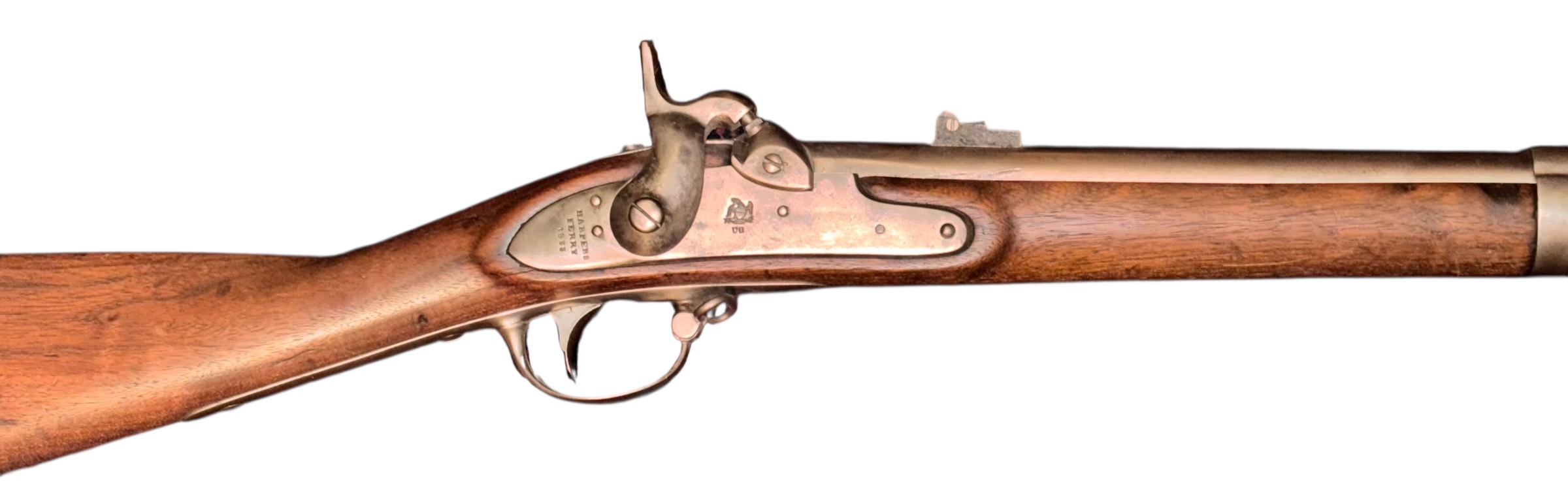










U.S. Model 1816 Harpers Ferry Arsenal Flintlock Dated 1833 Converted During the Civil War to Percussion with Original Socket Bayonet
SOLD
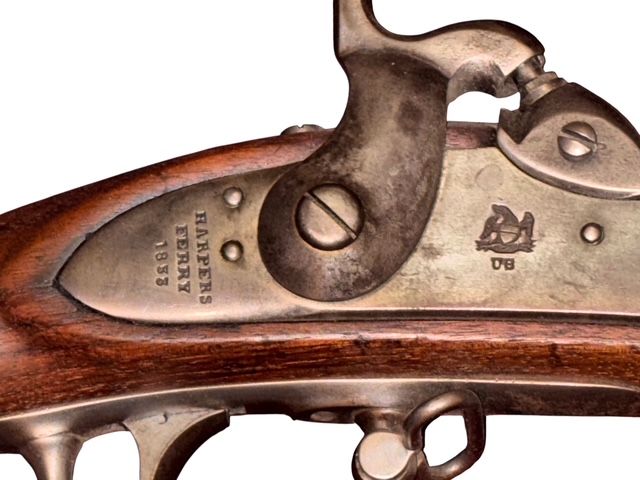
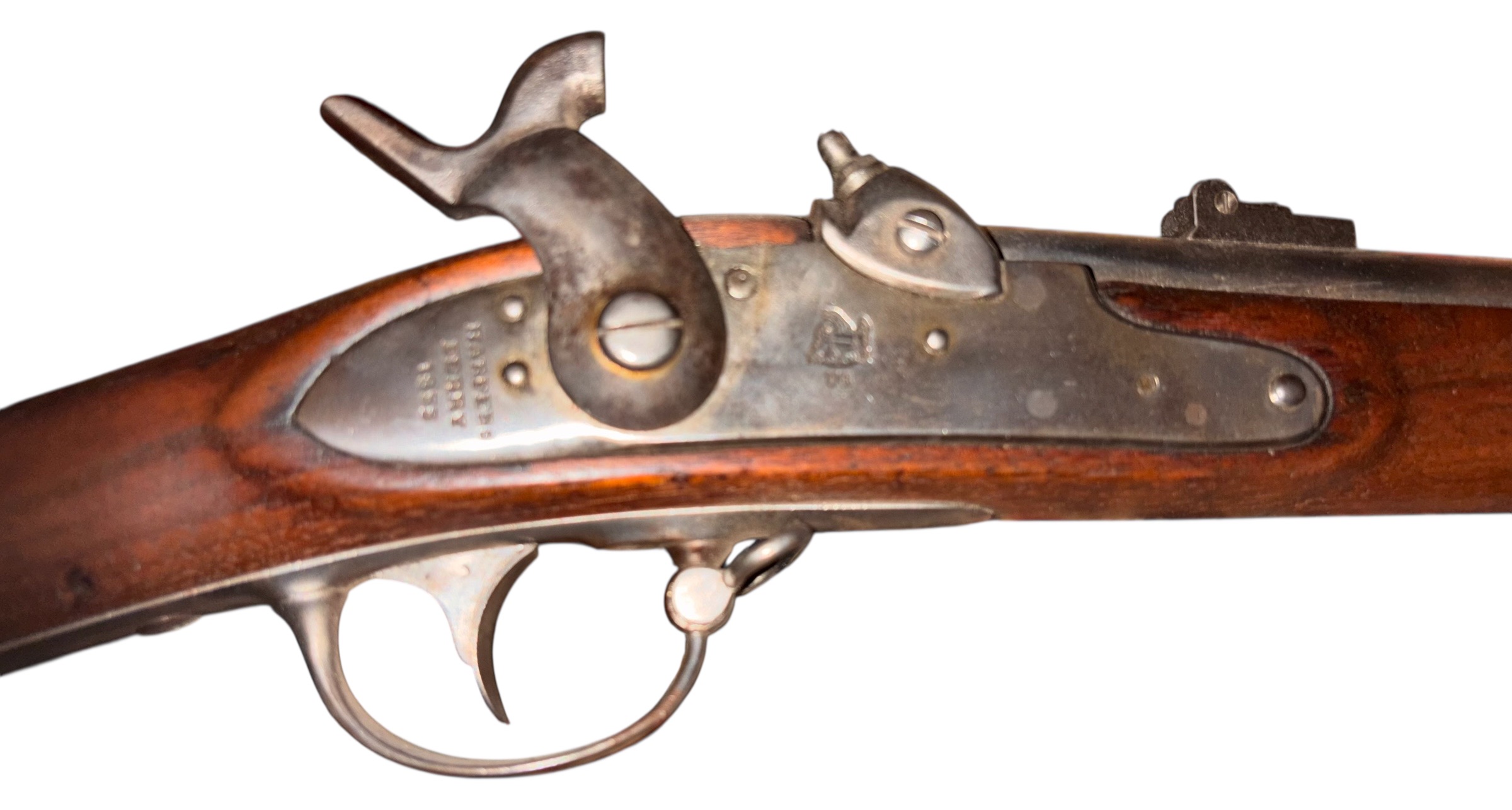
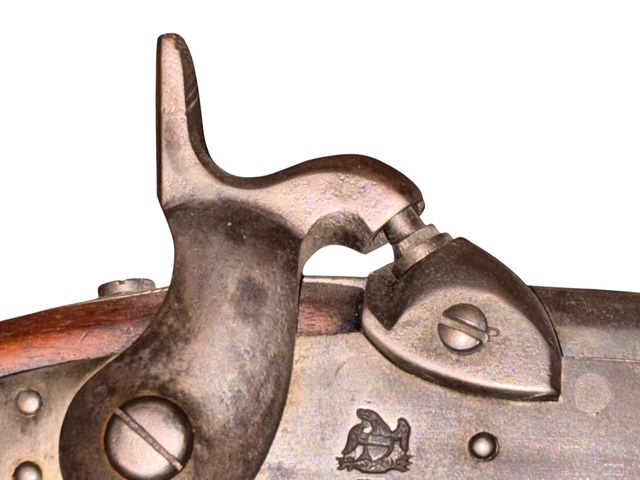
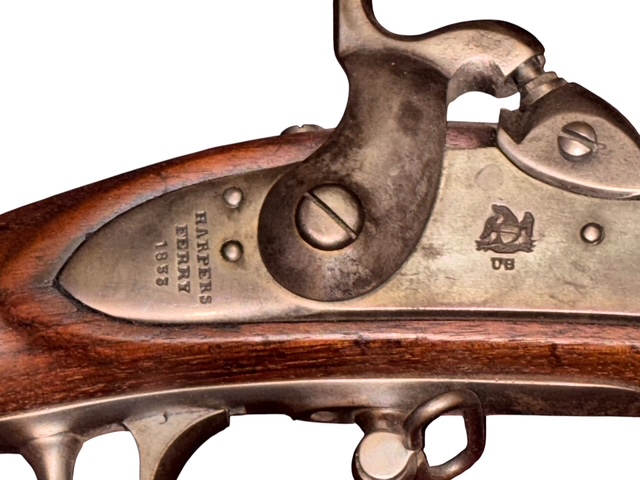
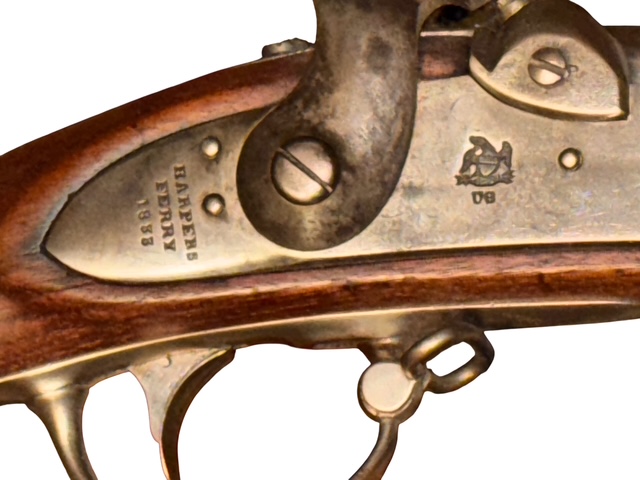
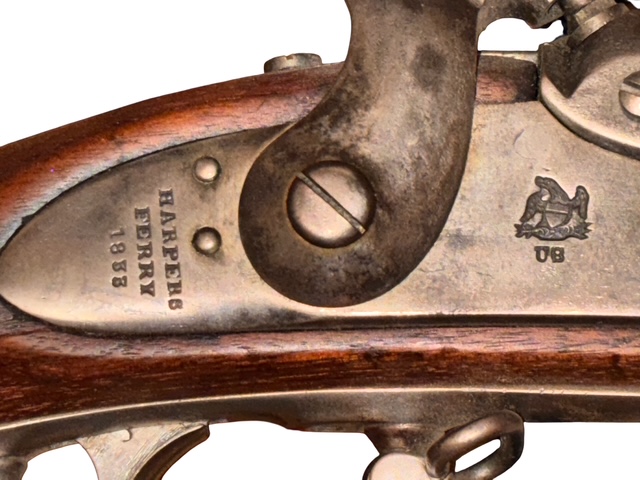
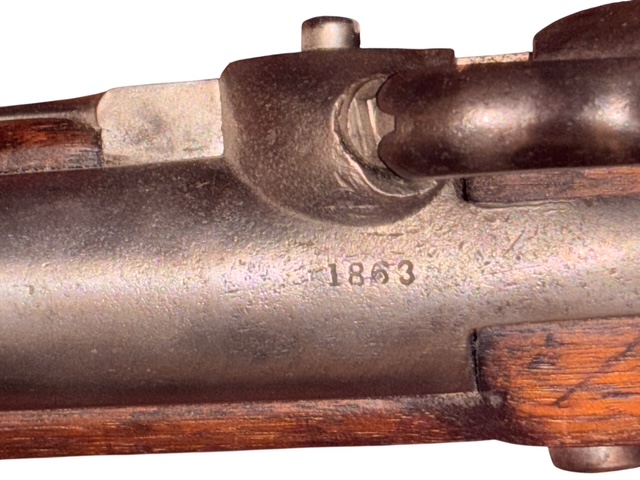
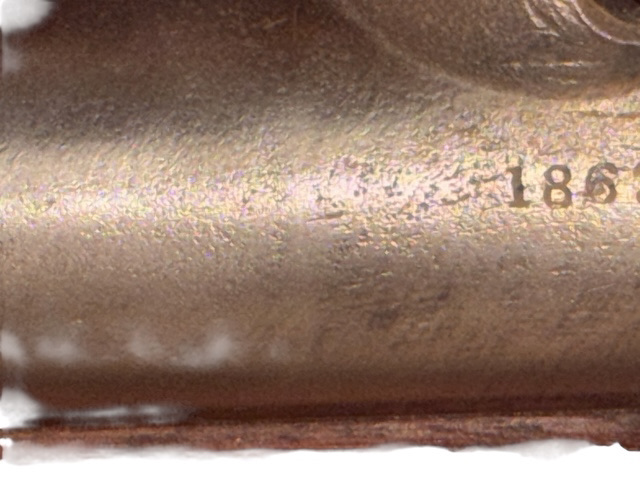
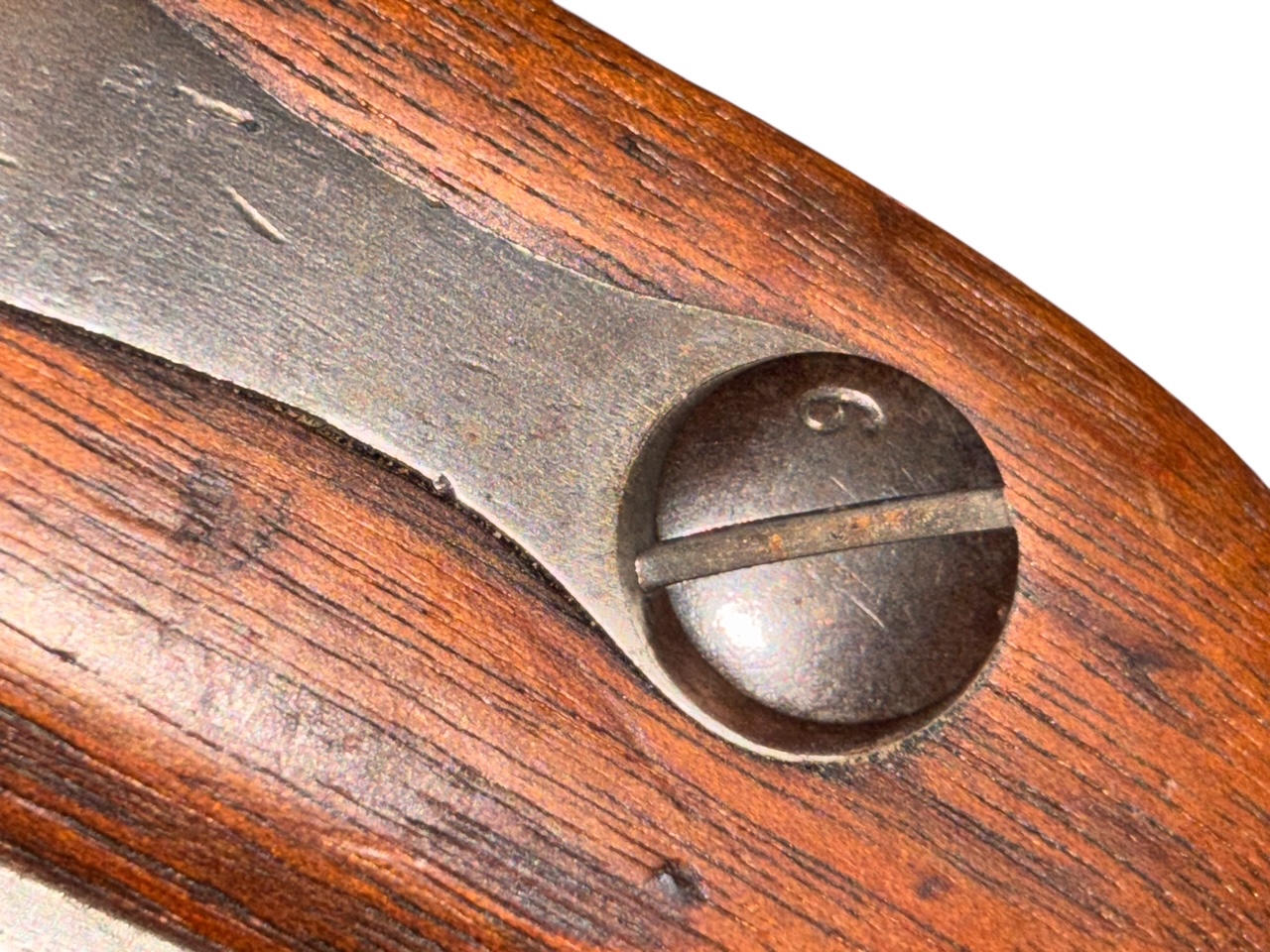
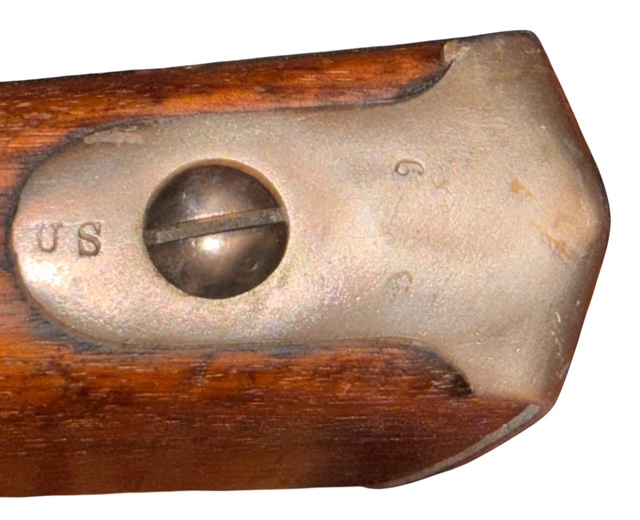
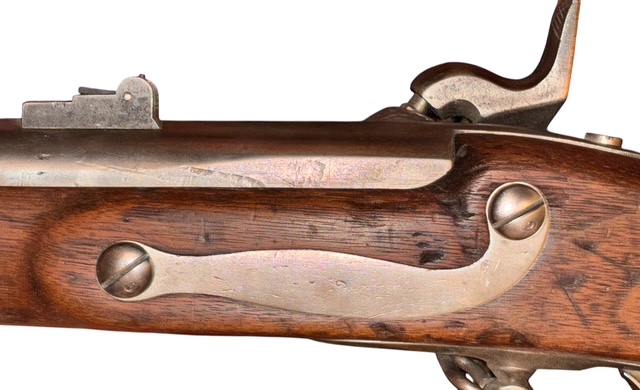
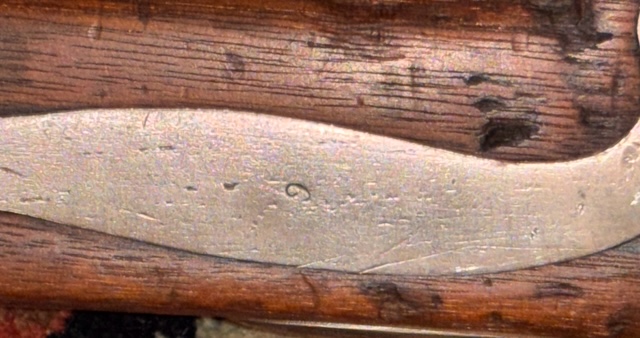
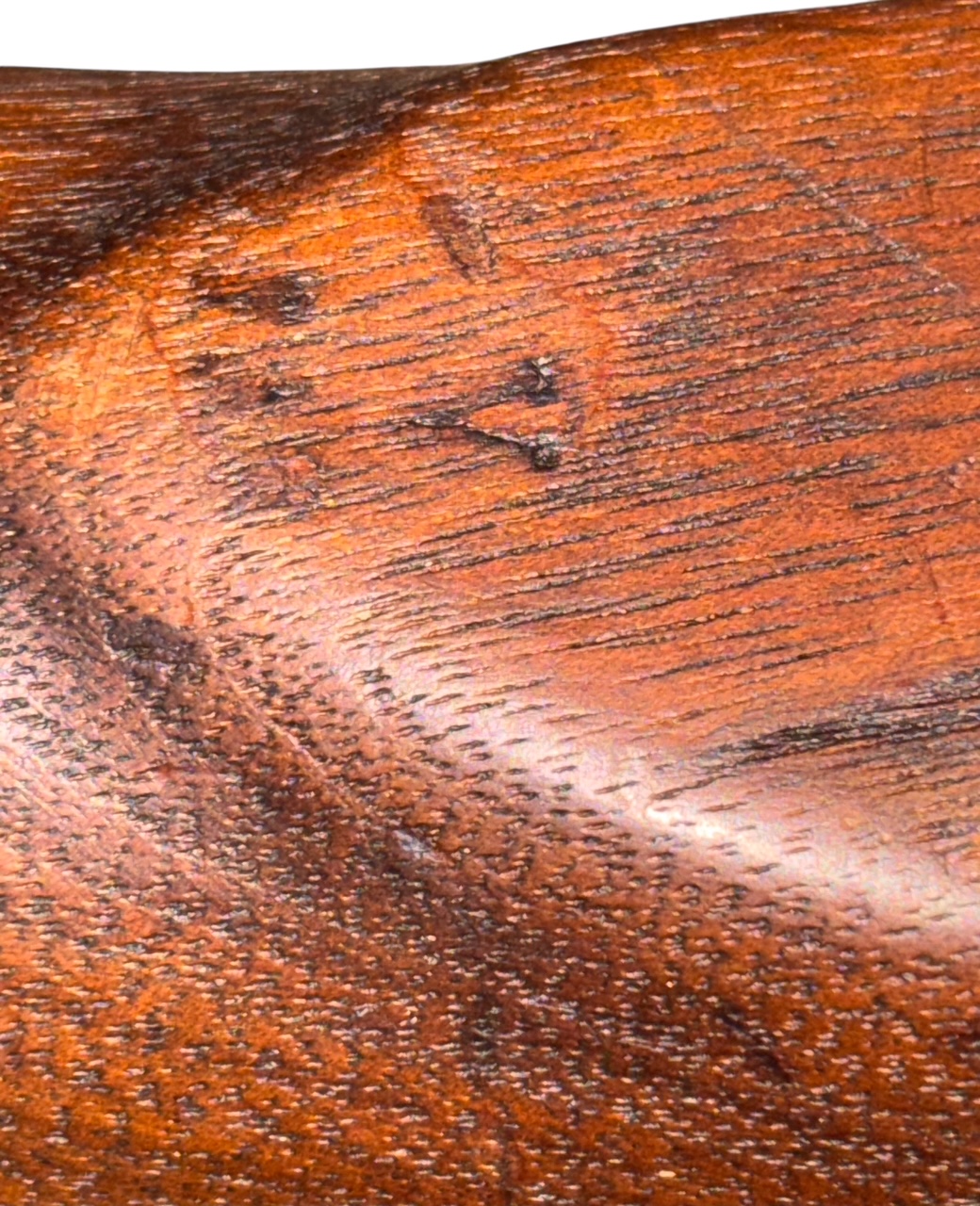
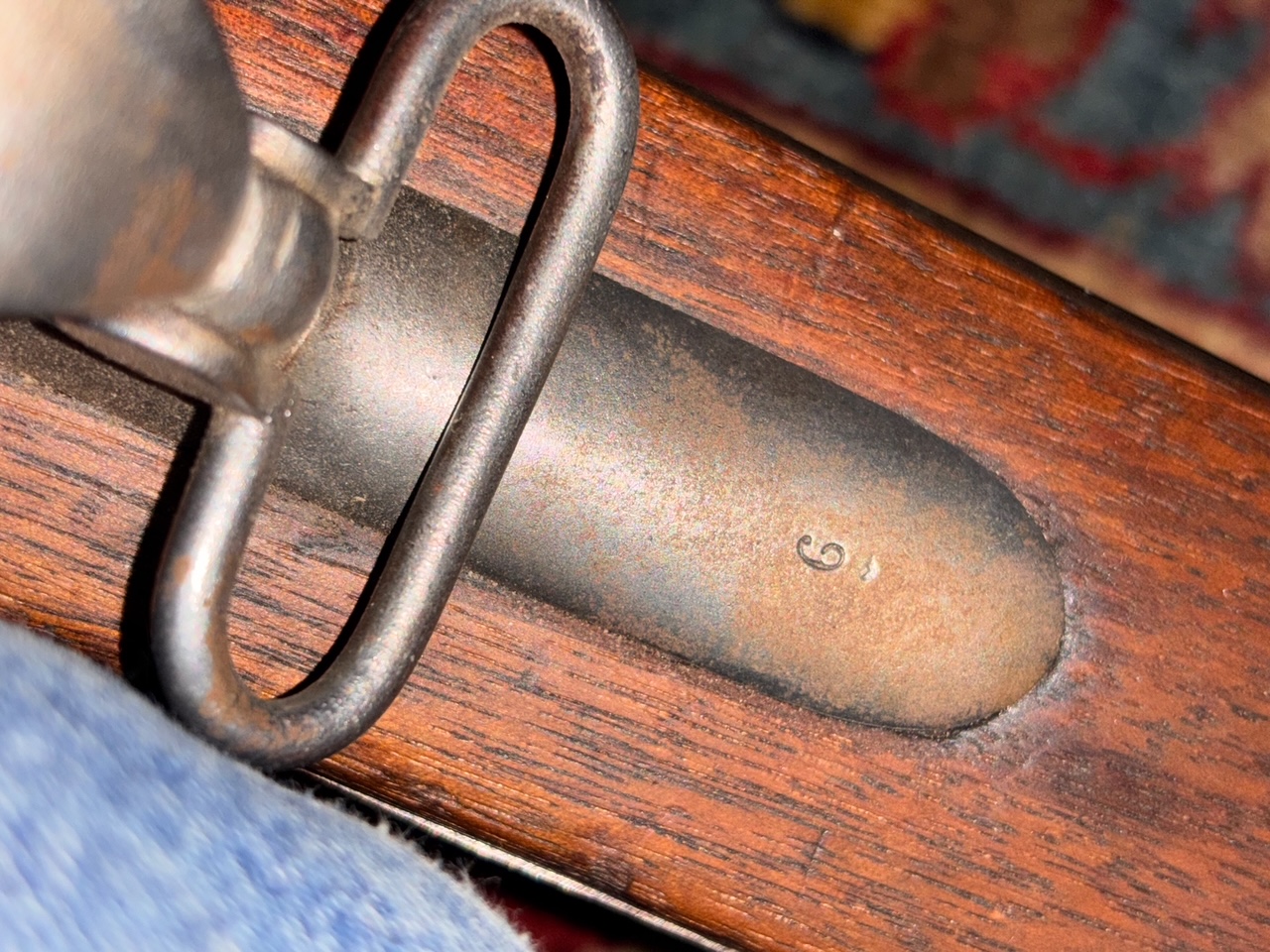
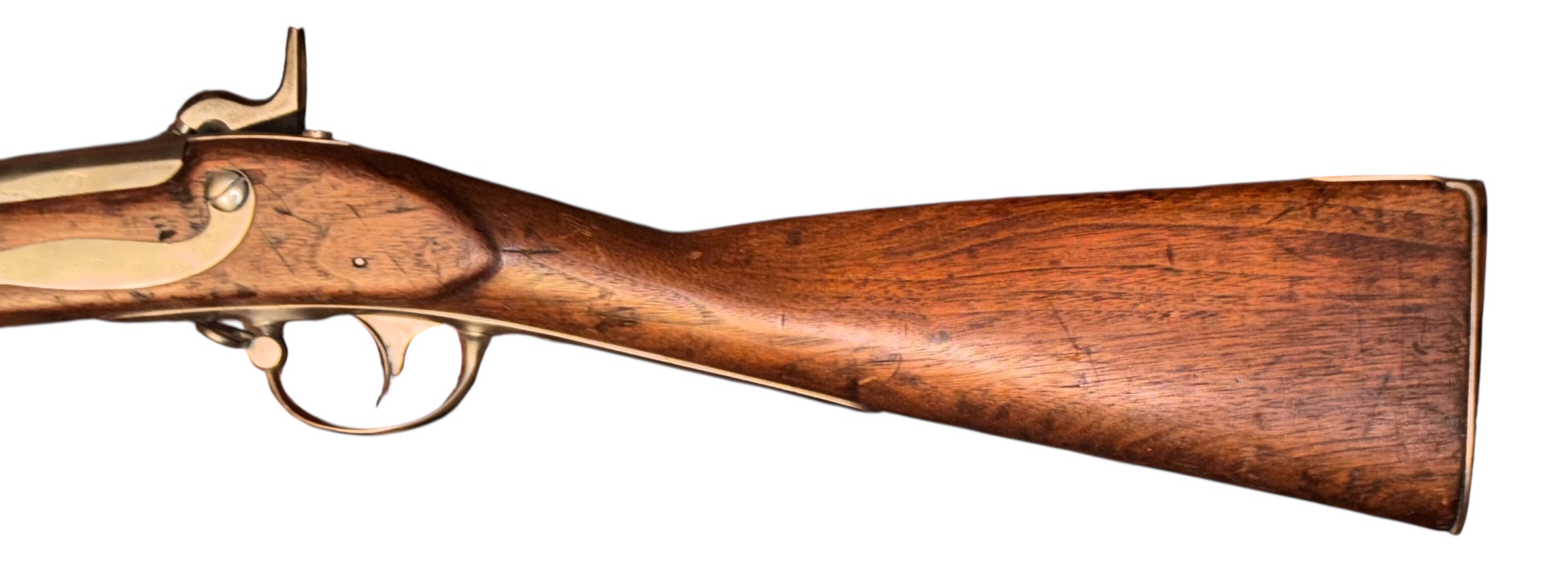
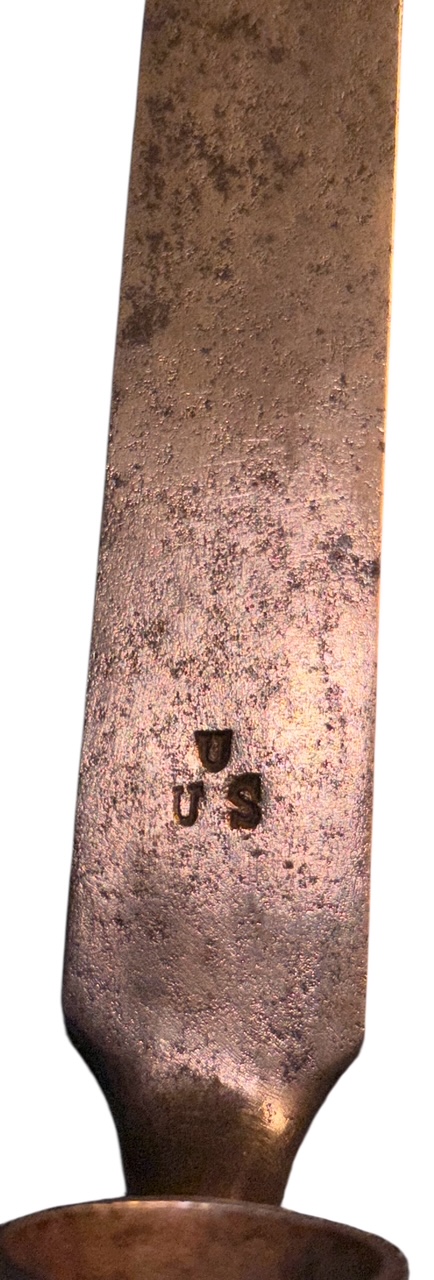
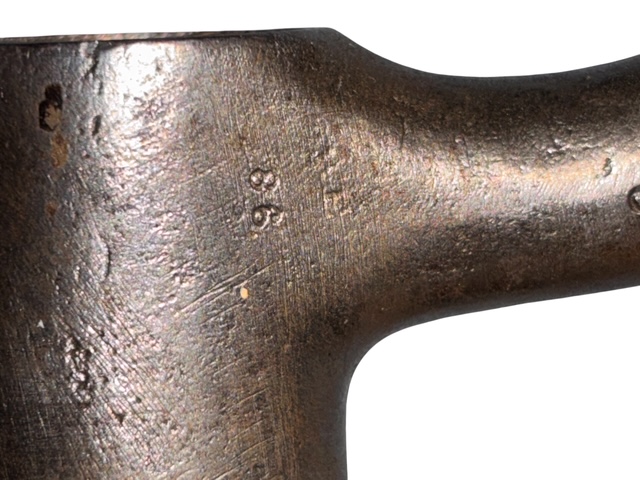
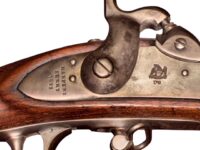
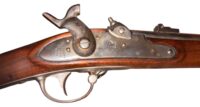
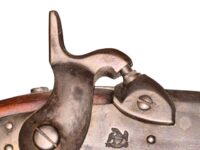
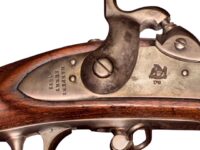
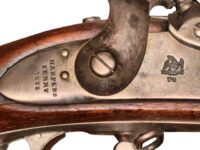
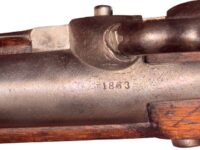
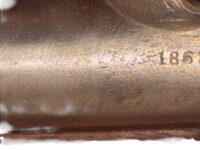
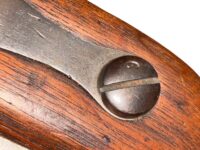
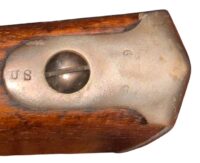
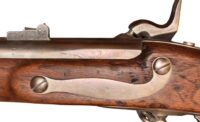
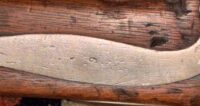
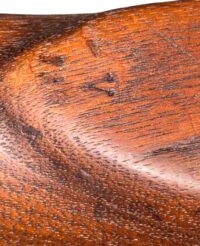
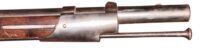
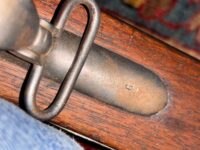
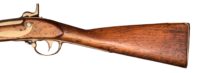
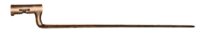
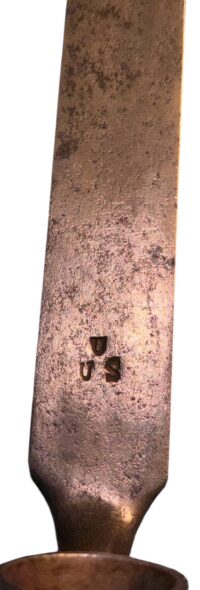
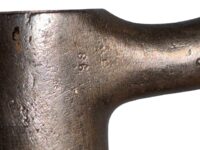
U.S. Model 1816 Harpers Ferry Arsenal Flintlock Dated 1833 Converted During the Civil War to Percussion with Original Socket Bayonet – This M1816, originally manufactured at the Harpers Ferry Arsenal in 1833, was converted to percussion at a U.S. arsenal during the Civil War; the original barrel breeches on many of the conversions, as in this example, starting in the mid-1850s, were actually cut off, replaced with a new breech with an integral bolster and screwed into the barrel; the new breech on this gun is dated “1863”. A line is visible on the barrel where the original breech had been severed and the new breech added. The bolster on this example has a cleanout screw. Some 350,000 M1816s were manufactured at Harpers Ferry, between 1816 and 1844; this musket, a Type II M1816 (Type IIs were manufactured between 1822 and 1836) remains in overall excellent condition, exhibiting a smooth, original bright finish. The musket has three barrel bands, held in position by band springs; of note is the presence of a two-leaf, rear sight, even though the .69 cal. barrel is not rifled. The original, button type ramrod is in place; a small bayonet lug is mounted near the muzzle. The lock plate is stamped: “HARPERS / FERRY / 1833” just distal to the hammer; forward of the hammer is stamped “US” just beneath a small eagle. Visible forward of the stamped eagle and “US” are two holes that were needed for the flintlock firing mechanism – both were filled when the musket was converted to percussion. Both sling swivels are present; the oiled walnut stock appears somewhat light and may have been cleaned at some point; the butt plate is stamped “US”. The following parts all exhibit a number “6” – butt plate, butt plate screws, side plate screws and trigger guard; there is no cartouche visible, although there is the letter “V” stamped into the flat opposite the lock plate. According to research conducted, it appears that the conversion of this musket was completed by the firm of Hewes & Phillips of Newark, NJ via contract with the state of New Jersey and the U.S. Government in the years 1861 – 1862. In Norm Flayderman’s seminal work (Flayderman’s Guide to Antique American Firearms), this contract produced 20,000 conversions from flintlock to percussion; the guns converted were generally the Models 1816 and 1835 from various contractors that produced these guns to those produced at National Armories. Although rifling was standard, there were many (like this example) exceptions that remained smoothbore. The first type of conversion exhibits a replacement breech with an integral bolster, with a cleanout screw and a two-leaf M1861 style rear sight, again comparable to this musket. There were approximately 8,000 of these converted in the aforementioned manner. This musket is an excellent example of a heavily used Civil War longarm. The musket is accompanied by an original, M1816 socket bayonet.
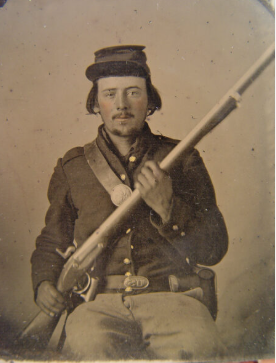
The War of 1812 revealed many weaknesses in American muskets. In an attempt to improve both the design and manufacture of the musket, the Model 1812 musket was created. The Model 1816 made further improvements and replaced the Model 1812. The M1816 was a smoothbore, muzzle loading weapon which used a .69 caliber musket ball. It was in production at Springfield (325,000) and Harpers Ferry (350,000) between 1816 to 1844 with around 675,000 muskets produced during this run. It saw service during the Mexican-American War and was even pressed into service during the Civil War, due to the shortage of guns. In the 1850’s, many 1816’s went through the conversion from flintlock to percussion, which is not the case with this smoothbore. These were some of the most abundant weapons available to both sides, being in the hands of state militias, in the first days of the American Civil War. This musket is symbolic for the westward expansion of the country throughout the first half of the 19th century. The Model 1816 saw service in the Texan Revolution, including the Battle of the Alamo and the Battle of San Jacinto. After the independence of Texas, the 1816 musket was chosen as the first standard musket of the Texan Army in 1839.
Related Items
-
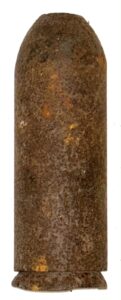
3” Parrott Shell “Eyeballed” on the Battlefield of Seven Pines in the 1960s
$2753” Parrott Shell “Eyeballed” on the Battlefield of Seven Pines in the 1960sSeptember 10, 2024 -

Civil War Period Unusual Brazilian Light Minie’ Rifle
Civil War Period Unusual Brazilian Light Minie’ RifleApril 1, 2025 -
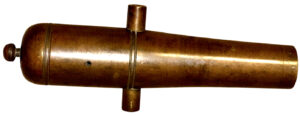
Mid-19th Century Civil War Period Cast Brass Diminutive Cannon Tube (Model)
$275Mid-19th Century Civil War Period Cast Brass Diminutive Cannon Tube (Model)June 5, 2025 -
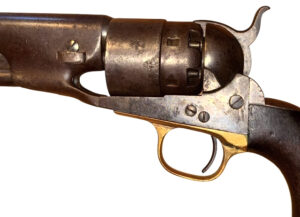
Civil War Period Colt Model 1860 Army Revolver
$2,650Civil War Period Colt Model 1860 Army RevolverFebruary 19, 2026