
Civil War US Army Issue Brogan or Jefferson Bootee Excavated at Ft. Pembina in North DakotaDecember 31, 2025




Civil War US Army Issue Brogan or Jefferson Bootee Excavated at Ft. Pembina in North Dakota
$850
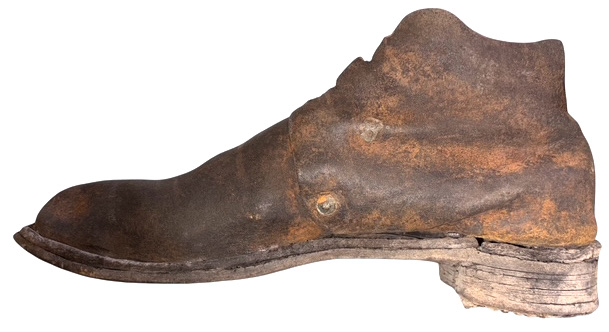
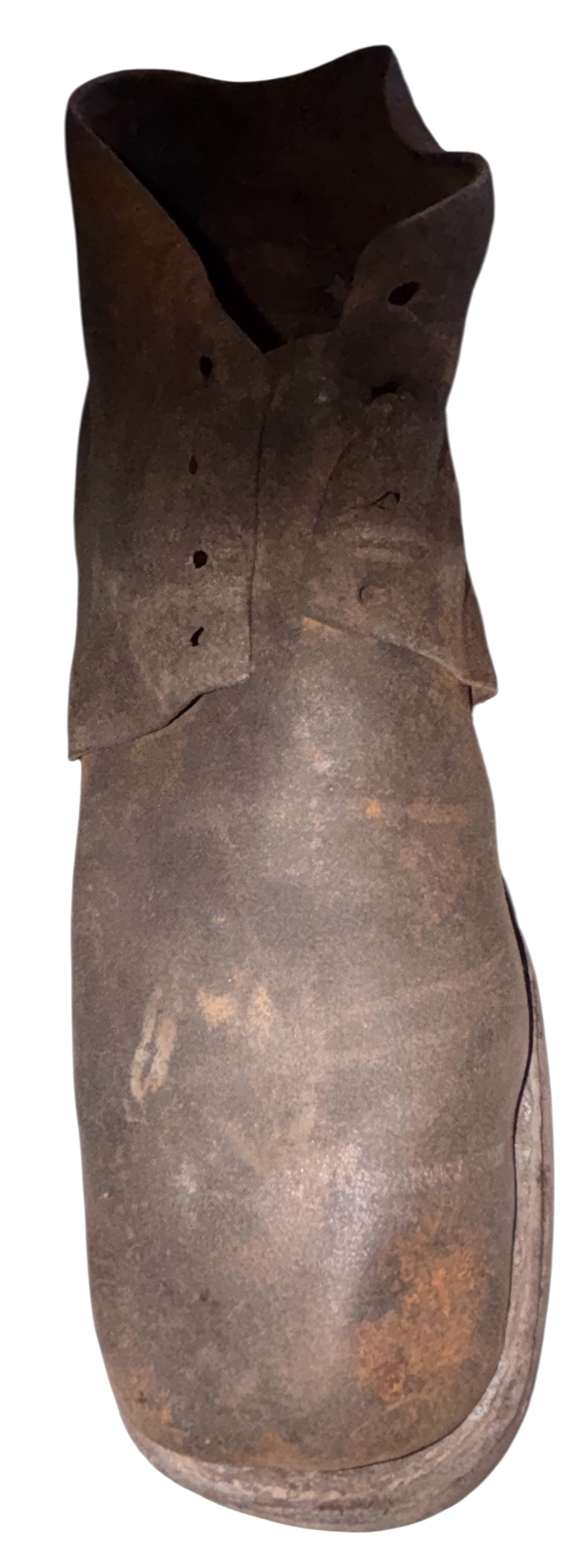
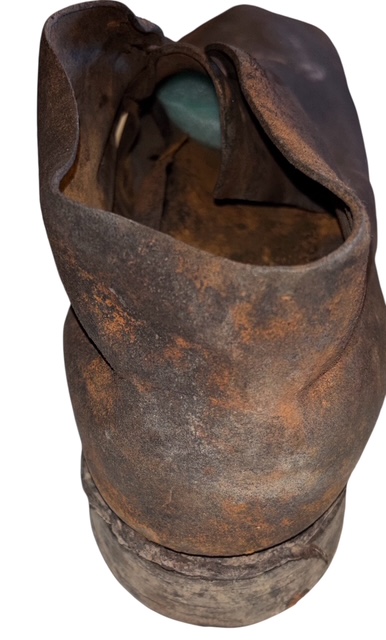
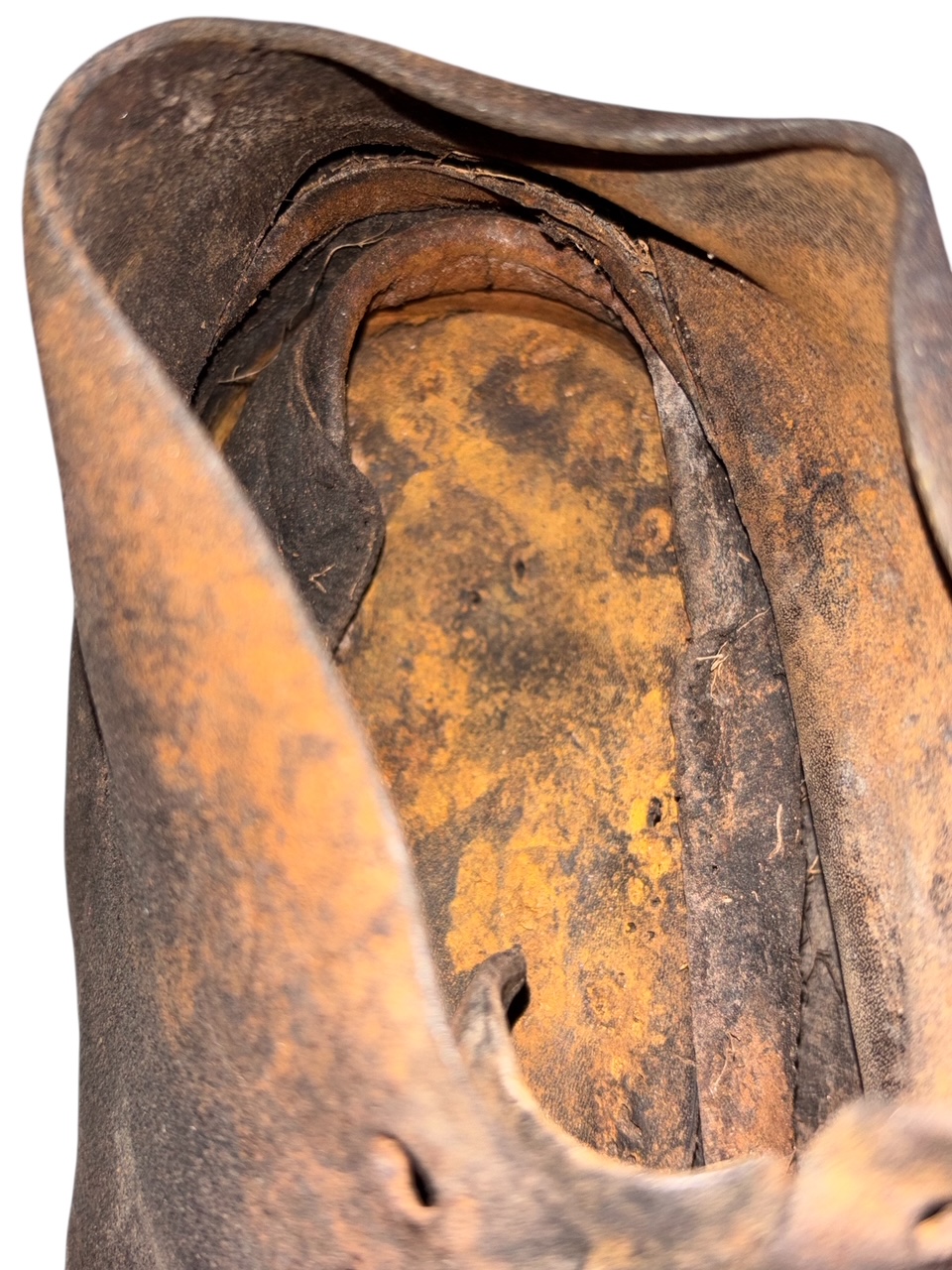
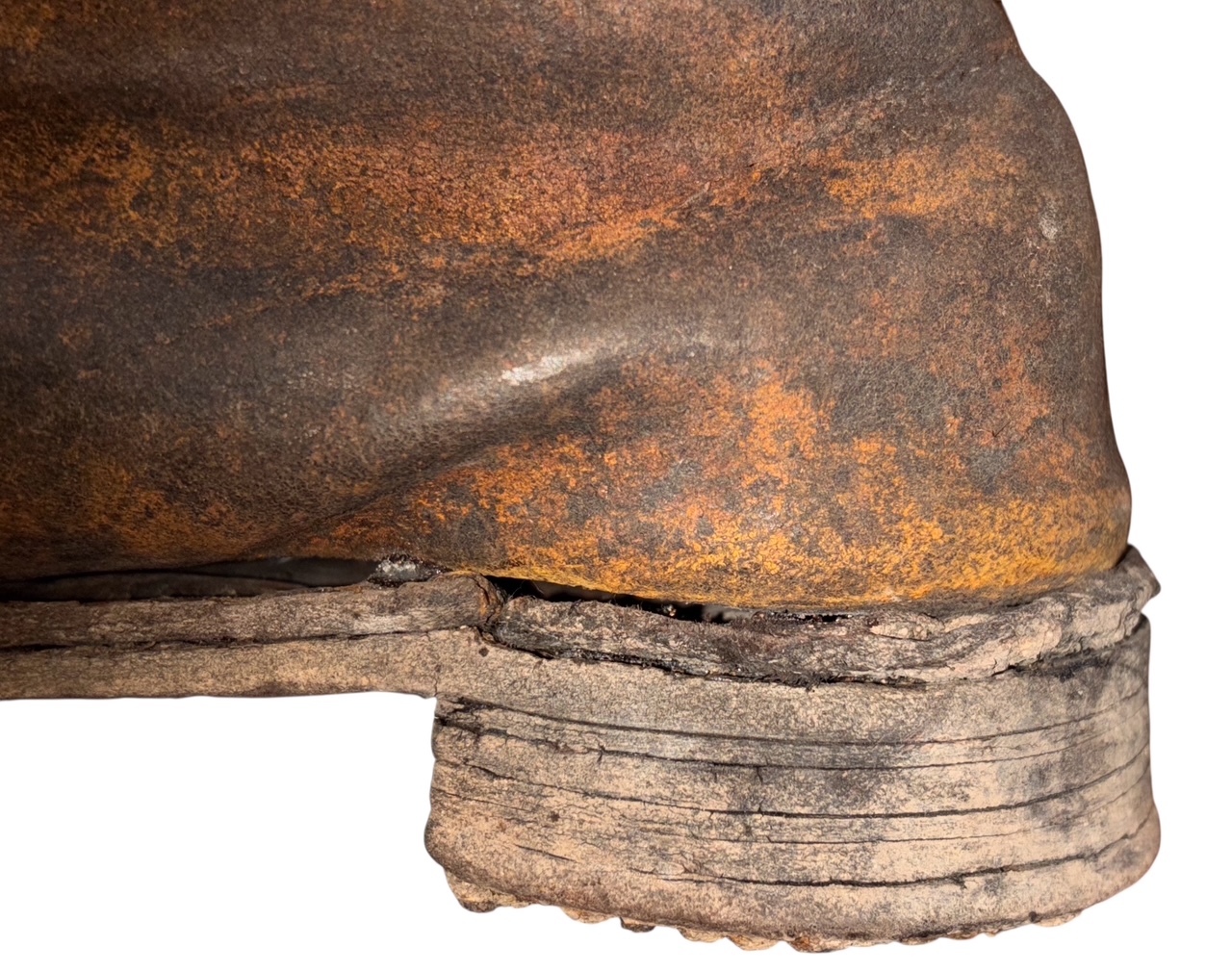
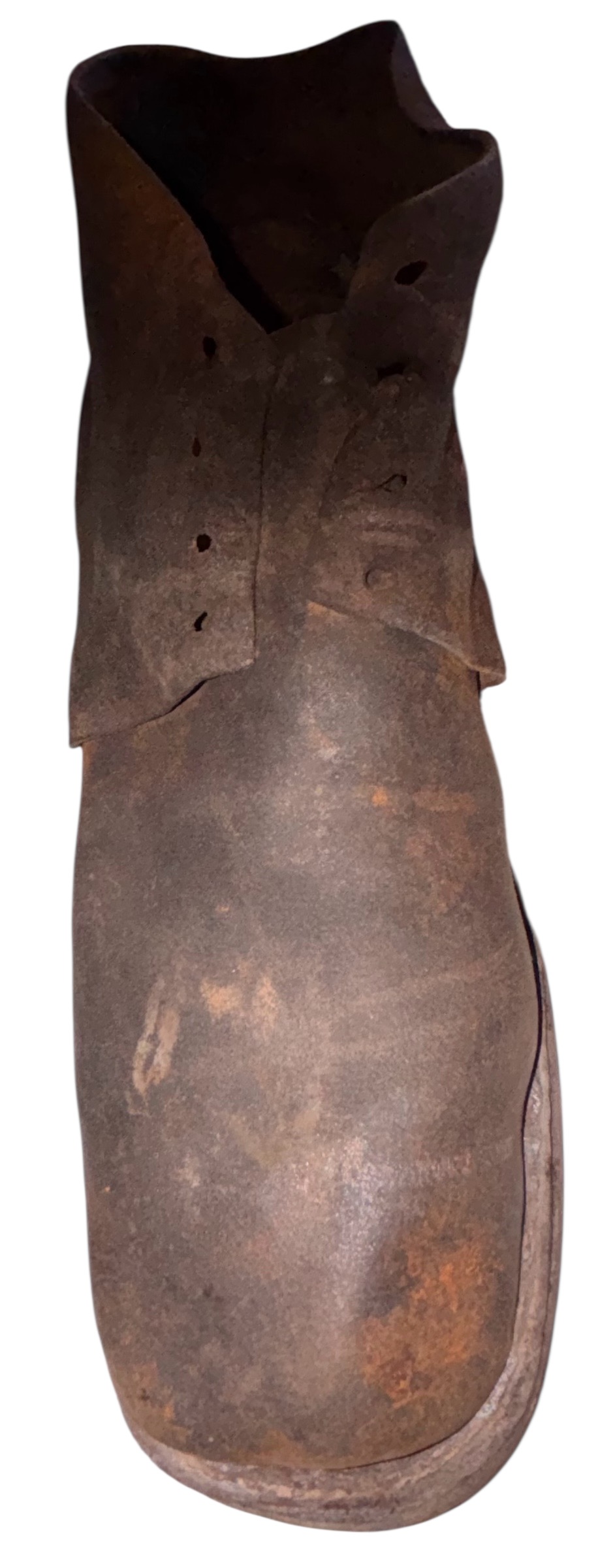
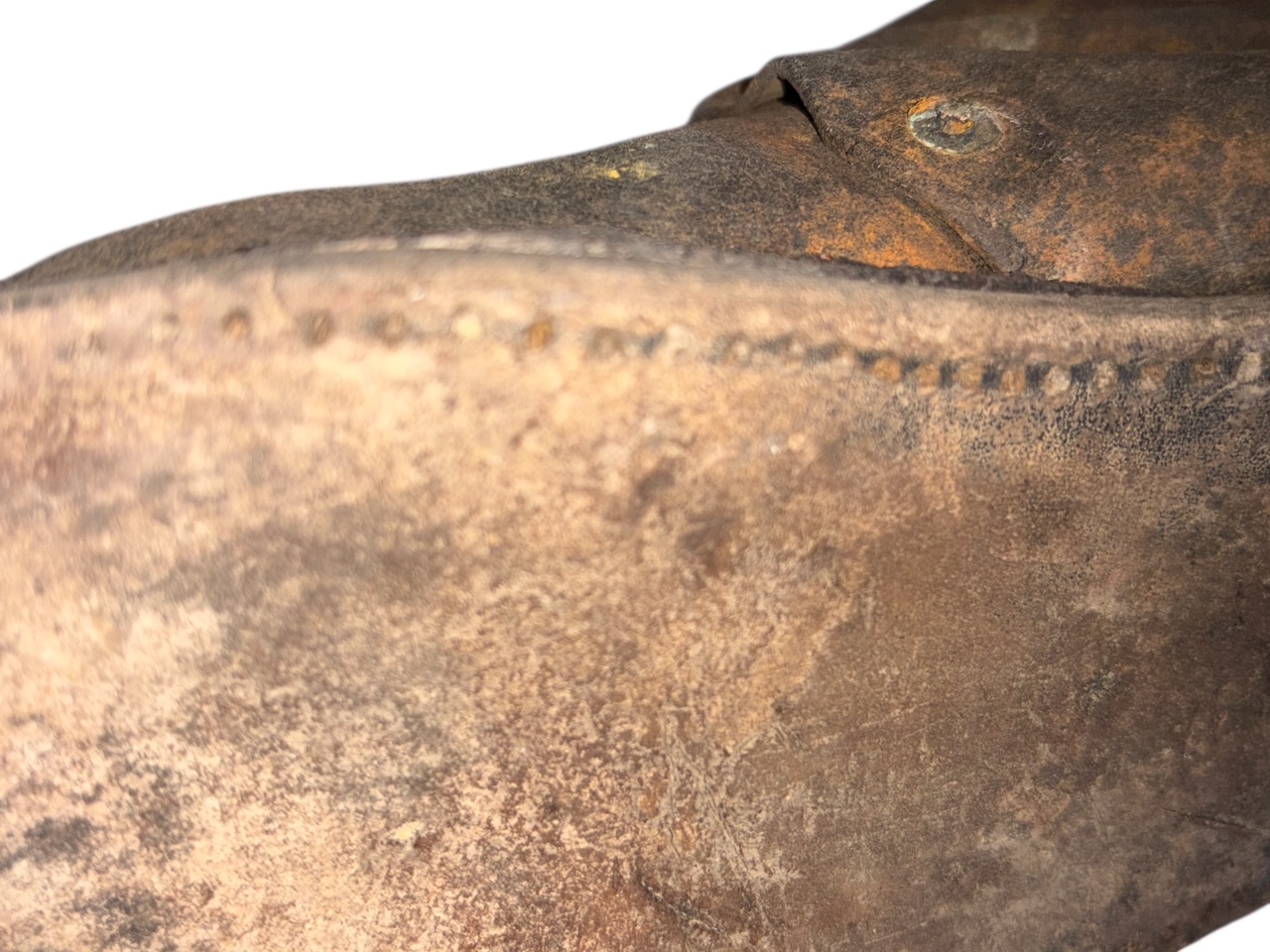
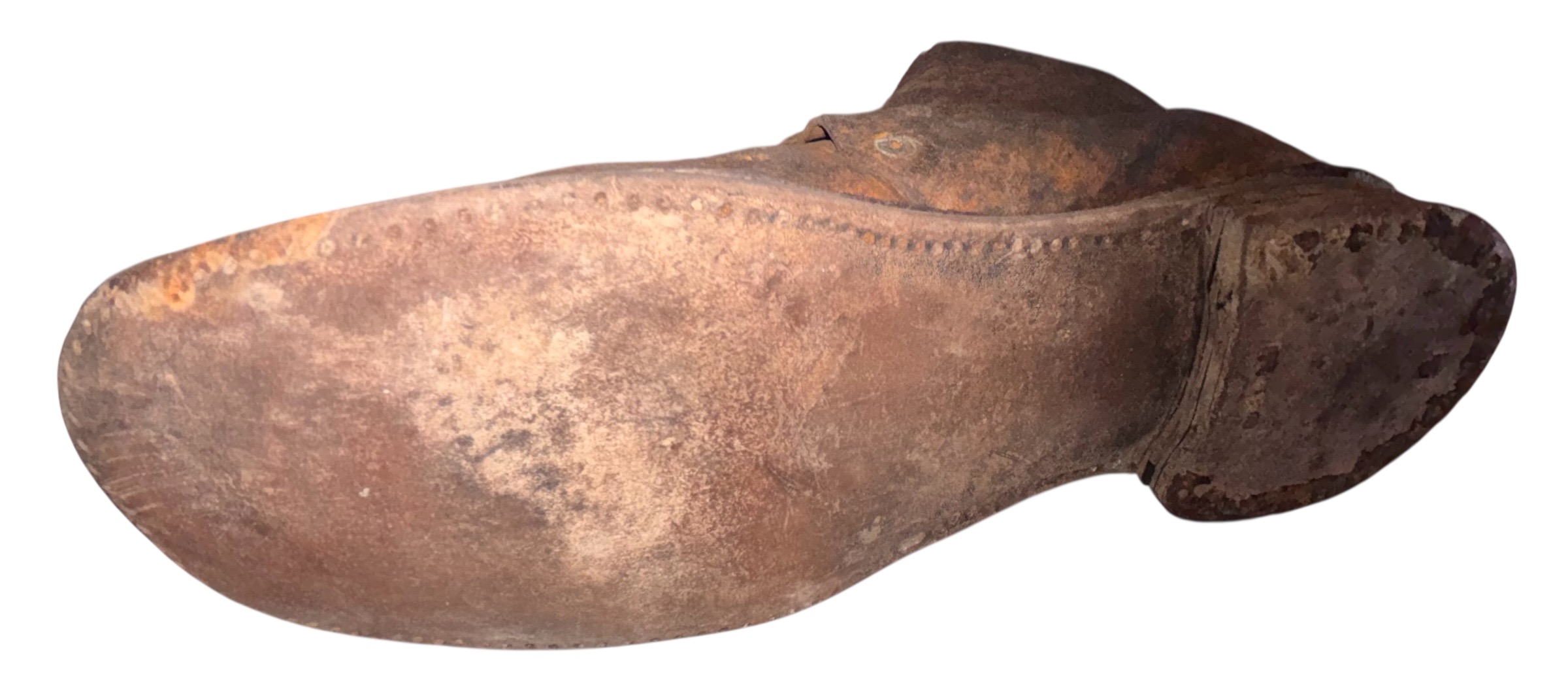
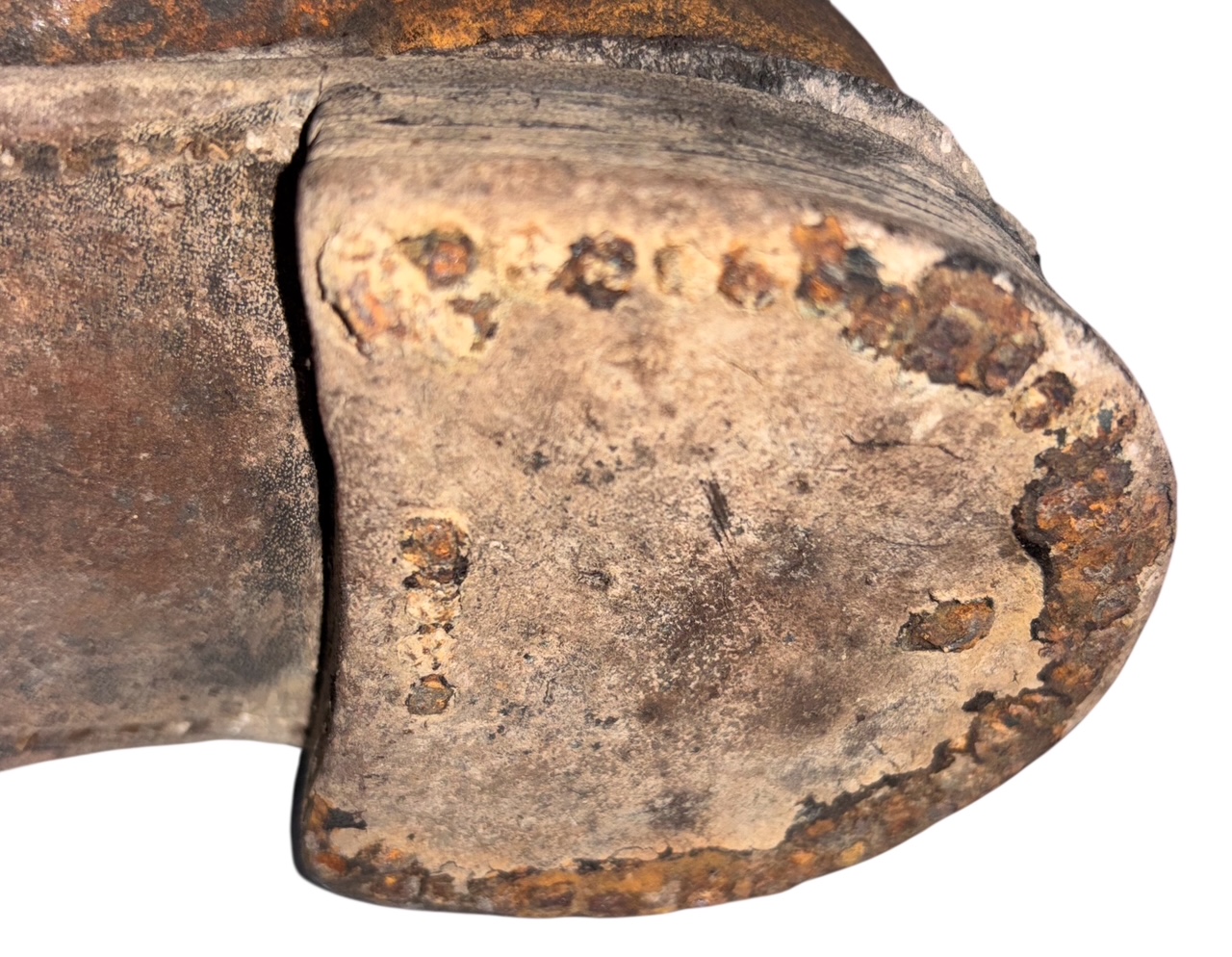
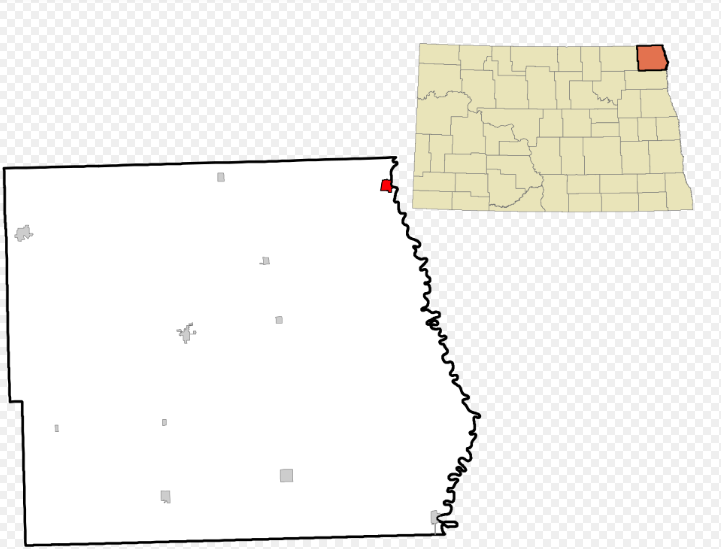
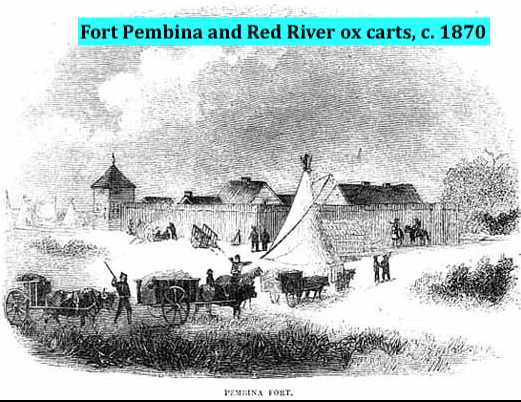
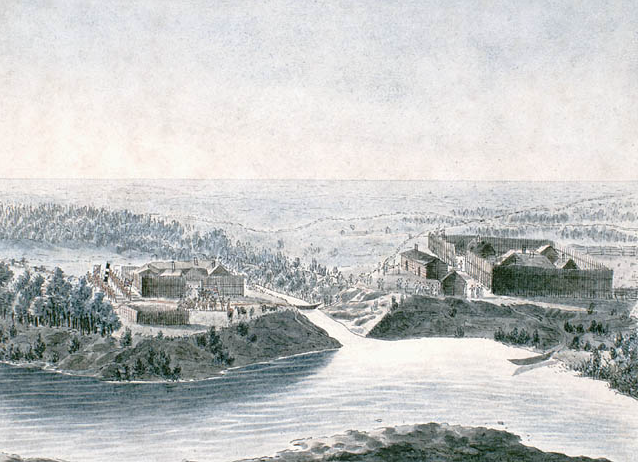
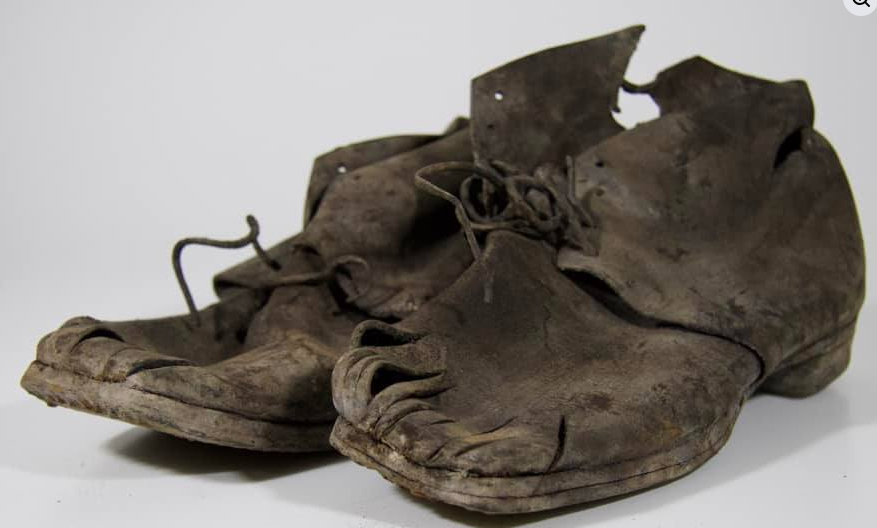
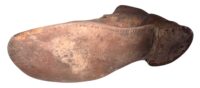
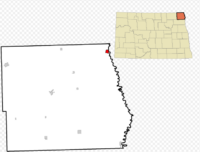
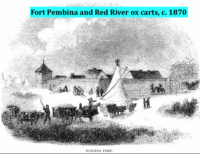
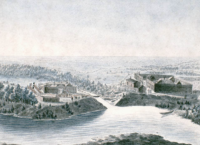
Civil War US Army Issue Brogan or Jefferson Bootee Excavated at Ft. Pembina in North Dakota – Ft. Pembina along the northeast border between North Dakota and Minnesota and slightly south of the Canadian border, was established by the U.S. Government, as a military fort, in 1870, on the site of an early 19th century fur trading post, at the confluence of the smaller Pembina River and the markedly larger Red River . The soldiers occupying the fort were initially supplied with military goods, from accoutrements to uniform items, that had been government issue during the Civil War. According to an abstract from a graduate degree thesis by William D. Thomson, a student at the University of North Dakota:
“The unsettled status of the Red River Valley during the 1860’s made inevitable the establishment of a military post near the 49th Parallel. The Minnesota Uprising in 1862 caused a band of Sioux Indians, responsible for the massacre, to flee to Canada to escape punishment by the military. In 1863, a hastily organized battalion established a temporary fort at Pembina to capture the renegades. After accomplishing its mission, the battalion abandoned the post in 1864.
With the end of the Civil War, people looked to the frontier for fertile lands to settle; but the Indian threat kept them out of the Red River Valley. Legislators in Minnesota and Dakota Territory requested Congress to establish a post on the Red River in the vicinity of the international boundary. In 1870, Congress granted the request, and Ft. Pembina was erected during the summers of 1870-1871. There was little military action against hostiles at Ft. Pembina. Only two incidents were recorded in the post’s history–the Fenian raid into Manitoba in 1871 and the investigation of the St. Joseph massacre three years later.
The last twenty years of the post’s existence were spent in normal fort duties, patrolling along the boundary, and socializing with the people of Pembina. In 1895 the post was abandoned after a fire destroyed most of the buildings. The post brought stability to the area, for within four years after its erection, people had settled all the land along the Red River. It is noteworthy that a small garrison played a large part in the settlement of this fertile region.”
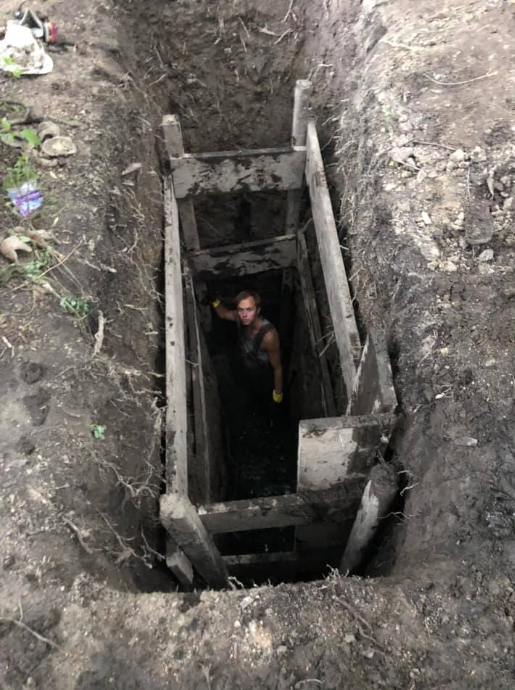
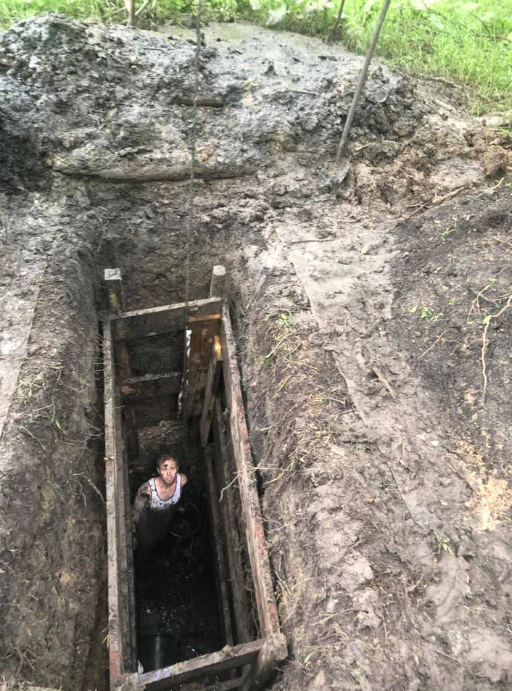
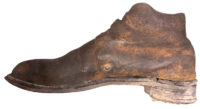
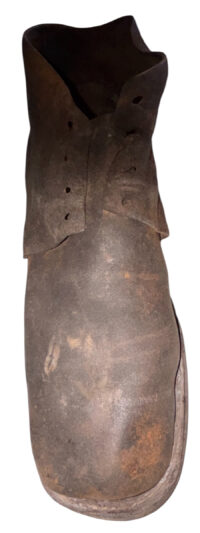
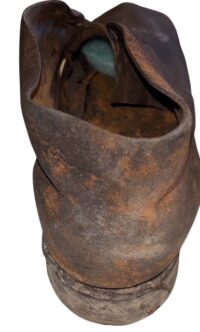
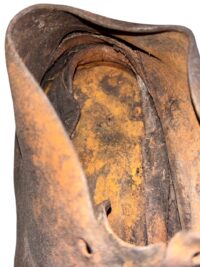
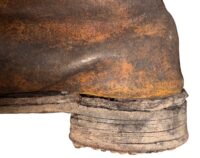
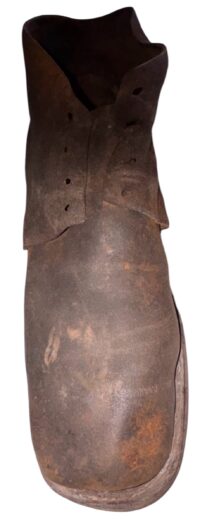
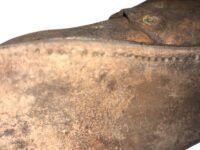
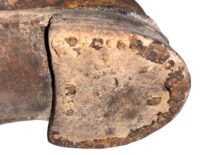
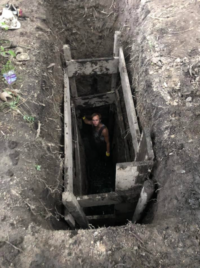
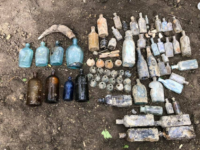
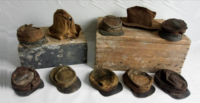
Beginning in 2019 – 2020, several privies associated with Ft. Pembina were located on private property and with the permission of the landowner, the privies were excavated. The excavations produced an incredible trove of artifacts, from ceramics, to bottles, to accoutrements, footwear and uniform textiles – most in a remarkable state of preservation, having been deeply buried in near permafrost and anaerobic conditions for over 140 – 150 years. Amongst the fine array of artifacts discovered were many Civil War period boots and brogans. This example of one of the brogans or bootees excavated, is a typical Civil War period, issue brogan, constructed with rough side out, black leather; additional, Civil War period characteristics are: four pairs of lace holes, an interior heel counter, reinforcing copper and brass rivets to insure the fixing of the upper to the vamp, sewn sole, leather stacked heel and square toe. The brogan is complete and although stiff, the leather and sole remain in remarkable condition, with some minor remnants of soil adhering.
An online overview of the excavations at Ft. Pembina:
The extensive excavation of privies and other features at the Fort Pembina site in North Dakota was primarily conducted in 2019 and 2020 by relic hunter Tom Askjem.
These excavations, which uncovered nearly 50 distinct features, were focused on the area behind where the barracks once stood at the former military site.
Key details regarding these excavations include:
- Discovery & Location: The site is located in the far Northeast corner of North Dakota, near the Red River. Due to the high water table, the hard-packed clay soil preserved many items from a depth of 9 to 13.5 feet.
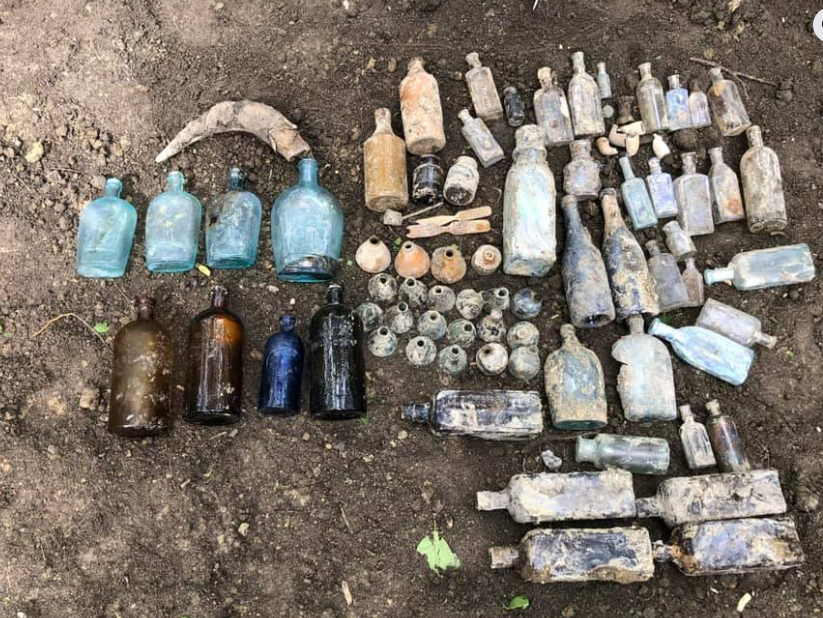
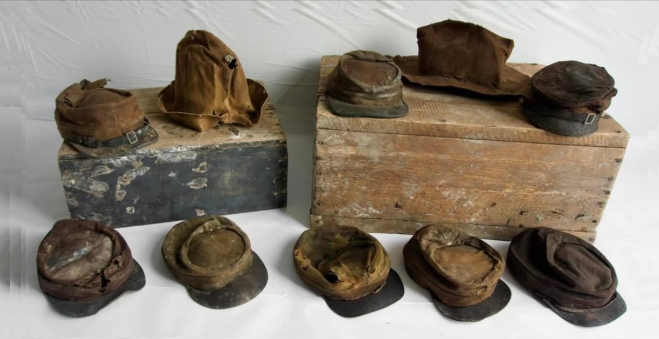
- Artifacts Recovered: The digs yielded a significant amount of Civil War-era surplus items sent to frontier forts, including Kepis (caps), campaign hats, and drawers issued by the US Quartermaster’s Department. Other items found included medicine bottles from E.R. Squibb and supply crates.
- Methods: The excavations were initially conducted by hand, with an excavator brought in later to ensure no features were missed.
- Context: Fort Pembina was an active military post from 1870 to 1895.
This significant, multi-year dig allowed for the recovery of items that were buried roughly 140 years ago.
** We have posted pictures of some of the many artifacts recovered from Ft. Pembina.
Related Items
-
Group of Accoutrements and Artifacts Recovered from the James River at the Site of the 1864 Confederate Sabotage of the Union Supply Wharves at City Point, Va.
Group of Accoutrements and Artifacts Recovered from the James River at the Site of the 1864 Confederate Sabotage of the Union Supply Wharves at City Point, Va.September 11, 2024 -

Dug Civil War Relics from Richmond and Sailor’s Creek Battlefields
Dug Civil War Relics from Richmond and Sailor’s Creek BattlefieldsFebruary 14, 2022 -

Model 1851 Cast Brass Civil War Officer’s Belt Plate
$325Model 1851 Cast Brass Civil War Officer’s Belt PlateFebruary 8, 2022 -
Pattern 1839 .69 Caliber Round Ball Cartridge Box
Pattern 1839 .69 Caliber Round Ball Cartridge BoxOctober 3, 2025