
Letter Written by Sergeant Henry L. Camper Co. D 28th Va. Infantry Describing the Mine Explosion or the Battle of the Crater a Day after the Explosion July 31, 1864; Accompanying the Letter are Assorted Family Period Images and EphemeraApril 1, 2026
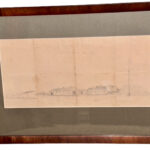
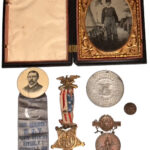
Letter Written by Sergeant Henry L. Camper Co. D 28th Va. Infantry Describing the Mine Explosion or the Battle of the Crater a Day after the Explosion July 31, 1864; Accompanying the Letter are Assorted Family Period Images and Ephemera
$1,950
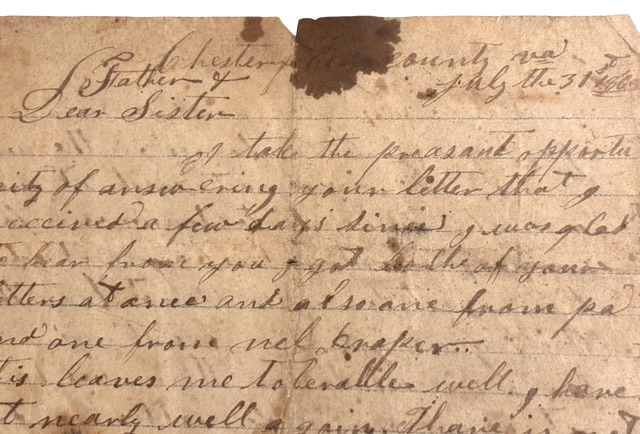
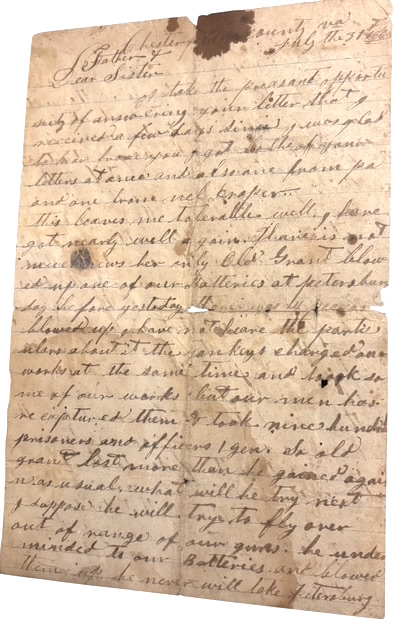
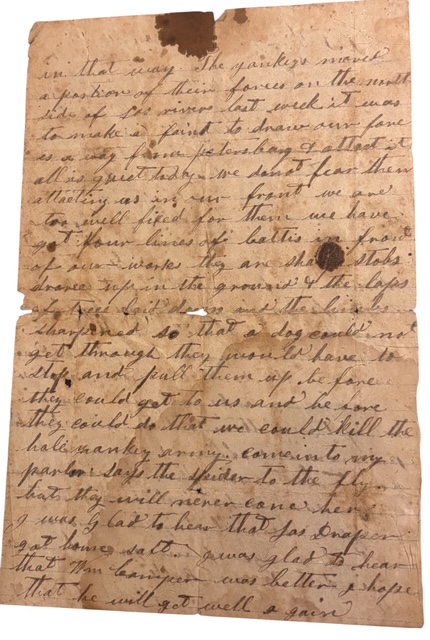
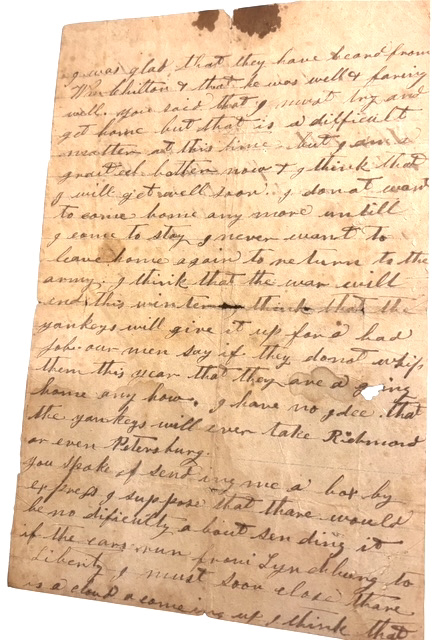
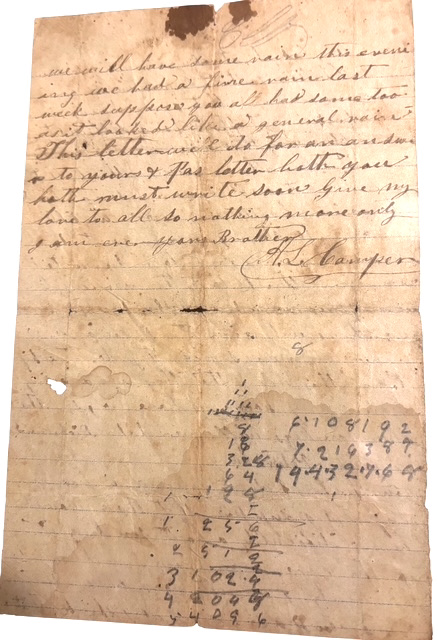
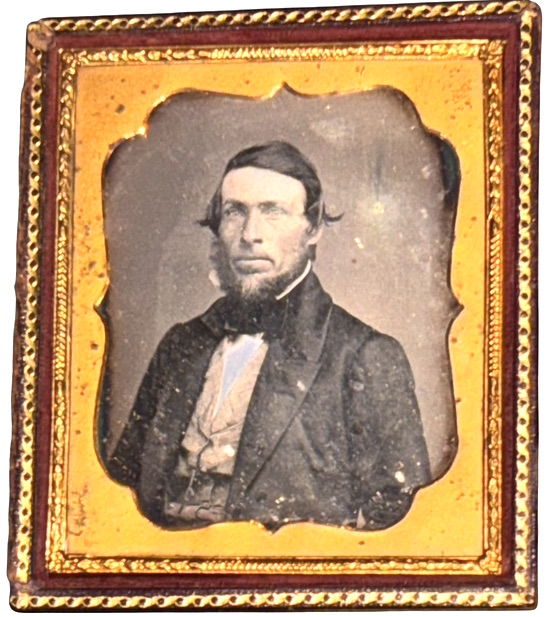
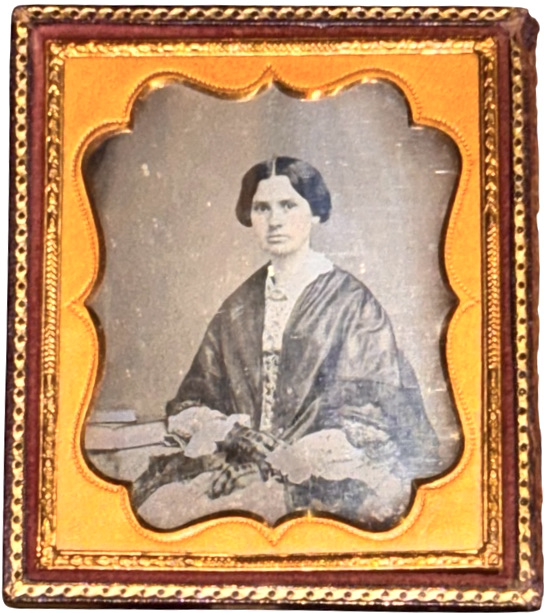
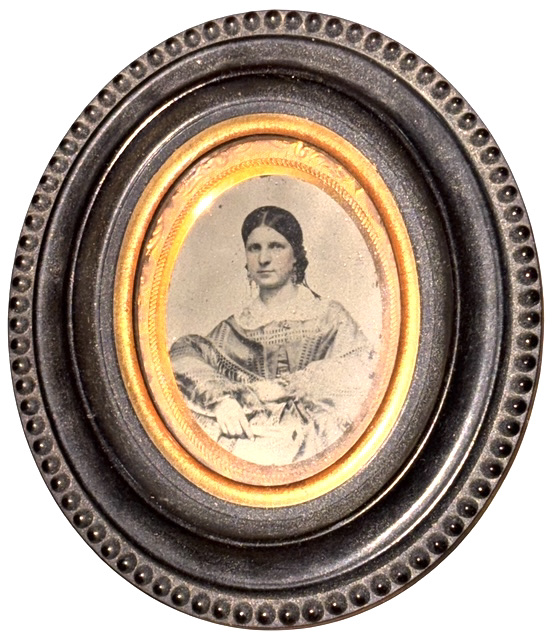
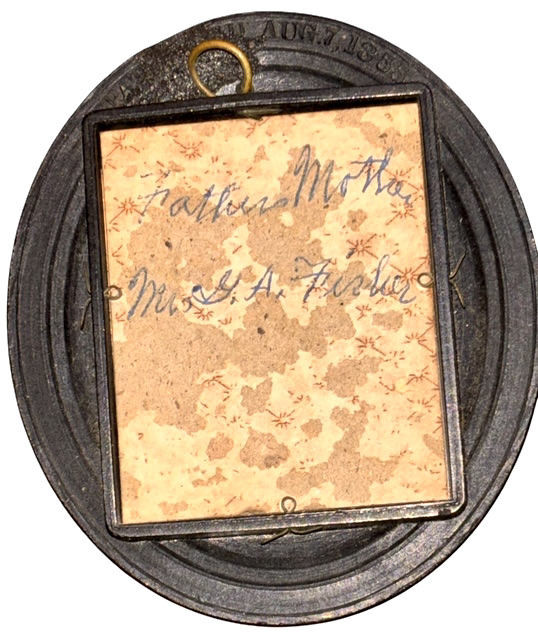
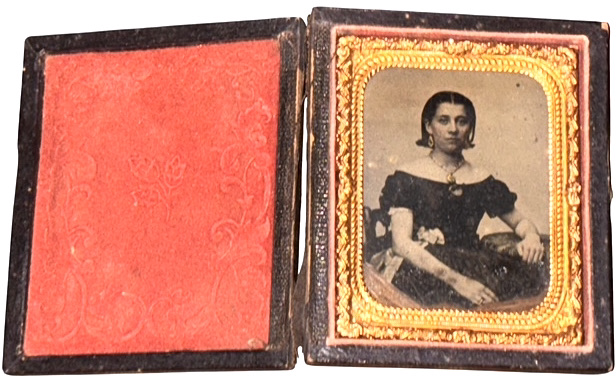
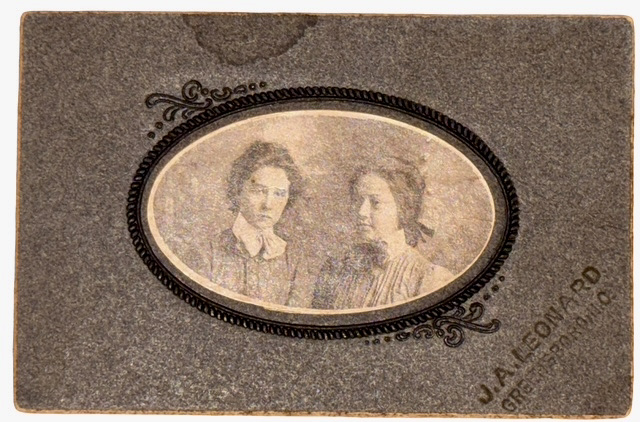
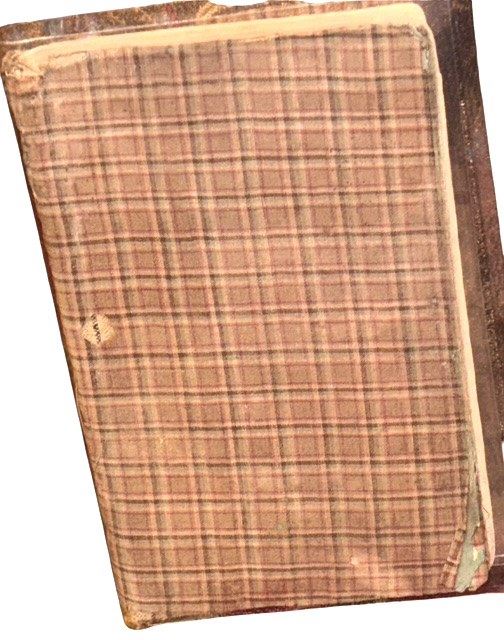
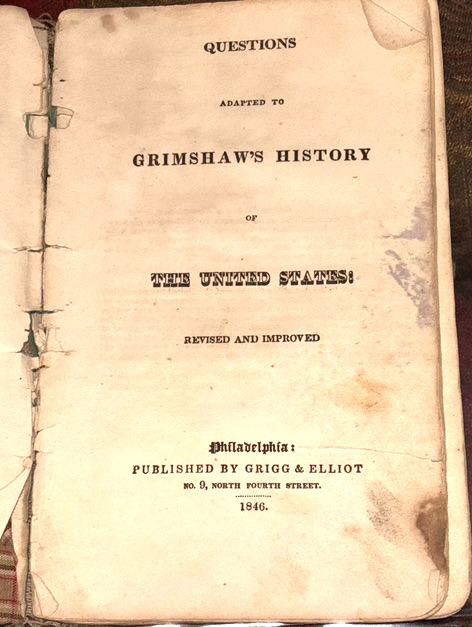
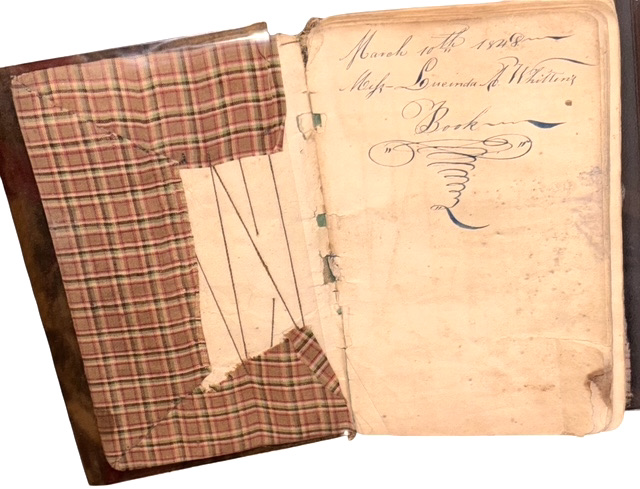
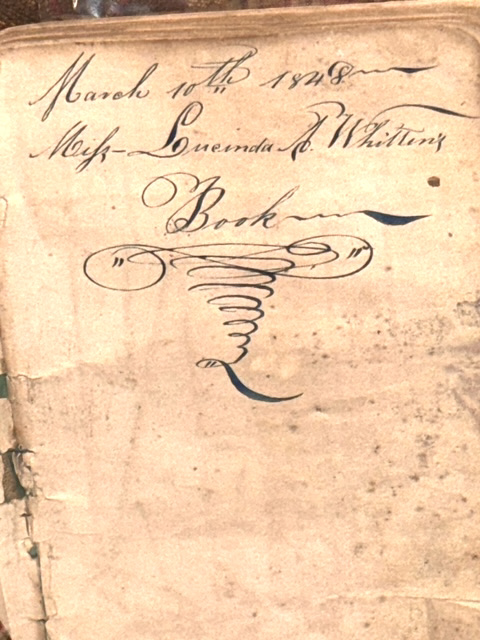
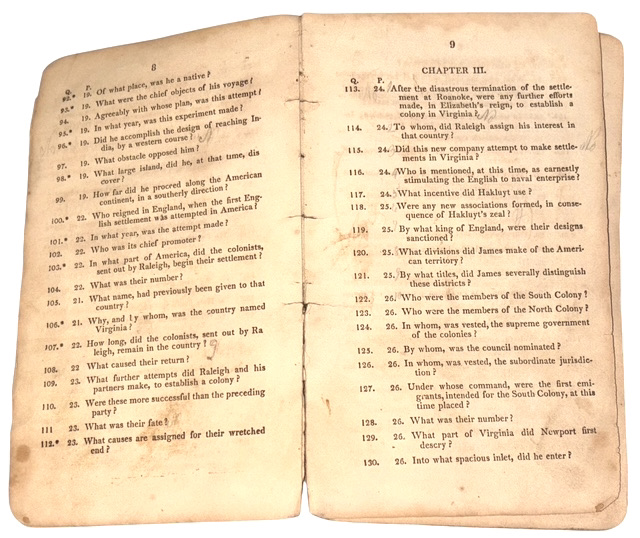
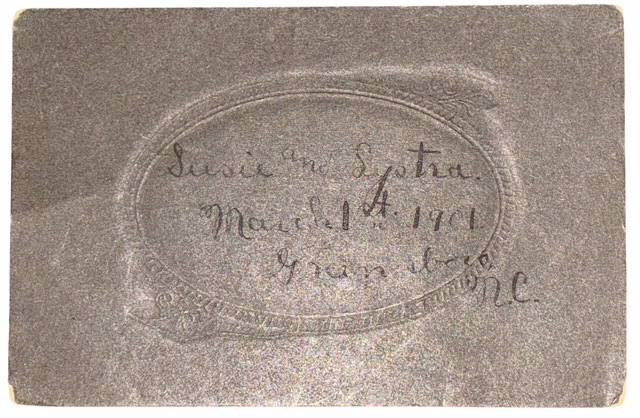
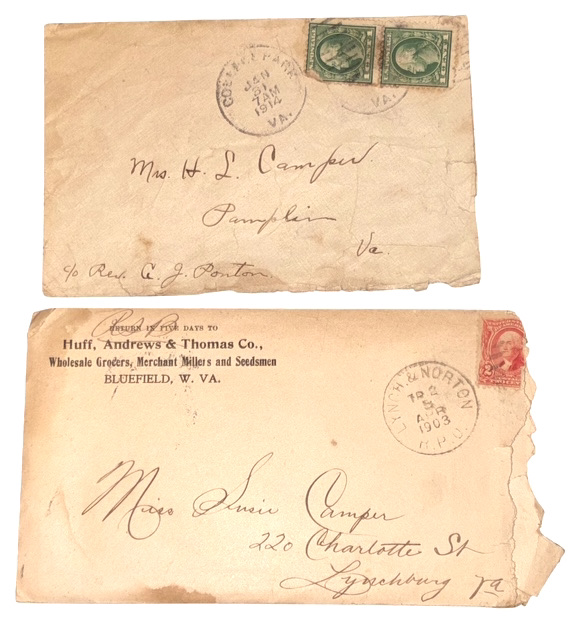
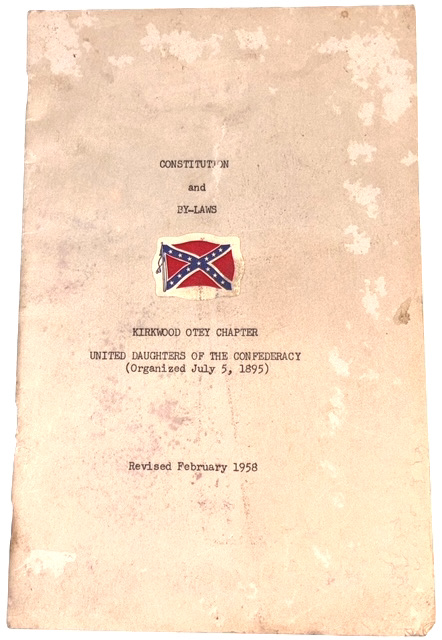
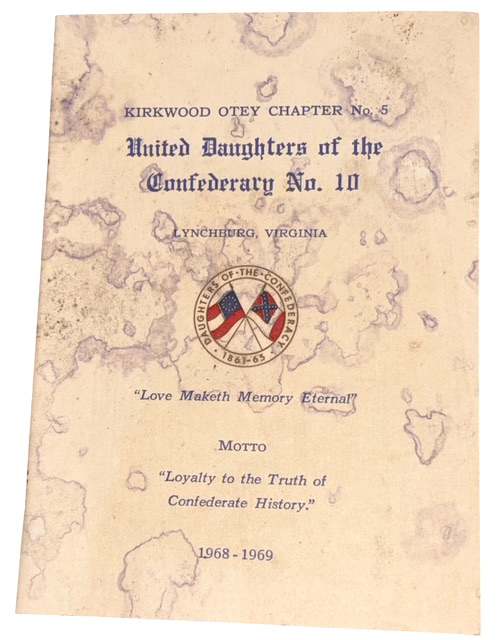
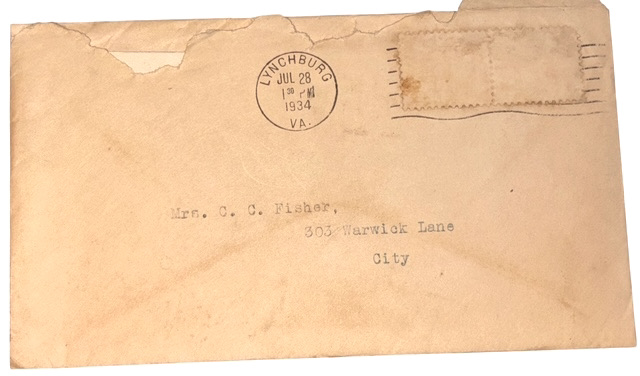
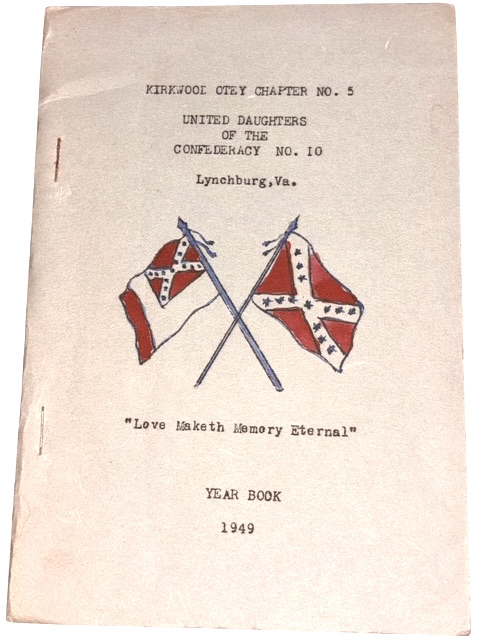
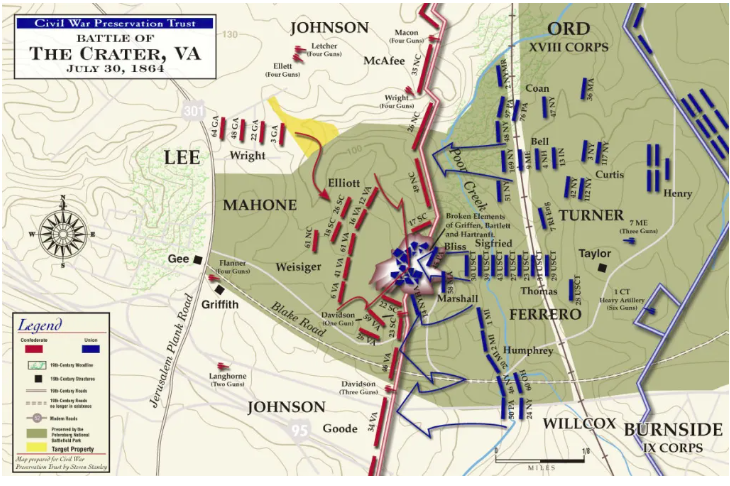
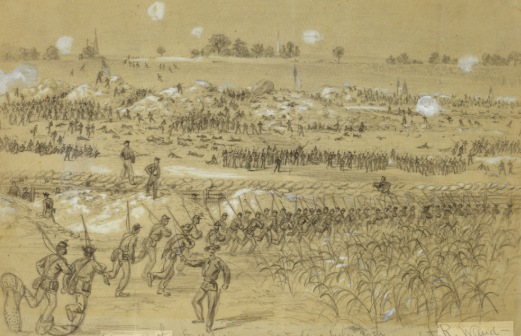
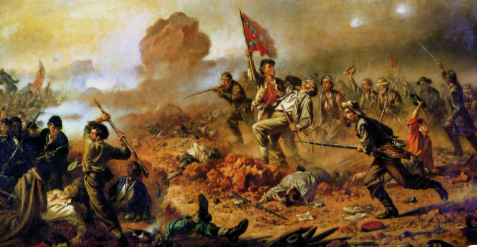
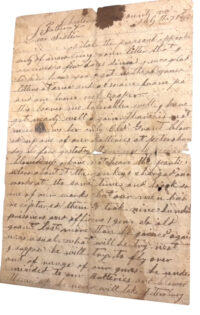
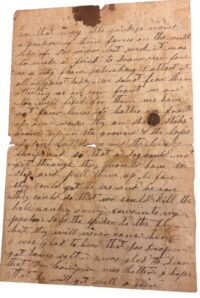
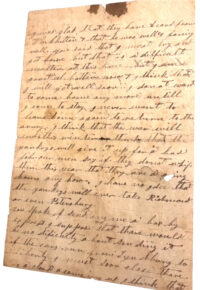
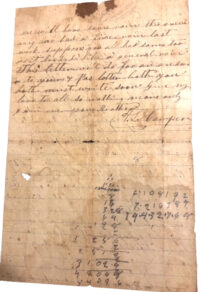
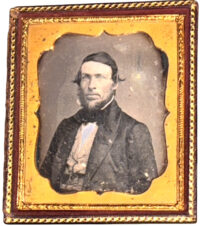
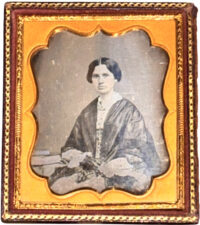
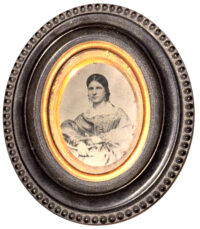
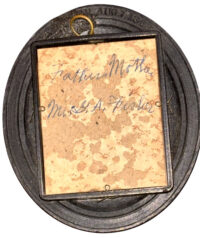
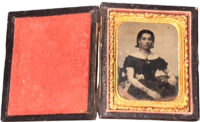
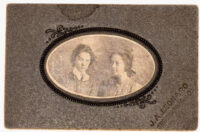
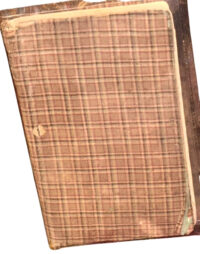
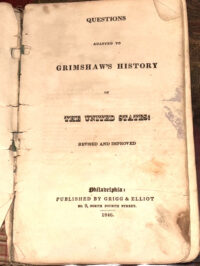
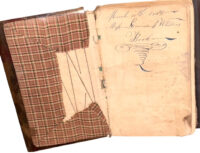
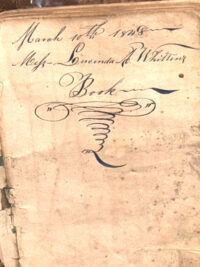
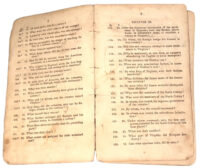
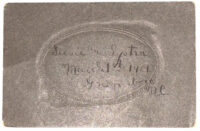
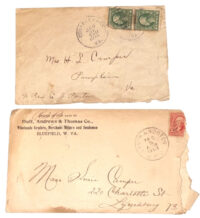
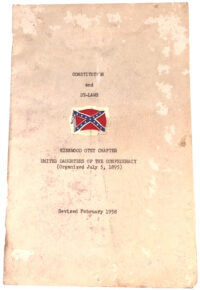
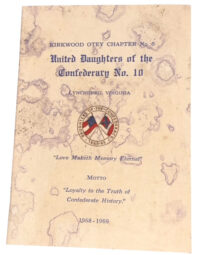
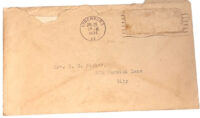
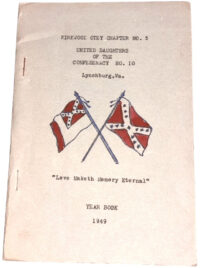
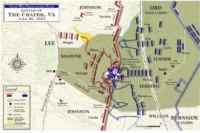
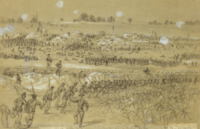
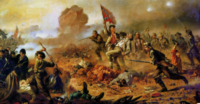
Letter Written by Sergeant Henry L. Camper Co. D 28th Va. Infantry Describing the Mine Explosion or the Battle of the Crater a Day after the Explosion July 31, 1864; Accompanying the Letter are Assorted Family Period Images and Ephemera – Written by Sergeant Henry L. Camper of Co. D 28th Va. Infantry, on July 31, 1864, this exceedingly rare letter states near the beginning of the text: “Old Grant blowed up one of our batteries at Petersburg” – Camper’s complete letter is transcribed below. The letter was written to Henry Camper’s sister and father, the day after the explosion of the Federal mine under the Confederate earthworks comprising Elliott’s Salient. Camper’s regiment, the 28th Virginia Infantry, was part of the Army of Northern Virginia; it was heavily engaged during the 1864-1865 Siege of Petersburg. Often associated with Pickett’s Division (Garnett’s/Hunton’s Brigades), the 28th Virginia defended segments of the Confederate lines, including the sector hit by the Crater explosion on July 30, 1864, thereby aiding in the aftermath of the mine explosion, assuring a Confederate victory. This letter and accompanying family images and assorted ephemera surfaced recently when the contents of the home of Camper’s descendants in the Lynchburg / Bedford area in Virginia, became available during an estate sale. Included with the letter are several images: a 1/6 plate daguerreotype in a half case of Henry Camper’s father; 1/6 plate daguerreotype in a half case of Henry Camper’s mother; 1/6 plate tintype in a half case of Henry Camper’s wife – Mary Virginia Whitten; 1/6 plate tintype in an oval, thermoplastic frame of Henry Camper’s wife – Mary Virginia Whitten; an early 20th century photograph of Camper’s granddaughters. Additional ephemera includes some covers addressed to Camper family members, UDC pamphlets and a c. 1840 history book with a period, homespun textile, protective cover, with an early inscription indicating ownership of Henry Camper’s future wife – Mary Virginia Whitten. Letters describing the mine explosion initiating the Battle of the Crater are very rare to encounter, especially one authored by a Confederate soldier in the lines at the time of the explosion; this is only the second example we have ever owned or even seen. In the letter, Camper also describes his observations and perceptions about the Federals’ movements and potential of their success in capturing Petersburg.
- Role in Trench Warfare:The 28th Virginia was part of the ongoing, grueling defense of Petersburg, enduring constant, intense, and, as noted in the YouTube video, at times bloody combat, often at close quarters.
- The Battle of the Crater:While Mahone’s Division (specifically Weisiger’s and Sanders’ brigades) is often cited as leading the primary counterattack, the 28th Virginia (as part of the defense of the trenches) was present during the intense, and sometimes brutal, fighting, where they helped seal the breach.
The 28th Virginia Infantry was positioned in the Confederate trenches along the Petersburg line, specifically as part of the brigade that held the area to the north of the explosion site. When the mine exploded on July 30, 1864, it destroyed the trenches occupied by the 18th and 22nd South Carolina Infantry regiments.
The 28th Virginia, along with other regiments in Brigadier General William Mahone’s brigade (including the 12th, 16th, 41st, and 61st Virginia), was stationed in the nearby defensive lines and was quickly called upon to counterattack the breach.
Key Details Regarding the 28th Virginia’s Actions:
- Position: They were part of Mahone’s Virginia Brigade, positioned on the Confederate right/North side of the gap immediately following the explosion.
- The Counterattack: The Virginians (including the 28th) charged across open ground to the edge of the crater to stop the Union advance, in what became a intense, close-quarters, and often hand-to-hand fight.
- Result: They were crucial in sealing the breach, and following the initial chaos, they fired down on the trapped Union troops.
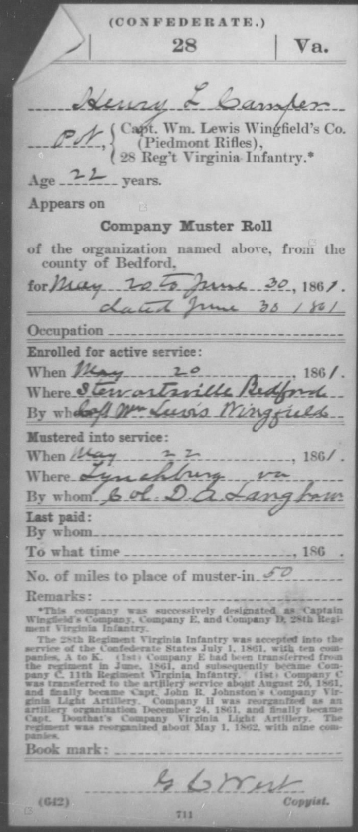
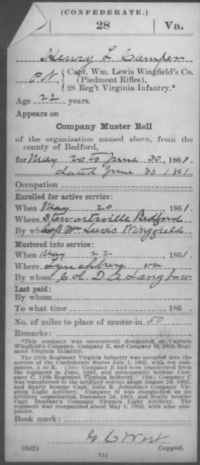
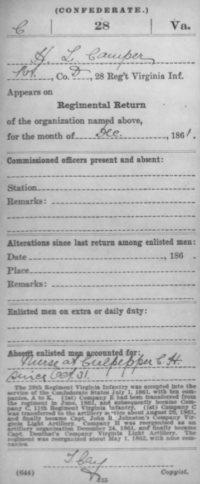
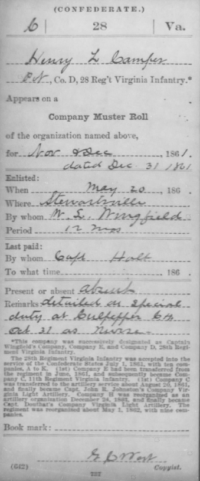
Henry Lewis Camper
Residence was not listed; 22 years old.
Enlisted on 5/20/1861 at Bedford, VA as a Priv.
On 5/20/1861, he mustered into “D” Co. Virginia 28th Infantry.
He was Surrendered on 4/9/1865 at Appomattox Court House, VA
He was listed as:
- Wounded 7/3/1863 Gettysburg, PA (On field 1/2 day, escaped)
Promotions:
- Corpl 10/31/1862
- Sergt 1/15/1864 (Estimated day)
(Living in 1928)
| Name | Henry Lewis Camper |
| Enlistment Age | 22 |
| Birth Date | abt 1839 |
| Enlistment Date | 20 May 1861 |
| Enlistment Place | Bedford, Virginia |
| Enlistment Rank | Private |
| Muster Date | 20 May 1861 |
| Muster Place | Virginia |
| Muster Company | D |
| Muster Regiment | 28th Infantry |
| Muster Regiment Type | Infantry |
| Muster Information | Enlisted |
| Rank Change Date | 31 Oct 1862 |
| Rank Change Rank | Corpl |
| Casualty Date | 3 Jul 1863 |
| Casualty Place | Gettysburg, Pennsylvania |
| Type of Casualty | Wounded |
| Casualty Information | On field 1/2 day, escaped |
| Muster Out Date | 9 Apr 1865 |
| Muster Out Place | Appomattox Court House, Virginia |
| Muster Out Information | Surrendered |
| Side of War | Confederacy |
| Survived War? | Yes |
| Additional Notes | Living in 1928 |
| Additional Notes 2 | Rank Change 2 Date: 15 Jan 1864; Rank Change 2 Rank: Sergeant; Rank Change 2 Information: Estimated day |
When Henry Lewis Camper was born on October 2, 1838, in Lisbon, Virginia, his father, James, was 26 and his mother, Elizabeth, was 25. He married Mary Virginia “Mollie” Whitten Camper on May 31, 1865, in Bedford, Virginia. They had nine children in 18 years. He died on October 8, 1925, in Lynchburg, Virginia, having lived a long life of 87 years, and was buried there.
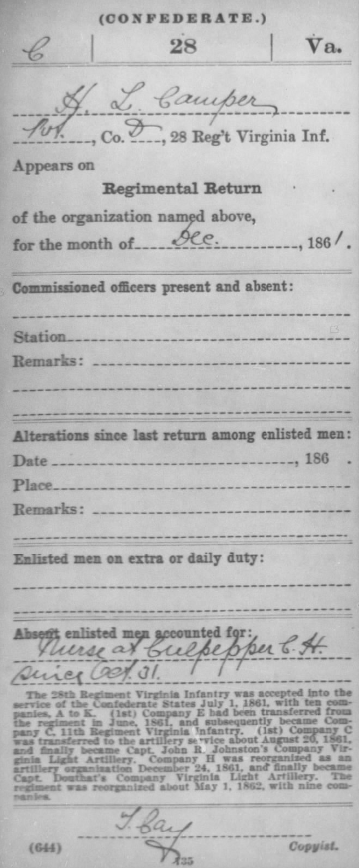
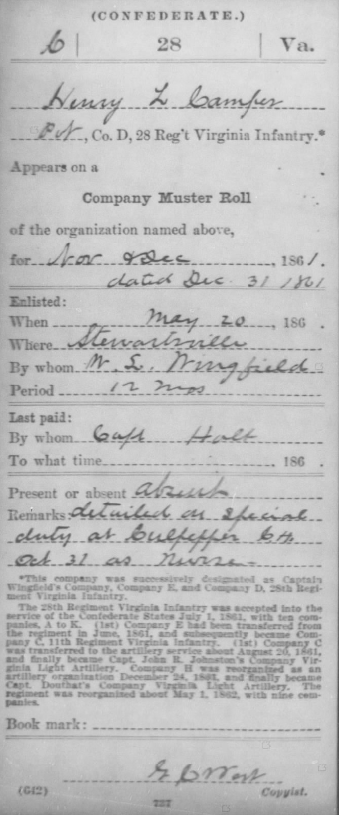
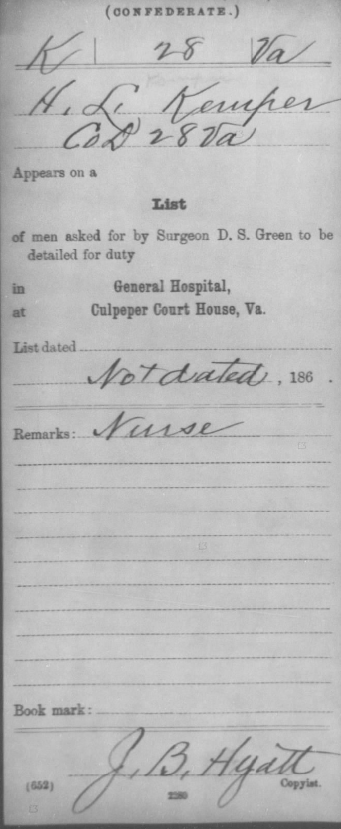
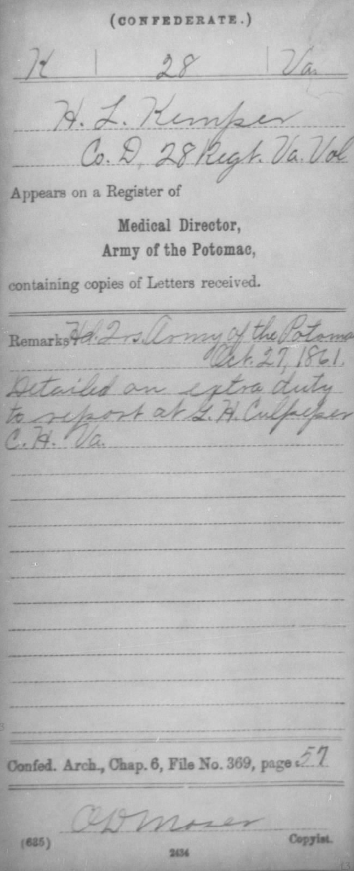
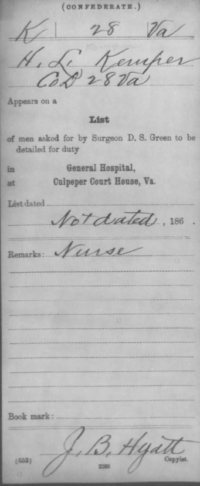
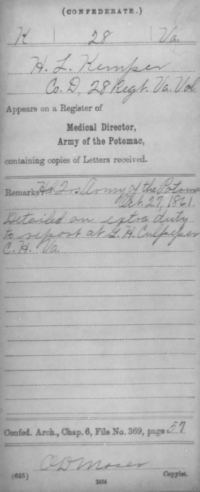
Enlisting in May 1861, Private Camper would serve as a nurse at the Culpeper General Hospital in his early days in the Confederate Army. During the ensuing course of his active duty, 3rd Corporal Henry L. Camper Co. D 28th Virginia Infantry was wounded two times during the war; at Gettysburg, on July 3, 1863, Camper was wounded and believed to be dead and was left on the field for an entire day – upon regaining consciousness, Camper crawled back to the Confederate lines around dusk on July 4; he would be admitted for treatment, on July 12, at the Charlottesville, Virginia Hospital; the following day, Camper was sent to the Lynchburg General Hospital. Surviving, Camper returned to his regiment and subsequently promoted to the rank of Sergeant, accompanying the regiment when it surrendered at Appomattox in April 1865.
Transcription of Letter Written by Sergeant Henry L. Camper on July 31, 1864
Chesterfield County va July the 31th 1864
Father &
Dear Sister
I take the preasant (sic) opportunity of answering your letter that I received a few days since I was glad to hear from you I got both of your letters at once and one from pa and one from uncl Draper. This leaves me tolerable well I have got nearly well again. There is not much news here only Old Grant blowed up one of our batteries at Petersburg day before yesterday ??????? blowed up I have not heare the particulars about it the yankeys (sic) charged our works at the same time and took some of our works but our men has recaptured them and took nine hundred prisoners and officers 1 gen. So old grant lost more than he gained again as usual. What will he try next I suppose he will try to fly over out of range of our guns. he undermined to our batteries and blowed them up. he never will take petersburg in that way. The yankeys moved a portion of their forces on the north side of the river last week. it was to make a faint to draw our forces away from petersburg & attact it all is great today. we donot fear them attacting us in our new front we are too well fixed for them we have four lines of battis in front of our works they are sharp staks ?? up in the ground & the laps of trees laid across in the limbs sharpened so that a dog could not get through they would have to stop and pull them up before they could get to us and before they could do that we would kill the hole yankey army. come into my parlor says the spider to the fly. but they will never come here. I was glad to hear that Jas Draper got home safe. I glad to hear that Wm Camper was better I hope that he will get well again I was glad that they have heard from Wm Chilton & that he was well & that he was well & faring well. you said that I must try and get home but that is a difficult matter at this time but I am a great deal better now & I think I will get well soon. I donot want to carrie home anymore untill I came to stay I never want to leave home again to return to the army. I think that the war will end this winter I think that the Yankeys will give it up ??? had a job. our men say that donot whip them this year they are a going home any how. I have no idee that the Yankeys will take Richmond or even Petersburg.
You spoke of sending me a box by express I suppose there would be no difficulty about sending it if the cars run from Lynchburg to Liberty I must soon close there is a cloud a comeing up I think that we will have some rain this evening we had a fine rain last week suppose you all had some too as it looked like a general rain. This letter will do for an answer to yours & Pas letter both you both must write soon Give my love to all so nothing more only I am ever your brother
- L. Camper
William H. Chilton (Henry Camper’s cousin – mentioned in the letter)
Residence Bedford County, VA; a 20-year-old Teacher.
Enlisted on 7/27/1861 at Big Island, VA as a 2nd Lieut.
On 7/27/1861, he was commissioned into “C” Co. Virginia 58th Infantry.
(Date and method of discharge not given.)
(No further record)
He also mustered into “C” Co. Virginia 42nd Infantry.
(Prior service as 3rd Sergt)
Born in 1841 in Virginia
(Alive in 1878)
After the war, he lived in Bedford County, VA
William H. Camper (Henry Camper’s cousin? – mentioned in the letter)
Residence was not listed.
Enlisted on 8/20/1861 at Centreville, VA as a Priv.
On 8/20/1861, he mustered into “A” Co. Virginia 28th Infantry.
(Date and method of discharge not given.)
He was listed as:
- Wounded 8/25/1864 Bermuda Hundred, VA (Shot in left foot)
- Hospitalized 8/26/1864 Richmond, VA
- On rolls 12/15/1864 (place not stated)
When Henry Lewis Camper was born on October 2, 1838, in Lisbon, Virginia, his father, James, was 26 and his mother, Elizabeth, was 25. He married Mary Virginia “Mollie” Whitten Camper on May 31, 1865, in Bedford, Virginia. They had nine children in 18 years. He died on October 8, 1925, in Lynchburg, Virginia, having lived a long life of 87 years, and was buried there.
28th Virginia Infantry Regiment
| 28th Virginia Infantry Regiment | |
| Flag of Virginia, 1861 | |
| Active | June 1861 – April 1865 |
| Disbanded | April 1865 |
| Country | Confederacy |
| Allegiance | Confederate States of America |
| Branch | Confederate States Army |
| Type | Infantry |
| Engagements | First Battle of Manassas Peninsula Campaign Seven Days’ Battles Battle of Williamsburg Battle of Seven Pines Battle of Gaines Mill Battle of Glendale Second Battle of Bull Run Battle of South Mountain Battle of Antietam Battle of Fredericksburg Siege of Suffolk Battle of Gettysburg Battle of Cold Harbor Siege of Petersburg Battle of Five Forks Battle of Sailor’s Creek Appomattox Campaign |
|
28th Virginia Infantry Color, lost at Gettysburg
|
|
The 28th Virginia Infantry Regiment was an infantry regiment raised in Virginia for service in the Confederate States Army during the American Civil War. It fought mostly with the Army of Northern Virginia. The 28th Virginia completed its organization at Lynchburg, Virginia, in June, 1861. Its members were raised in the counties of Botetourt, Craig, Bedford, Campbell, and Roanoke.
After fighting at First Manassas, the unit was assigned to General Pickett‘s, Garnett‘s, and Hunton‘s Brigade, Army of Northern Virginia.[2] It was active in the campaigns of the army from Williamsburg to Gettysburg except when it served with Longstreet at Suffolk. The 28th moved to North Carolina, then was on detached duty at Richmond. It fought at Cold Harbor, endured the battles and hardships of the Petersburg trenches, and was engaged in various conflicts around Appomattox.
The regiment totaled 600 men in April, 1862, and reported 40 casualties at Williamsburg, and 47 at Seven Pines. It lost 12 killed and 52 wounded at Second Manassas, had 8 killed and 54 wounded during the Maryland Campaign, and, of the 333 engaged at Gettysburg, half were disabled. Also at Gettysburg, the regiment’s battle flag was captured by the 1st Minnesota Infantry Regiment. Many were captured at Sayler’s Creek, but 3 officers and 51 men survived to surrender on April 9, 1865.
Battle flag
Among the losses was its regimental flag which was taken by the 1st Minnesota Regiment at Gettysburg and still resides in the Minnesota Historical Society.[4][5] Private Marshall Sherman of the First Minnesota Infantry captured the regiment’s battle flag at Gettysburg. He was subsequently awarded the Congressional Medal of Honor.
Notable veterans
The field officers were Colonels Robert C. Allen, Robert T. Preston, and William Watts; Lieutenant Colonels Samuel B. Paul and William L. Wingfield; and Majors Michael P. Spesard and Nathaniel C. Wilson. Company officers: Henry S. Trout.
Related Items
-
The American Military Saddle by Stephen Dorsey and Kenneth L. McPheeters
$350The American Military Saddle by Stephen Dorsey and Kenneth L. McPheetersJune 8, 2020 -
Civil War Id’d Bible Carried by Surgeon Franklin A. Bushey Field & Staff 3rd Pa. Infantry, Field & Staff 4th Pa. Cavalry
$575Civil War Id’d Bible Carried by Surgeon Franklin A. Bushey Field & Staff 3rd Pa. Infantry, Field & Staff 4th Pa. CavalryApril 11, 2026 -
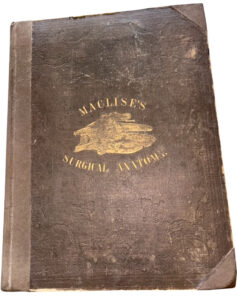
Rare Civil War Period 1st Edition Surgical Anatomy Folio Treatise – “Surgical Anatomy” by Joseph Maclise Published in 1855
$550Rare Civil War Period 1st Edition Surgical Anatomy Folio Treatise – “Surgical Anatomy” by Joseph Maclise Published in 1855April 13, 2026 -
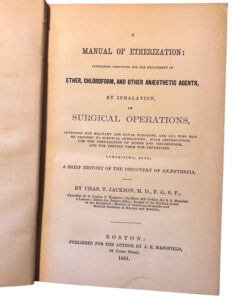
Rare 1st Edition Civil War Medical Book Entitled: A Manual of Etherization : Containing Directions for the Employment of Ether, Chloroform, and Other Anæsthetic Agents, by Inhalation, in Surgical Operations; with Instructions for the Preparation of Ether and Chloroform, and for Testing Them for Impurities. Comprising, also, a Brief History of the Discovery of Anæsthesia – By Charles T. Jackson
$850Rare 1st Edition Civil War Medical Book Entitled: A Manual of Etherization : Containing Directions for the Employment of Ether, Chloroform, and Other Anæsthetic Agents, by Inhalation, in Surgical Operations; with Instructions for the Preparation of Ether and Chloroform, and for Testing Them for Impurities. Comprising, also, a Brief History of the Discovery of Anæsthesia – By Charles T. JacksonJanuary 24, 2026