
Id’d Civil War Artillery Saddle Valise – Ernest Bingham 20th New York Light ArtilleryDecember 17, 2025

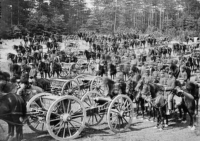
Id’d Civil War Artillery Saddle Valise – Ernest Bingham 20th New York Light Artillery
$1,400
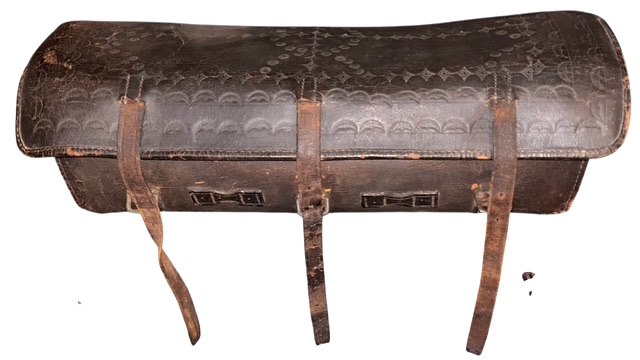
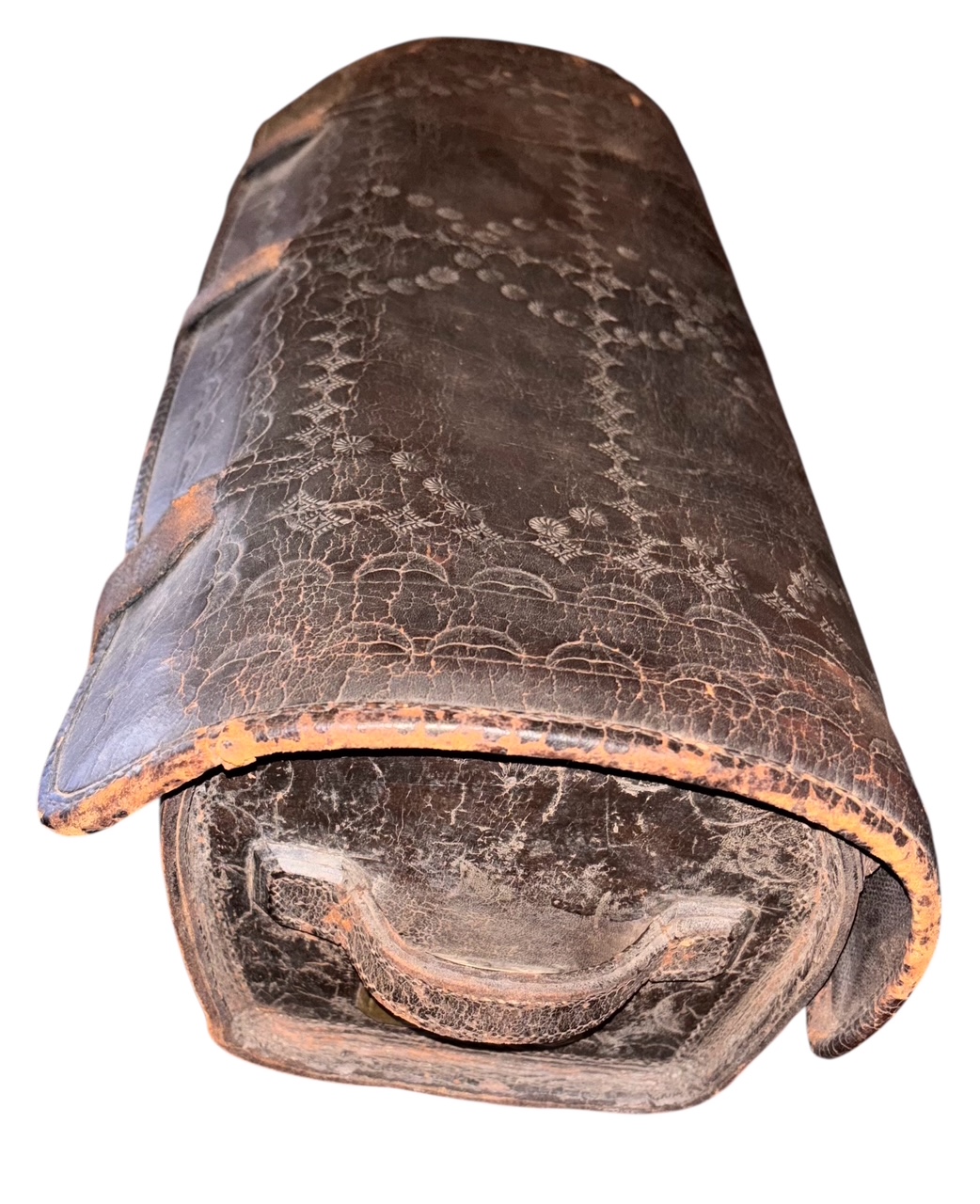
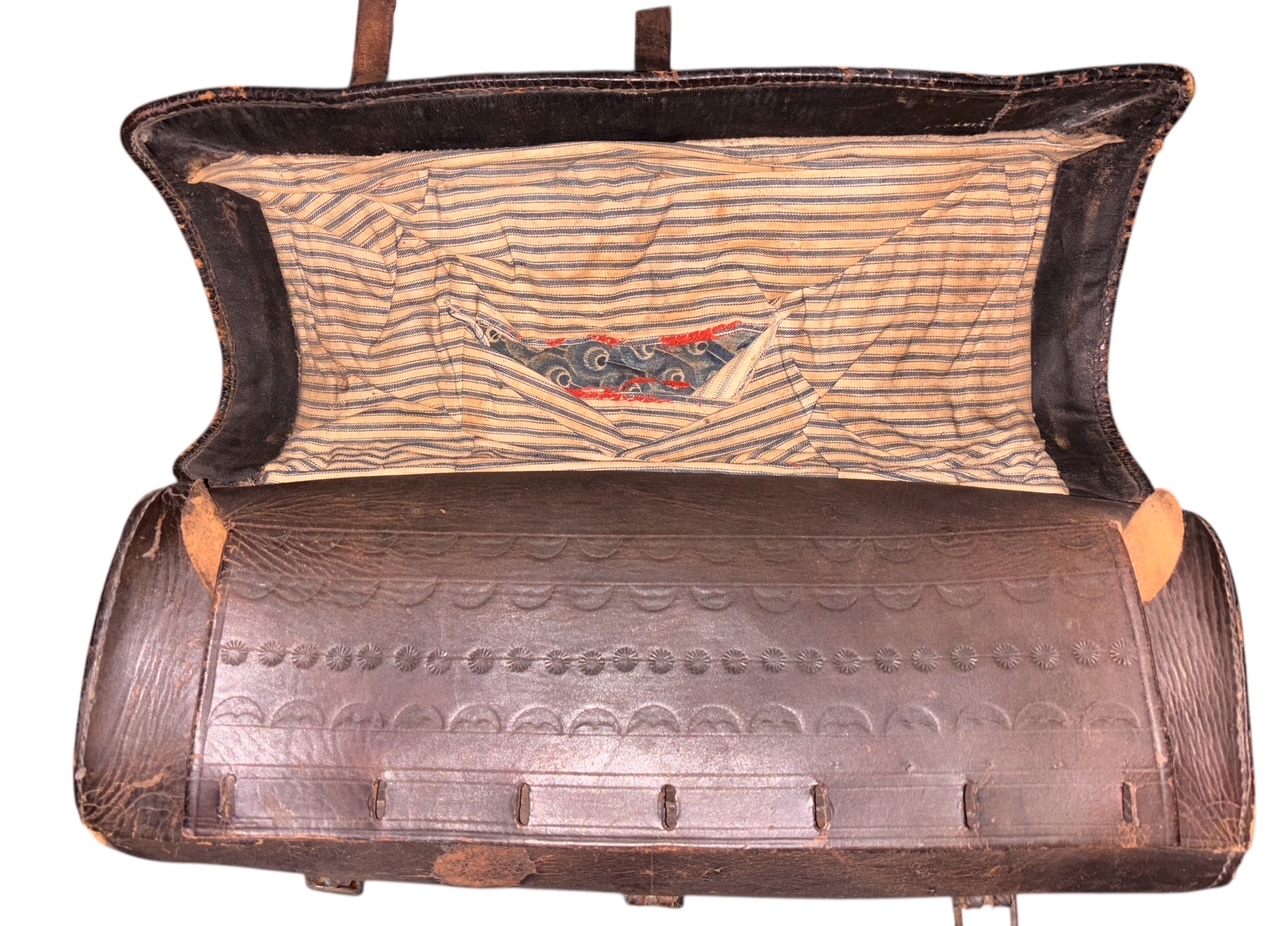
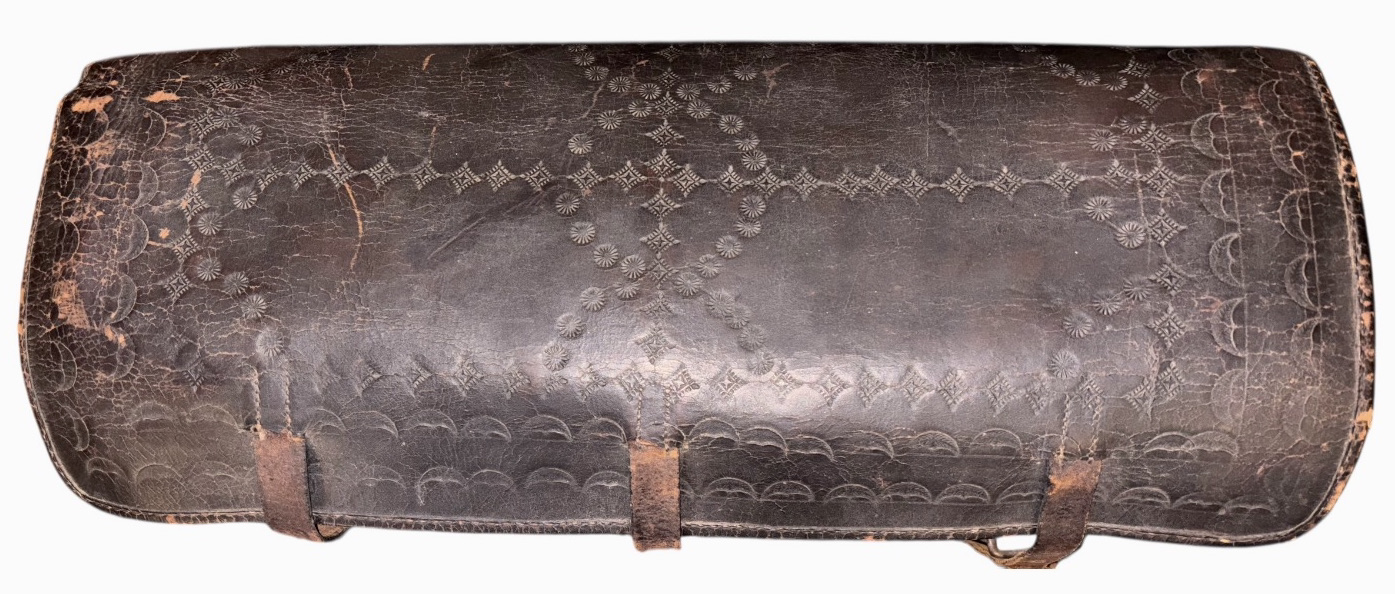
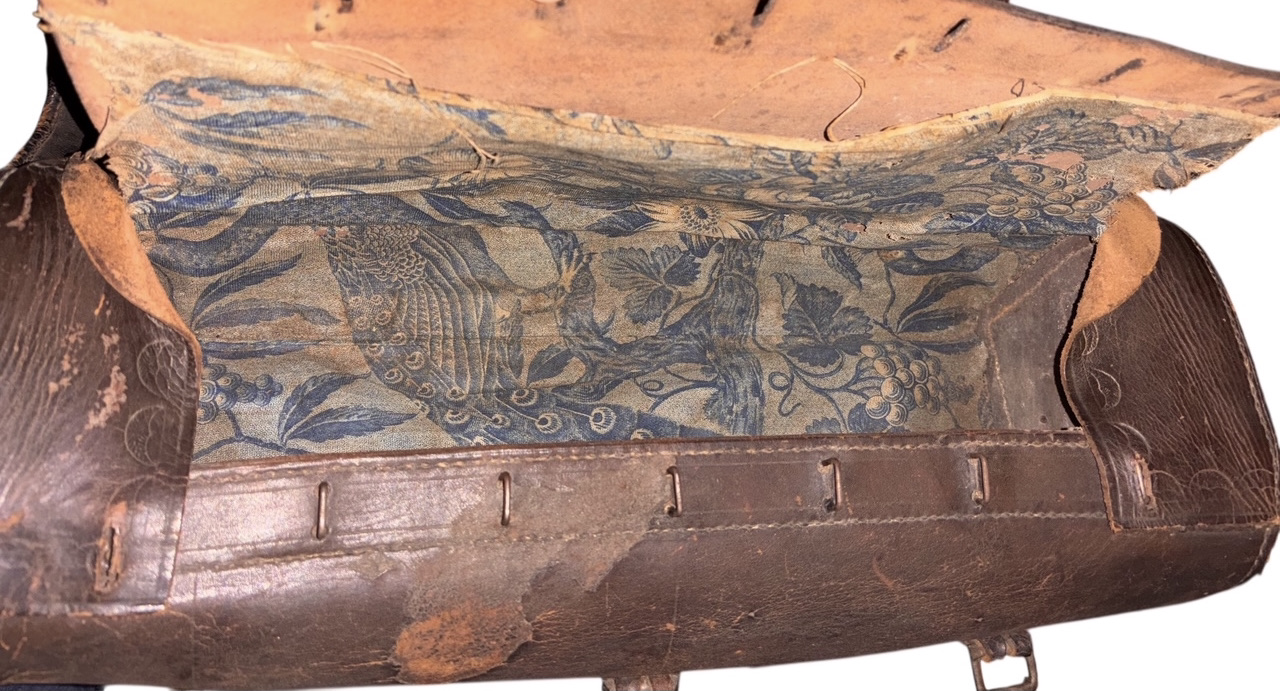
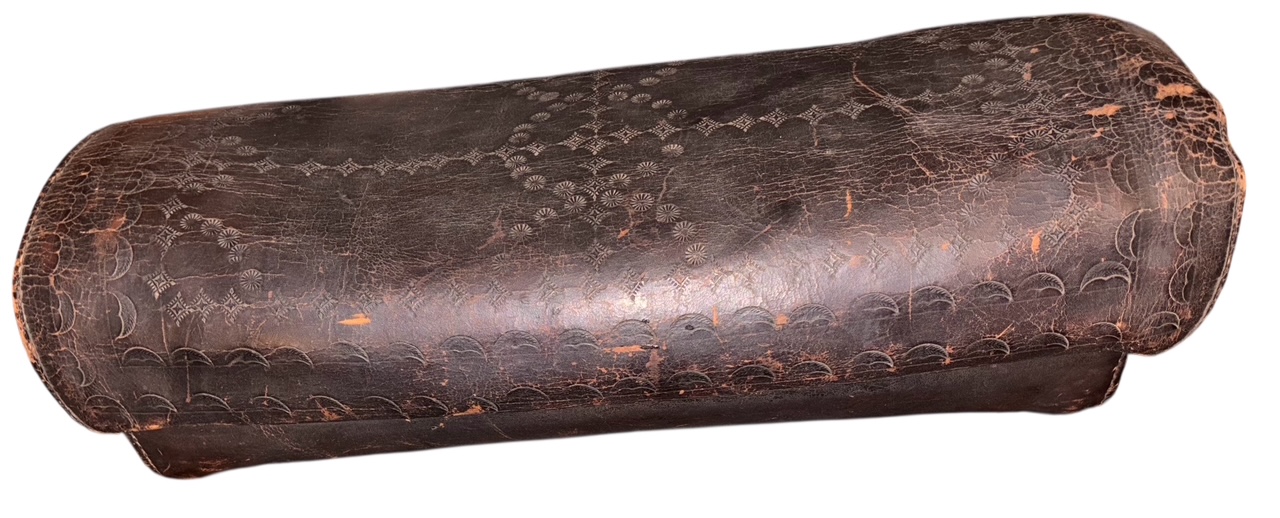
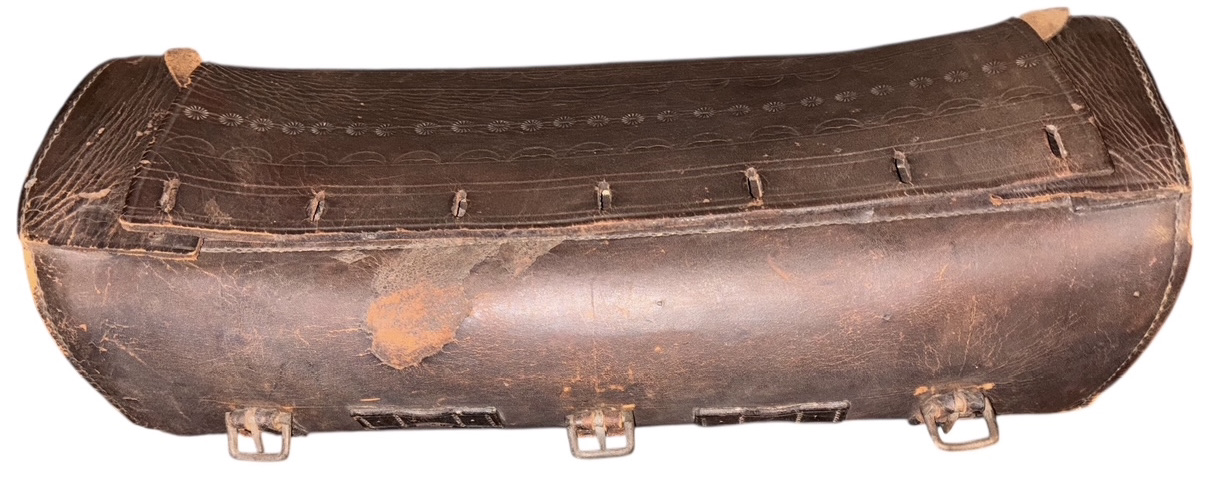
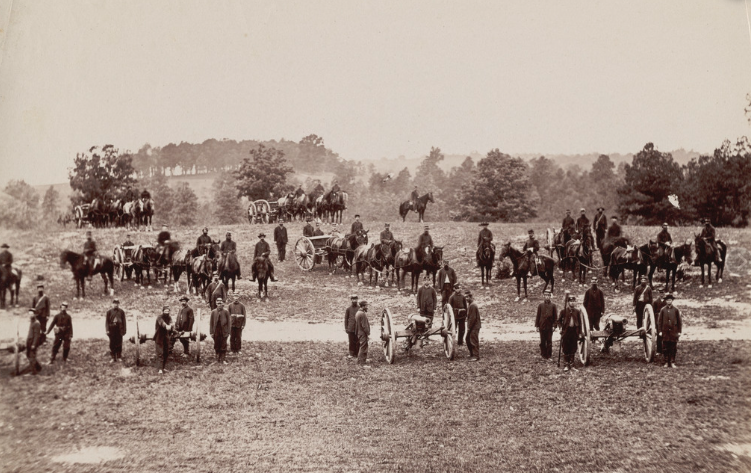
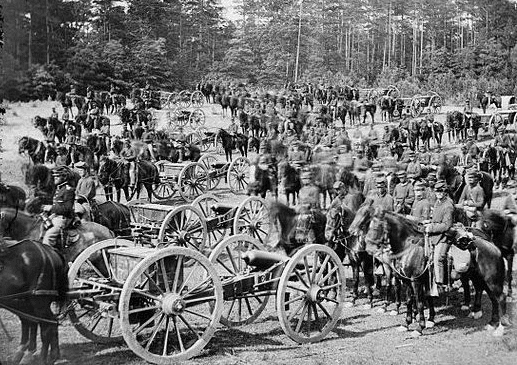
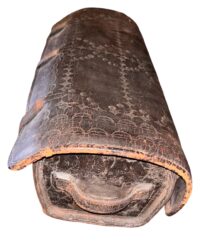
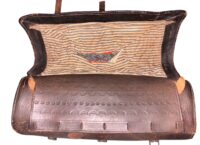
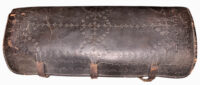
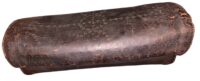
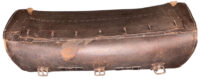
Id’d Civil War Artillery Saddle Valise – Ernest Bingham 20th New York Light Artillery – This fine saddle valise is almost identical to the rarely found, U.S. issued, Civil War artillery saddle valise. These valises were attached to the Grimsley, artillery valise saddle, which was mounted on the so-called “off-horse” in a six-horse, light artillery gun battery. The valise provided a storage compartment for the mounted, light artilleryman’s gunner’s tools and personal items; very few of these valises survive today. Federal issue, Civil War period, artillery valises were always “D-shaped”, with carrying handles at each end; they have a heavy cover flap, beneath which is an interior flap, closed via multiple, footed iron staples, affixed to the body of the valise, which slipped through slots in this inner flap. Issue artillery valises have at least one pillow ticking lined, implement compartment. There were straps and japanned, roller buckles to keep the outer valise flap closed. Iron footed staples fitted through slots in the heavy leather covering of the main implement pouch.
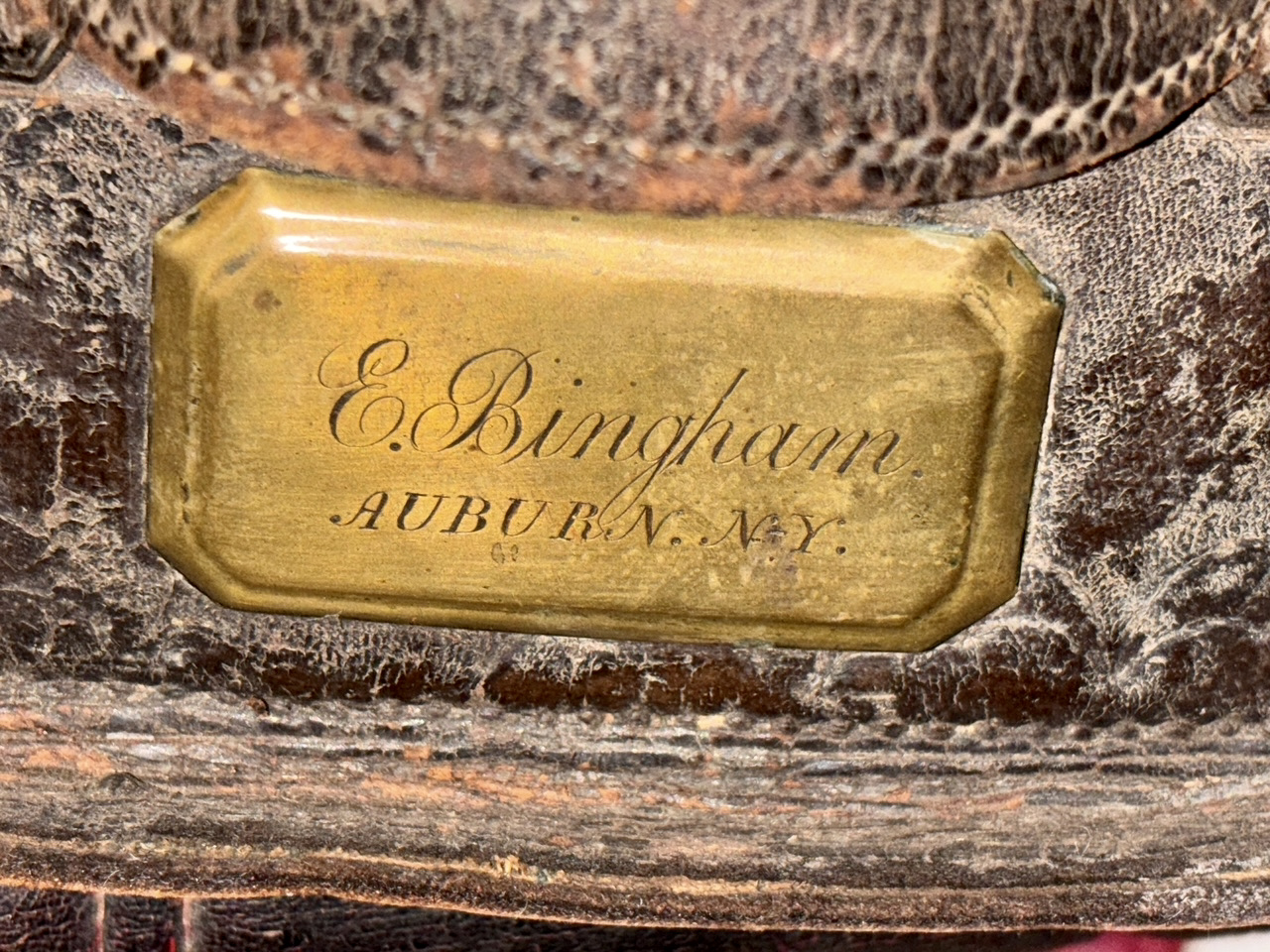
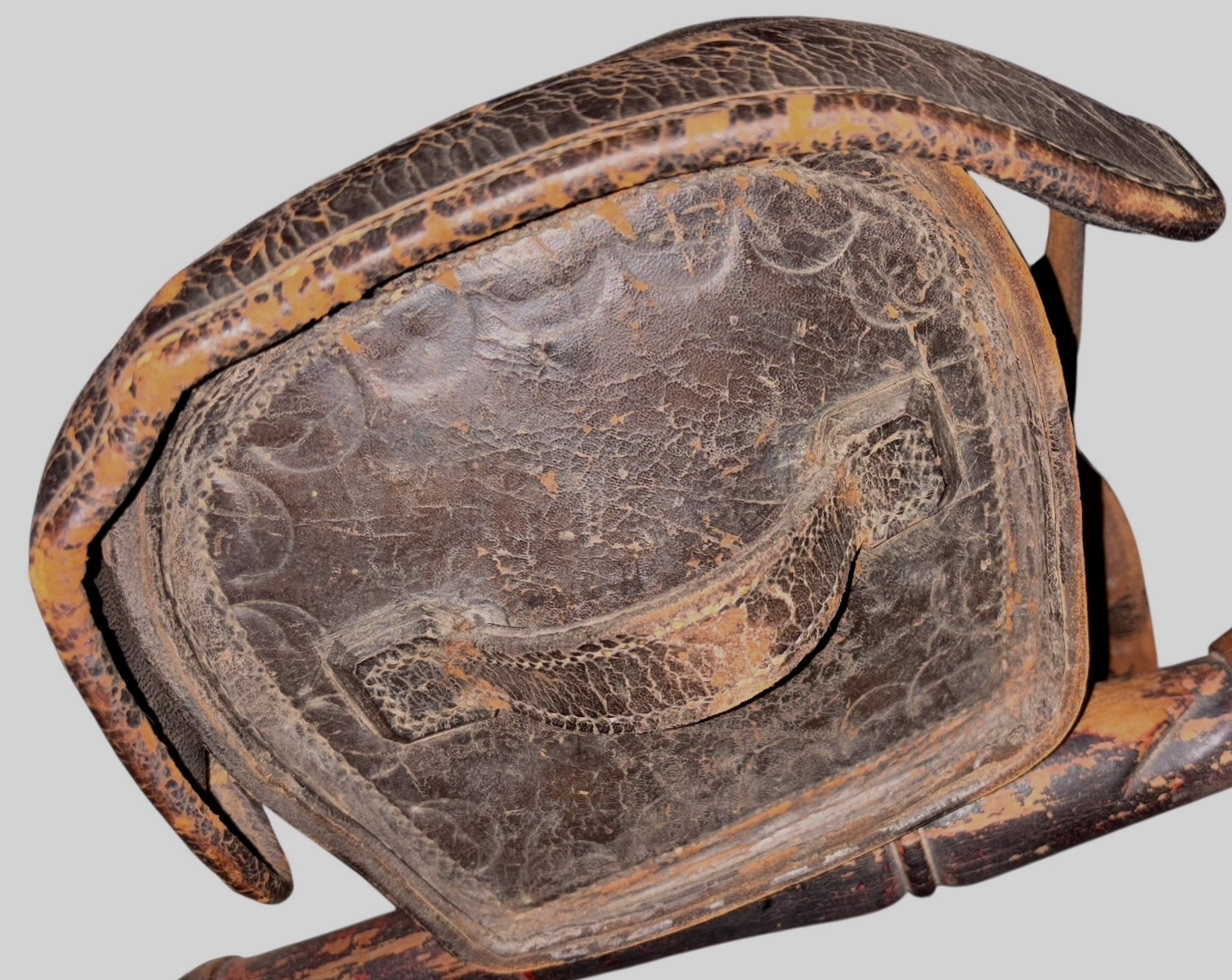
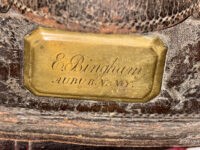
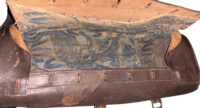
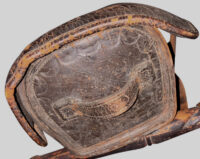
This valise, a state of New York issue, matches the above-described characteristics inherent in U.S. issue, Civil War Light Artillery saddle valises. The interior fabric lining the large main outer flap of the valise is a fine blue and white striped, cotton, pillow or bed ticking that remains in excellent condition, with a minor tear in the middle. The interior of the main implement pouch is lined in a floral motif, cotton colored blue and off white. The only significant difference between this valise and an issue valise is that this valise has some well-executed, impressed decorative elements on the outer cover, end caps and inner body and flap. Attached to one end cap of the valise is a high quality, heavy brass, raised rectangular escutcheon, on which is engraved the following:
“E. Bingham
AUBURN, NY”
All straps, roller buckles, as well as both end handles, are in place and remain in strong condition.
Measurements: L – 21.25”; W – 9”; Depth – 6.75”
The ID engraved on the escutcheon represents Private Ernest K. Bingham, who, at the age of 18, enlisted at Rochester, NY (almost 60 miles from Aurora), on September 26, 1864, in the 20th New York Light Artillery. He was subsequently mustered out of the service on July 31, 1865. The 20th NY Light Artillery saw little service, perhaps explaining the fine condition of this rare valise.
A Civil War artillery saddle valise was a leather storage device, D-shaped and carried by artillery drivers and some officers on the “off-wheel horse” (right-side horse) for personal gear, clothing, and tools designed to be attached to a specialized valise saddle.
Key Characteristics:
- Purpose: To carry personal items, clothing, and other soldier’s necessities, supplementing or replacing saddlebags.
- Placement: Typically strapped to the seat of a specialized “valise saddle” on the right-side (off-wheel) horse of a cannon team.
- Construction:
- Material: Russet or black leather, sometimes painted cloth, often with wooden ends for shape.
- Lining: Often lined with patterned fabric like blue and white pillow ticking or tapestry-like cloth.
- Features: A large flap closure with straps and buckles, carrying handles, and sometimes distinctive brass shields.
Civil War period, Grimsley valise saddles were diminutive in size and carried by the riderless, off-horses for use by the artillery drivers astride the “on-horses”, directly beside the “off horses”; the six horse teams pulled a batterie’s cannon and limber chest. The valise would be strapped down on the seat of the valise saddle’s four, footed loops on the side bars of the valise saddle.
Ernest K. Bingham
Residence was not listed; 18 years old.
Enlisted on 9/26/1864 at Rochester, NY as a Priv.
On 9/26/1864, he mustered into New York 20th Light Artillery.
He was Mustered Out on 7/31/1865 at New York, NY
| Name: | Ernest K Bingham |
| Muster Age: | 18 |
| Birth Year: | 1846 |
| Enlistment Date: | 1864 |
| Enlistment Location: | Rochester, New York, USA |
| Muster Date: | 1864 |
| Muster Regiment: | 20th Independent Battery Light Artillery |
| Separation Date: | 31 Jul 1865 |
| Separation Details: | Mustered Out |
| Name: | Ernest K Bingham |
| Enlistment Age: | 18 |
| Birth Date: | 1846 |
| Enlistment Date: | 26 Sep 1864 |
| Enlistment Place: | Rochester, New York |
| Enlistment Rank: | Private |
| Muster Date: | 26 Sep 1864 |
| Muster Place: | New York |
| Muster Regiment: | 20th LA |
| Muster Regiment Type: | Artillery |
| Muster Information: | Enlisted |
| Muster Out Date: | 31 Jul 1865 |
| Muster Out Place: | New York, New York |
| Muster Out Information: | Mustered Out |
| Side of War: | Union |
From the roster of the 20th NY Light Artillery:
BINGHAM, ERNEST K. – Age 18 years. Enlisted September 26, 1864, at Rochester; mustered in as private, September 26, 1864, to serve one year; mustered out with battery, July 31, 1865, at New York City.
20th Independent Battery Light Artillery
Nickname: Anthon’s Battalion
Mustered in: September to December, 1862.
Mustered out: July 31, 1865.
The following is taken from New York in the War of the Rebellion, 20th ed. Frederick Phisterer. Albany: J. B. Lyon Company, 1912.
November 26, 1862, the organizations (incomplete) recruiting for the Anthon Battalion of Artillery were consolidated into two batteries, and one of them designated this, the 20th, Battery. It was organized at New York city and mustered in the service of the United States for three years from September to December, 1862 at New York city, Governor’s island and Fort Schuyler. The men were recruited in New York city, Brooklyn, Hounds-field, Orange and Watertown. In February, 1863, thirty-six of the enlisted men were transferred to the I2th Battery, and July 31, 1865, it was honorably discharged and mustered out at New York city. The battery, commanded by Capt. B. Franklin Ryer, served at Fort Schuyler, New York harbor, Department of the East, from January, 1863; and at Fort Columbus, New York harbor, from July, 1864. It lost by death of disease and other causes, six enlisted men; and one section took part in the quelling of the New York City Riot, July 13-16, 1863.
The following is taken from The Union army: a history of military affairs in the loyal states, 1861-65 — records of the regiments in the Union army — cyclopedia of battles — memoirs of commanders and soldiers, Volume II: New York, Maryland, West Virginia and Ohio. Madison, WI: Federal Pub. Co., 1908.
Twentieth Independent Battery.—The 20th battery was originally recruited in the counties of New York and Kings as one of the batteries of Anthon’s battalion of artillery. It was organized at New York city and there mustered into the U. S. service for three years, Dec. 27, 1862. It was commanded by Capt. Gilbert S. Coddington until Aug. 31, 1863, when he resigned and was succeeded by Capt. B. Franklin Ryer. Its term of service was spent in garrison duty at Forts Schuyler and Columbus, New York harbor, and it was mustered out at New York city, July 31, 1865, having sustained a loss of 6 men by disease during its term of service. A section of the battery assisted in quelling the New York draft riots in July, 1863.
28th Independent Battery, New York Light Artillery
Overview:
Organized at Fort Schuyler, N. Y., and mustered in December 27, 1862. Assigned to duty as garrison at Fort Schuyler, New York Harbor, and at Sandy Hook, N. Y., Dept. of the East, till July, 1865. Mustered out July 31, 1865.
Battery lost during service 8 Enlisted men by disease.
Predecessor unit:
NEW YORK VOLUNTEERS
ANTHON’S BATTALION LIGHT ARTILLERY.
Organization not completed. The several Companies serving at Fort Columbus, New York Harbor, consolidated to two and designated the 20th and 28th New York Independent Batteries Light Artillery November 20, 1862.
Related Items
-
Original Civil War Regulation Eagle Drum
Original Civil War Regulation Eagle DrumSeptember 27, 2025 -
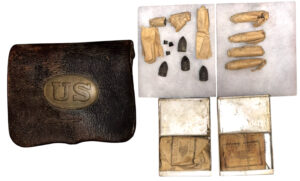
Civil War Pattern 1861 Cartridge Box Containing Unopened Pack of St. Louis Arsenal Cartridges and a Partially Opened Pack of St. Louis Arsenal Cartridges
Civil War Pattern 1861 Cartridge Box Containing Unopened Pack of St. Louis Arsenal Cartridges and a Partially Opened Pack of St. Louis Arsenal CartridgesAugust 2, 2025 -
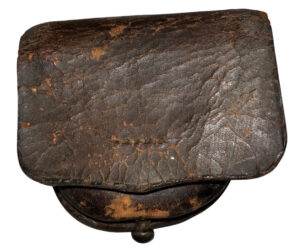
Confederate Cap Box with Lead Finial and Soldier’s Name Scratched Inside the Cover Flap
$850Confederate Cap Box with Lead Finial and Soldier’s Name Scratched Inside the Cover FlapSeptember 8, 2025 -
Confederate Navy Cuff Button
Confederate Navy Cuff ButtonSeptember 11, 2025