
US Model 1816 Flintlock .69 Cal. Musket Converted to the Maynard Tape Primer System by Remington in 1858December 26, 2025


 Doubly Id’d M1858 ...$4,950
US Model 1816 Flintlock .69 Cal. Musket Converted to the Maynard Tape Primer System by Remington in 1858
$1,750
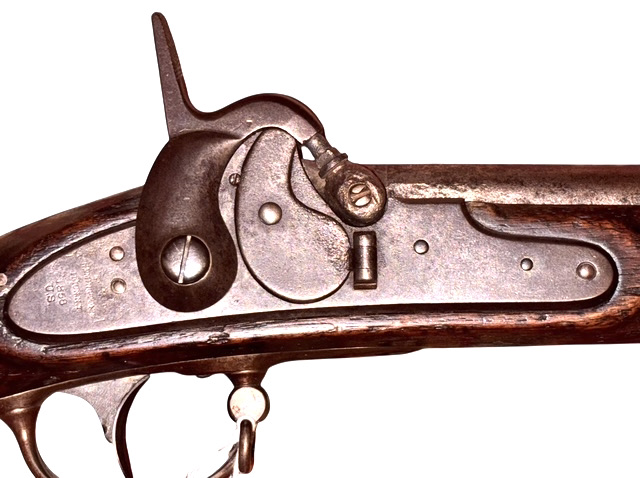
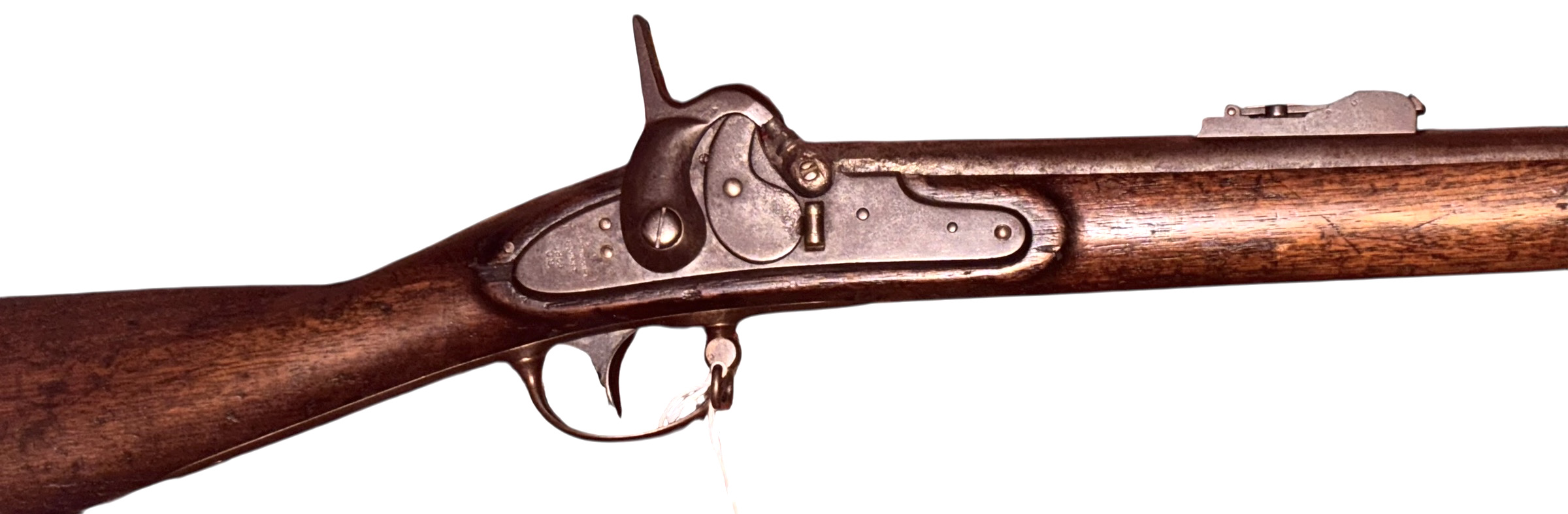
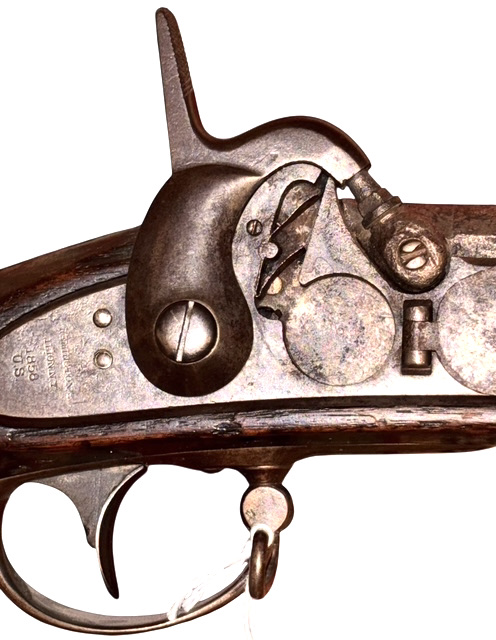
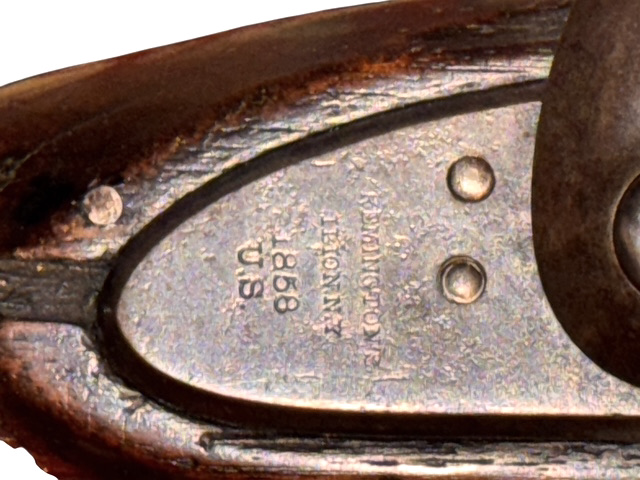
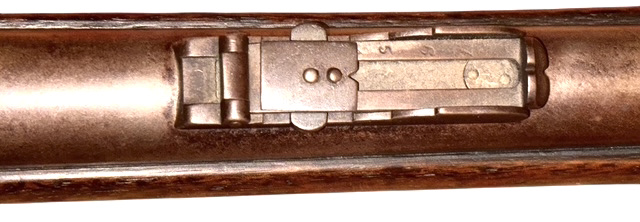
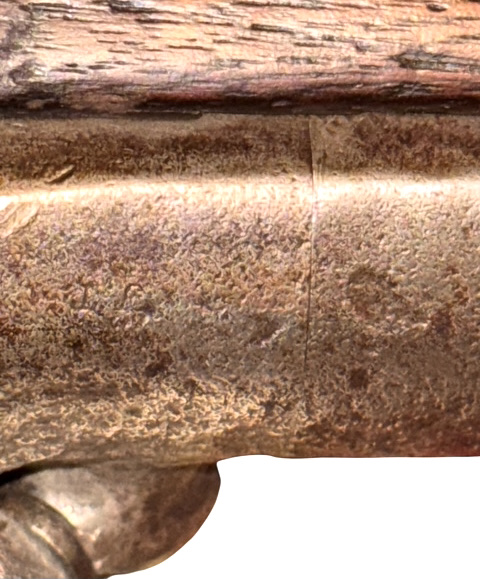
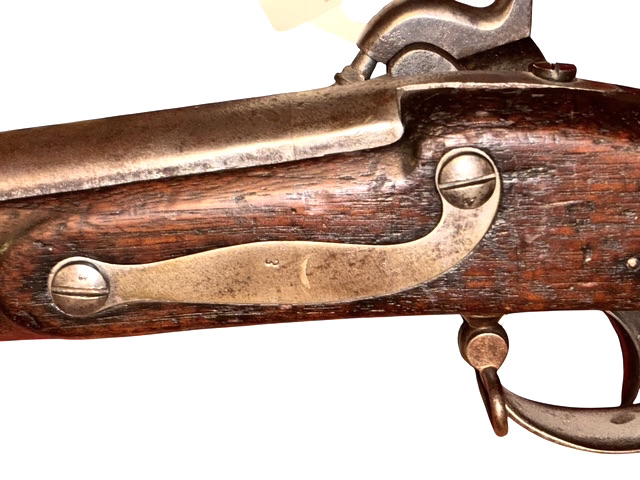
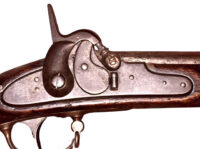
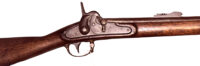
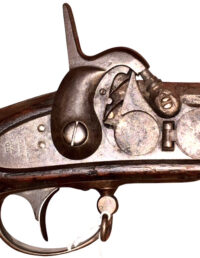
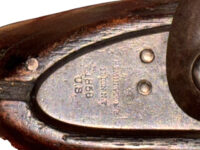
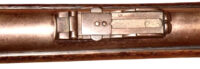
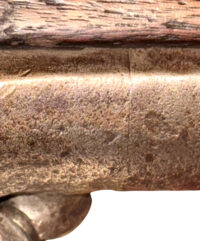
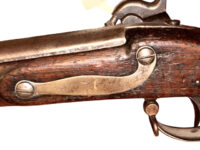
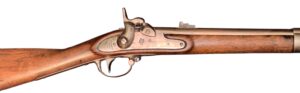
US Model 1816 Flintlock .69 Cal. Musket Converted to the Maynard Tape Primer System by Remington in 1858 – Initially manufactured as a flintlock, the U.S. Model 1816 was a .69 cal. smoothbore musket, made from 1816 through 1844. Between 1856 and 1859, many of these flintlocks were converted to percussion at the Frankford Arsenal by Remington Arms; the breech area of the original flintlock iteration was severed from the barrel, and a new breech with a percussion type bolster, nipple and cleanout screw was inserted (this type of bolster would be subsequently used with the M1861 rifled musket) -the cut line on this example’s breech is evidence of the utilization of this process; additionally, an entire new lock plate was added using the new, Maynard tape priming system which had been developed, in parallel, with the U.S. Model 1855 rifle. On these M1816 conversions, a long-range sight, comparable to the Model 1855, was installed. Many of these converted guns were rifled, although many, as this gun, remained .69 cal. smoothbores. The lock of this gun is stamped behind the hammer as follows:
“REMINGTON’S
ILION NY
1858
US”
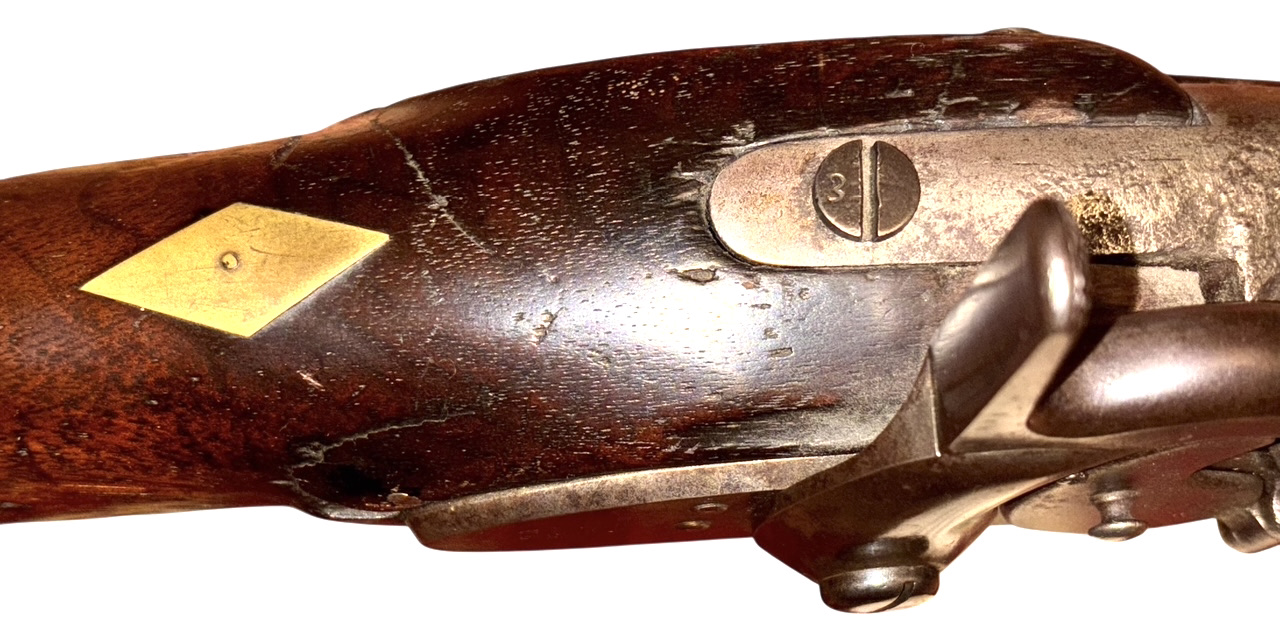
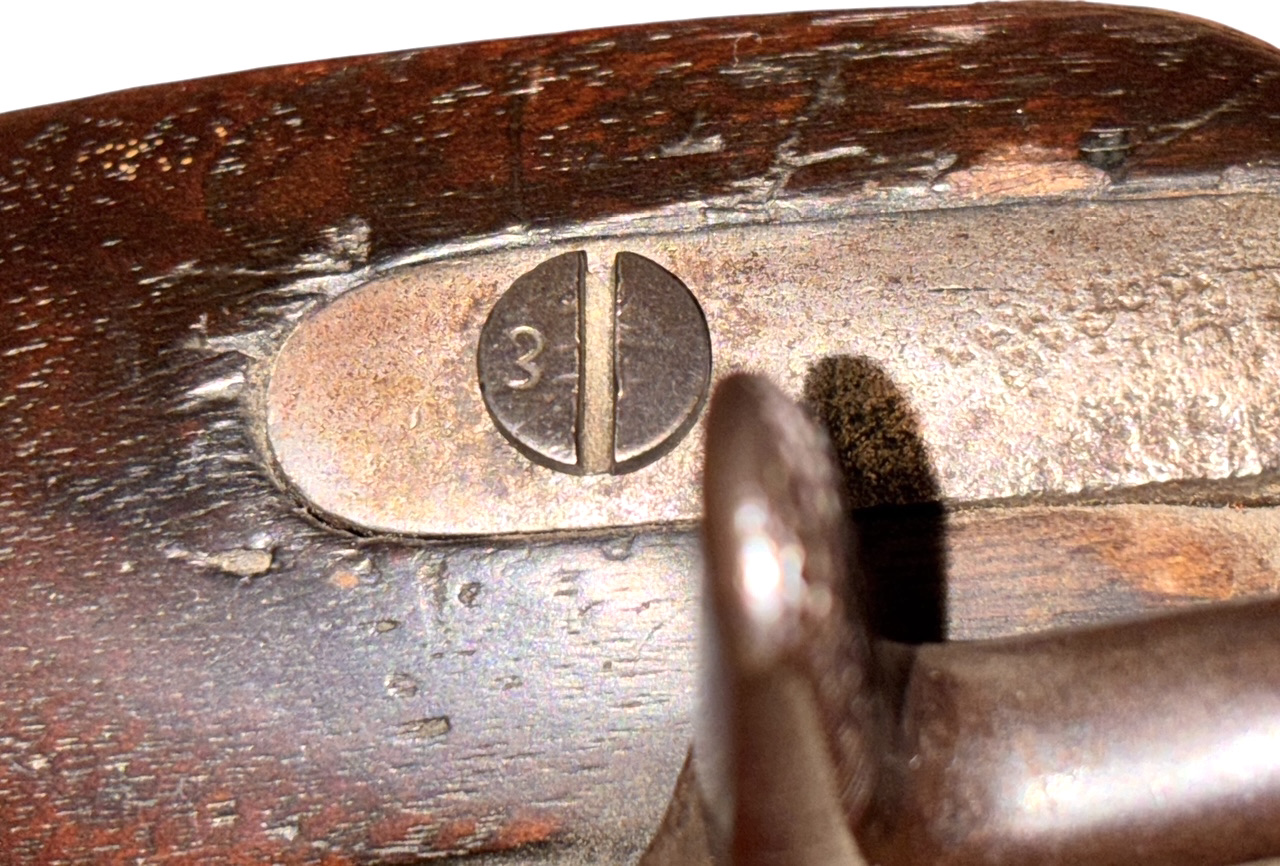
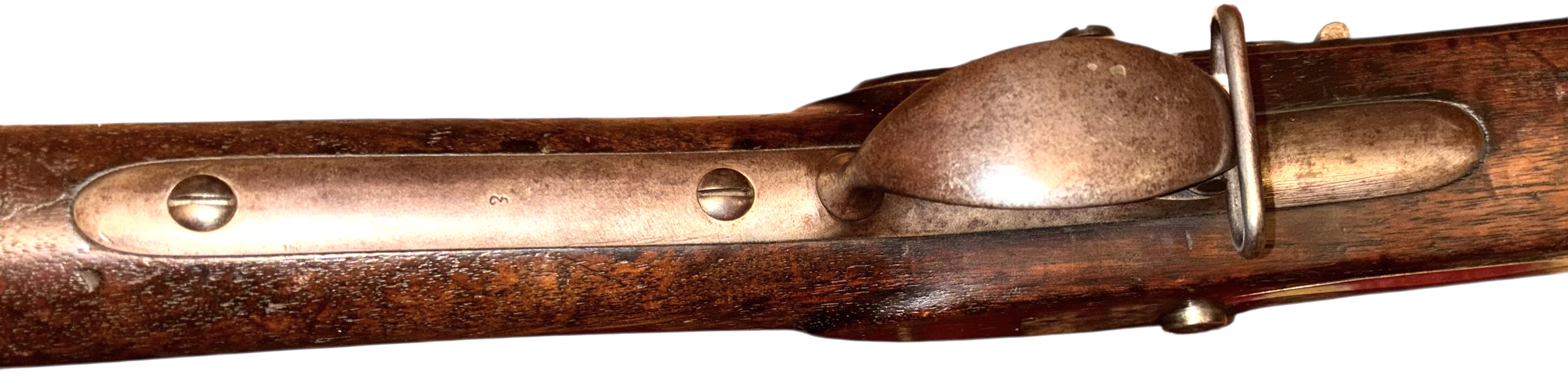
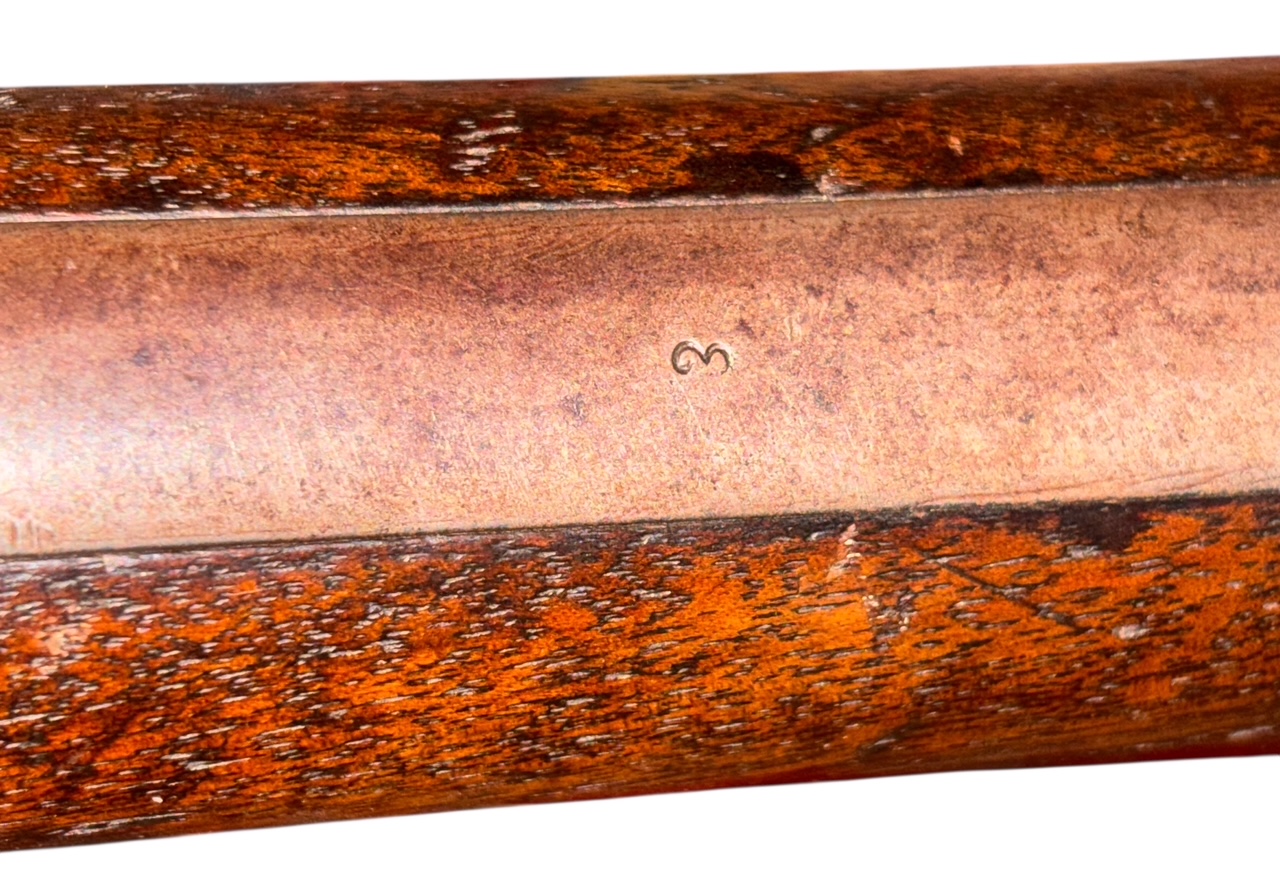
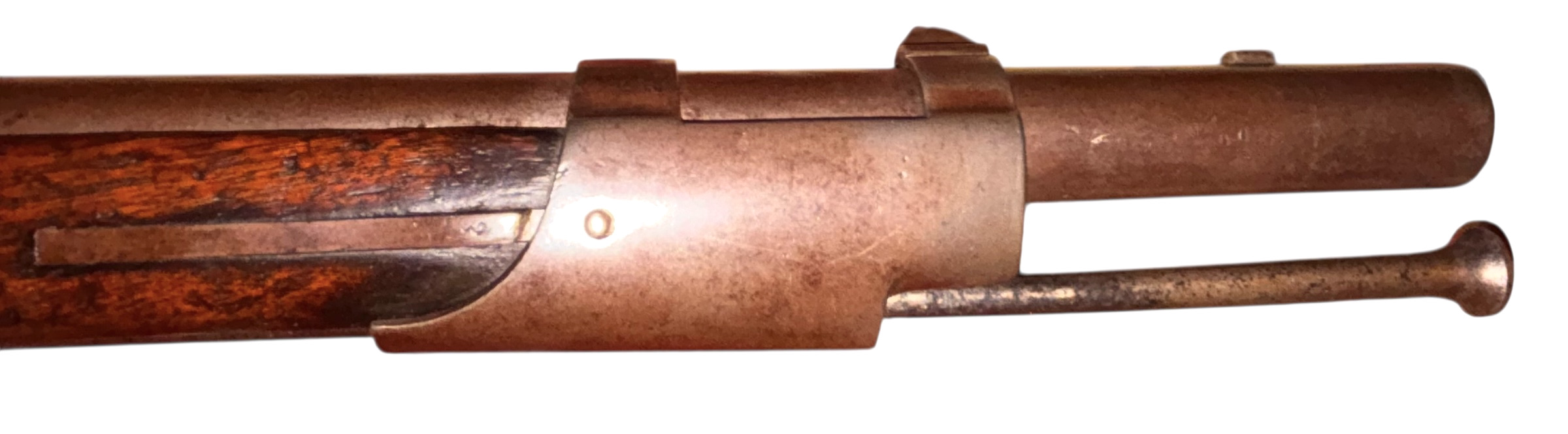
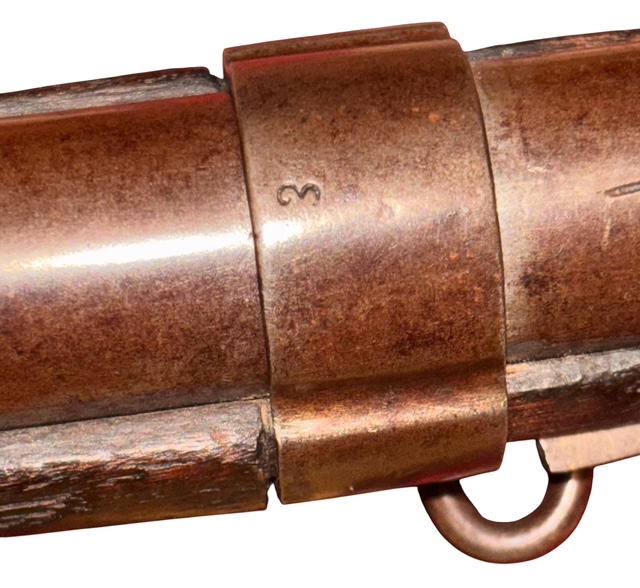
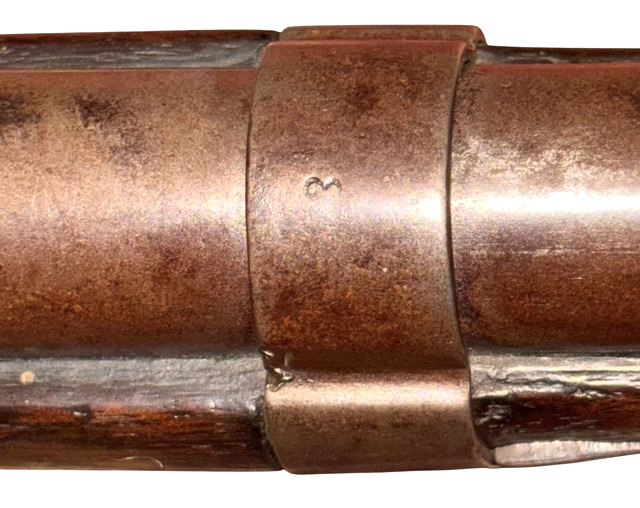
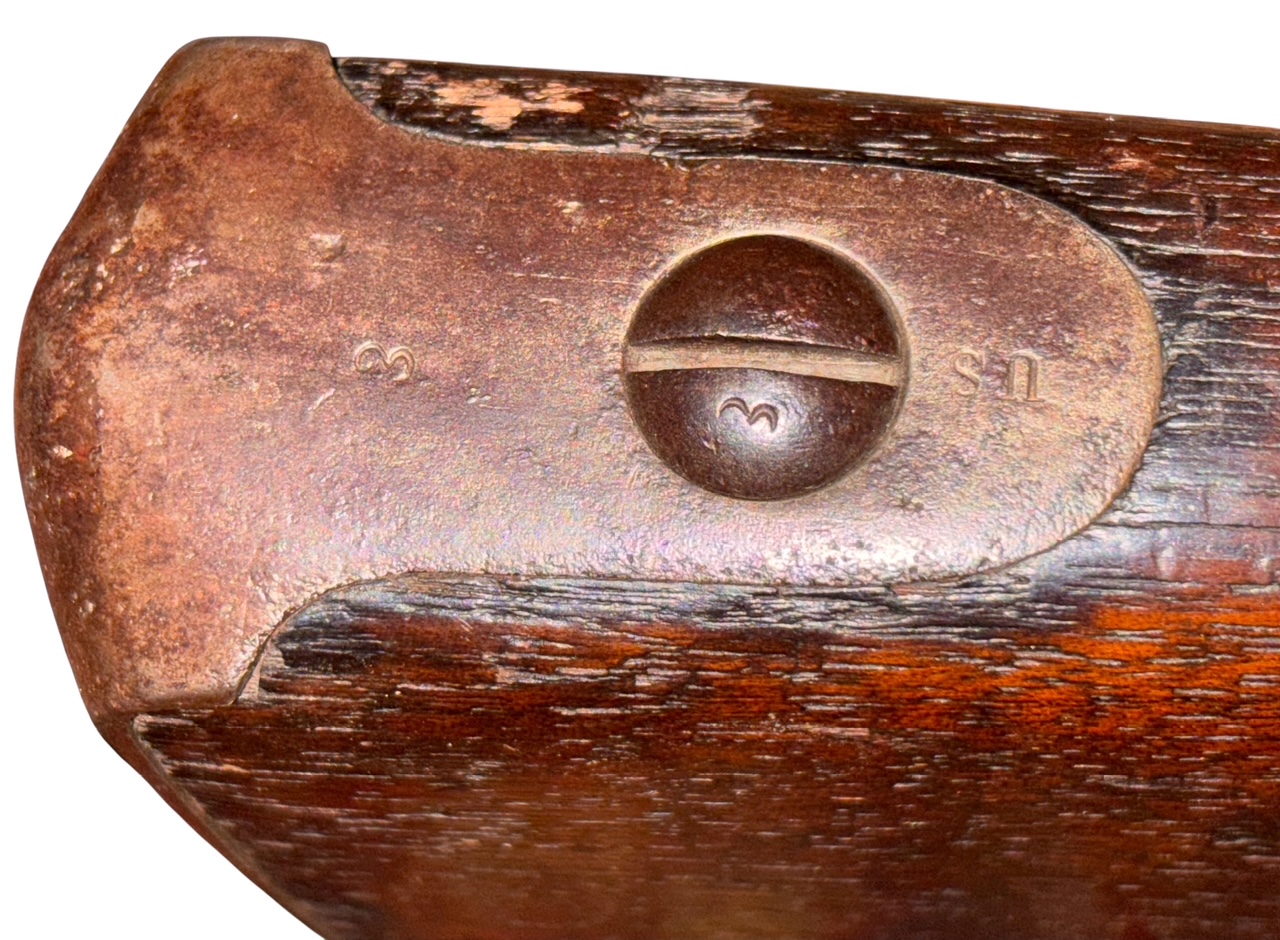
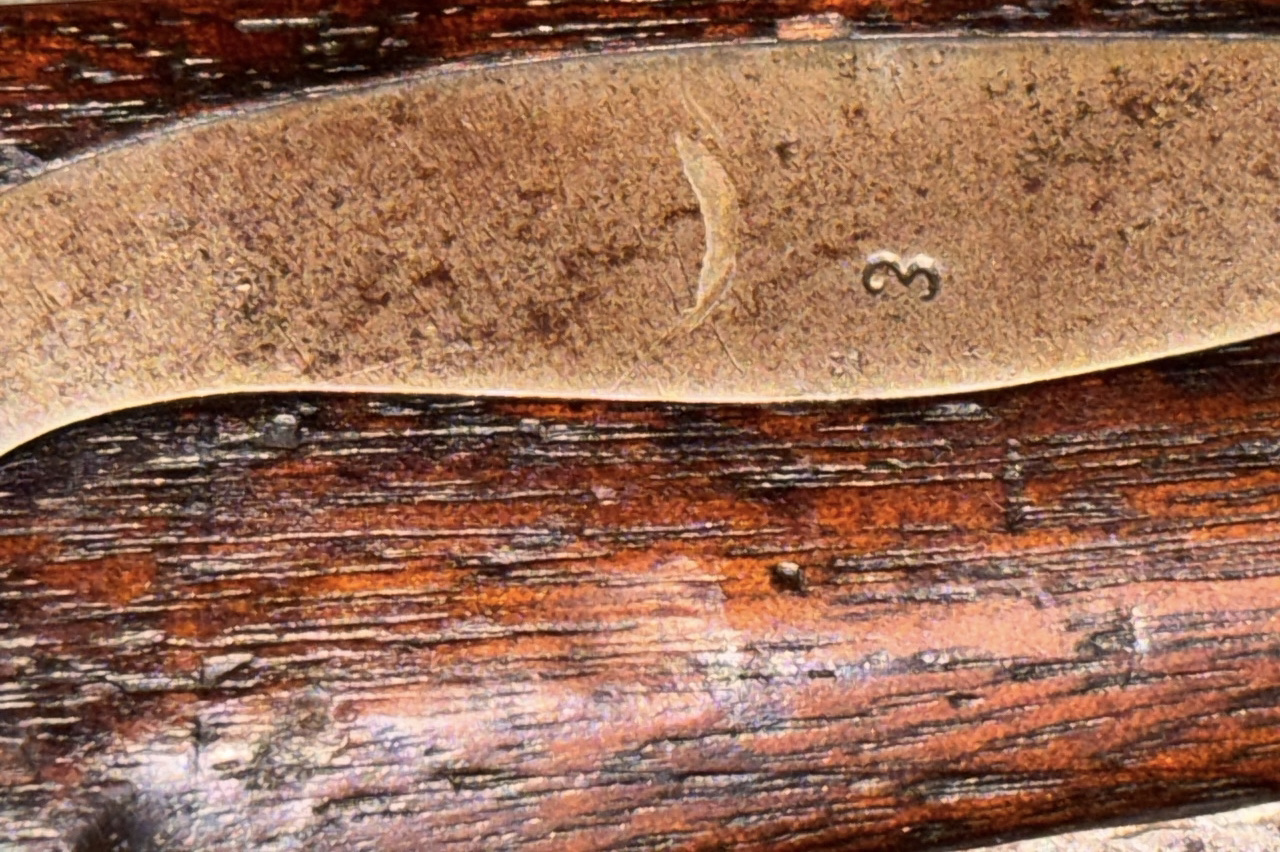
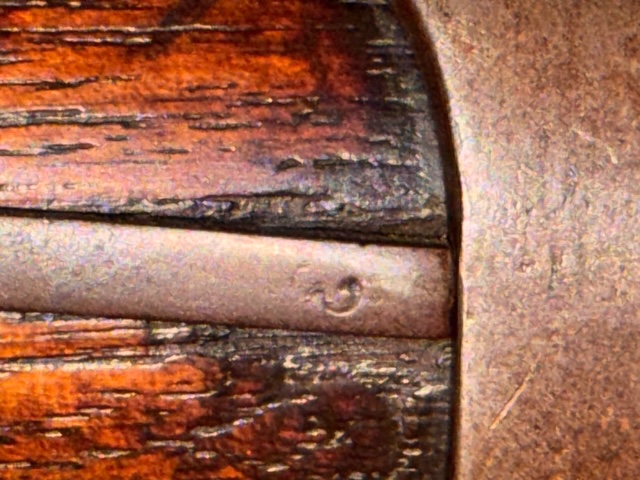
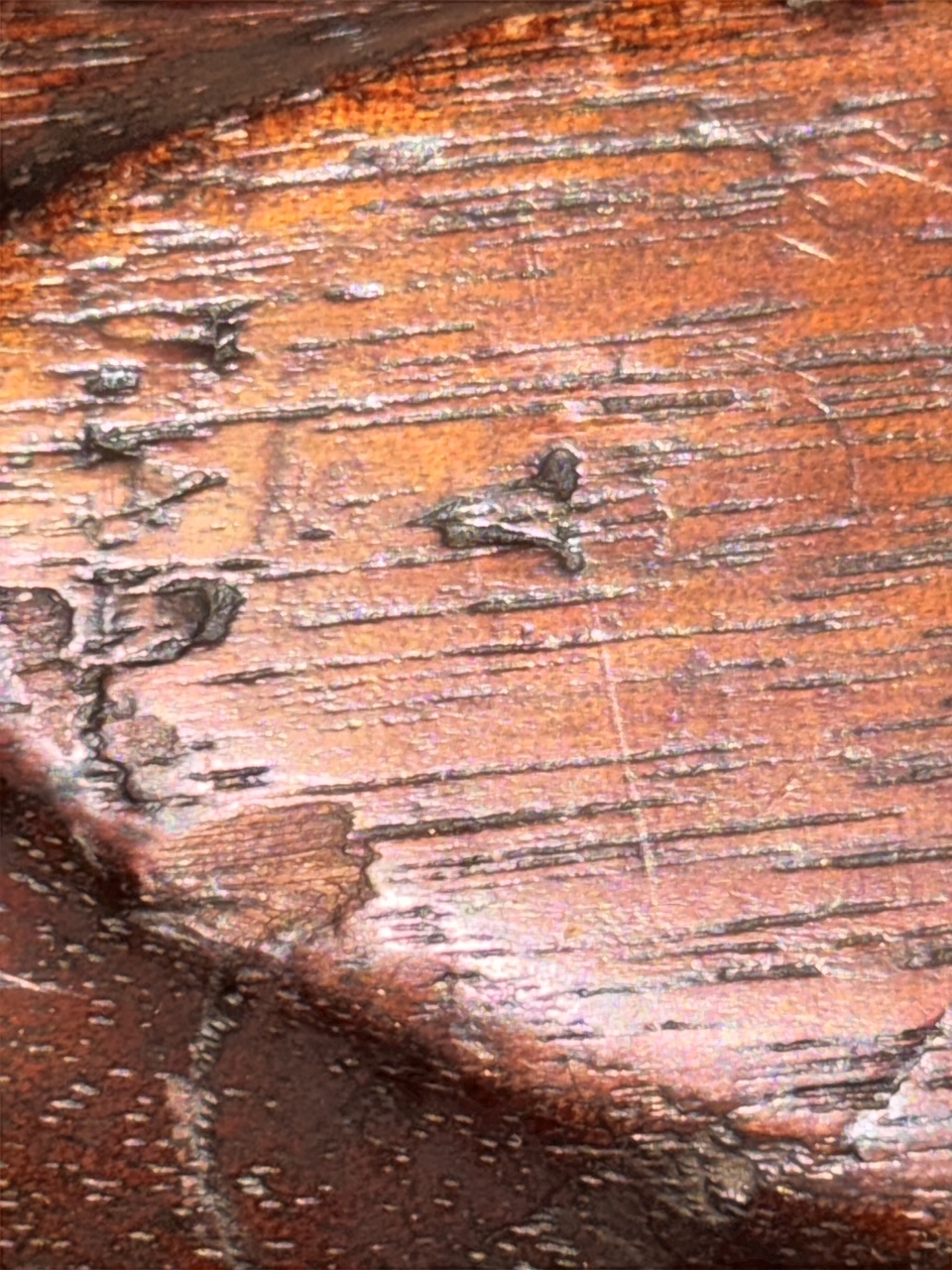
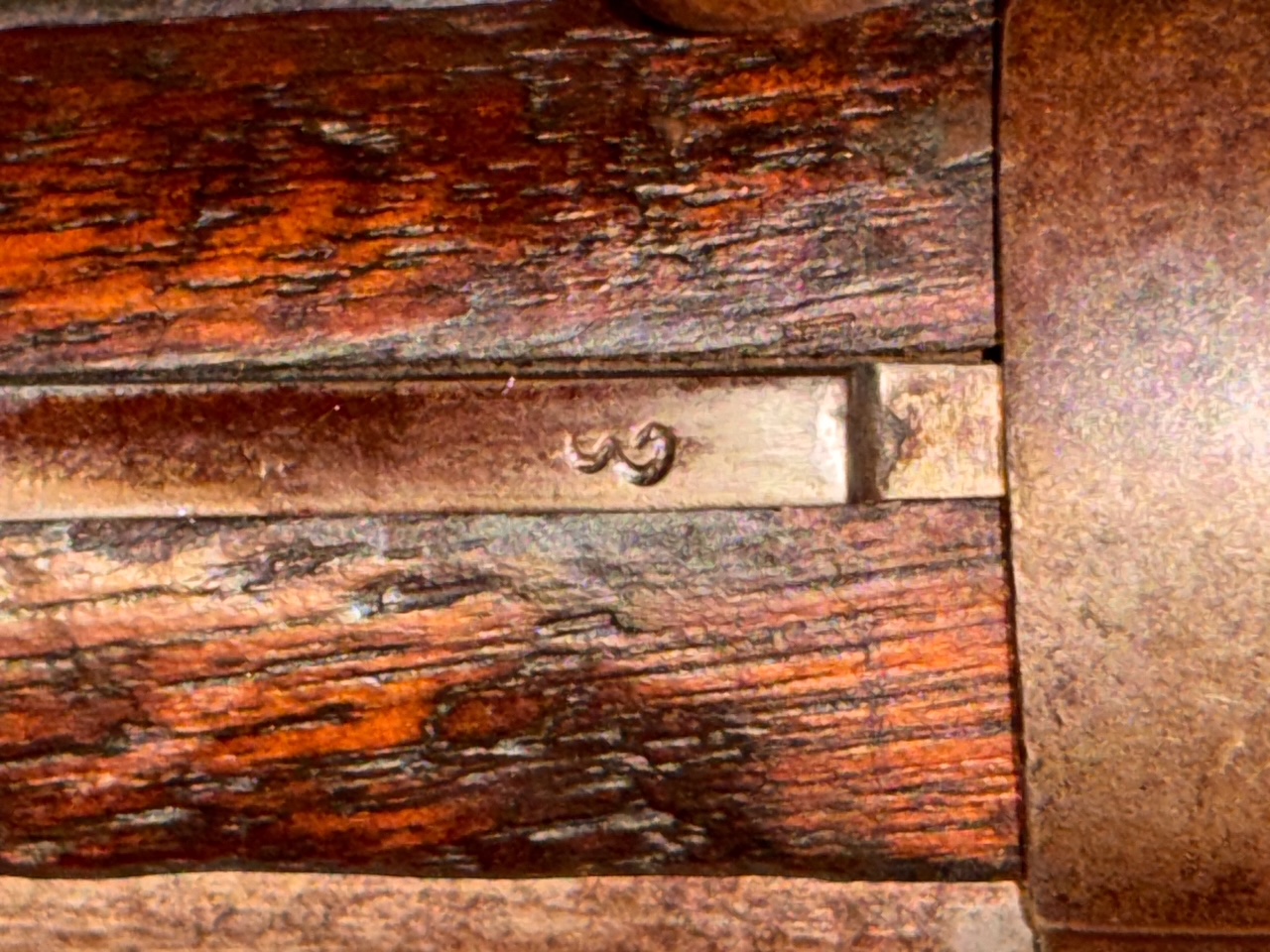
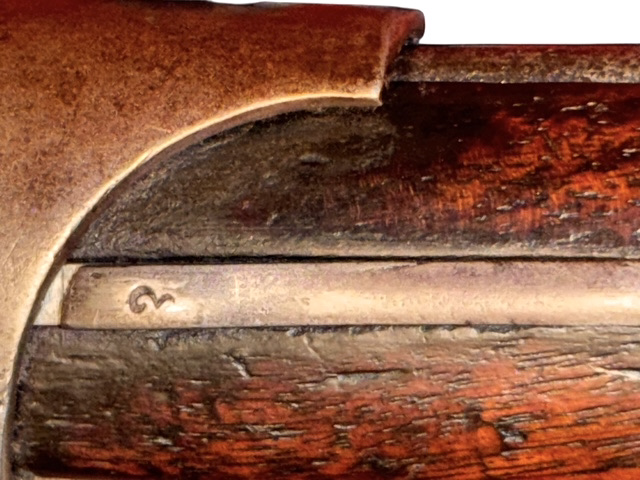
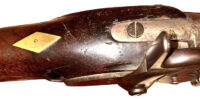
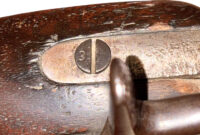
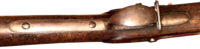
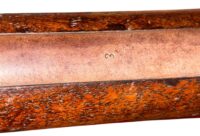
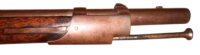
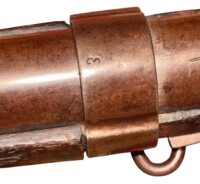
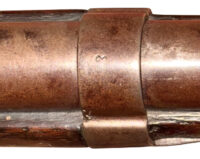
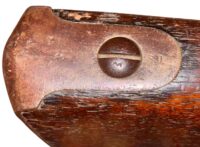
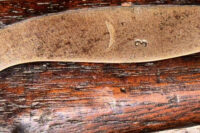
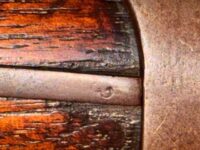
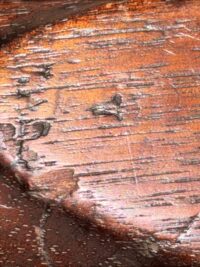
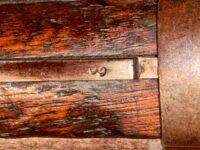
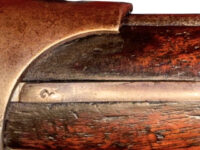
There are some stampings on the tang of the breech plug, but they are not discernible; what appears to be “JT” is stamped just forward of the cut line on the breech; no inspector’s cartouche appears on the wooden flat opposite the lock plate, although the letter “V” is stamped there. Most of the iron furniture / parts are stamped with the number “3”, including several screw heads. The butt plate is flat, maintaining the same profile of the original M1816 and is stamped “US”; additionally, since this gun remained a smoothbore, the ramrod is the button head variety, the same as the original flintlock musket. The gun remains in overall very good condition, with the metal elements exhibiting a pleasing, plum gray patina; there is some pitting in the breech area, resulting from firing in the period. The gun’s shooting mechanism functions properly. The oiled walnut stock remains in good condition, as well. Of interest is an inlaid, brass, 3rd Corps lozenge on the upper wrist of the stock.
The Model 1816 Remington Conversion refers to U.S. Springfield flintlock muskets, originally smoothbores, that were extensively modernized by Remington for the government, featuring rifled barrels and replacement locks with the Maynard tape primer system, allowing for rapid percussion firing using paper primer tapes instead of caps, making them powerful Civil War-era arms despite some wet-weather unreliability.
Key Features:
- Original Musket: A U.S. Model 1816 flintlock, .69 caliber, smoothbore musket.
- Remington’s Role: Remington Arms was contracted to supply new lock plates with the Maynard tape primer mechanism and percussion bolsters.
- Frankford Arsenal: The actual conversion (rifling, sight installation, and assembly) was done at the Frankford Arsenal.
- Maynard System: Replaced the flintlock with a system using a paper tape of primers, fed automatically with each hammer cock, similar to a toy cap gun, but prone to failure in damp conditions.
- Barrel Alteration: Barrels were rifled (hence M1816/22 designation) and fitted with new patent breeches to handle the pressures of Minié balls.
- Sights: Many received long-range leaf rear sights, though some were issued without them.
- Markings: Look for “REMINGTON’S ILION, N.Y.” on the lock plate and dates like “1857” or “1858” on the tang.
Significance:
These muskets provided a significant upgrade in firepower for the U.S. military during the Civil War era, transitioning older smoothbores into capable rifled arms using modern priming technology.
Related Items
-
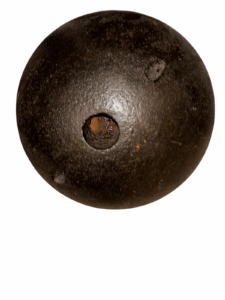
Civil War 10 Inch Mortar Ball Excavated in Petersburg
$450Civil War 10 Inch Mortar Ball Excavated in PetersburgApril 30, 2020 -
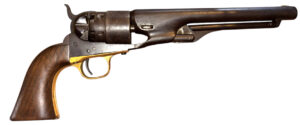
M1860 Colt Army Revolver Found When Renovating the Room in the Antebellum House Called West View / Old Denton in Fauquier Co. Va. Where Mosby Stayed When He Escaped out a Window to Sit on a Tree Branch When Union Cavalry Came to the House
M1860 Colt Army Revolver Found When Renovating the Room in the Antebellum House Called West View / Old Denton in Fauquier Co. Va. Where Mosby Stayed When He Escaped out a Window to Sit on a Tree Branch When Union Cavalry Came to the HouseOctober 2, 2025 -
U.S. Model 1816 Harpers Ferry Arsenal Flintlock Dated 1833 Converted During the Civil War to Percussion with Original Socket Bayonet
U.S. Model 1816 Harpers Ferry Arsenal Flintlock Dated 1833 Converted During the Civil War to Percussion with Original Socket BayonetDecember 29, 2025 -
Civil War Washington Naval Laboratory Box for .69 Cal. Cartridges Accompanied by Navy Cutlass Scabbard Sections, Seven .69 Cal. Rifle Bullets, Two USN Coat Buttons, a USN Boarding Pike Leather Cover, Brass Saber Bayonet Hilt and 12 lb. Schenkl Shell – All Discovered in the Potomac River in the 1960s
$1,100Civil War Washington Naval Laboratory Box for .69 Cal. Cartridges Accompanied by Navy Cutlass Scabbard Sections, Seven .69 Cal. Rifle Bullets, Two USN Coat Buttons, a USN Boarding Pike Leather Cover, Brass Saber Bayonet Hilt and 12 lb. Schenkl Shell – All Discovered in the Potomac River in the 1960sOctober 28, 2025