Id’d 1/6 Plate Ambrotype of a Confederate Officer from Maryland – Captain Ignatius Waters Dorsey Co. A 1st Maryland Cavalry QuartermasterSeptember 14, 2026
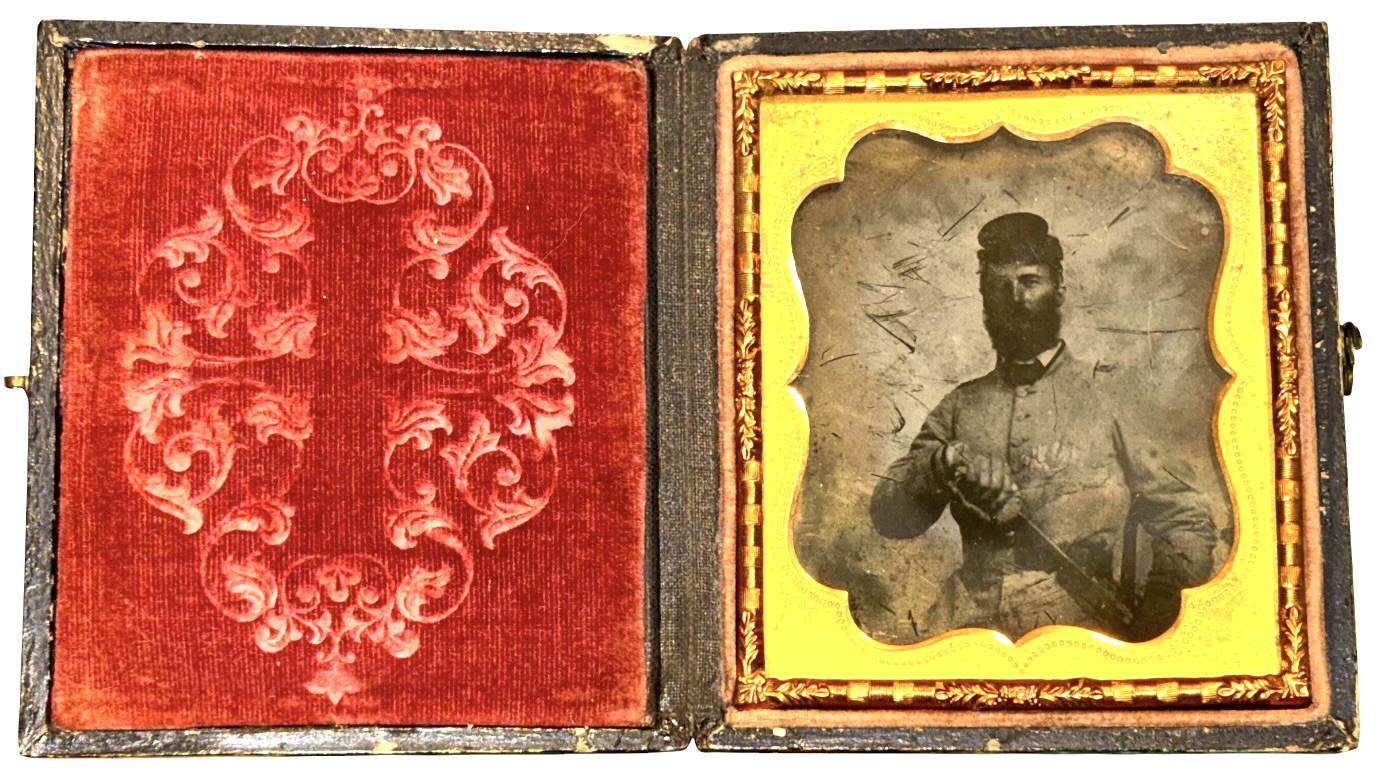
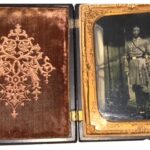 Half-Plate Ambrotype...$5,000
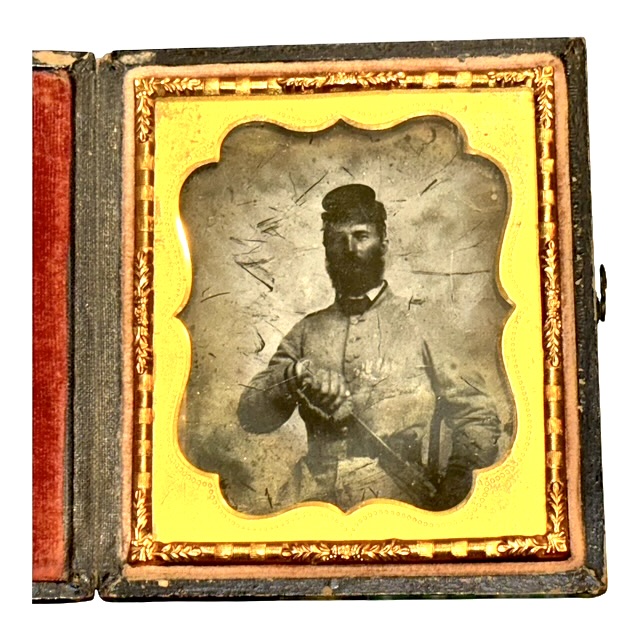
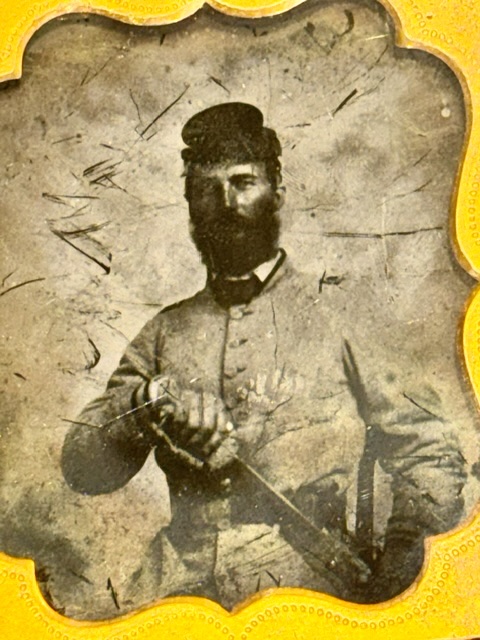
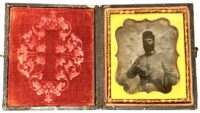
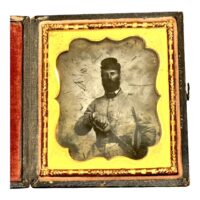
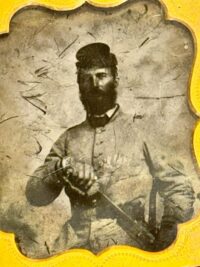
Id’d 1/6 Plate Ambrotype of a Confederate Officer from Maryland – Captain Ignatius Waters Dorsey Co. A 1st Maryland Cavalry Quartermaster
$4,000
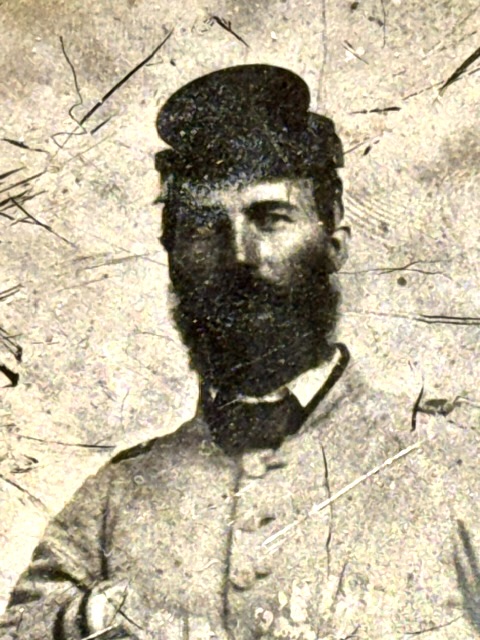
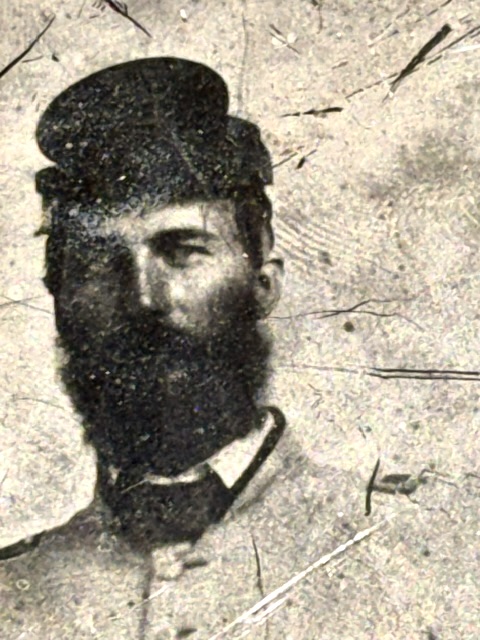
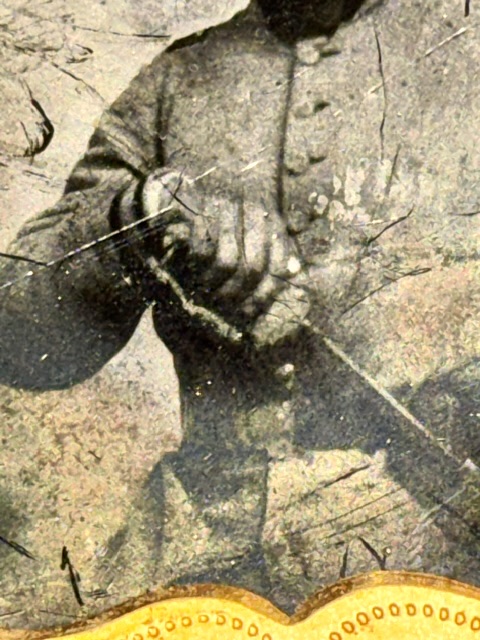
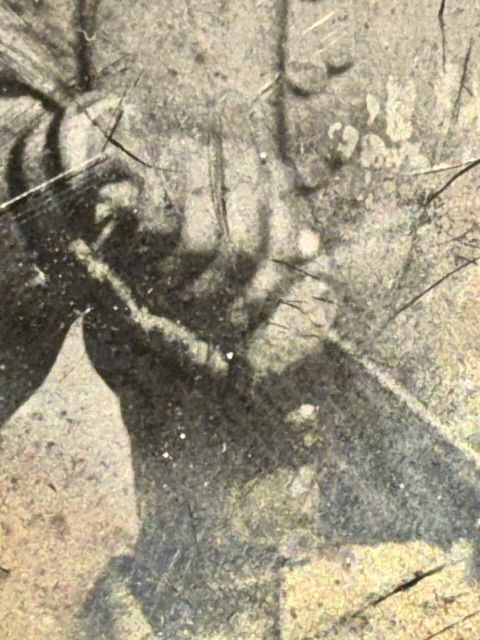
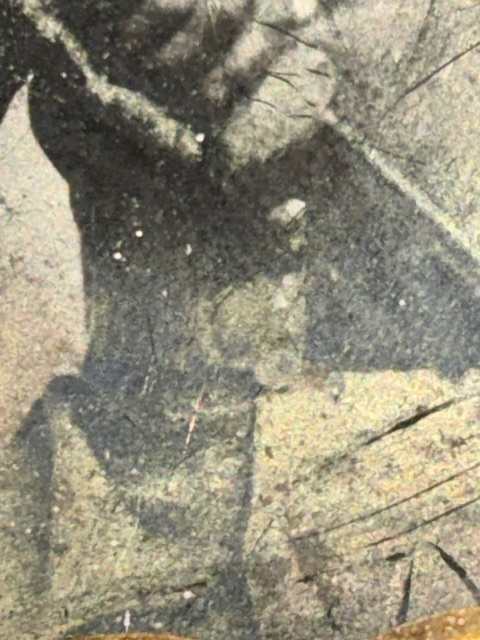
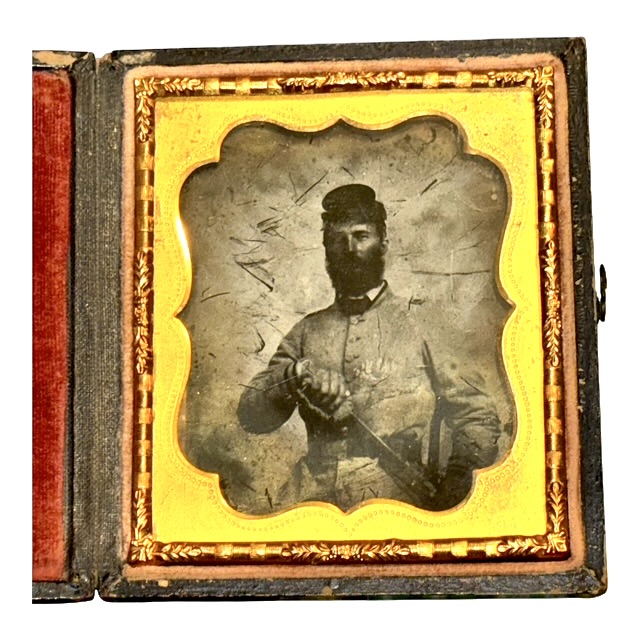
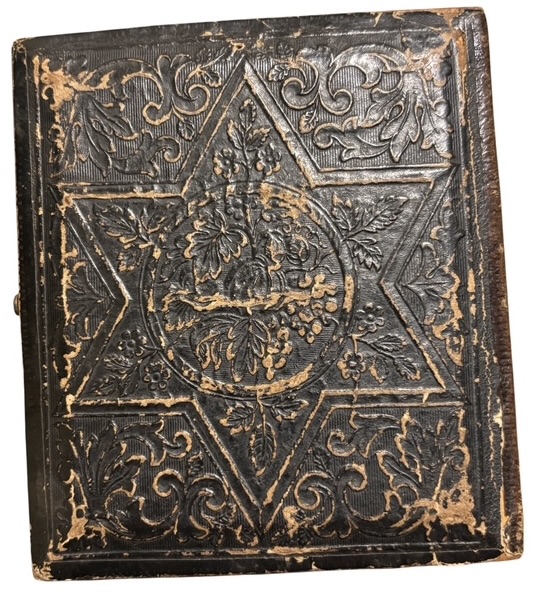
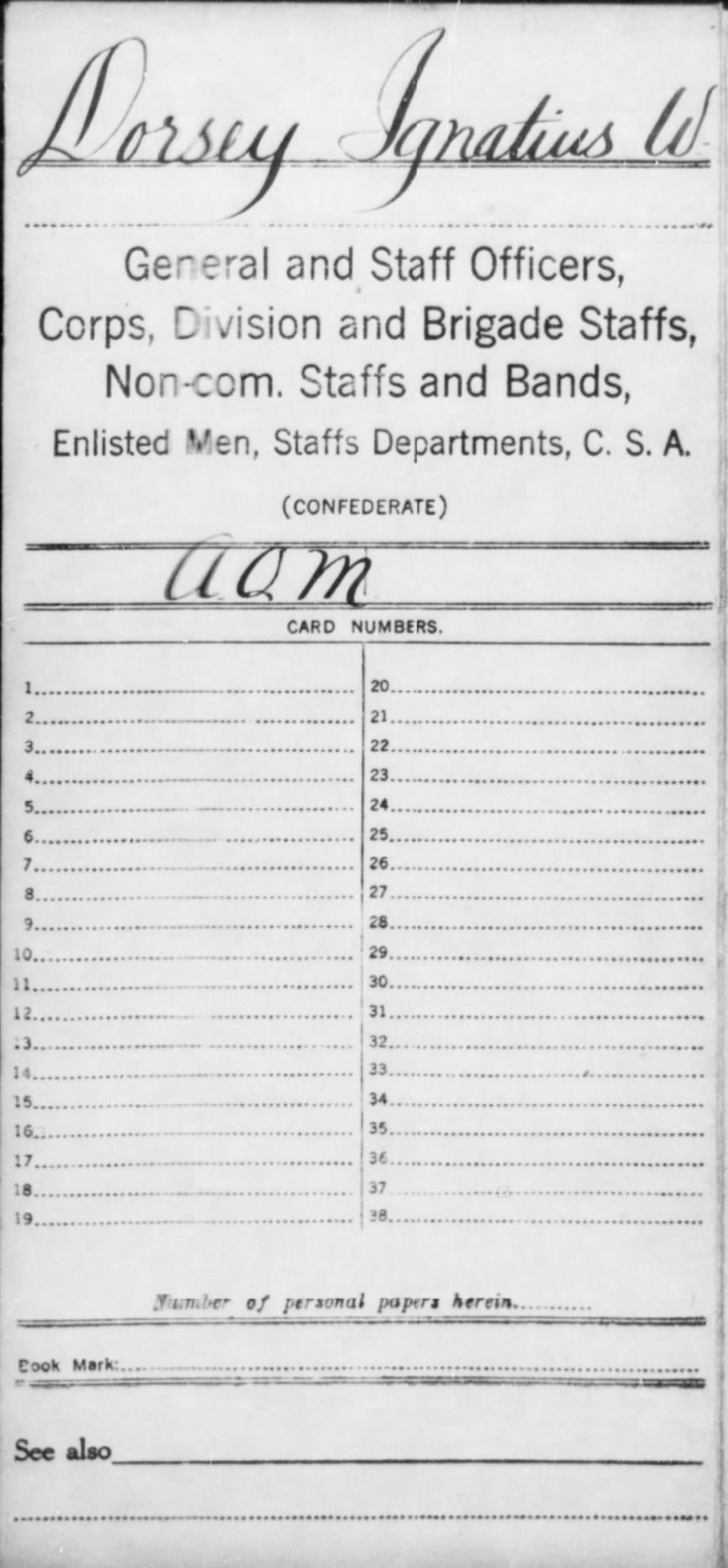
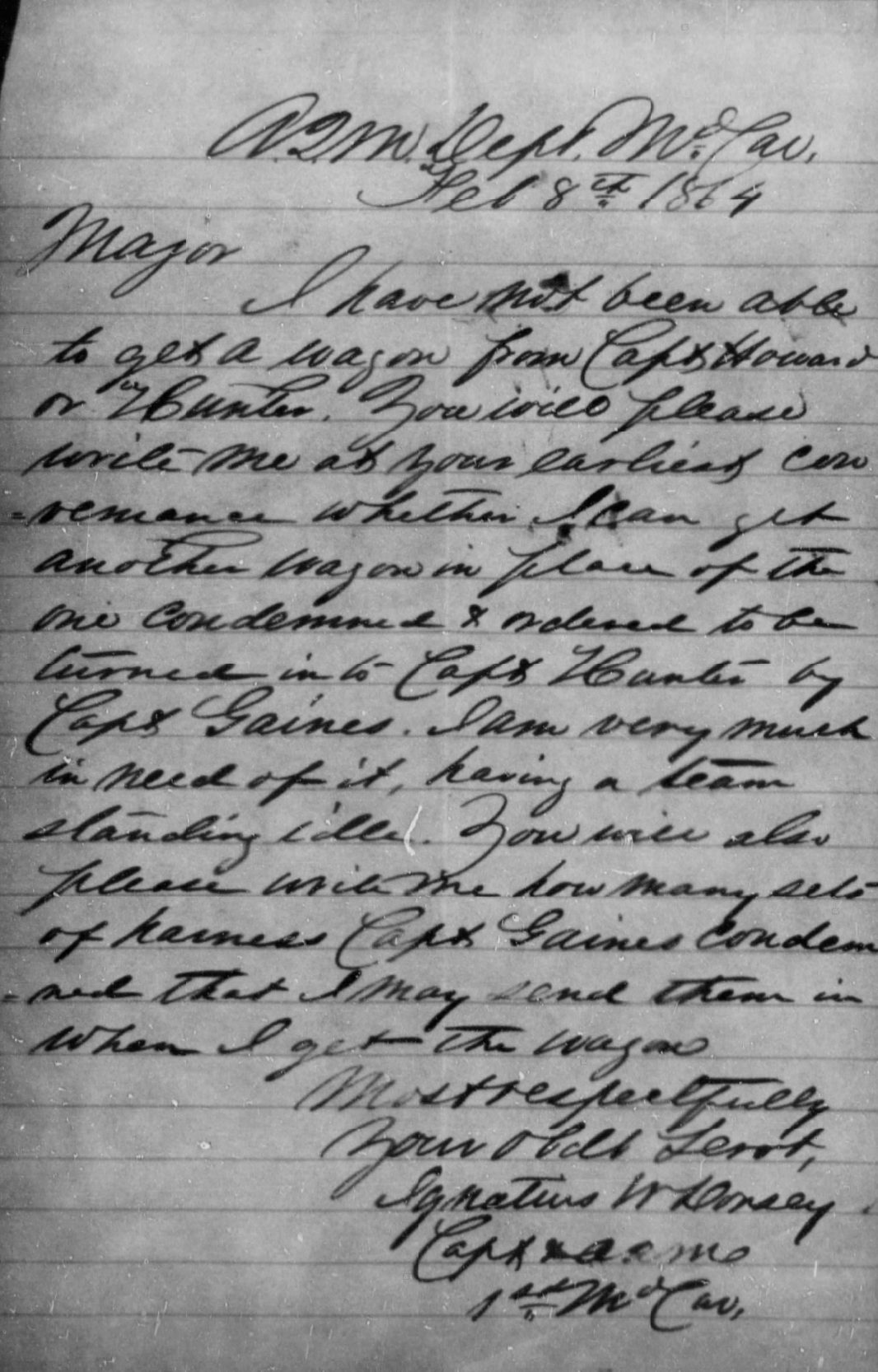
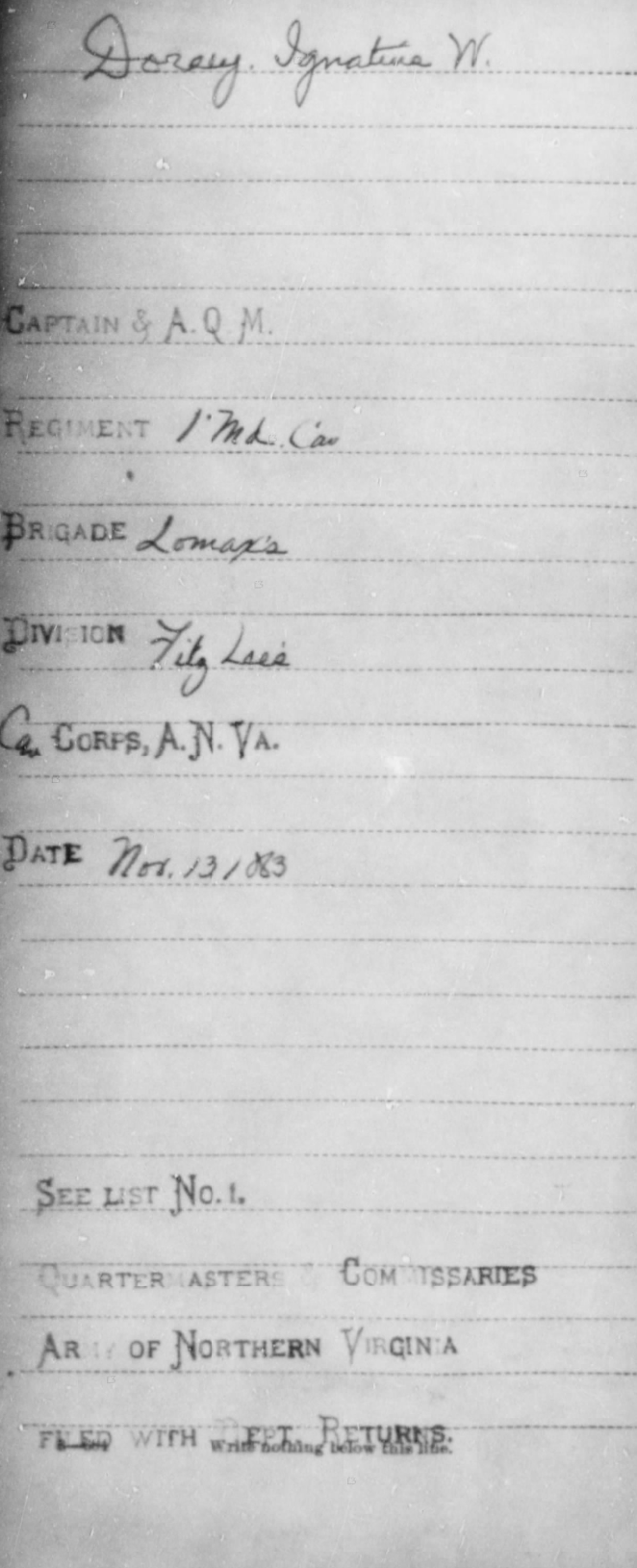
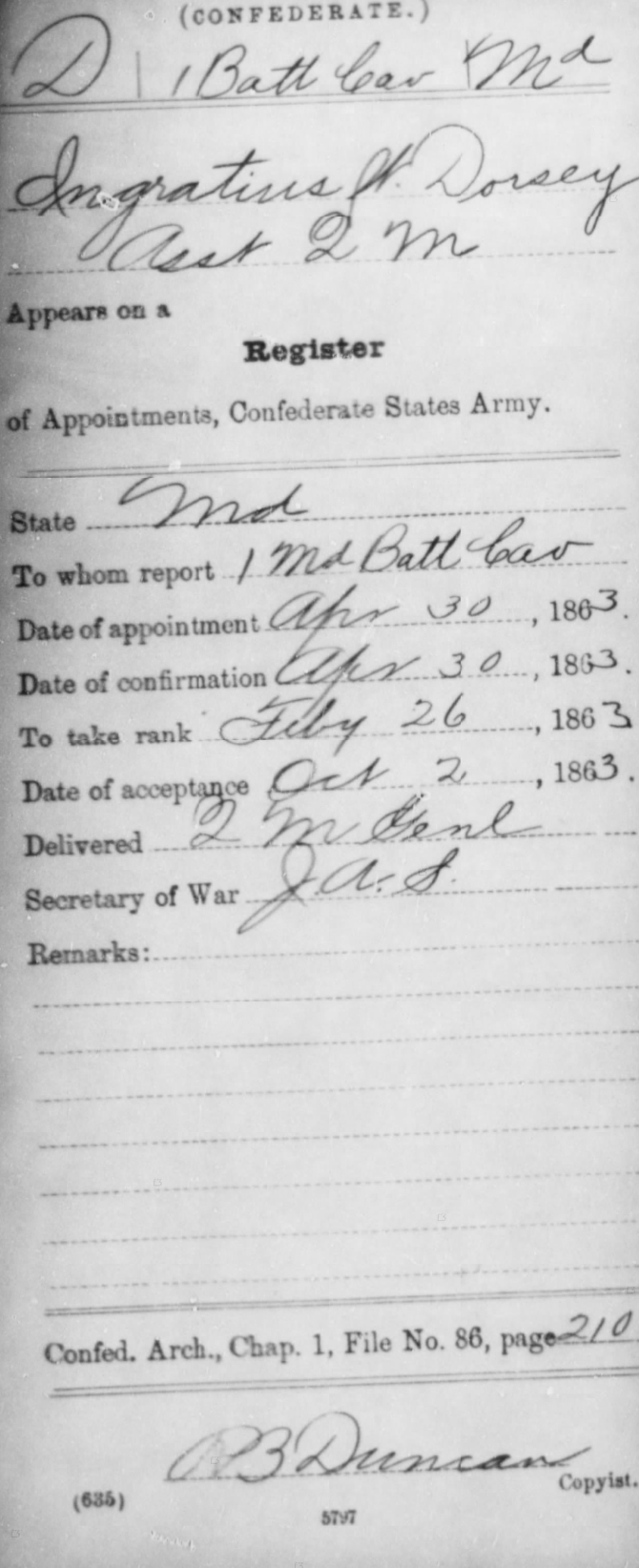
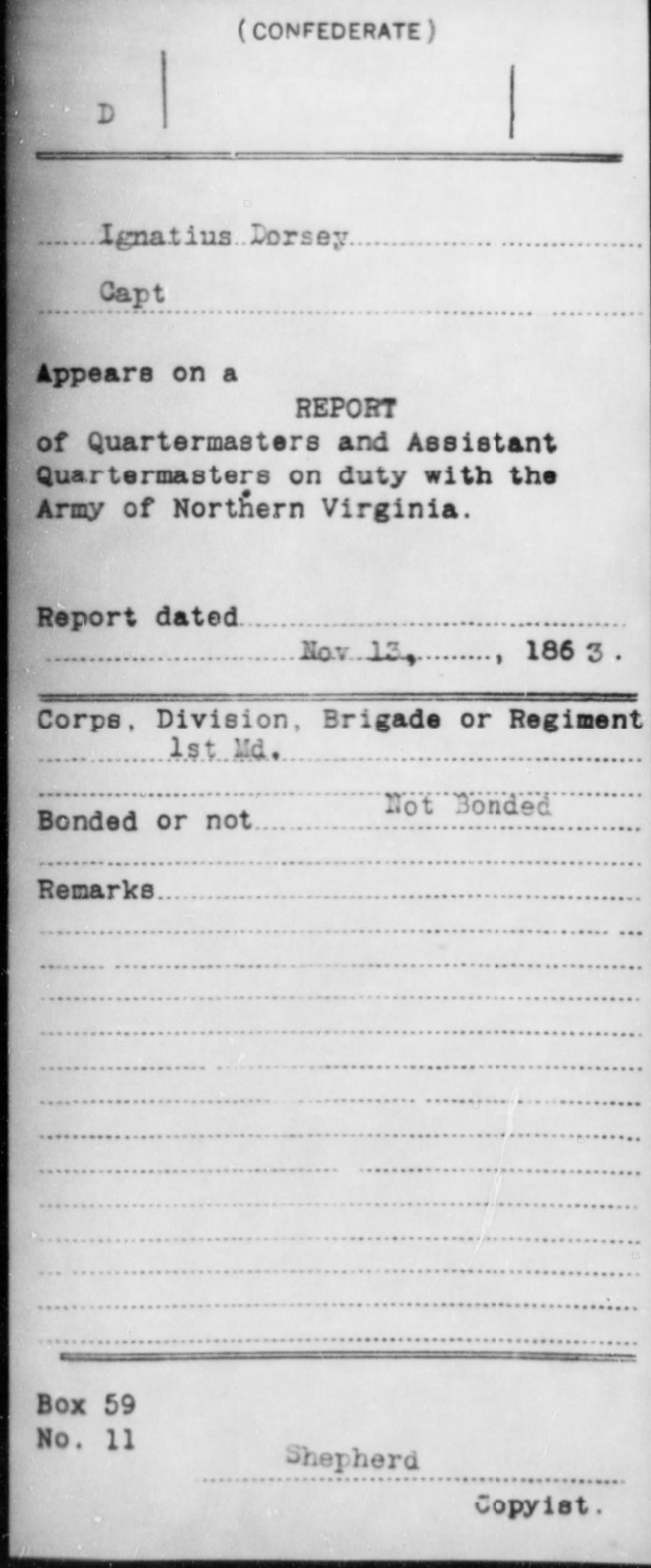
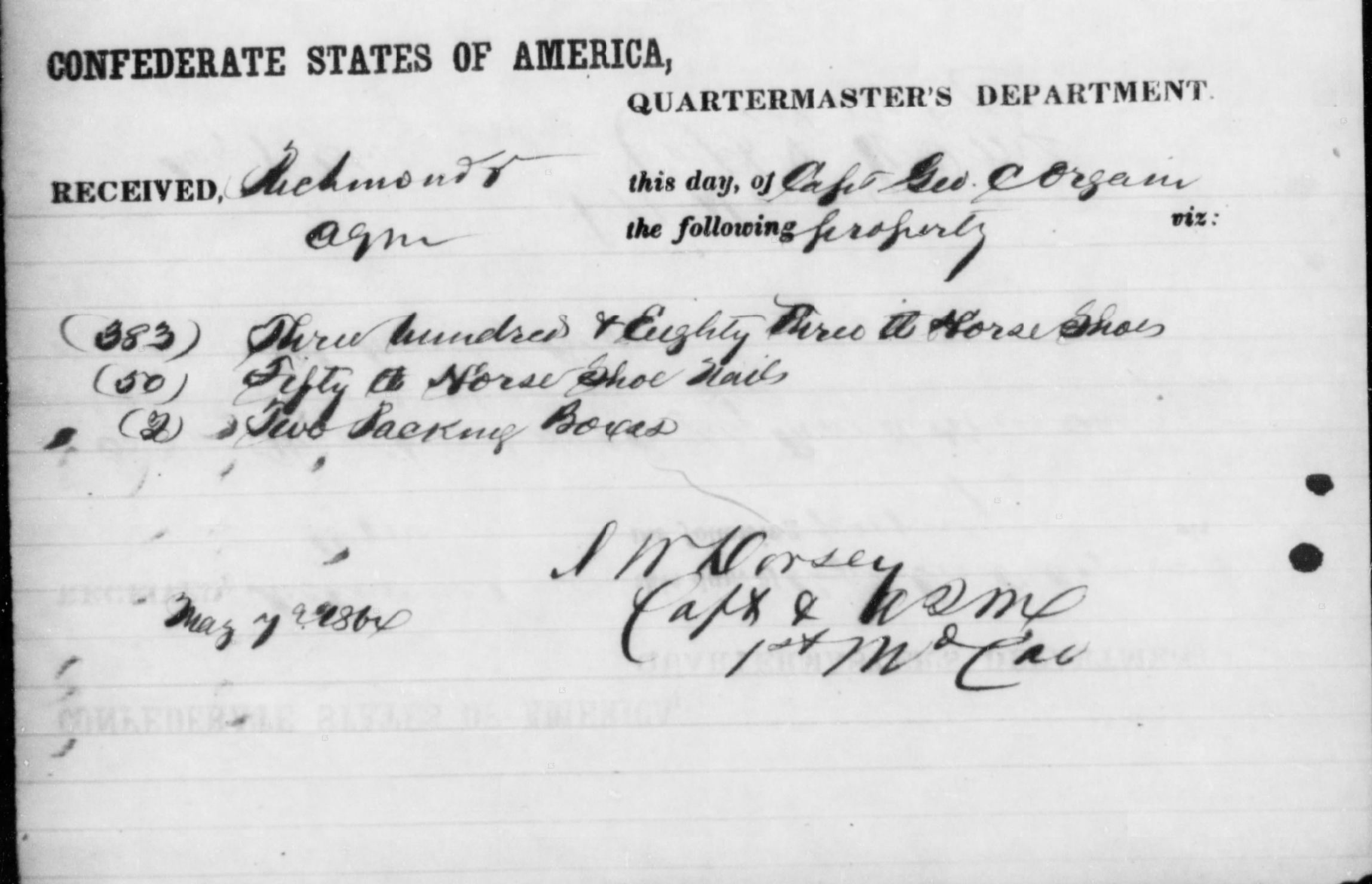
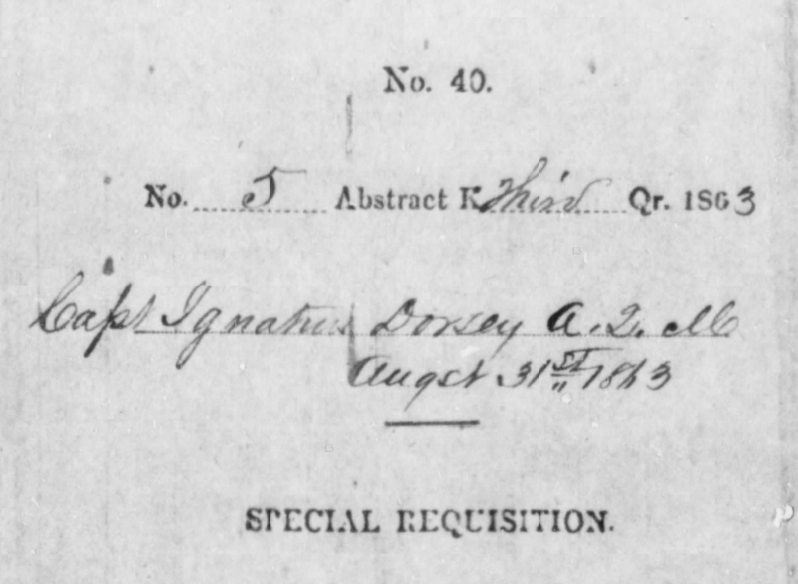
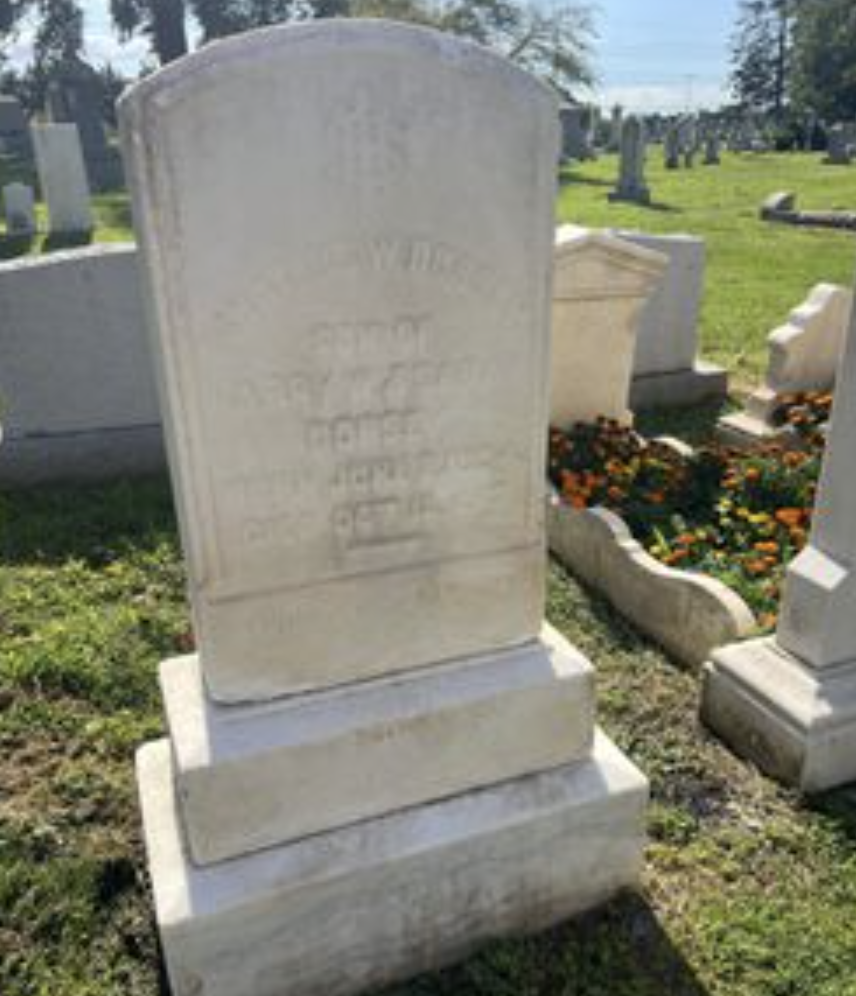
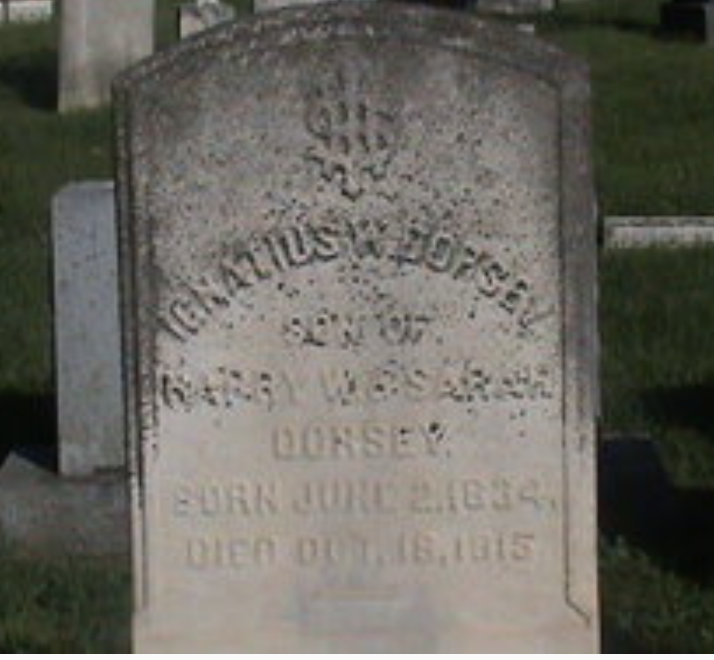
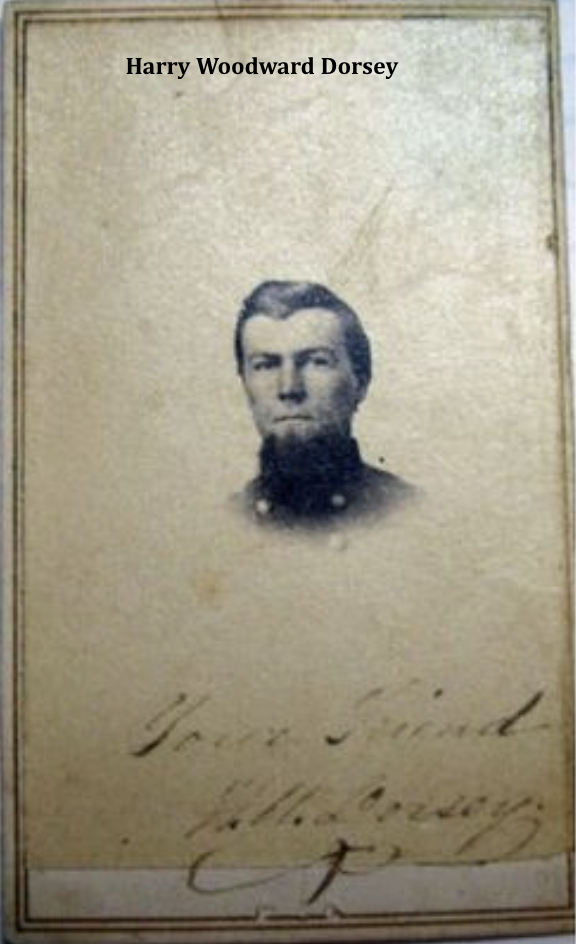
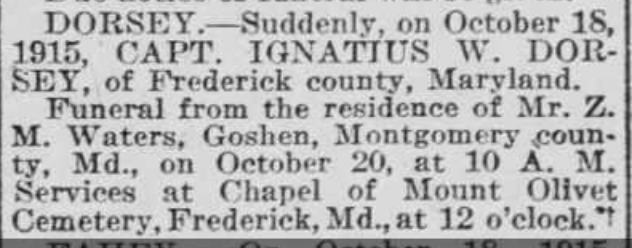
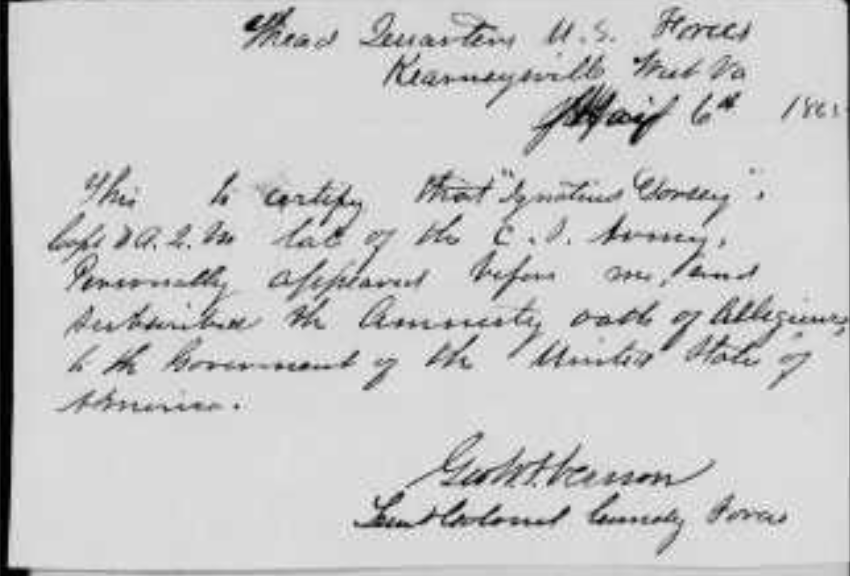
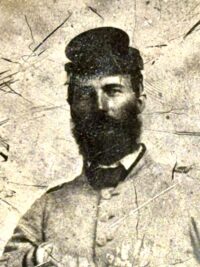
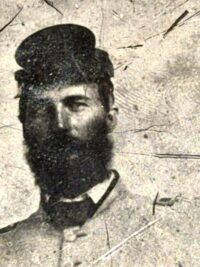
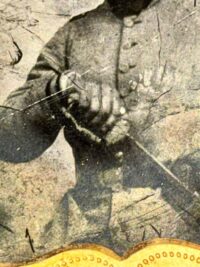
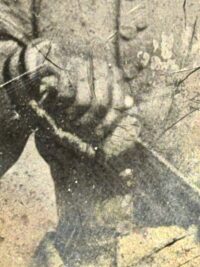
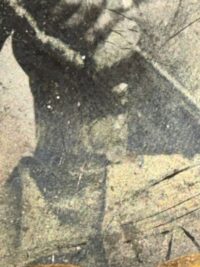
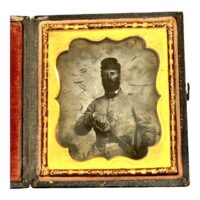
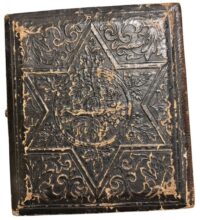
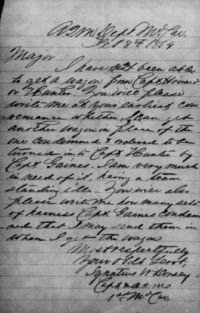
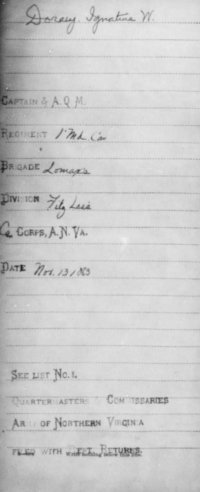
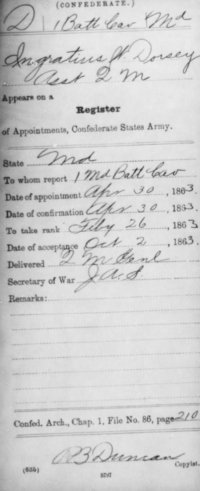
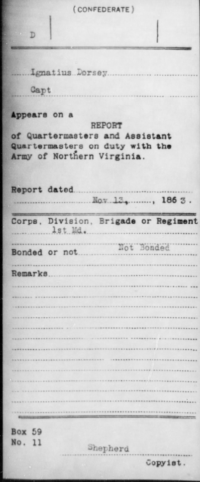
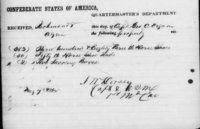
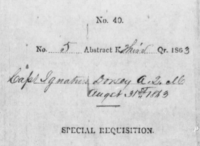
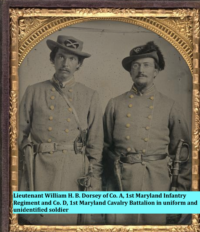
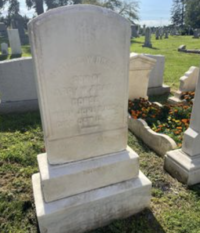
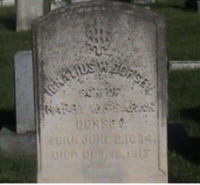
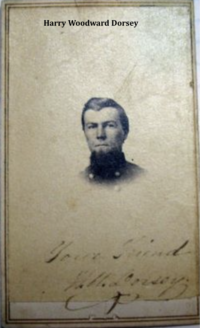
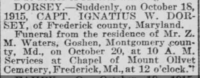
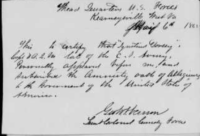
Id’d 1/6 Plate Ambrotype of a Confederate Officer from Maryland – Captain Ignatius Waters Dorsey Co. A 1st Maryland Cavalry Quartermaster – This image of Captain Ignatius Waters Dorsey is housed in a full case and remains in overall fair condition, with some scratches in the emulsion, although none encroaching the image. Captain Dorsey is depicted wearing a high crown, floppy forage cap; he is wearing what appears to be a single breasted, butternut frock coat, with rank straps on each shoulder; Dorsey is holding an early, eagle pommel sword; he is wearing a sword belt, with a rectangular belt plate. This image is depicted in Dave Mark’s impressive book – “Maryland Confederate Faces; A Private Collection”, as well as on Dorsey’s Find-A-Grave site. According to Dave Mark, as enumerated in his fine book, Dorsey was born at “Glenmount” (Dorsey family home), near New Market in Frederick County, Maryland on June 2, 1834. In early September of 1862, Dorsey enlisted, at the rank of Private, in Co. A 1st Maryland Cavalry, in Winchester, Virginia. By December 1862, Dorsey was promoted to the rank of Regimental Forage Master and by 1863, he had been promoted to Captain and Quartermaster. Dorsey was described as being 6’1’’ in height, with gray eyes and auburn hair; he would serve throughout the war and was paroled at Winchester on May 18, 1865. Dorsey returned to the family home, later living at “Sedgely Farm” in Frederick County, Maryland. He died on October 18, 1915. Harry Dorsey, the 1st Maryland Cavalry’s assistant regimental surgeon, was Ignatius’ brother.
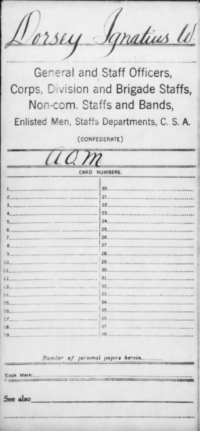
Ignatius W. Dorsey
Residence was not listed.
Enlisted as a Priv(date unknown).
He mustered into Confederate States Army Gen & Staff.
Name
Ignatius W Dorsey
Gender
Male
Rank
Captain
Role
Veteran
Residence Date
Jun 1890
Residence Place
New Market, Frederick, Maryland, USA
Enumeration District
91
Enlistment Date
1862
Discharge Date
1865
Regiment or vessel
1 Maryland Cav
Company
A
Length of Service
3 Yrs
Capt Ignatius Waters Dorsey VVeteran
Birth
2 Jun 1834
New Market, Frederick County, Maryland, USA
Death
18 Oct 1915 (aged 81)
Frederick County, Maryland, USA
Burial
Frederick, Frederick County, Maryland
1st Maryland Cavalry Regiment (C.S.A)
| 1862 | |
| May 15 | Company A of the First Maryland Cavalry was organized from members of the 1st Virginia Cavalry Regiment under the command of Captain Ridgely Brown. They were Marylanders who had joined the Virginia regiment when Maryland was forcibly kept in the Union in 1861. After a year of service they chose not to reenlist but to form their own Maryland unit. It was temporarily attached to Colonel Thomas Taylor Munford’s 2nd Virginia Cavalry Regiment in the Shenandoah Valley until a full battalion of Maryland cavalry could be raised. |
| May 23 |
Battle of Front Royal |
| June 2 | Woodstock |
| June 8 |
Battle of Cross KeyesThe company supported the 1st Maryland Infantry (CSA) |
| June 9 |
Battle of Port Republic |
| August 17 | Assigned to Robertson’s Brigade, Cavalry Division, Army of Northern Virginia |
| August 23 | Warrenton (Sulfur Springs) |
| August 26 | Bristoe Station |
| August 28 |
Groveton Heights |
| August 30 |
Second Battle of Manassas |
| September 2 | Leesburg |
| September 4 |
Maryland Campaign |
| September 4 | Crossed the Potomac River at Edward’s Ferry. Reached Poolesville. |
| September 5 | Monocacy Church |
| September 6 | Colonel Munford took command of the brigade as senior colonel when Brigadier General Robertson was transferred to North Carolina. Lieutenant Colonel Richard H. Burks of the 12th Virginia Cavalry, formerly Adjutant of the 2nd Virginia Cavalry, transferred back to the regiment and took command. |
| September 10 | Sugar Loaf |
| September 14 | Burkittsville |
| September 15 |
Battle of Crampton’s Gap (South Mountain) |
| September 17 |
Battle of Sharpsburg (Antietam)Covered the right flank of the army and the retreat to Boteler’s Ford. From the marker for Munford’s Brigade on the Antietam battlefield:The 2nd and 12th Virginia Cavalry reached the field on September 16 and took position on the extreme right of the Army of Northern Virginia, to cover the lower crossing of the Antietam. The 7th Virginia took position, on the evening of the 16th, on the Hagerstown Pike, northwest of Sharpsburg. It joined the Brigade on the right on the 17th. The Brigade remained on the right until the close of the battle. |
| November 25 | The 1st Maryland Cavalry Battalion was created at Winchester when Companies B, C & D were formed and added to Company A. Captain Ridgely Brown was promoted to Major and given command of the battalion, which was assigned to W.E. Jones’s Brigade of Stuart’s Cavalry Division. Company E was added shortly after. |
| Winter | The battalion was on picket duty in the Shenandoah Valley. |
| 1863 | |
| January 2 |
Expedition to Moorefield |
| February 25 | Company A under Captain Bond and Company E under Captain Dorsey, with Captain Bond in command, decided to probe the Federal positions near Winchester. They overran a Federal picket on the Cedar Creek road two miles out of town, then overran another at the junction with Staunton Road. They continued on, attacking a third picket in a house that was near the road. Reaching Kernstown, they attacked a mounted picket, losing one man but capturing 15 horses and 14 Yankee prisoners. Captain Bond then decided to return to Strasburg. Union General Milroy ordered out the 1st New York Cavalry Regiment and the 13th Pennsylvania Cavalry Regiment to try to stop the raiders. |
| February 26 | Companies B. & G headed out on the morning to relieve Bond and Dorsey, but ran headlong into the two Northern cavalry regiments. As the badly one sided battle began it attracted the attention of General Jones, who was nearby with Colonel Funston’s 11th Virginia Cavalry Regiment. A more balanced full scale battle evolved, and the Federal cavalry was driven off. Over 200 Federal troops and horses were captured. |
| April 20-May 21 |
Jones-Imboden RaidLeft Lacy Springs in the Shenandoah Valley and moved into West Virginia, which was in the process of becoming a state. |
| April 25 | The 1st Maryland Cavalry was held up by a Union Garrison in a church that dominated Greenland Gap. After dark the battalion made a dismounted attack and set the church on fire, opening the pass. |
| April 26-29 | Genral Jones split up his forces. The battalion was grouped with the 12th Virginia Cavalry Regiment and McNeil’s Partisan Rangers. The detachment moved to Oakland, Maryland, damaging the railroad bridge and taking 40 prisoners, then moved on to capture Morgantown. They then began moving back to Virginia. |
| April 29 | The battalion surrounded a Union force of about 300 men while Company E fought dismounted to hold the enemy in place. |
| April 30 | A company of enemy cavalry was captured at Bridgeport. The detachment moved on to Oiltown and destroyed oil and machinery before returning to West Virginia. |
| May 29 | The 1st Maryland Cavalry moved to Fisher’s Hill to join with the 2nd Maryland Infantry and the Baltimore Light Artillery under the command of Brigadier General Albert G. Jenkins. Major Harry Gilmore, who commanded several companies of partisan rangers, temporarily took over command of the 1st Matyland Cavalry after Lieutenant Colonel Ridgely Brown was wounded. |
| June 10 | Jenkins moved his command to Cedar Creek. |
| June 3-July 24 |
Gettysburg CampaignThe battalion was assigned to Fitz Lee’s Brigade of the Cavalry Division. It was temporarily commanded by Major Harry Gilmor. |
| June 12 | Company E, along with a detachment from the 14th Virginia Cavalry and Major Harry Gilmore with eight companies of his partisan rangers met and skirmished with a larger Union combined arms force. Company E lost 5 men killed and 30 men wounded and captured.Company A was ordered to join General Ewell’s Second Corps at Winchester and accompany them across the Potomac and into Pennsylvania serving as scouts and messengers.The rest of the battalion was placed under the command of Major Harry Gilmore and ordered to seize the bridge over the Monocacy River outside of Frederick. |
| June 12-28 | Major Gilmore found the bridge too heavily guarded and returned to South Mountain, then Hagerstown. The battalion was then ordered to join Steuart’s Brigade on its march through Chambersburg, Carlisle and McConnelsburg to forage for shoes, horses and cattle. |
| June 30 | Major Gilmore had not reached Carlisle when the order reached him ordering all of Lee’s scattered army to immediately concentrate near Gettysburg. |
| July 1-3 |
Battle of GettysburgWhen the battalion reached Gettysburg companies B-E were ordered to support Caret’s and Pogue’s artillery batteries while Company A served on Provost duty in town. They were employed as couriers and to support artillery, and saw no mounted action. |
| July 4 |
Battle of Monterrey PassA company of the 1st Maryland Cavaly defended defended the Confederate wagon train of wounded in a confused action on a pitch black, rainy night when it was attacked by Kilpatrick’s Union Cavalry Division. Badly outnumbered, the Confederates held off the Union cavalry for several hours until overwhelmed and forced back at 3 a.m. |
| July 6 |
Battle of HagerstownThe battalion fought Kilpatrick’s Cavalry again in the streets of Hagerstown until Confederate infantry from Iverson’s Brigade arrived to drive them back. |
| July 7-14 | Rertreat to the Potomac and into Virginia. |
| July 15 – October 10 | Assigned to Lomax’s Brigade of Fitzhugh Lee’s Cavalry Division and performed picket duties near Leetown, West Virginia. |
| October 11 | Fitzhugh Lee’s Division moved towards the Rapahannock. |
| Winter | When the army went into winter quarters the 1st Maryland Cavalry Battalion was sent to Hanover Junction with other Maryland units to form the “Maryland Line” under the command of Colonel Bradley Johnson. |
| 1864 | |
| Winter and Spring | Patrolling North of Richmond. |
| May 1-2 |
Kilpatrick’s Raid on RichmondWith only sixty men available, Johnson directed them to harass the rear and flanks of the Union raiders. After intercepting a courier from Union Colonel Ulrich Dalgren revealing his plans to attack Richmond Johnson launched an attack into the rear of Kilpatrick’s column, hoping the confusion would cover for his weak numbers. It worked, and Kilpatrick was unable to aid Dalgren, whose attack completely failed. Johnston kept up his harassing tactic until the next day when Wade Hampton arrived with his division of cavalry, drove Kilpatrick off and killed Dalgren. |
| May 9 | Just before midnight Colonel Ridgely Brown and 150 men encountered what they thought was the camp of a small party of raiders. Brown dismounted his men and attacked, and was swept up in a heavy firefight. He had stumbled on part of Sheridan’s main column, who counterattacked. Brown was able to hold them off until daylight, when he received an order from Stuart asking him to hold Sheridan as long as possible. Brown was able to keep up the lopsided battle since the dense woods allowed him to conceal his weakness. When Sheridan prepared an overwhelming charge Brown withdrew, returning to Hanover Junction. |
| May 10 | Johnson was ordered to join Stuart at Hanover Court House. The battalion met Federal troops near Dabney’s Ferry and in hand to hand fighting was quickly cornered into a fenced area at Pollard’s Farm. Colonel Bradley Johnson’s horse was shot out from under him and Colonel Brown was wounded. The battalion lost 50 men, but their sacrifice allowed the 1st North Carolina Cavalry to escape their fight with Custer’s Federals. |
| June 1 |
South Anna BridgeThe battalion fought for six hours to defend the bridge. Colonel Ridgely Brown was killed by a stray bullet during a lull in the battle. Captain Warner G. Welsh took over the battalion. |
| June 11-12 |
Battle of Trevillian StationThe Battalion joined Hampton at Trevillion Station and fought on the right of the line. Custer broke through Hampton’s line, but General Rosser along with the 1st Maryland Cavalry Battalion drove him back to his own wagons, avenging themselves for Pollard’s Farm. |
| June 28-30 | Colonel Bradley Johnson had put together a plan to kidnap President Lincoln, and Hampton sent him to the Shenandoah Valley to attempt it. Johnson joined Early’s Second Corps advancing down the Shenandoah Valley (down is north in the Valley). Gilmore’s Partisan Rangers and the survivors of Jones’s Cavalry Brigade were added to Johnson’s command, and Johnson was promoted to Brigadier General. |
| July 1-2 | The battalion, along with Johnson’s Brigade, moved towards Leetown. |
| July 3 | Brigadier General Bradley Johnson ran into a strong Union cavalry command near Leetown. A battle developed, and Johnson was driven back. But he was reinforced by his reserves, resumed his attack and forced the Federals out of town. |
| July 5 | Johnson crossed the Potomac, then moved across South Mountain toward Frederick. |
| July 8 | The battalion ran into Lieutenant Colonel David R. Clendenin’s 8th Illinois Cavalry and pushed it back towards Frederick.That evening Colonel Bradley Johnston was ordered to make a raid around Baltimore and Washington to rescue Confederate prisoners at Point Lookout Prison, which was on the tip of the peninsula between the Potomac River and Chesapeake Bay. His plan was to free and arm the prisoners, them march on Washington. |
| July 9, 1864 |
Battle of MonocacyJohnson’s Brigade, including the 1st Maryland Cavalry commanded by Captain Warner G. Welsh, guarded Early’s left flank until after the battle then made its way towards Baltimore as the first part of its movement to Point Lookout. |
| July 10 |
Skirmish at WestminsterLeading Johnson’s advance, Gilmor’s cavalry attacked Union cavalry in Westminster and drove them out. The main body of Johnson’s men drove Lew Wallace’s retreating troops from Monocacy into the Cockeysville-Hunt Valley, north of Baltimore.They then turned south to destroy tracks and bridges along the Northern Central Railway. When they reached Timonium, north of Baltimore, Johnson divided his brigade. Major Harry Gilmor of the 2nd Maryland Cavalry took a detachment of the 1st Maryland Cavalry and moved undetected across northern Baltimore County into Harford County at Jerusalem Mill. They captured horses and supplies there. The other half of Johnson’s men, including the rest of the 1st Maryland Cavalry, turned south and headed toward Point Lookout Prison. On the way they burned the home of Maryland Governor Augustus Bradford. But before they had gone too far south it was discovered that the Federals knew about the plan and had taken steps to prevent it. The Point Lookout plan was abandoned. |
| July 11 |
Skirmishes at Magnolia and TowsonGilmor’s command reached the Philadelphia, Wilmington and Baltimore Railroad railroad bridge over the Gunpowder River at Magnolia Station. It was defended by 70 men from the 159th Ohio Infantry Regiment. The detachment was driven off or captured. Gilmore’s men also captured two trains and the supplies they were carrying. After evacuating the passengers, they set fire to one of the trains and backed it over the railroad bridge, which was partially destroyied. They also tore down telegraph lines around the station. One of the passengers on the northbound train was Union Major General William B. Franklin, who was returning north on medical leave. He was taken as a prisoner of war, but escaped the next day. Gilmor’s men returned west across Baltimore County, stopping to rest near Towson. A large cavalry detachment which had been sent out from Baltimore caught up with them there.Outnumbered two to one, Gilmor attacked and drove off the Federals, pursuing them to Govenstown. Gilmor claimed that if his men had not been so tired, he would have gone into Baltimore and captured the city. On the way back west they burned the home of Maryland Governor Augustus Bradford. |
| July 12 | The 1st Maryland rejoined Early’s army as it crossed the Potomac River back into Virginia from its unsuccessful attempt to capture Washington (but very successful attempt to divert Union troops from the fighting at Petersburg). They served as rear guard on the way back to Virginia. |
| July 16 | The battalion crossed the Blue Ridge at Snicker’s Gap with Early’s army and reached Berryville. |
| July 17 |
Battle of Cool Spring (Snicker’s Ferry)Union pursuers failed to force their way across the Shenandoah River at Snicker’s Ford, also known as Castleman’s Ferry. |
| Juily 19 | The battalion withdrew to Strarford with Early’s main body. |
| July 24 |
Second Battle of KernstownEarly turned on Union forces that were resting in camp south of Winchester after the Battle of Rutherford’s Farm. Thinking Early had been defeated and was leaving the Valley to rejoin Lee, two Union Corps were sent back towards Washington to reinforce Grant. Now Early had a superior force to the remaining Union Corps under Crook. After a day long battle the Union troops collapsed and withdrew to Harpers Ferry. Early’s men followed them north, capturing many supply wagons and men who had become separated from the commands. |
| July 25-28 | Early ordered Brigadier General John McCausland and 2,800 cavalry, including Brigadier General Bradley Jonson’s brigade with the 1st Maryland Battalion, to occupy Chambersburg, Pennsylvania. They were to ransom it for $100,000 in gold or $500,000 in U.S. currency. It the ransom were not paid they were to burn the town in retaliation for the Federal burning of private homes and farms in the Shenandoah Valley. |
| July 29 | McCausland’s command moved into Pennsylvania, their advance delayed by 35 men of the 6th United States Cavalry under the command of Lieutenant Hancock McLean who skirmish the entire way north from Hagerstown. They overnight in Mercersburg, looting the town. |
| July 30 |
Burning of ChambersburgMcCausland’s force continued into Chamberburg, only slightly delayed by a section of New York artillery that greeted them with a round of canister. Union Major General Darius Couch, commanding the Department of the Susquehanna, barely had time to pack up his headquarters and escape to the north. The citizens of Chambersburg were unable to pay the ransom. There was no money in the town; it had all been removed. The Confederates, including the 1st Maryland Cavalry, looted everything of value including citizen’s watches, and burned all the public buildings and many private buildings in the town – a total of over 537 structures. Soldiers quickly became drunk. Individual citizens were forced to ransom their homes for anywhere from $150 to $750. An elderly black man died when Confederates kept forcing him back into his burning house. The house of the county school superintendent was burned after he was asked if he had ever taught black children and he answered “yes.” There were Confederate casualties. Captain Caulder A. Bailey, the Adjutant of the 8th Virginia Cavalry, had become drunk and separated from his men and was killed by a group of citizens. Two Confederates died when they were locked in a store that they had set afire, and another was killed with a shotgun. But many Confederates refused to take part. The town’s Masonic Lodge was spared, guarded by Southern Masons. Colonel William Peters of the 21st Virginia Cavalry refused to execute the order; he was placed under temporary arrest and was ordered to take his regiment out of town. Brigadier General Bradley Johnson would later say that McCausland’s men had “commited every crime known to man during that expedition.” When the town was well in flames McCausland led he men west, where they would spend the night at McConnelsburg. |
| August 1 |
Battle of Folke’s Mill (Cumberland)McCausland took his command South West from McConnelsburg to Hancock. He had hoped to try to ransom Hancock in the same way as Chambersburg. But Johnson, who commanded Maryland troops, vehemently argued that Hancock was not only a Maryland town, but it had been a Southern town throughout the war, sending recruits and supplies south into Virginia. Johnson ordered Gilmore to post his Maryland cavalry as guards on the buildings in Hancock and to shoot any of McCausland’s men who tried to burn them. Pursuing Union cavalry put an end to the argument and forced McCausland to continue west to Cumberland, where they hoped to destroy the shops of the Baltimore & Ohio Railroad. Union Brigadier General Benjamin Kelly had rounded up a battery of artillery and three regiments of “100 days troops” – Ohio National Guard signed up for 100 days of Federal service – reinforced by a number of armed townfolk. As McCausland approached Cumberland Kelly’s artillery opened fire. McCausland brought up his own guns, and they exchanged fire for around three hours, with both sides suffering about 30 casualties each. McCausland’s position was on the grounds around Folke’s Mill, which gave its name to the battle. The Folke barn was struck by artillery, took fire, and burned to the ground with the whole year’s harvest. At around 8 p.m. McCausland withdrew to the southeast, heading for Old Town. |
| August 2 |
Battle of Oldtown (Green Spring)McCausland hoped to cross the Potomac River at Oldtown. But Colonel Israel Stough had the 153rd Ohio Infantry Regiment behind the river, supported by a Railroad battery commanded by Captain Petrie of the Potomac Home Guard, an armed and armored train. There was also a strongly armed and protected blockhouse at the bridges. Slough deployed his men between the Potomac and the Chesapeake & Ohio Canal. He repelled the first Confederate attack. But the 21st Virginia Cavalry built a bridge and crossed the canal, outflanking Stough, who withdrew to the blockhouse. The Confederate Baltimore Light Artillery put a shell though the boiler of the armored train’s locomotive with its first shot and disabled one of the train’s guns with its second. Its third scattered the infantry of the Potomac Home Brigade into the woods, leaving Stoughton and his Ohionans unsupported in the blockhouse. There was an hour and a half standoff until Johnson sent a message under a flag of truce demanding a surrender. Stough asked for and received generous terms – immediate parole with all personal equipment except weapons. Johnson agreed and the Ohioans surrendered. The Confederates crossed the river and headed to Springfield, West Virginia, where they rested until the 4th. |
| August 3 | McCausland rested his command before heading for Moorfield. |
| August 4 | McCausland tried to raid New Creek, but a train of reinforcements sent down from Cumberland by Kelley caused him to abandon the attack. |
| August 6 | Brigadier General John McCausland took his tired cavalrymen into camp at Moorefield, West Virginia.The campsites were chosen for grazing rather than defense. McCausland believed the pursuing Federal cavalry under Averill were no nearer than Hancock, 60 miles away, and he knew Averill had a much smaller force. His felt his men would have plenty of time to rest and recover from their hard ride to Pennsylvania and back. Brigadier General Bradley Jonson’s brgade was placed on the north side of the South Branch of the Potomac, while McCausland’s own brigade was on the south side. McCausland himself chose to stay 3 miles away in the town of Moorefield. But John McNeil was so concerned about the lack of defensibility of the sites he took his Partisan Rangers to a better location eight miles away after McCausland ignored his warning.In reality Averill was less than a day behind McCausland. With only 1,760 men against around 3,000 Confederates, Averill knew surprise would be essential. During the night he quietly advanced on the Confederate camps while his advanced guard, dressed as Confederates, captured all the Confederate pickets. |
| August 7 |
Battle of MoorefieldAt first light Averell’s advance brigade launched a saber charge on Johnson’s sleeping men on the north side of the river. Many of the Confederates simply ran for it, leaving weapons, horses and sometimes boots behind. Averill sent his second brigade charging across the river into McCausland’s camp. Although some of McCausland’s men had a few moments warning, the unprepared men were no match for the Northern troopers with their repeating rifles and revolvers. McCausland’s two brigades dispersed into the hills, leaving their loot from Chambersburg behind. The scattered Confederates made their way in little groups and individuals back to Early’s main army. The Confederates lost at least 13 men killed and 60 wounded, along with 38 officers and 377 enlisted men captured. Four cannon and 400 horses were also lost. Averill lost 2 officers and 9 enlisted men killed, 18 men wounded, and 13 captured. McCausland and Johnson, with bad blood already between them from Chambersburg and the incident at Hancock, accused each other of negligence and demanded courts martial, although none ever happened. |
| Mid-August | The survivors of the battalion moved to the Shenandoah Valley and rejoined Early’s main army. |
| Mid-August | Early proposed to consolidate the 1st and 2nd Maryland Cavalry battalions since their numbers had been so badly depleted. The men protested to the War Department, which reversed Early’s order. Shortly afterwards Company K of the 1st Virginia Cavalry Regiment transferred to the Battalion. This was the company that had been formed from Maryland men and had provided the nucleus of the 1st Maryland Battalion. Its Captain Gustavus Dorsey was promoted to Lieutenant Colonel and given command of the 1st Maryland Cavalry. |
| September 22 |
Third Battle of Winchester |
| September 22 |
Battle of Fisher’s HillThe regiment charged dismounted Federal cavalry and suffered heavy casualties. Lieutenant Colonel Gustavus Dorsey was wounded. |
| October 9 |
Battle of Tom’s Brook |
| November | Assigned to Davidson’s Brigade of Lomax’s Division. Crossed into Rappahannock County to forage and fought with Custer’s Union cavalry. |
| 1865 | |
| Mid-March | Sheridan moved his cavalry corps from the Shenandoah Valley to rejoin the Army of the Potomac at Petersburg. The battalion was ordered to harass Sheridan’s flank as he moved from Charlottesville to White House on the York River. |
| Late March | The 1st Maryland Cavalry moved from White House to Richmond, where the rested for several days. They then moved towards West Virginia to rejoin Lomax’s Cavalry Division. After two days they were ordered to return to Richmond. |
| April 2 |
Appomattox CampaignReturned in Richmond and continued south to Petersburg, where they went into camp for the night. |
| April 3 | The battalion was ordered to follow Mahone’s Division and serve as rear guard as Petersburg was evacuated. For the next few days the Marylanders found themselves constantly engaged attempting to repel Federal cavlary which kept attacking the column and trains. Provsions ran out. The men fried dough in fat. Eventually they captured some raw pork and corn. |
| April 5 | Passed through Amelia Springs on the way to Lynchburg. |
| April 6 |
Battle of High Bridge and Farmville.Assisted General Munford in his rear guard action near Farmville. |
| April 9 |
Appomattox Court HouseMunford led his brigade past the army and took the lead into Appomattox Court House, where they skirmished with the advancing Federals. Large numbers of Union cavalry approached Munford’s front, driving back the Confederate skirmishers. Colonel Dorsey ordered the 1st Maryland to launch a saber charge, driving the Federals back, then launched a second when they again tried to advance. William C. Price fell mortally wounded during this charge. He would be the last man of the 1st Maryland Cavalry to die in the Civil War. In a few minutes a Federal officer rode up with a white flag. General Lee was about to surrender his army. A council of war was held. The Confederate infantry and artillery had no hope of escaping the trap, but the cavalry could slip through the lines and get away, possibly to join General Johnston’s army in North Carolina. The squadrons made their way through the lines without incident, then split up to forage and wait to see if they would try to reach Johnston. |
| End of April | A couple of weeks later Munford called the battalion to meet at Cloverdale in Botetourt County. He told them that Johnston had surrendered. The men dispersed and made their way back home to Maryland. |
1st Maryland Cavalry, CSA
History
The history of the 1st Maryland Cavalry begins with the decision of 18 members of Co. K., 1st Va Cavalry not to re-enlist on May 15, 1862, after serving a year in the Confederate Army. Co. K. was predominantly Marylanders and had served with Stuart’s 1st Va almost from the outset of the war. These men believed that Maryland should have it’s own Cavalry Regiment and so they set out to raise it. Recruiting was brisk, and Co. A. was quickly formed with CPT Ridgely Brown at it’s helm. Co. A. would provide the nucleus around which the regiment would be built, but it would have to be built in the field. Co. A. was ordered to the Valley and attached to Colonel Munford’s 2nd Va until a full battalion of cavalry could be raised.
The 1st Md’s initial history is one and the same as the 2nd Va’s. It participated in Jackson’s Valley Campaign, distinguishing itself at Harrisonburg against the 1st N.J. Cavalry. It supported the 1st Maryland Infantry at Cross Keys. Was with Jackson at Richmond, Manassas and Antietam. Gradually the small command took shape. Co. A. was soon joined by B., C. & D. On Nov 25th at Winchester the battalion was officially formed. CPT Brown was promoted to Major and placed in command of the battalion. Shortly afterwards two additional companies were formed.
The 1st Md. spent the winter of 62/63 at various points in the Valley performing mostly picket duty. On Jan 2nd they accompanied General Grumble Jones on an expedition to Moorefield that amounted to little more than a patrol en masse. On February 25th while on picket duty near Strasburg, Cpt’s Bond and Dorsey, commanding Co’s A. & D. took it in their heads to probe the Federal position near Winchester. Two miles out of town on the Cedar Creek road they ran through a Federal picket. They did it again at the Staunton Road junction. They shot up a third picket in a nearby house. At Kernstown they attacked a mounted picket, capturing 15 horses and 14 men, while only loosing one man. As Bond smugly returned to Strasburg with his booty, General Milroy dispatched the 1st N.Y. and 13th Pa Cavalry to intercept him. Co’s B. & G. were sent out on the morning of the 26th to relieve Co’s A & D. Instead they ran smack into the Federal cavalry. Fortunately General Jones, at the head of Colonel Funston’s 11th Va was near by. A full out cavalry battle soon ensued. Eventually the Federal cavalry was successfully driven off. Bond and Dorsey’s little adventure though resulted in the capture of over 200 Federal troops and horses.
On Apr 21st Jones left Lacey Springs on a raid into W.Va. At Greenland Pass, the command was held up by a garrison which had occupied a church that had complete command of the pass. The cavalry was unable to carry the church. Fighting dismounted, elements of the 1st Md attacked the church after dark and set it on fire. Jones divided his command and the 1st Md. rode with the 12th Va. and McNeil’s Partisan Rangers to Oakland, where 40 prisoners were taken and the railroad bridge was damaged. That night Morgantown was captured. Soon after the command reunited and began retracing it’s steps back to Virginia. On the 29th, with Co. E. fighting dismounted to hold the attention of Federal infantry, the remainder of the battalion encircled approximately 300 Federal troops. On the 30th the battalion captured a company of Federal cavalry at Bridgeport. Jones then moved to Oiltown and destroyed a large quantity of oil and machinery. Then Jones moved back to his base in the Valley.
Back in the Valley, the 1st Md. was directed to join the 2nd Maryland Inf. and Baltimore Light Artillery at Fisher’s Hill. General Jenkins arrived there several days later and assumed command of the lot. On Jun 10th he moved his command to Cedar Creek. On the 12th, Co. E., riding with Harry Gilmor and eight of his men, and a party from the 14th Va Cavalry, ran into a superior force of combined arms, artillery, infantry and cavalry. In the skirmish that followed Co. E. suffered 5 dead, and the wounding and capture of 30 others. On Jun 12th Jenkins moved toward Front Royal. He left behind his Md. infantry and artillery, and Co. A., 1st Md. Cavalry, who were directed to join General Ewell at Winchester. Throughout the remainder of the Gettysburg Campaign, Co. A. served as Ewell’s recon arm and as couriers. The remainder of the battalion was temporarily placed under the command of Major Harry Gilmor, who was instructed to strike out ahead of Ewell’s Corps and attempt to secure the bridge over the Monocacy River near Frederick. Finding the bridge to strongly guarded, Gilmor moved to South Mountain, then to Hagerstown. Here he was directed to support George Hume Steuart’s Brigade on its expedition to Chambersburg and Carlisle via McConnellsburg, to collect horses, cattle and shoes.
Just short of Carlisle, Gilmor was directed to report to General Ewell somewhere south near a town called Gettysburg. Upon his arrival on the 1st, Gilmor was directed to provide support to Pogue’s and Carter’s batteries. Co. A., was placed on provost duty in the town, and saw no action. As the battle progressed the 1st Md. was used exclusively as couriers and to support artillery. They saw no mounted action, despite what some historians write about their taking part in the great cavalry battle east of Gettysburg on the third day.
Though their role at Gettysburg was less than glamour, Lee’s trek back to Virginia would provide some of the 1st Md. most stelar moments. The battalion was scattered out along Ewell’s trains to provide protection from marauding Federal cavalry. Cpt Emack, Co. B. was directed to picket the Emmitsburg Road near Monterey. Emack’s stand there against the full might of General Kilpatrick’s Cavalry has become legendary, and has been presented in such fine magazines as Civil War Times. With 50 men and a single gun, Emack held off numerous attacks by Kilpatrick. He was eventually joined by Co. G. This small band of Spartans valiantly held their Thermopylae until the bitter end, when a charge by Kilpatrick, shortly after 3:00 A.M. swept the Marylanders aside. On the 6th, the 1st Md. played a prominent role in the cavalry battle that rolled back and forth through the streets of Hagerstown.
After it’s return to Virginia, the 1st Md. was assigned to the Brigade of General Lomax. It remained near Leetown until Oct 11th performing picket duty and the occasional skirmish. On the 11th the 1st moved with Fitzhugh Lee’s division toward the Rappahannock, where it participated in the engagement at Morton’s Ford and later in the day at Brandy Station. They participated in several skirmishes while Lee and Meade attempted to maneuver around one another. When the two armies settled into winter quarters, the 1st Md was directed to move to Hanover Junction, where Colonel Bradley Johnson was forming the “Maryland Line.” Here they joined the Maryland Artillery units, 1st, 2nd and 4th, as well as the 2nd Md Infantry.
In the spring of 1864 Judson Kilpatrick attempted a cavalry raid on Richmond. On Mar 1st Colonel Johnson received a telegram from Lee’s HQ, informing him that a large body of cavalry was passing his right flank. Most of the 1st Md. was out on patrol. Scouts from the 1st Md. found two columns, one of a bout 500 riders moving fast toward the James about 20 miles above Richmond; and one of approximately 3500 sabers. Having only 60 men at his disposal, Johnson was unable to directly attack Kilpatrick. Instead he kept snapping at his rear and flanks, capturing a number of men. After capturing a courier from Colonel Ulric Dahlgren, commanding the smaller column, which announced his plan to attack Richmond, Johnson deliberately charged into Kilpatrick’s rear guard, creating such a havoc that Kilpatrick believed he was being attacked by a superior force. Distracted, Kilpatrick was unable to asit Ulric, whose attack became a disaster. Johnson then dogged Kilpatrick for the next day. When Kilpatrick would draw up his forces to do battle Johnson would melt away. He took care never to reveal his true strength, and kept Kilpatrick at bay until Hampton’s cavalry came up the following day. It was during this action that the infamous orders of Dalgren’s to kill President Davis were found.
Again in May, when Sheridan struck for Richmond, the plucky 1st Md found itself dogging Sheridan’s column. Shortly after 11:00 P.M. on the night of the 9th Colonel Ridgely Brown with 150 sabers came upon the came of what they had supposed was a small raiding party. Brown dismounted, formed a skirmish line and attacked the camp. He soon became embroiled in a hot fire fight. From his prisoners he learned that he had taken on a portion of Sheridan’s column. He held his ground against counter-attacks until daylight. Then he received a dispatch from JEB Stuart who was massing his cavalry in an order to intercept Sheridan. Stuart asked Brown to delay Sheridan as long as he could. Throughout the morning Brown repeatedly pushed in Sheridan’s pickets. The Federals responded by mounting a charge, which the Marylanders repulsed. For some time the two forces eyed one another, neither able to determine the other’s size due to the dense woods. Sheridan’s men attempted to charge the Marylanders, but they, slipped away and returned to Hanover Junction.
In the later part of May Johnson led the 1st Md on a scout of Grant’s flank and reported back to General Lee that they had encountered columns of infantry moving down from Bowling Green. Johnson was then directed to join Fitz Lee at Hanover Court House. Enroute, the 1st Md. encountered the 5th N.C. Infantry engaged with Federal troops near Dabney’s Ferry. In the hand to hand fighting that quickly ensued, the 1st Md found itself pinned in a fenced area and unable to maneuver. Johnson’s horse was shot out from under him, and the beloved Colonel Brown was wounded. The regiment lost nearly 50 men in this, the battle of Pollard’s Farm. Due to the Marylanders’ sacrifice the North Carolinians were able to extract themselves from their melee with Custard’s Brigade.
The battalion was hotly engaged in minor skirmishes over the next couple of days. On Jun 1st it fought a six hour struggle to defend the South Anna Bridge, during which Colonel Brown was killed. Again Sheridan moved toward Richmond. Wade Hampton moved to intercept. The 1st Md joined Hampton at Trevillian Station and fought on the right of his line. Custer broke through Hampton’s line at one point, but General Rosser drove him back to his own wagons, and the 1st Maryland was with Rosser and avenged themselves for their losses at Pollard’s Farm.
During the winter of 63/64 Johnson had formed a plan to kidnap President Lincoln. After Trevillian Station Hampton gave him leave to attempt it. Johnson moved his battalion into the Valley to collect fresh horses and rest his men and animals before they set off for Maryland. It was at this time that Jubal Early began his move toward Maryland. Early added the 1st Md it to his command. Johnson was promoted to General and both Gilmor’s Partisans and the remnants of Grumble Jones’ Brigade were added to Johnson’s cavalry giving him a full brigade.
As Early advanced on Harper’s Ferry he divided his command to secure Martinsburg and Leetown. Johnson led Early’s advance to Leetown and on Jul 3rd encounter a strong Federal cavalry force near Leetown. A severe engagement followed. Johnson was driven back on his reserves, then pressed forward driving the Federals through the town. Johnson crossed the Potomac on the 5th. At this time General McCausland moved to take Hagerstown and Johnson pressed across South Mountain toward Frederick. On the 8th he encountered Clendenin’s Illinois Cavalry and pushed it back towards Frederick. In front of Frederick he brought up the Baltimore Light, which engaged the _______in a cannon duel.
On the evening of the 8th Johnson was called to Early’s HQ and informed that he would lead a daring raid around Baltimore and Washington to rescue the Confederate POWs held at Point Lookout Prison. Click here to learn about the raid. When Early was unable to take Washington, Johnson was recalled to the army and served as it’s rear guard as it moved back into Virginia. Early and his command had been shocked as they had moved north through the Shenandoah. The North was playing a new game, burning farms, homes, mills, leaving women and children destitute. He directed McCausland and Johnson to capture and ransom Chambersburg, Pennsylvania, for $100,000 in gold, or $500,000 in U.S. currency. When the citizens of Chambersburg refused to pay the ransom, the Confederates, including the 1st and 2nd Md, burned the town to the ground. Colonel Gilmor and General Johnson were not happy with their role in this operation. Nor were they happy with the way McCausland’s men carried themselves throughout the entire operation. Johnson would later say of them that they had committed every crime known to man during that expedition. With Chambersburg in flames the Confederates moved back through Maryland. McCausland wanted to recoup some of the ransom. At Hancock he ordered the town to be ransomed. Both Gilmor and Johnson argued against it. Hancock was a Southern town and had supported the cause throughout the war with men, money and supplies. McCausland would not change his mind. Johnson ordered Gilmor to ride into Hancock with the 1st and 2nd Md and post two men at every building. They were to shoot any of McCausland’s men who attempted to enter the town. Before Gilmor could obey, General Averill’s cavalry struck McCausland’s pickets. McCausland abandoned Hancock, but did not forget it. At Oldtown the 1st and 2nd Maryland engaged a well armed blockhouse supported by an iron clad gun battery mounted on a train. The Confederates moved on to Moorefield, West Virginia and there went into camp. The following morning Federal cavalry swept through the encampment. The 1st and 2nd Md’s losses were heavy. The cavalry was forced to disperse into the hills and make their way by ones and twos back to Early’s main body. There, McCausland accused Johnson of negligence. Johnson accused his attacker of being negligent as well, and demanded a trial, which was never held.
After the Moorefield incident the 1st Md. participated in Early’s Valley campaign against Sheridan. Its numbers were quickly reduced to the point that Early ordered the 1st to consolidate with the 2nd Md. The men raised a protest and sent a plea to the War Dept that Early’s order be revoked. It was and the 1st Md. retained it’s individuality. Shortly afterwards Co. K. 1st Va Cavalry transferred to the 1st Md, beefing up it’s ranks, and it’s commander Cpt Gustavus Dorsey was promoted to Lieutenant Colonel and given command of the 1st Maryland.
During the Battle of Fisher’s Hill on Sep 22, the regiment suffered greatly when it charged dismounted Federal cavalry. Dorsey was severely wounded as well. In Nov of 1864, now in General Davidson’s Brigade of Lomax’s Division, the 1st Md crossed the mountains into Rappahannock County to forage. Here they became engaged in a running battle with Jackson’s Cavalry C.S.A. and Breatherd’s Horse Artillery against a portion of Custer’s Michigan Troopers.
The 1st Md next saw action in Mar of 1865 when the regiment was instructed to make quick hit and run attacks on Sheridan’s flank as he moved from Charlottesville to White House on the York River, setting the stage for the final chapter in their gallant history. From White House the 1st Md made their way to Richmond where they rested for several days. They were then ordered to rejoin Lomax in W.Va and set out to join him. Two days later they were recalled to Richmond and ordered to report to General Fitzhugh Lee, some 20 miles from Petersburg. They arrived in Richmond on Apr 2nd, and went into camp. The following morning they rode through the somber city. Its streets were filled with anxious crowds. Something was happening, but the Marylanders were not a part of it. They continued south to Petersburg. There they encamped for the night.
Early in the morning the were roused from their slumber, they had new orders, to fall in behind Mahone’s Division and serve as it’s rear guard. The night sky was lit up by fires and explosions. Provisions that could not be carried away were being burned. Wagons and men were heading west. the Army of Northern Virgina was moving out of the Petersburg defenses. Over the next couple of days the Marylanders found themselves constantly engaged attempting to repel Federal cavalry which kept striking the column and trains. Their provisions soon ran out. There was little to be had from the trains. They fried dough in fat to subsist. Eventually they captured some raw pork and corn and lived on this from the time the army passed through Amelia Springs to Lynchburg. They were engaged in a skirmish at Amelia Springs and participated in the battle at High Bridge over the Appomattox, and assisted General Munford in his rear guard action near Farmville.
On the morning of Apr 9th Munford passed ahead of the army through Appomattox Court House and skirmished with Federal troops. Fighting was not heavy. There was sporadic firing between the infantry of both armies. Then the field became silent. A heavy column of Federal cavalry was seen rapidly approaching along Munford’s front. At one point the column divided, and a portion of the column advanced through the fields toward Munford, driving his skirmishers back.
Designing the Federal intention, Colonel Dorsey ordered the 1st Maryland to draw sabers and charge. Twice they charged the Federal cavalry, twice driving it back. During the second charge William C. Price fell mortally wounded. Moments later a Federal officer rode up with a white flag and announced that General Lee was about to surrender his army.
General Munford called a council of war. It was decided that the cavlary could make a break for it and maybe join Johnston in N.C. The cavalry squadrons split up to forage and await word concerning the disposition of Johnston situation. Several days later Munford recalled the 1st Maryland to Cloverdale in Botetourt County and informed them that Johnston had surrendered.
According to their chronicler, W.W. Goldsborough, the 1st Maryland Cavalry never surrendered. The men dispersed and in twos and threes made their way back home to Maryland. With little money and food they were each and every one dependent on the hospitality of the people of Virginia to provide for their needs during their final ride.
Unit history provided by Gary Baker of the Association of Carroll’s Sacred Trust.
Related Items
-
Id’d Civil War Camp Mirror – Lt. and Quartermaster John S. Ives 25th Connecticut Infantry
$750Id’d Civil War Camp Mirror – Lt. and Quartermaster John S. Ives 25th Connecticut InfantryDecember 24, 2021 -
Civil War Period Leather Satchel Id’d to a Connecticut Citizen
$375Civil War Period Leather Satchel Id’d to a Connecticut CitizenMay 18, 2024 -
Renown Richmond Sculptor Edward V. Valentine’s Personal Photographs of General Robert E. Lee Utilized by Valentine When Sculpting a Statuette of Lee
$4,200Renown Richmond Sculptor Edward V. Valentine’s Personal Photographs of General Robert E. Lee Utilized by Valentine When Sculpting a Statuette of LeeMarch 29, 2024 -
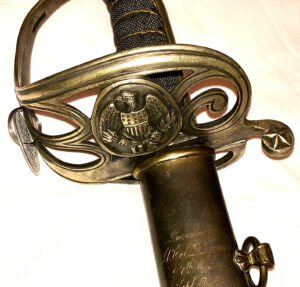
Model 1850 Non-regulation Field and Staff Officers Sword Presented to Lt. Col. Luke Lyman 27th Massachusetts Infantry in 1861
Model 1850 Non-regulation Field and Staff Officers Sword Presented to Lt. Col. Luke Lyman 27th Massachusetts Infantry in 1861March 7, 2023