
Souvenir Cane Sold in the Libby Prison War Museum in Chicago in the Late 1880sNovember 29, 2026


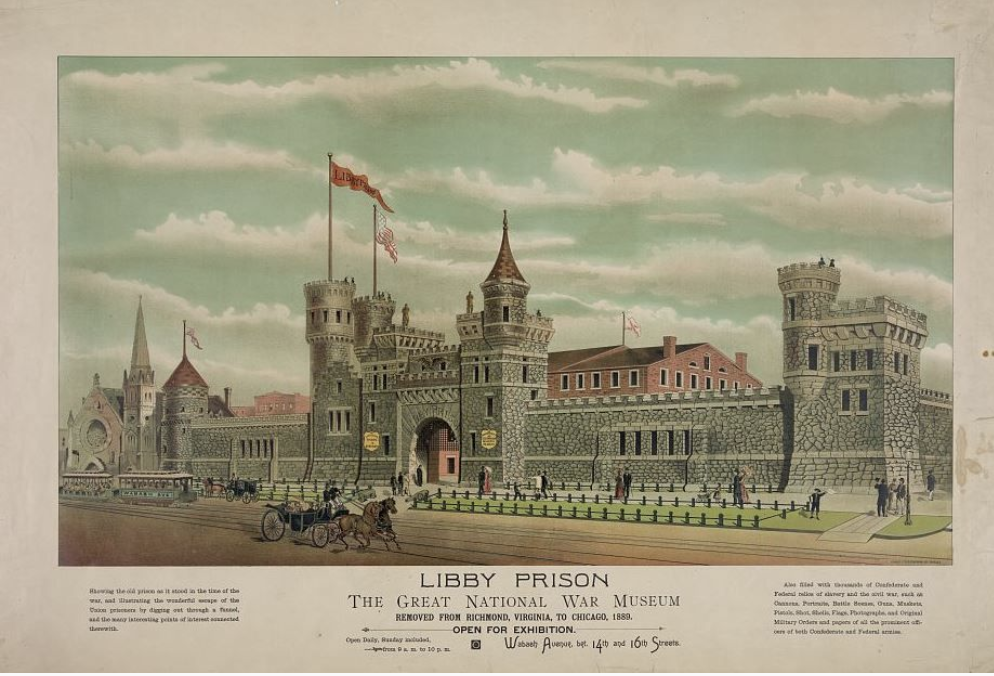
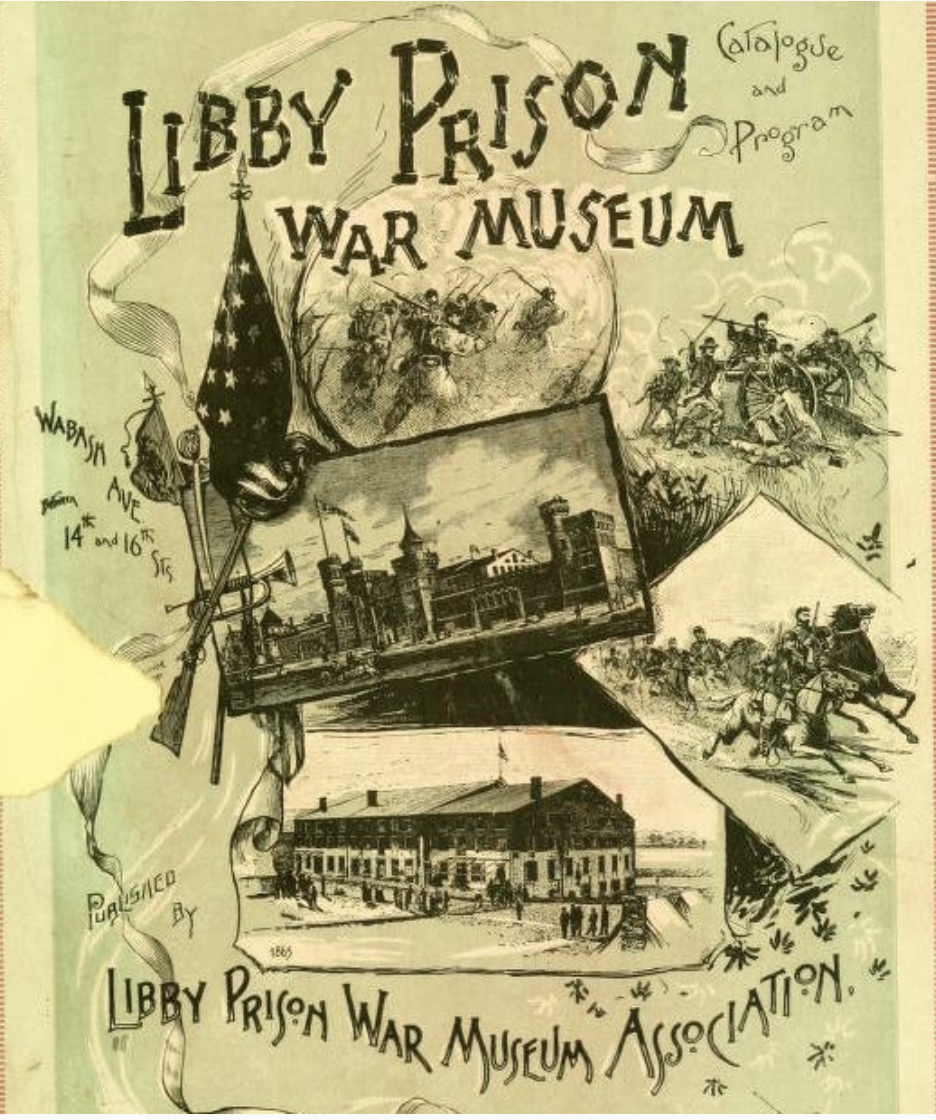
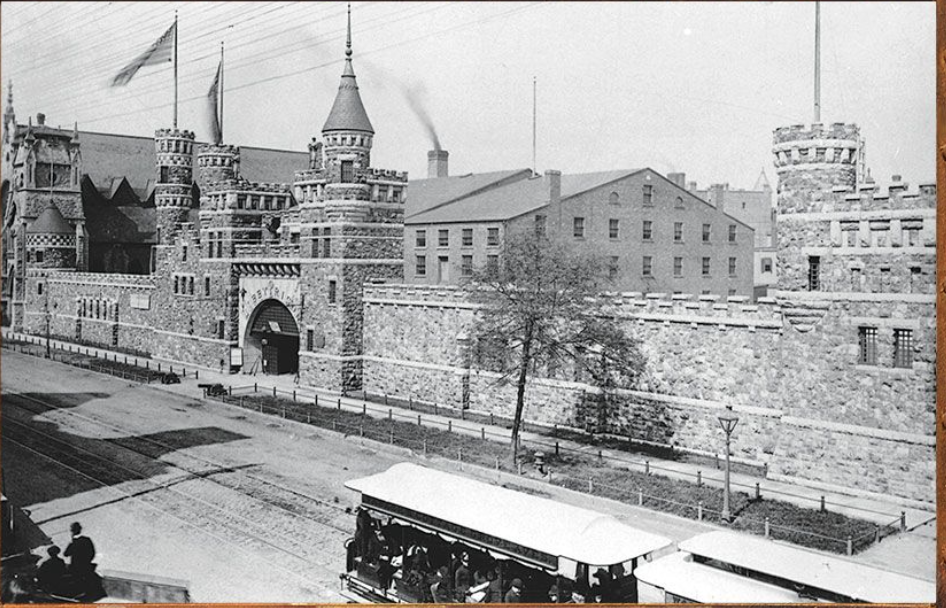
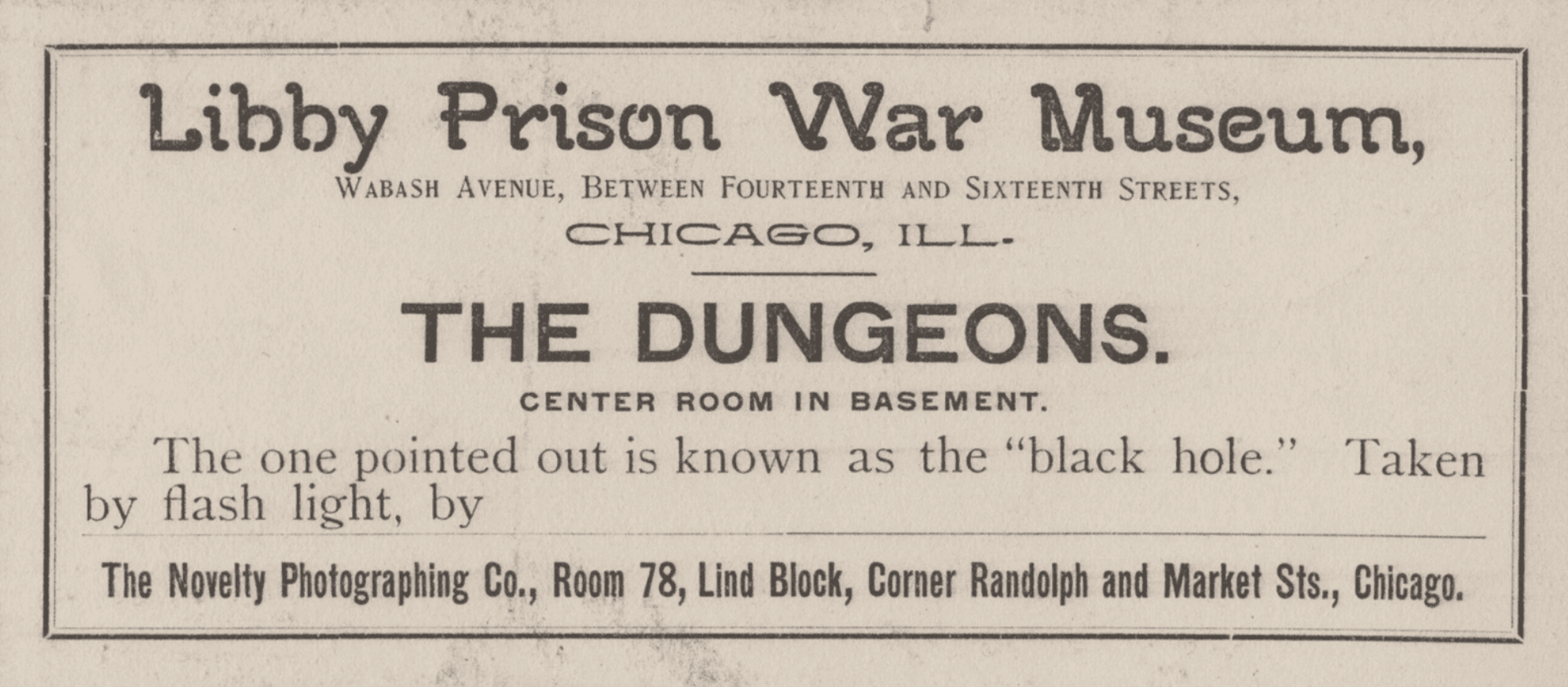
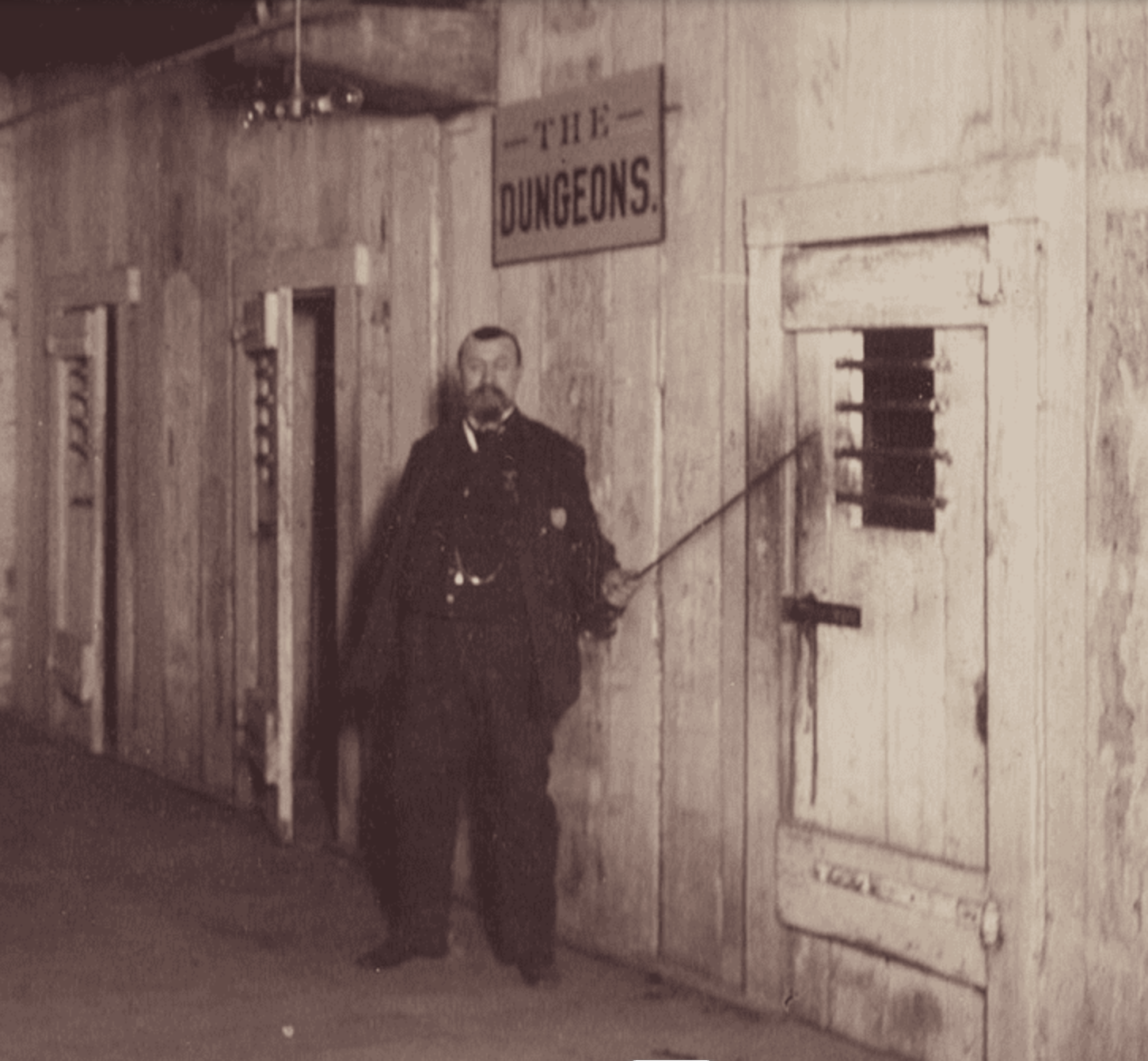
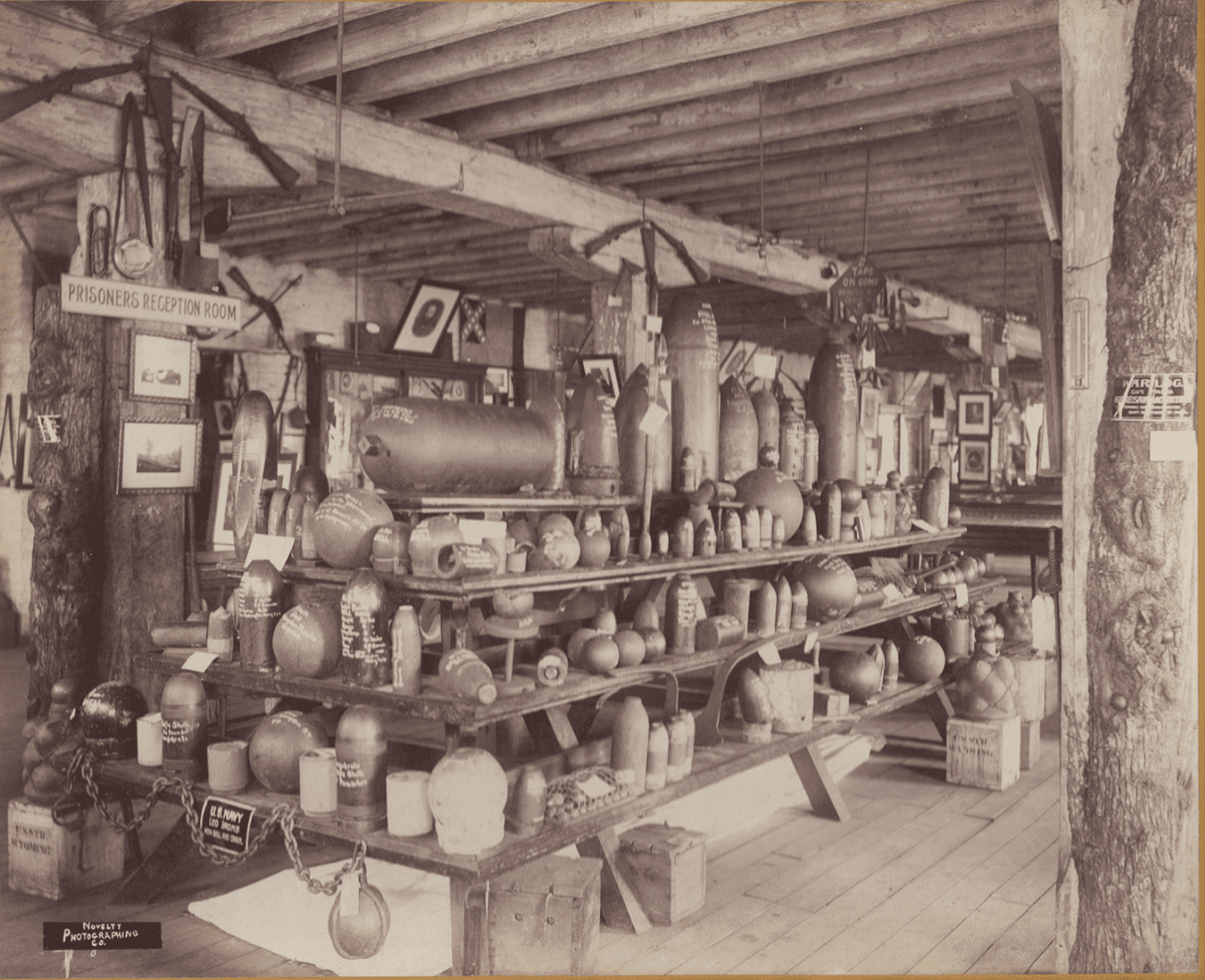
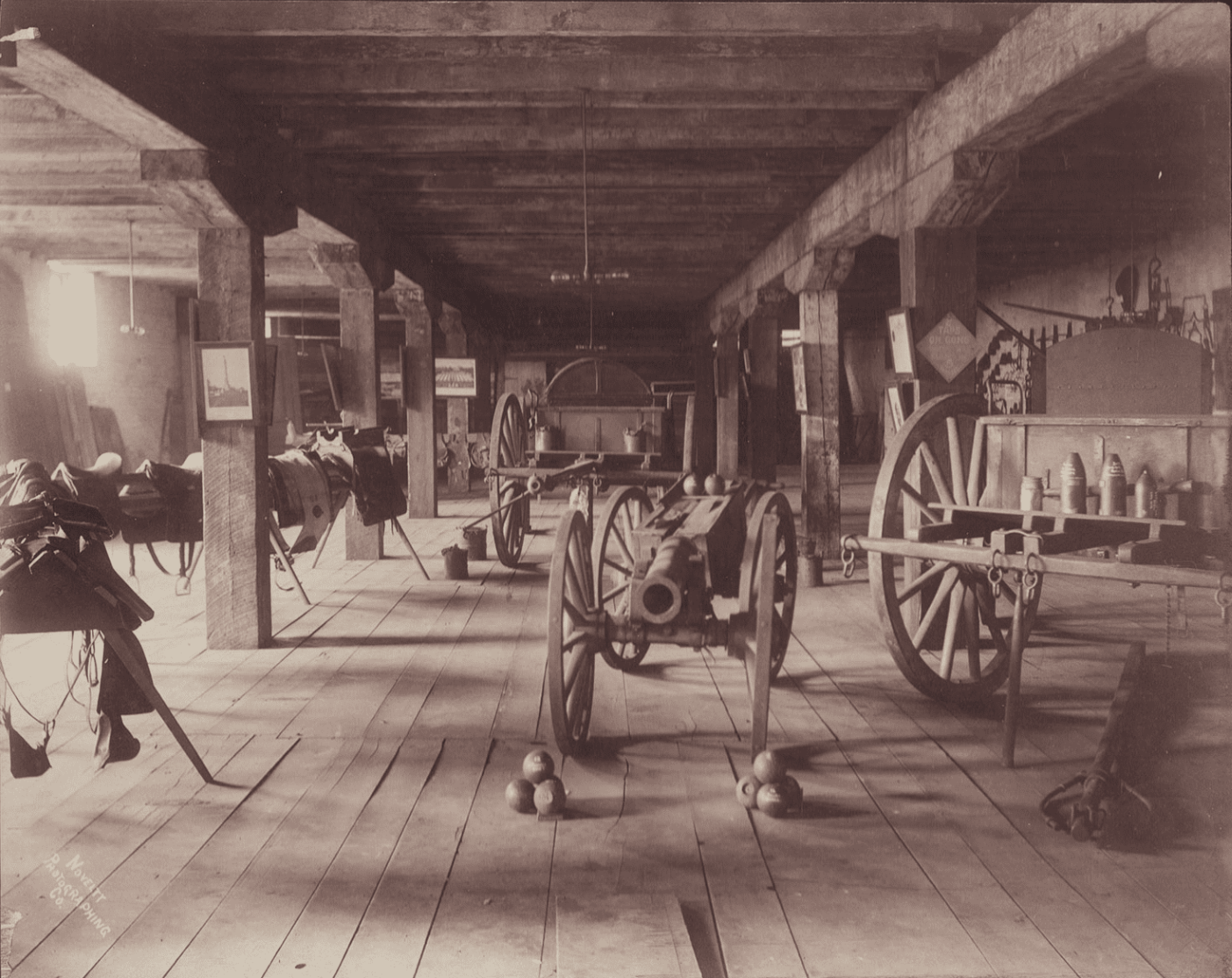
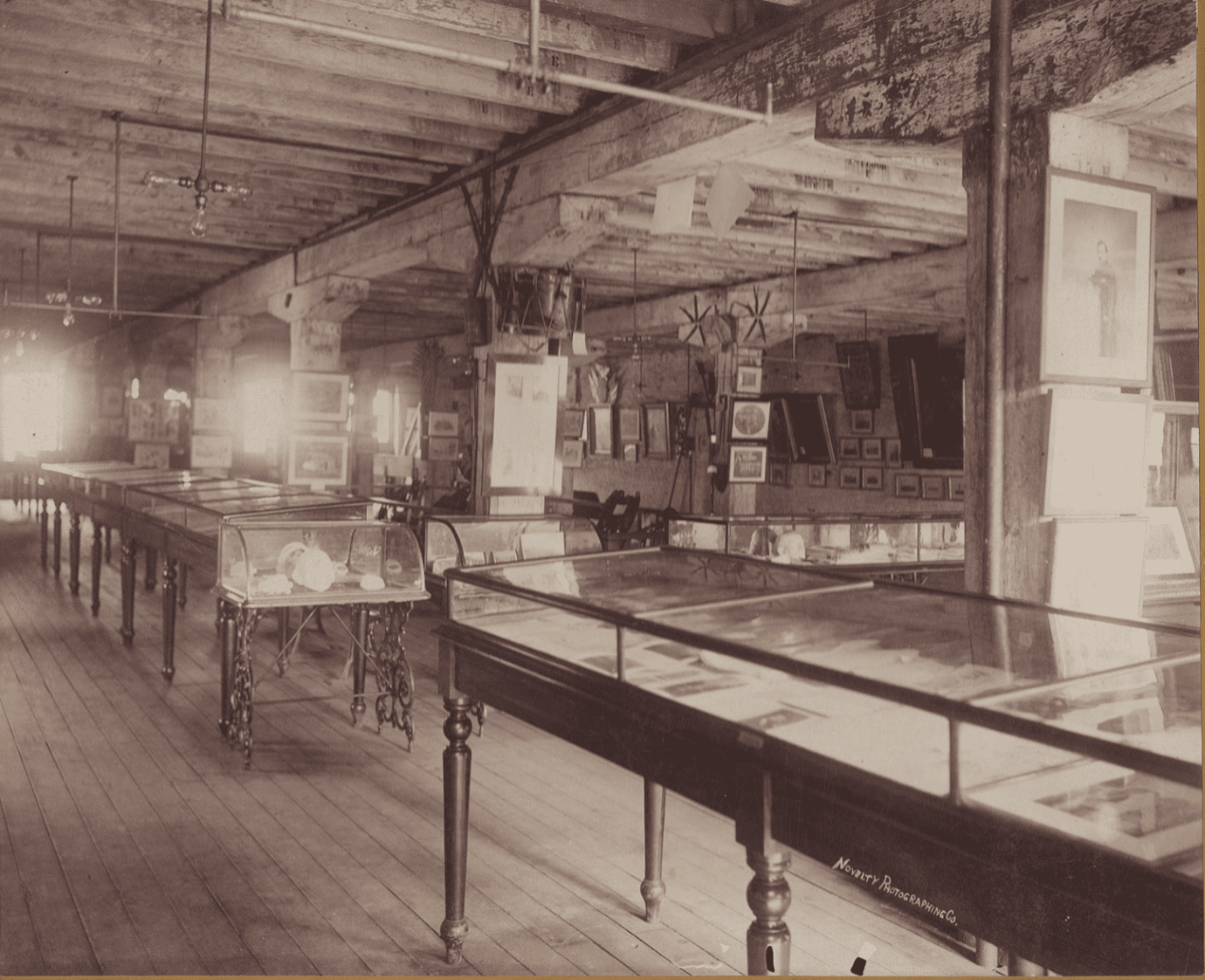
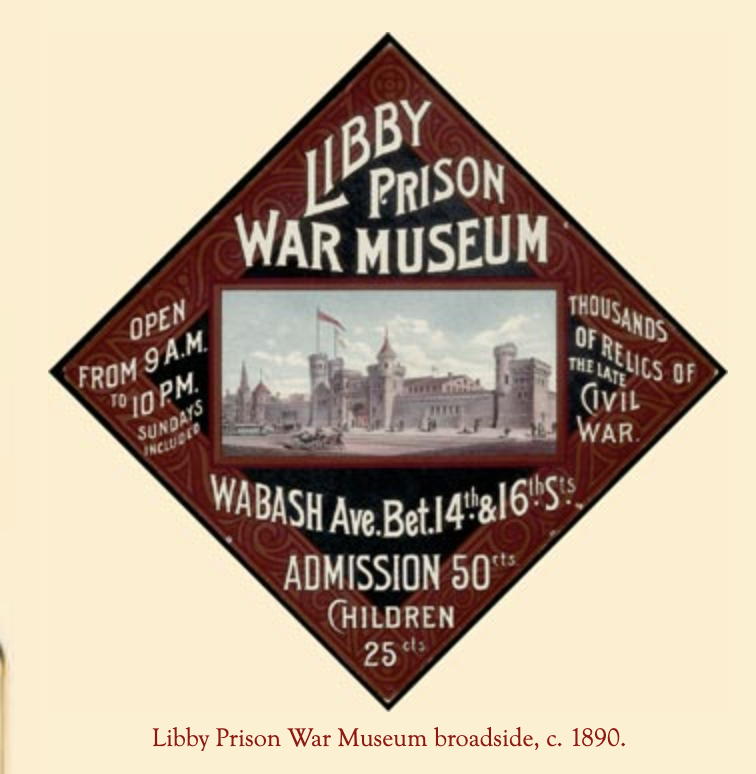
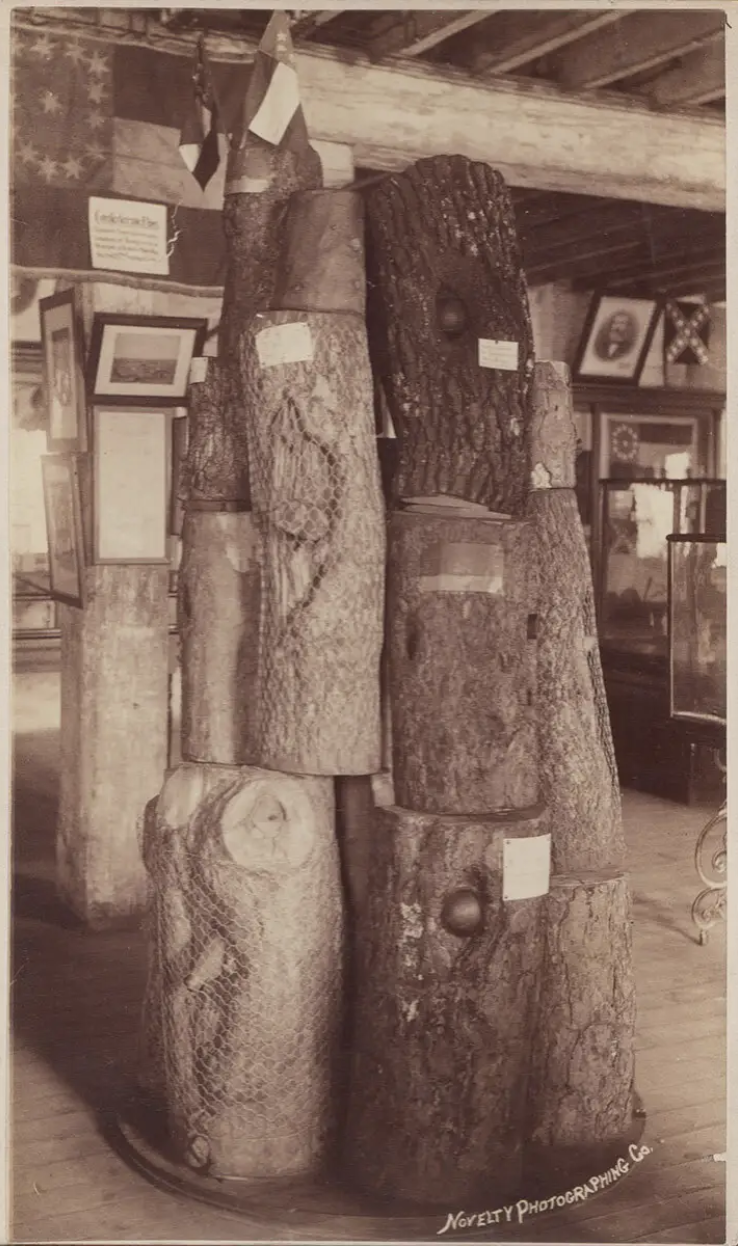
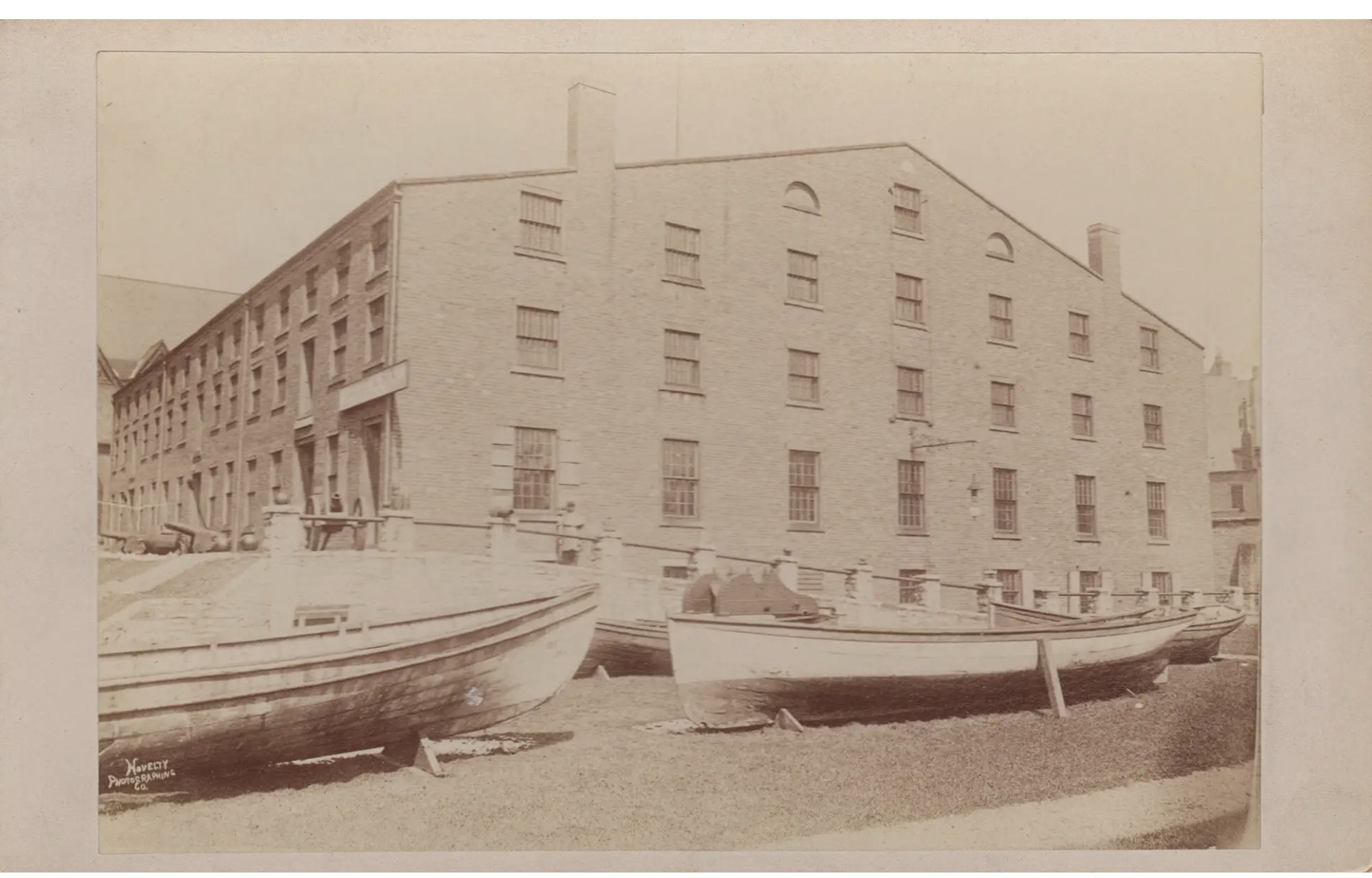
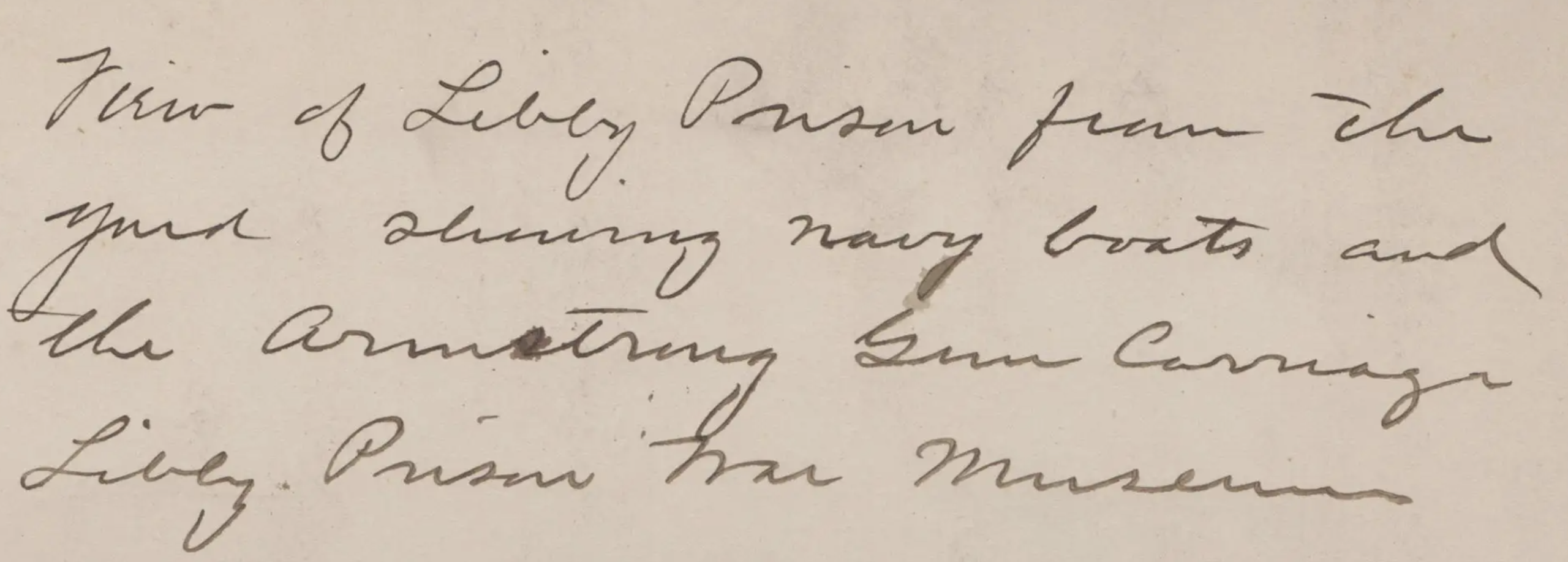
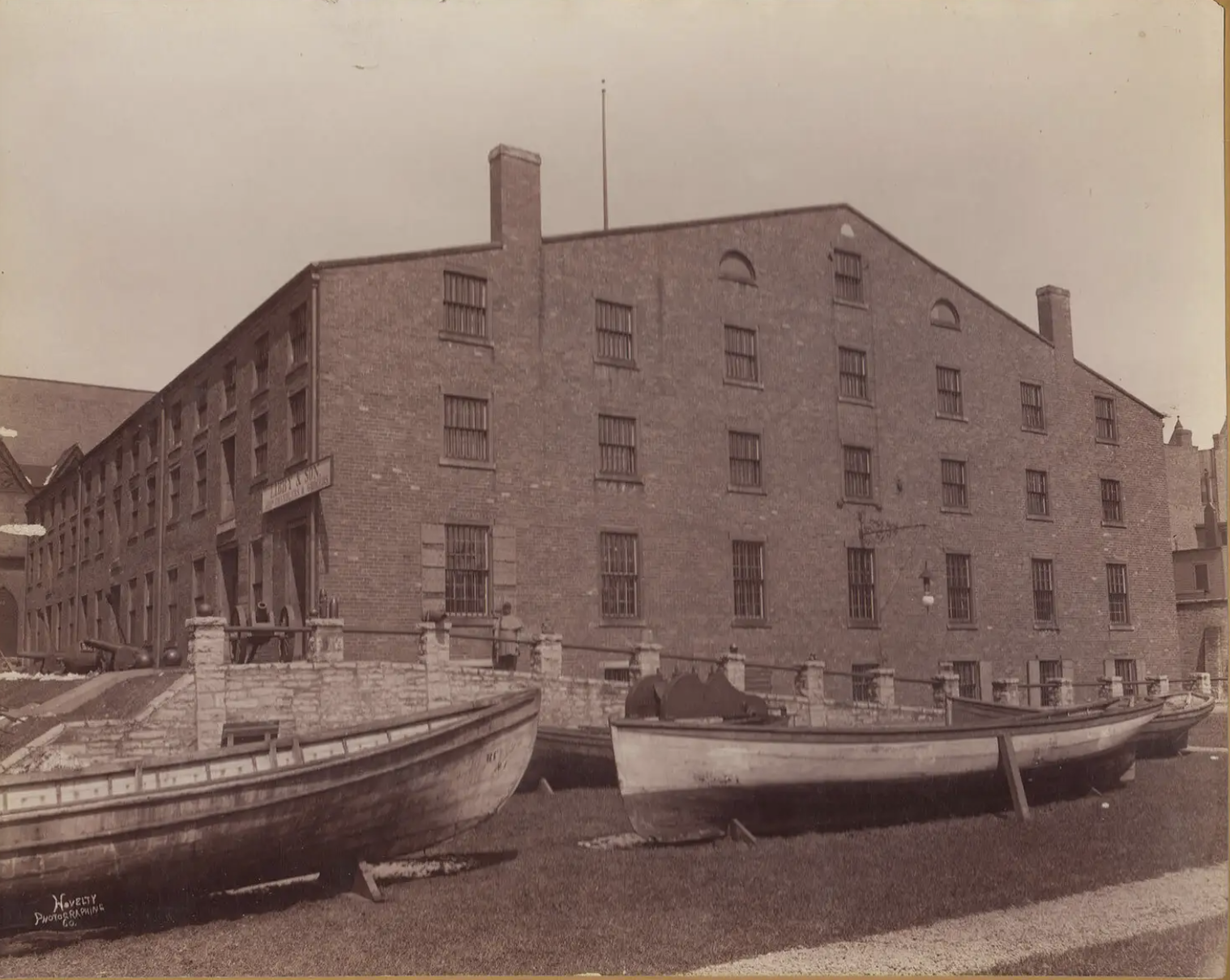
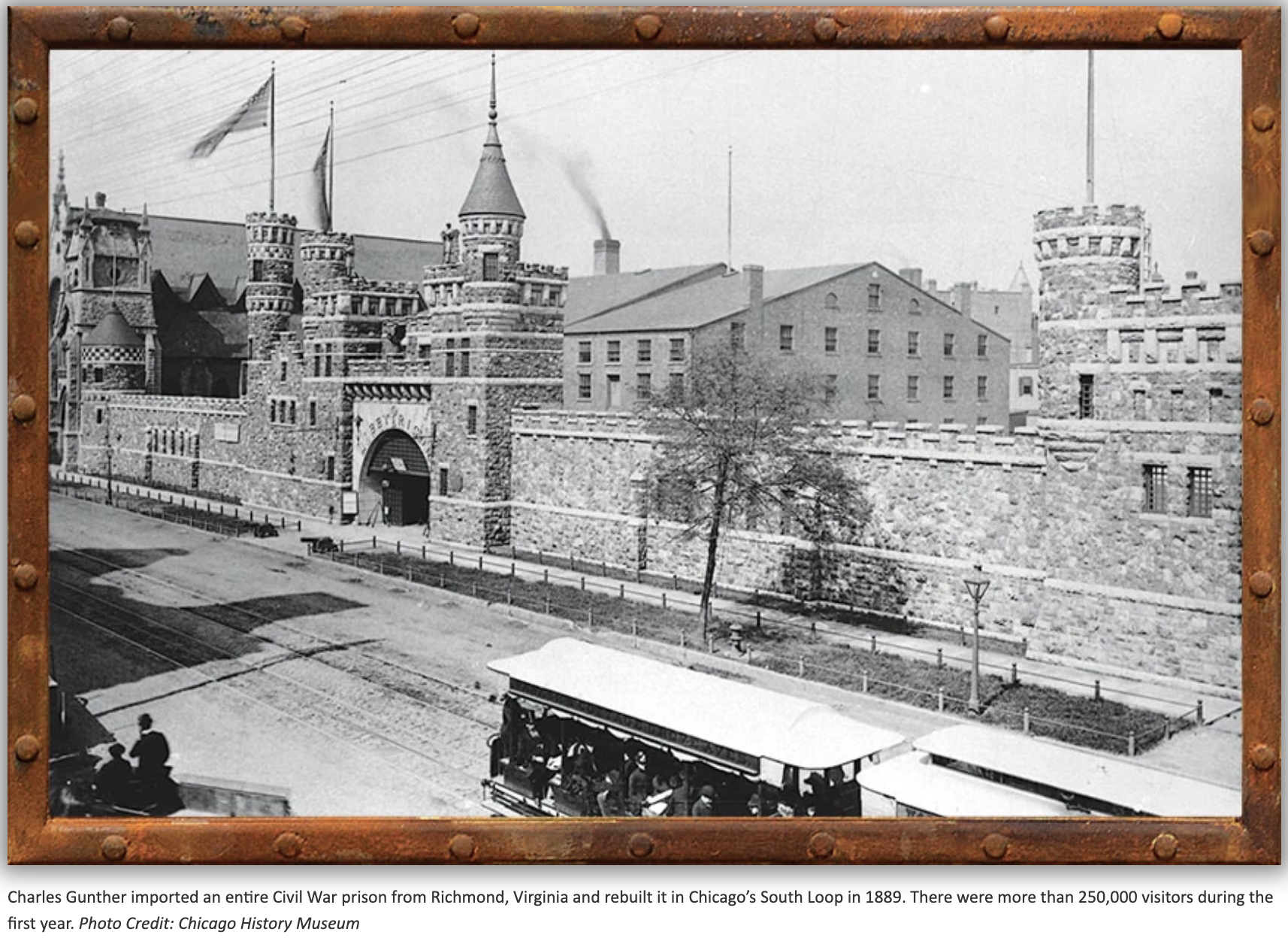
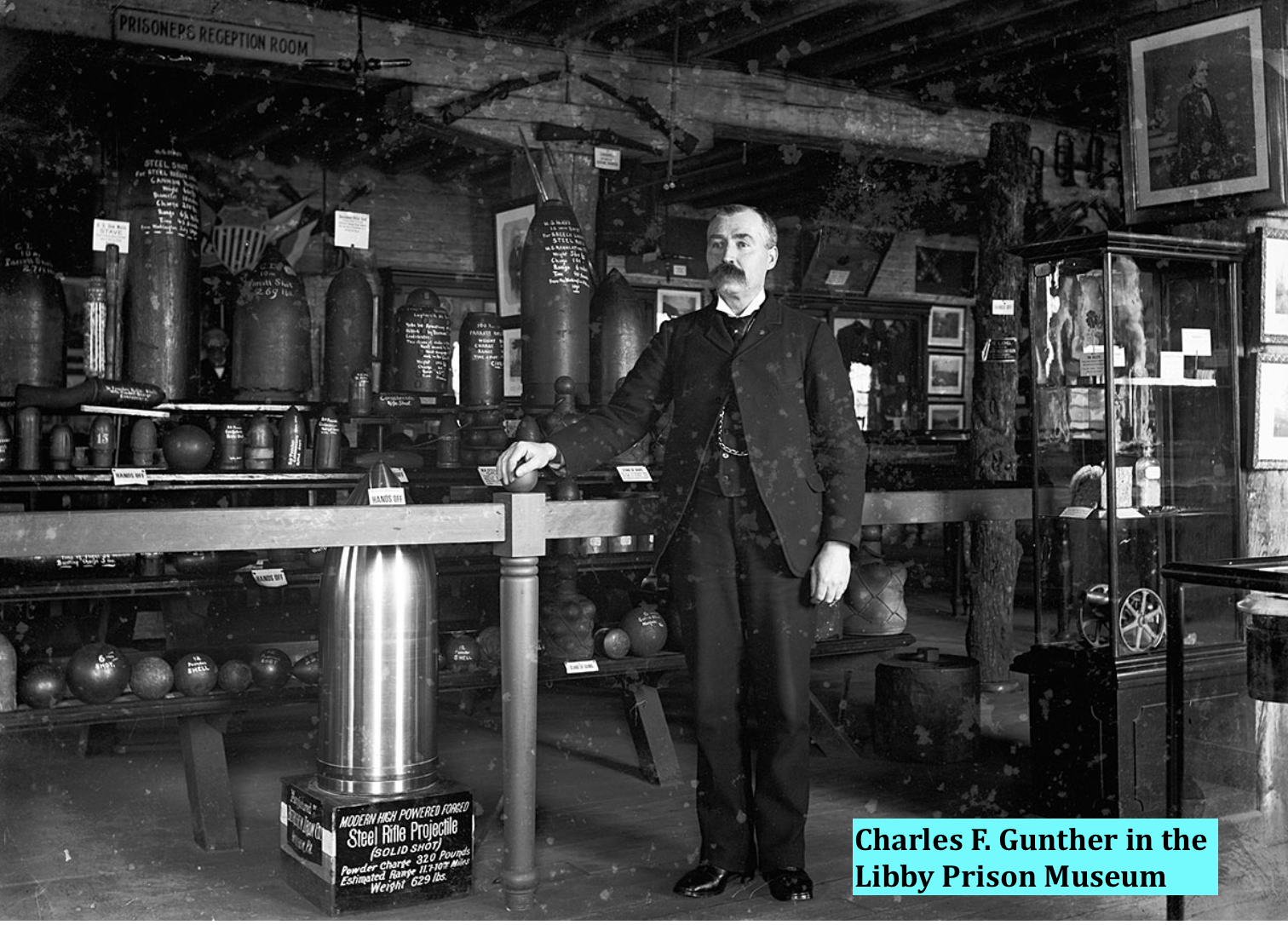
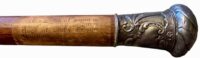


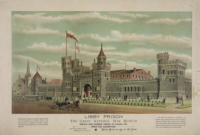
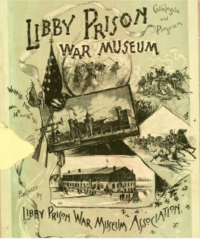
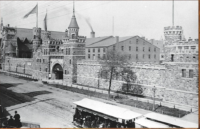
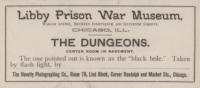
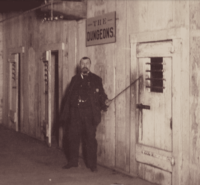
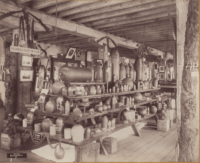
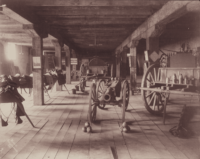
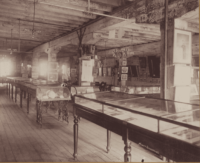
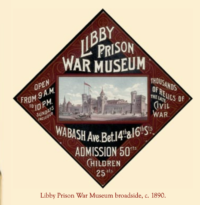
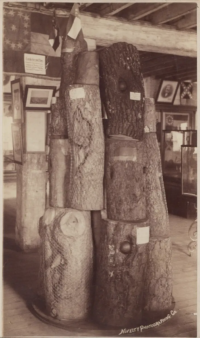
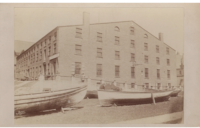
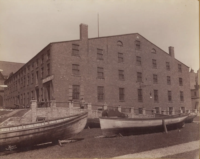
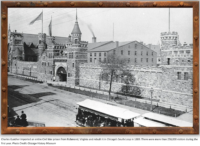
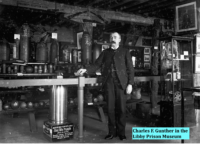
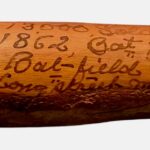
Souvenir Cane Sold in the Libby Prison War Museum in Chicago in the Late 1880s – In the late 1880s, successful candy merchant, Charles F. Gunther, purchased the infamous Richmond Civil War prison for Union officers; he subsequently dismantled the building and shipped it, via rail, to Chicago, where he had the entire building reassembled. Inside the reassembled structure, Gunther amassed a huge collection of Civil War artifacts and shortly thereafter opened the Libby Prison War Museum, in 1889. After a year or two of operation, the building was torn down, and the vast artifact collection sold to the Chicago Historical Society; the Libby Prison structural timbers were sold to an Indiana farmer who utilized them to construct a large barn.
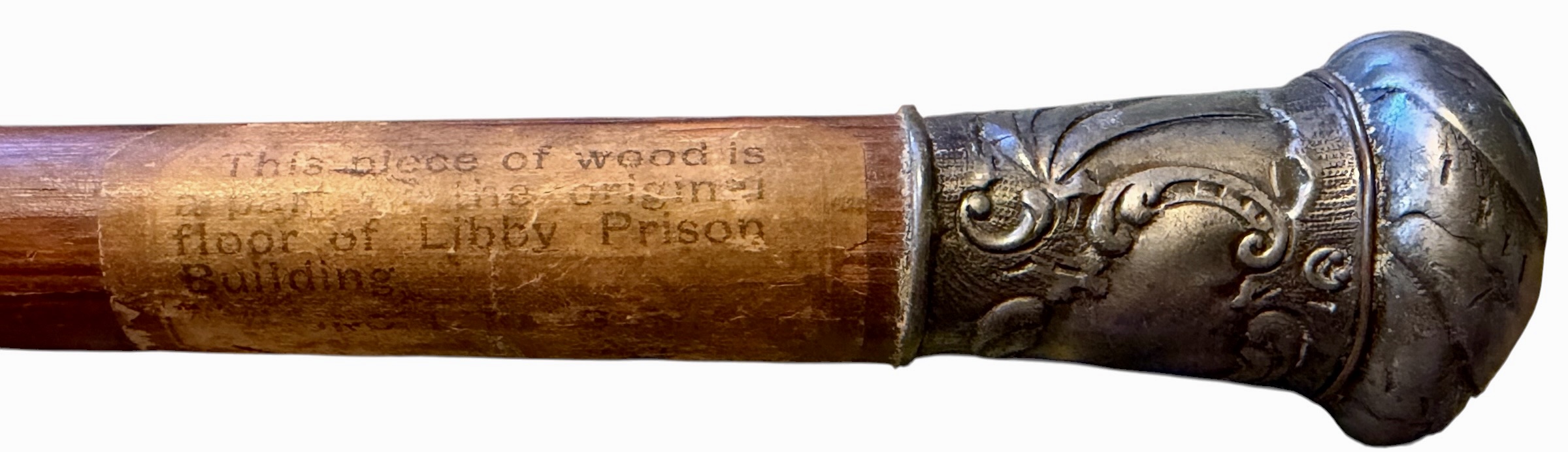
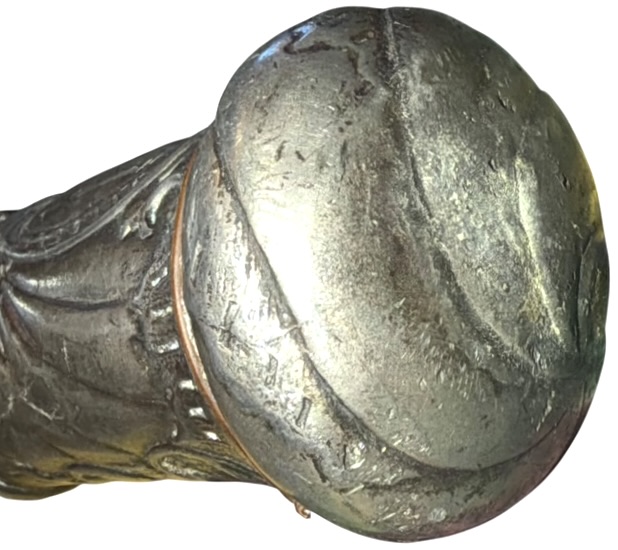
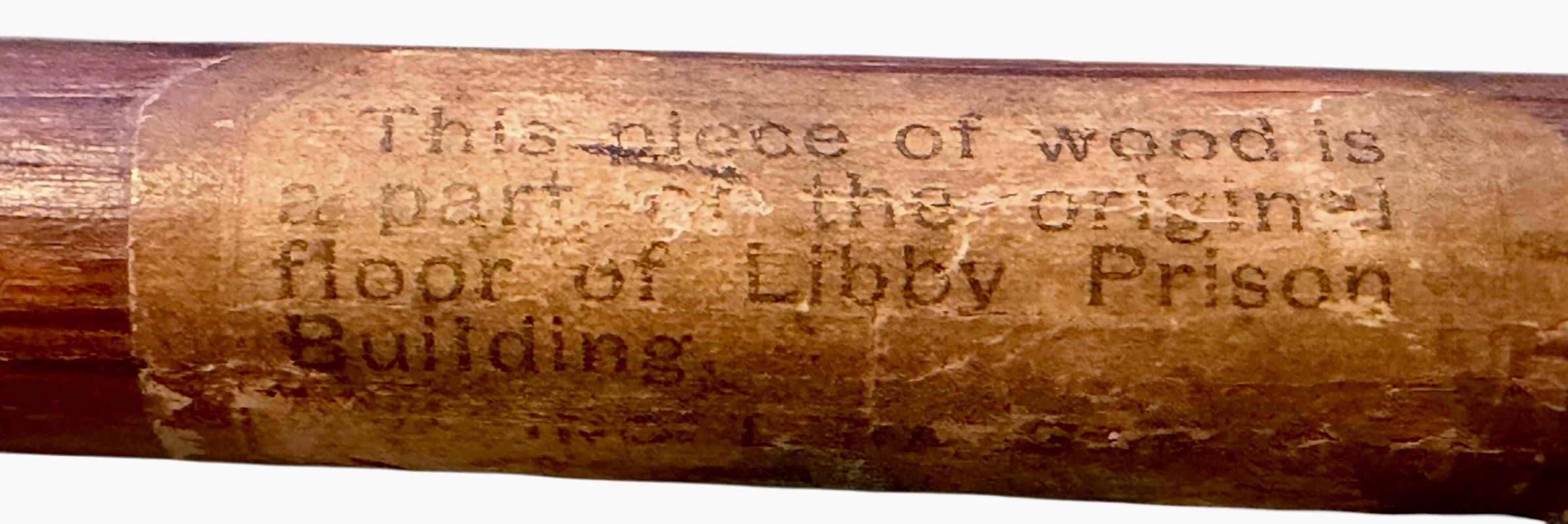
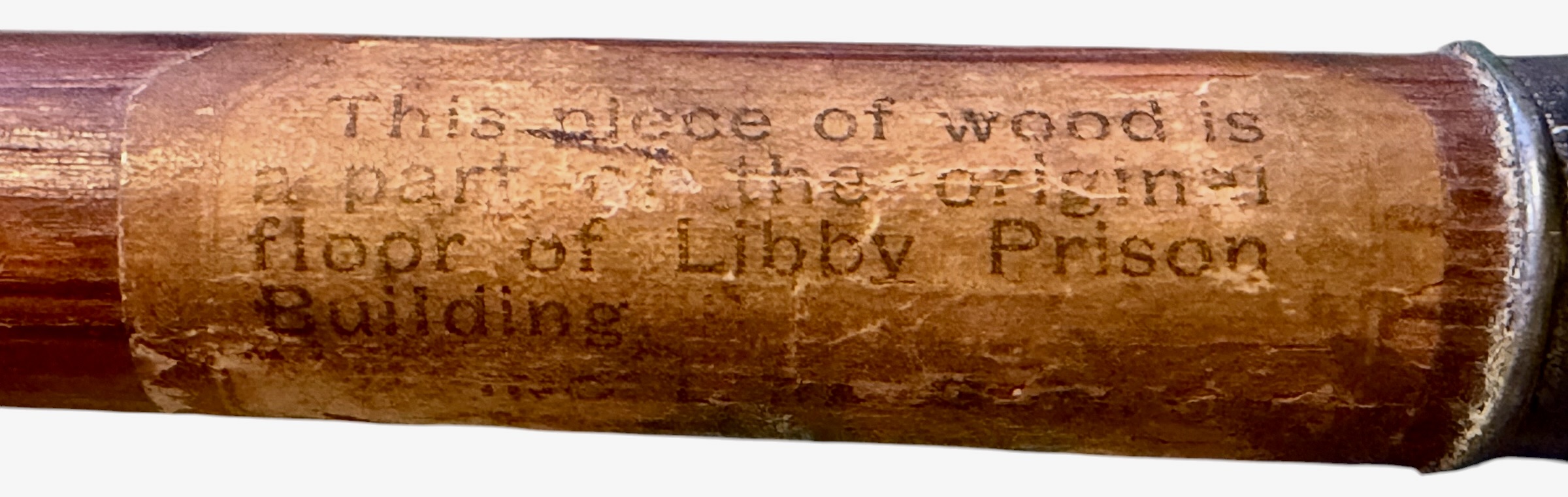
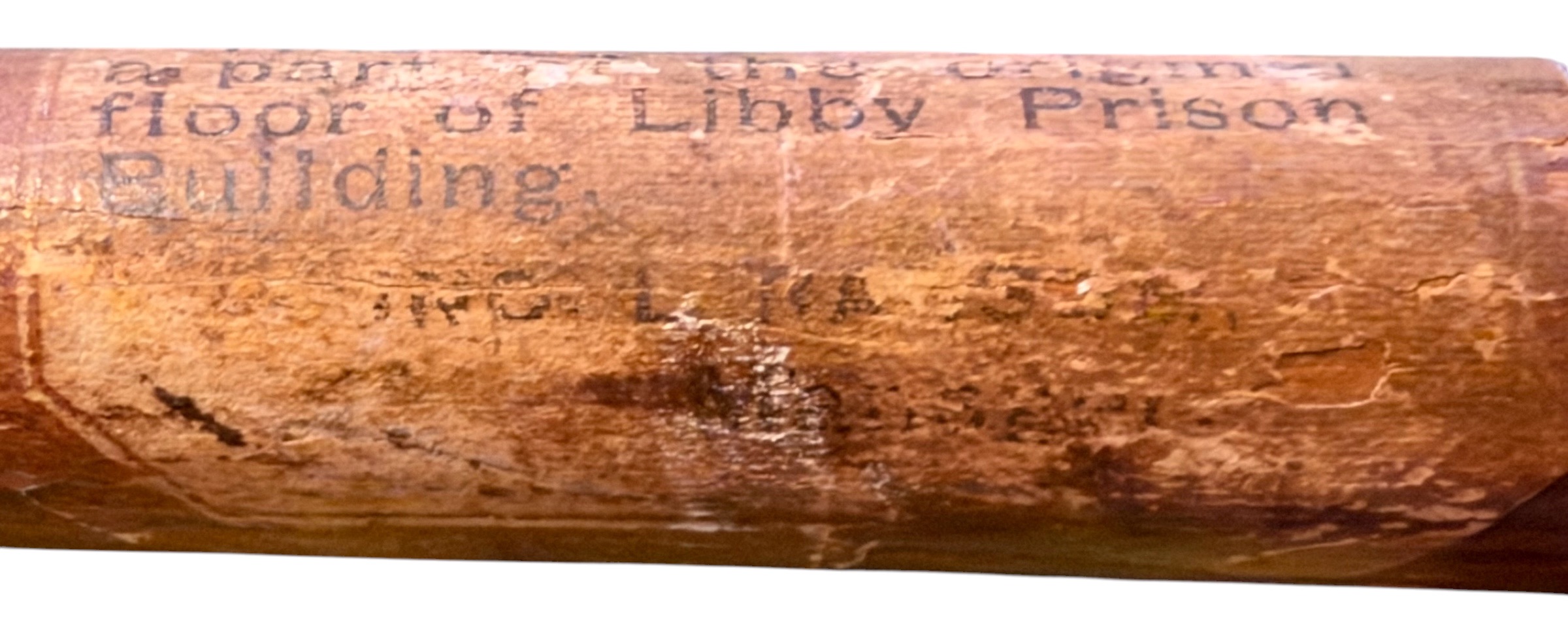
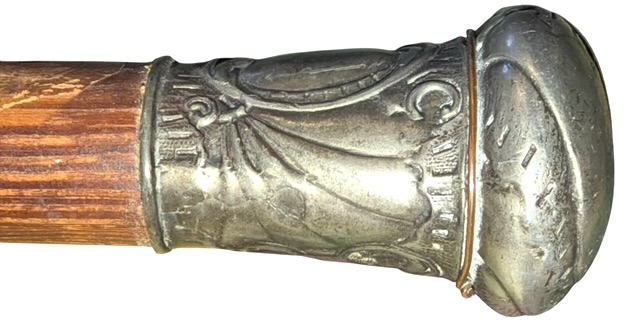
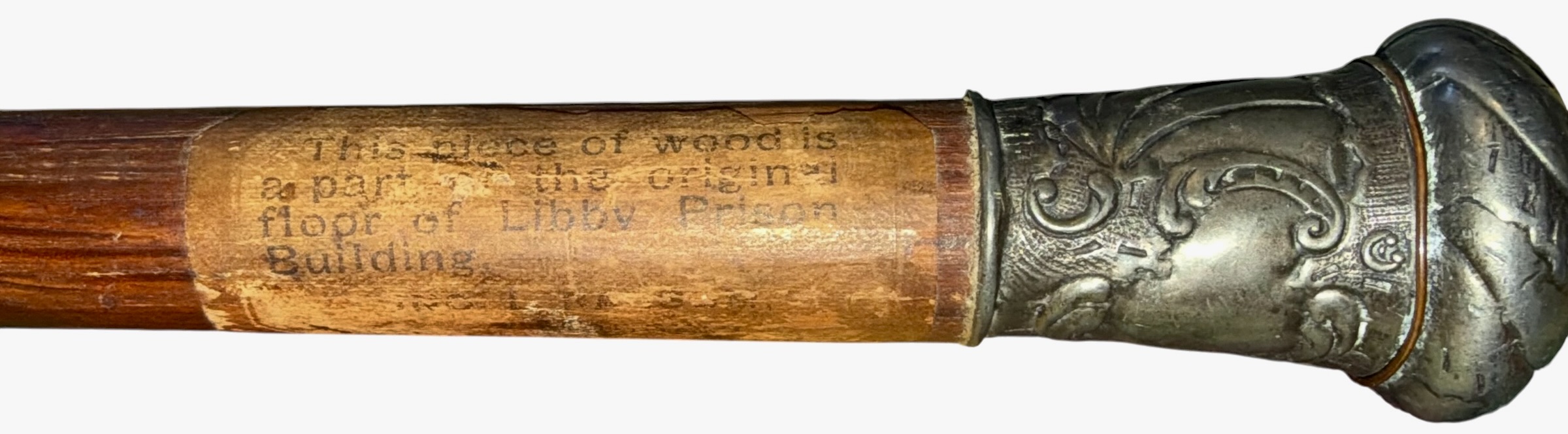
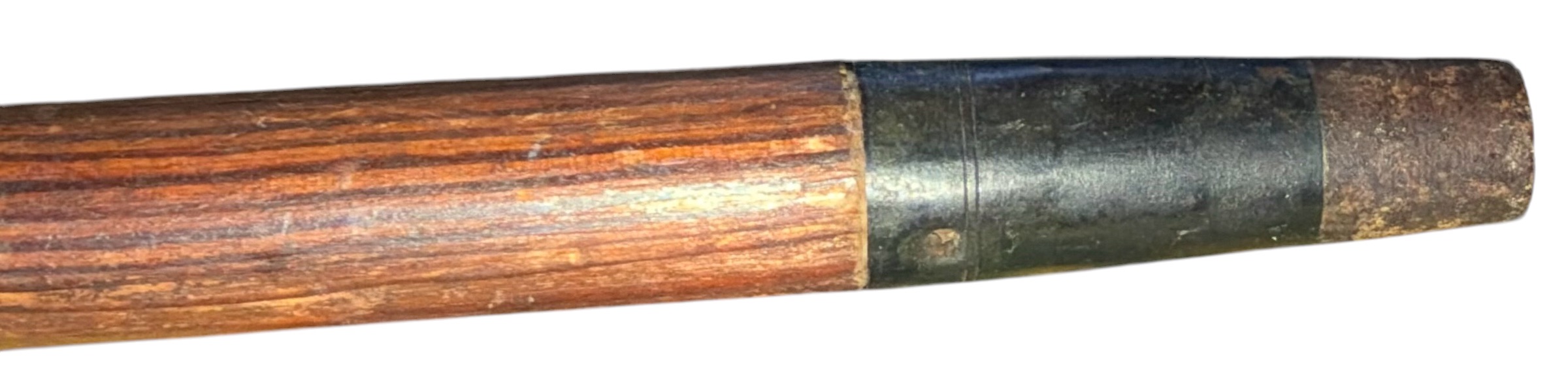
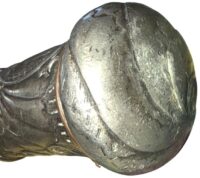
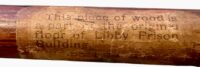
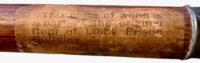
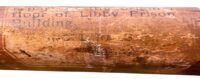
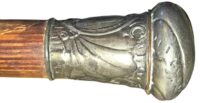
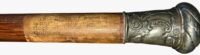
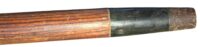
During the course of the museum’s operation, which drew substantial crowds during its first year open, Gunther sold several wooden items crafted from timbers from the original Libby Prison building. We have had various souvenir items crafted from Libby Prison wood, although this is the first cane that we have encountered. This cane is constructed of a single, varnished shaft of southern, yellow pine; it has a sheet iron tip and somewhat ornate silver pommel / handle. Affixed to the area just below the handle is an old typed paper label which is partially readable stating the following:
“This piece of wood is
a part of the original
floor of Libby Prison
Building”
Below this inscription are two additional printed lines, although we are unable to discern what these lines say, at this juncture. The cane remains in excellent condition; it measures 36” in length.
Chicago candy manufacturer Charles F. Gunther bought the former Confederate Libby Prison in Richmond, Virginia, had it dismantled and shipped by rail to Chicago, and rebuilt it as the Libby Prison War Museum in 1889.
The Museum in Chicago
- Opening & Attendance: The museum opened in 1889 on South Wabash Avenue (between 14th and 16th Streets) and drew more than 250,000 visitors in its first year.
- Design & Guides: Working with the architectural firm Burnham and Root, Gunther and a business consortium added a medieval/Gothic-style castellated wall around the building and hired Civil War veterans as guides.
- Exhibits: Gunther mixed genuine Civil War relics—including Abraham Lincoln’s deathbed, which he purchased in 1877 and displayed in a “Lincoln Room”—with sensational curiosities of questionable authenticity, such as alleged Garden of Eden snakeskin, Bithiah’s mummy, and “Uncle Tom’s Cabin”.
Demolition & Later Fate
- Chicago Coliseum: Around 1899–1900, the museum was torn down to make way for the Chicago Coliseum on the South Wabash site, though some Libby stonework/facade elements were incorporated into the new structure.
- Collection & Site Today: Gunther later sold his collection to the Chicago Historical Society in 1920. In Richmond, the original Libby Prison site near East Cary Street and South 20th Street is now marked by historical plaques rather than the original building.
Related Items
-
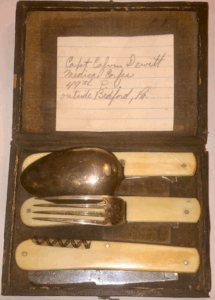
High Quality Civil War Id’d Officer’s Traveling Mess Utensils in Original Case
$1,150High Quality Civil War Id’d Officer’s Traveling Mess Utensils in Original CaseSeptember 25, 2022 -
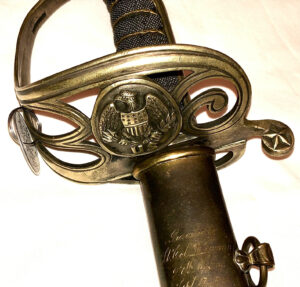
Model 1850 Non-regulation Field and Staff Officers Sword Presented to Lt. Col. Luke Lyman 27th Massachusetts Infantry in 1861
Model 1850 Non-regulation Field and Staff Officers Sword Presented to Lt. Col. Luke Lyman 27th Massachusetts Infantry in 1861March 7, 2023 -

Original Regimentally Painted, Civil War Knapsack – Co. F 5th U.S. Infantry
$550Original Regimentally Painted, Civil War Knapsack – Co. F 5th U.S. InfantryDecember 10, 2021 -
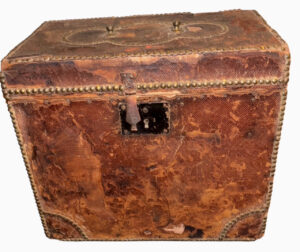
Civil War Period Shipboard Trunk and CDV of Lieutenant Charles H. Swasey, Mortally Wounded
$1,150Civil War Period Shipboard Trunk and CDV of Lieutenant Charles H. Swasey, Mortally WoundedNovember 10, 2021