
1865 Sketchbook with Hand Drawn Renditions of the Capture of New Orleans, the Battle Between the Monitor and Merrimac and the Battle of Gettysburg as well as Additional Period Street ScenesApril 5, 2026
1865 Sketchbook with Hand Drawn Renditions of the Capture of New Orleans, the Battle Between the Monitor and Merrimac and the Battle of Gettysburg as well as Additional Period Street Scenes
$1,450
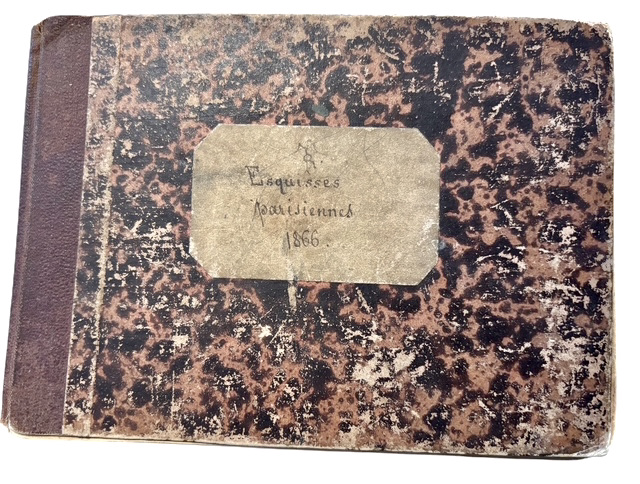
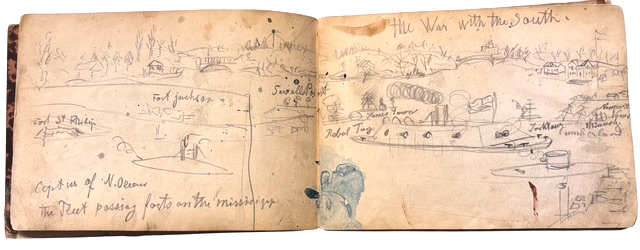
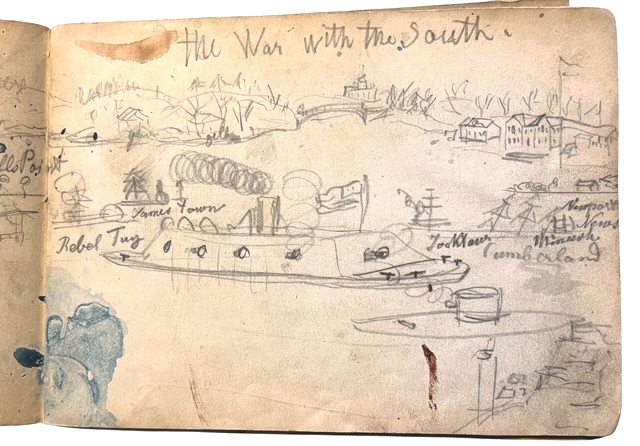
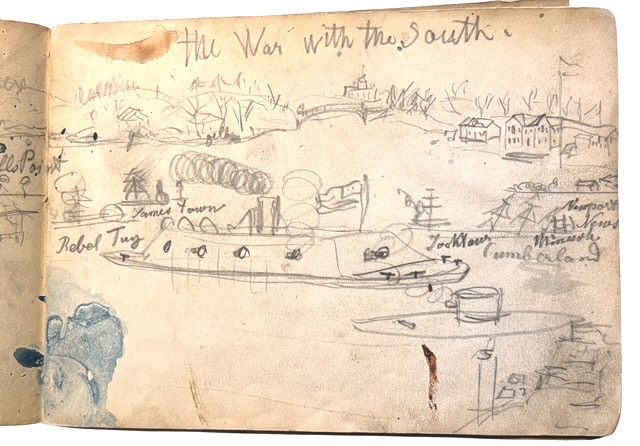
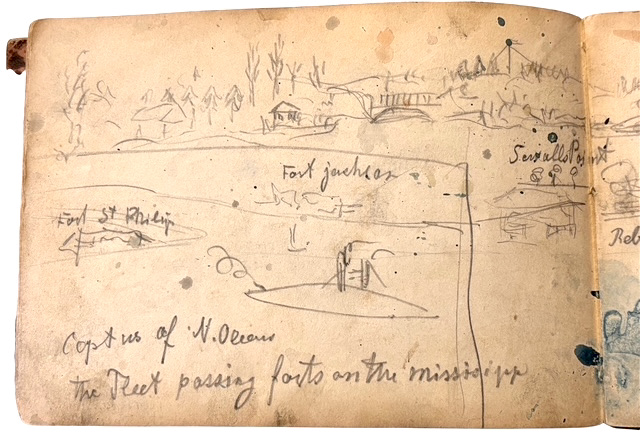
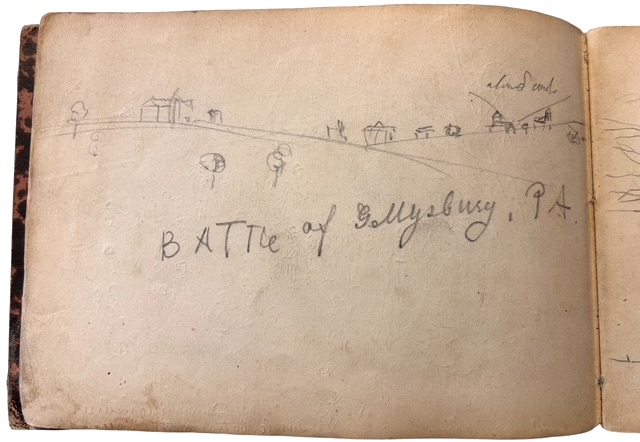
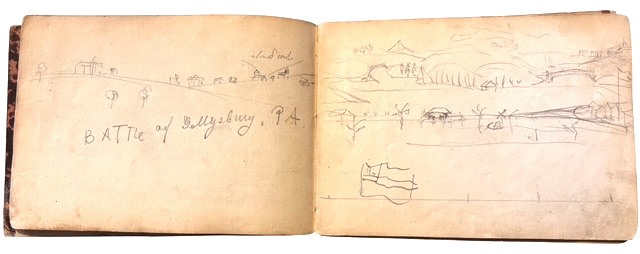
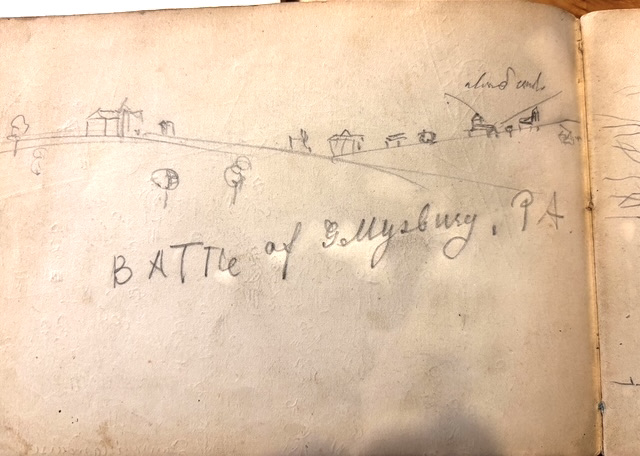
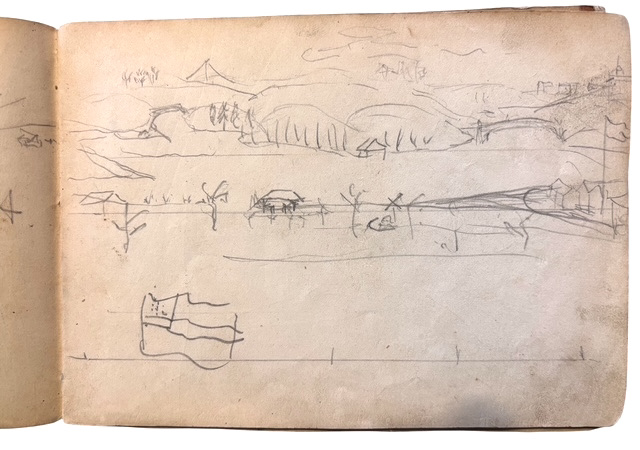
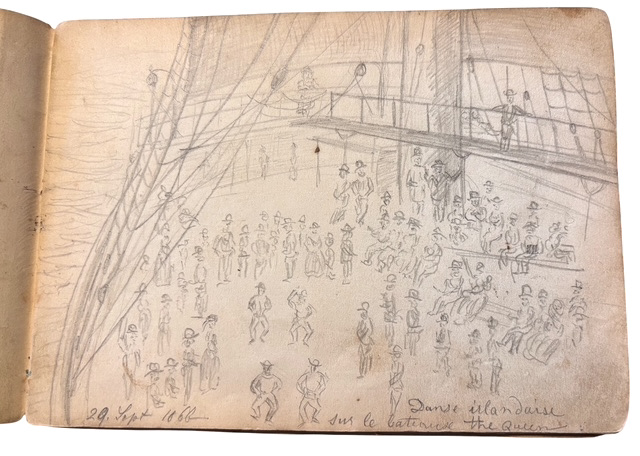
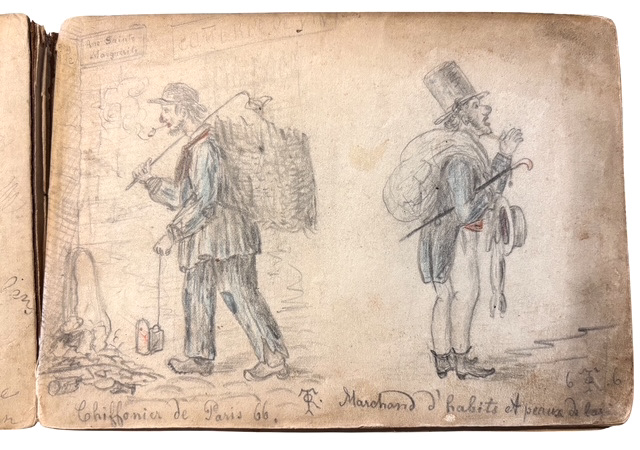
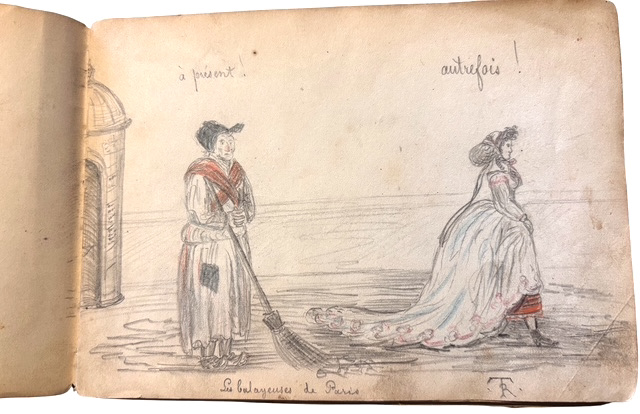
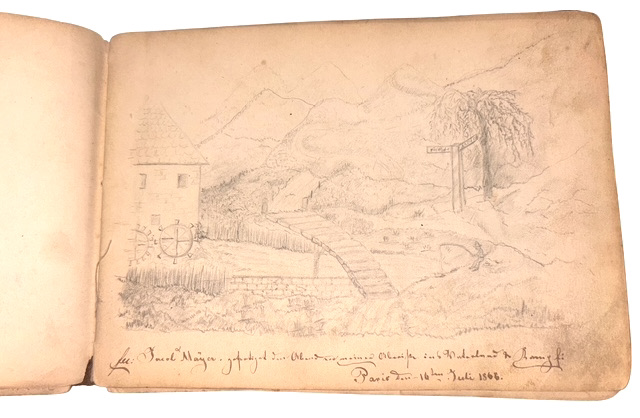
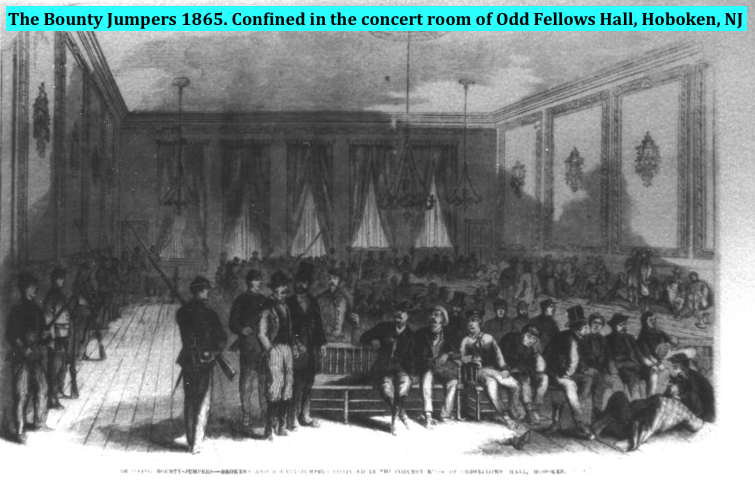
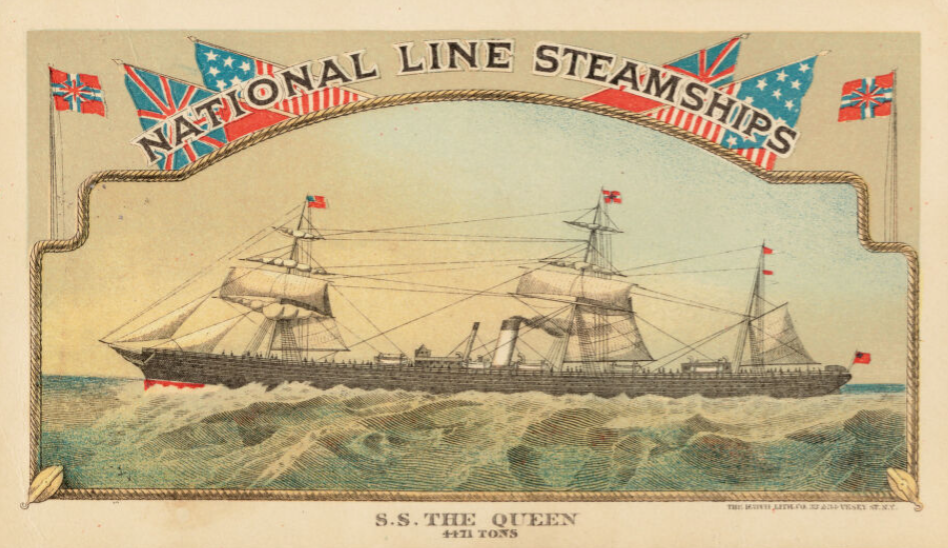
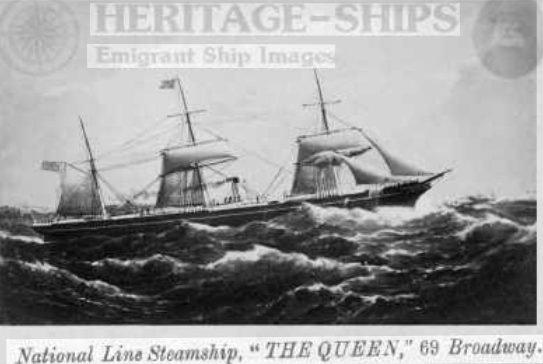
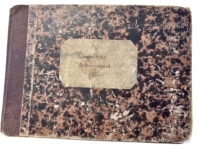
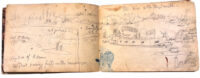
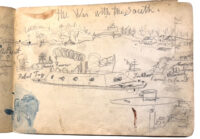
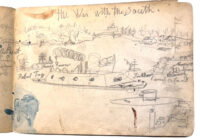
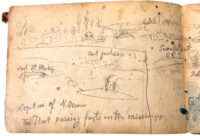
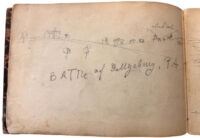
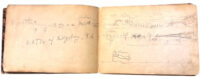
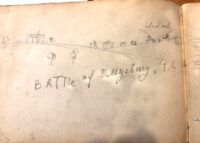
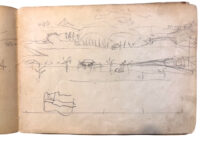
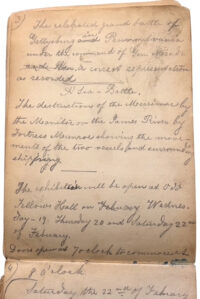
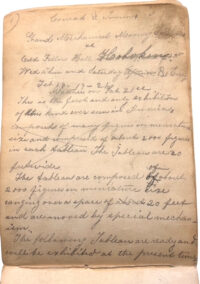
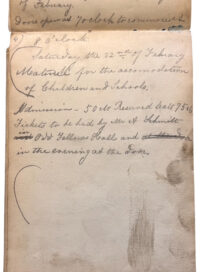
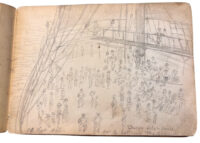
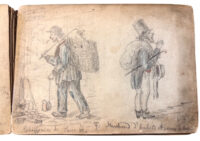
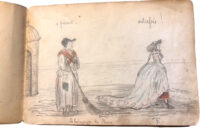
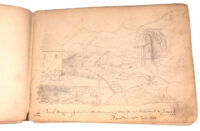
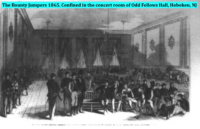
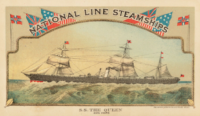
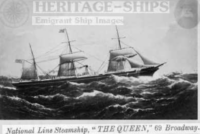
1865 Sketchbook with Hand Drawn Renditions of the Capture of New Orleans, the Battle Between the Monitor and Merrimac and the Battle of Gettysburg as well as Additional Period Street Scenes – This intriguing sketchbook is entitled, on the book’s marbled cover: “Esquisses Parisiennes 1866.” Contained in the book are several very well executed drawings, in pencil (some with tinting) of Paris street scenes and various mid-19th century, Paris inhabitants; additionally, there is a sketch of a shipboard dance on the “Queen”, with the date of September 29, 1866 written on the drawing, which was possibly done on the artist’s return trip to Europe from New York to Liverpool (***note research detailing the National Line ship “Queen”). Significantly, there are three or four sketches of Civil War battle tableaux to include: Gettysburg (somewhat limited in scope), the naval assault on New Orleans and a rather detailed drawing of the March 1862 encounter between the USS Monitor and the Confederate ironclad Virginia (Merrimac) – the latter shows the sinking of the Cumberland, as well as depictions of additional US Navy vessels and shoreline forts. Included in the back of the book is a handwritten explanation*** of the source of the Civil War engagement sketches – a group of Civil War miniature displays, sometimes called “dioramas” or “polyramas,” presented to the paying public, in the latter parts of the war and just after, to depict significant battles; an accompanying period written explanation, on pages in the back of the sketchbook, indicates that the tableaux sketched in the book, were displayed at the Hoboken, New Jersey Odd Fellows Hall – research indicates that an entity known as Goodwin & Woodward’s “Polyorama*** of the War” (a massive, minutely detailed panoramic and dioramic exhibition of Civil War battles – A traveling show advertised in 1864 featuring “prominent battles” and naval engagements) was a popular traveling show in New Jersey, in 1864. Although the book’s cover indicates that the drawings of Paris occurred in 1866, we presume that the artist was in America during the latter stages of the war and shortly thereafter returned to France aboard the “Queen”. The book and the sketches contained therein remain in overall good condition; this sketchbook is an exceedingly unique piece of Civil War artistic history, belying a rarely researched and related aspect of wartime civilian interest in what was occurring on the battlefield.
***Written in the back of the sketchbook:
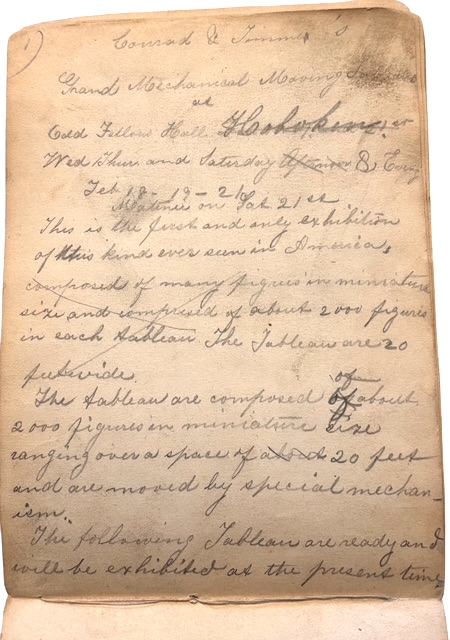
“Conrad & Timmer’s
Odd Fellows Hall Hoboken
Wed, Thur and Saturday & ?
Feb 18 – 19 -21
Matinee on Sat 21st
This is the first and only exhibition
of this kind ever seen in America
composed of many figures in miniature
size and comprised of about 2000 figures
in each tableau. The tableau are 20
feet wide.
The tableau are composed of about
2000 figures in miniature size
ranging over a space of 20 feet
and are moved by special mechanism.
The following Tableaux are ready and
will be exhibited at the present time
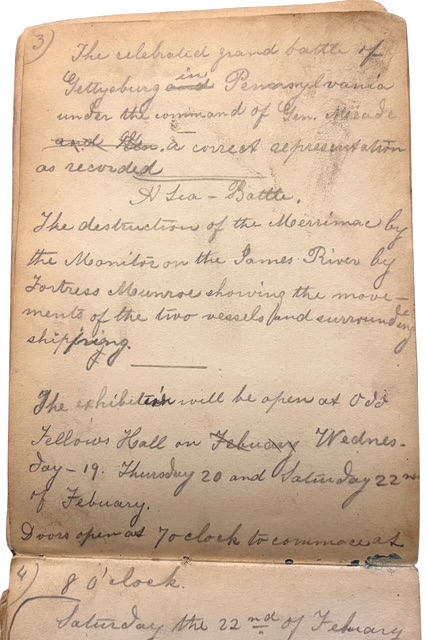
The celebrated grand battle of
Gettysburg in Pennsylvania
under the command of Gen. Meade
a correct representation
as recorded
A Sea Battle
The destruction of the Merrimac by
by the Monitor on the James River by
Fortress Monroe showing the move-
ments of the two vessels and surrounding
shipping.
The exhibition will be open at Odd
Fellows Hall on Wednes-
day – 19 Thursday 20 and Saturday 22nd
of February.
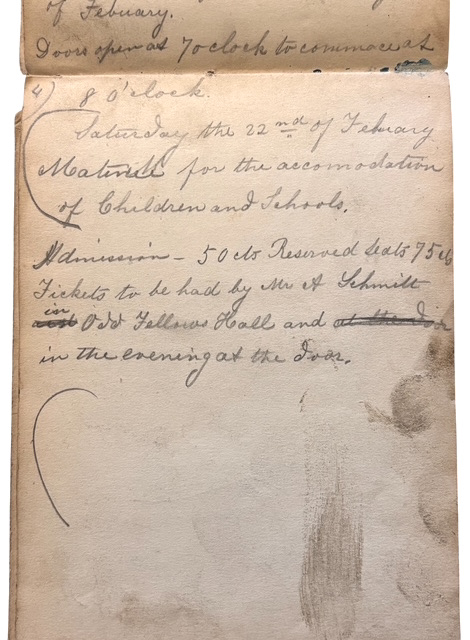
Doors open at 7 o’clock to commence at
8 o’clock.
Saturday the 22nd of February
Matinee for the accommodation
of Children and Schools.
Admission – 50 cts Reserved seats 75 cts
Tickets to be had by Mr. A Schmitt
in Odd Fellows Hall and
in the evening at the door. “
*** Civil War polyoramas were traveling entertainment exhibits featuring moving panoramic paintings, often depicting battlefield scenes with dramatic machinery and narration. These portable “moving panoramas” used cranking mechanisms to move painted canvas strips across a box-like window, allowing them to tour various cities.
***Records indicate that a passenger ship named The Queen of the National Line was actively operating transatlantic voyages to New York, including a departure from Liverpool on August 23, 1865; The National Line steamer Queen (3,412 tons) operated between Liverpool and New York in 1866, having launched in 1865. While specific sailing logs for September 1866 are not detailed in the search results, the ship actively operated on this route during that period.”
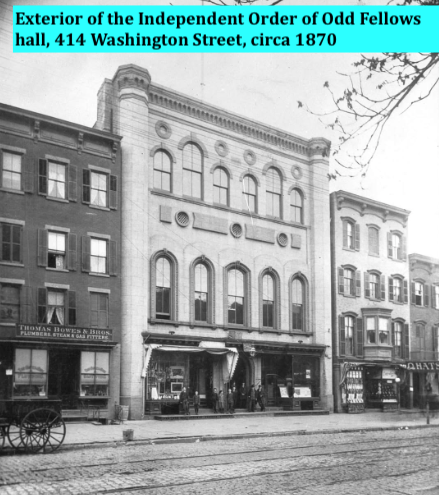
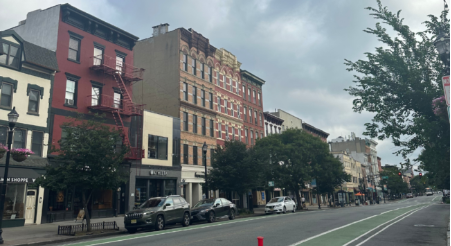
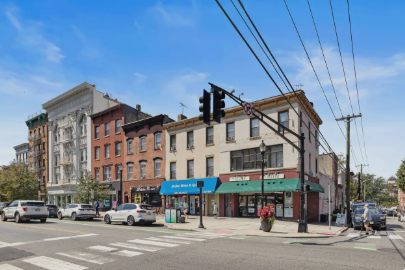
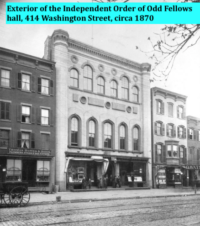
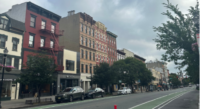
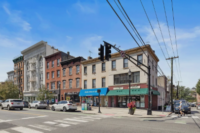
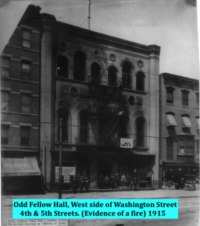
The historic Odd Fellows Hall in Hoboken, NJ, which is still standing at its Civil War period location, is located at 412–414 Washington Street and was established in 1852 by the Independent Order of Odd Fellows (IOOF). The building hosted community events, social clubs, and a theater (Seven Stars/The Majestic) before later housing other businesses, such as a former Blockbuster and Sam’s Furniture.
Key Aspects of the Hoboken Odd Fellows Hall:
- Location: 412–414 Washington Street (west side, between 4th & 5th Streets).
- Significance: Served as a hub for local social clubs and fraternal meetings.
- History: The IOOF built the lodge, and later the building became home to the Seven Stars Theater, which was later renamed The Majestic.
- Later Uses: The building formerly housed a Blockbuster Video and is often recalled for its association with Sam’s Furniture in the 1960s.
Location & Historical Context
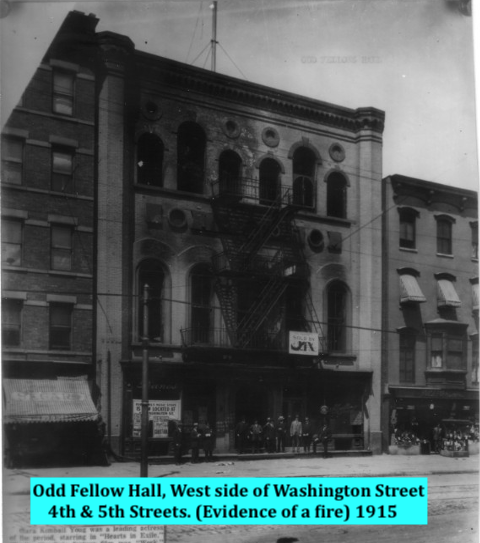
- Original Site: The hall was located at 412–414 Washington Street, on the west side of the street between 4th and 5th Streets.
- Building History:
- Erected in 1852, it served as the center for lodge meetings and many of the city’s celebratory events.
- The building experienced a fire in 1915, evidence of which was captured in historical photographs.
- Adaptive Reuse: Over the decades, the ground floor has transitioned through several commercial uses, including a Blockbuster video store and, more recently, an Anthropologie store.
The Independent Order of Odd Fellows (I.O.O.F.) in Hoboken
- Mission: A non-political fraternal order founded on the values of Friendship, Love, and Truth. Their historic command was to “visit the sick, relieve the distressed, bury the dead, and educate the orphan”.
- Local Impact: The Hoboken lodge was one of the first fraternal organizations in America to accept both men and women by 1851. Historical records for the “Columbia Lodge No. 63” can still be found at the Hoboken Historical Museum.
Based on records from the era, the Odd Fellows Hall at 414 Washington Street in Hoboken, New Jersey—built in 1852—frequently hosted community events, celebratory gatherings, and was known for being decorated by the United Decorating Company.
While Goodwin & Woodward’s “Polyorama of the War” (a massive, minutely detailed panoramic and dioramic exhibition of Civil War battles) was a popular traveling show in New Jersey during 1864, and various miniature tableaux were common post-war.
Decorations: The hall was often decorated with flags for local celebrations, likely including the post-war, re-unification spirit.
Similar Displays: Similar Civil War miniature displays, sometimes called “dioramas” or “polyramas,” were used in this period to depict battles such as Gettysburg or scenes of reunion.
Related Items
-
Large Format Salt Print of Captain Robin Jones 1st SC Cavalry KIA at Brandy Station
$3,000Large Format Salt Print of Captain Robin Jones 1st SC Cavalry KIA at Brandy StationMay 26, 2024 -
Rare Early Edition of “Sketch of the Battles of Gettysburg, July 1st, 2d, and 3d, 1863… Accompanied by an Explanatory Map” by T. Ditterline – Published in New York by C.A. Alvord, 1864; copyright dated 1863
Rare Early Edition of “Sketch of the Battles of Gettysburg, July 1st, 2d, and 3d, 1863… Accompanied by an Explanatory Map” by T. Ditterline – Published in New York by C.A. Alvord, 1864; copyright dated 1863April 14, 2026 -
Early 1870s Unusual Ad in the Form of a Decorative Blotter for Purchasing Ex-Civil War Union Soldier’s Homestead Grants – Offered by a Former Officer in the USCT Heavy Artillery
Early 1870s Unusual Ad in the Form of a Decorative Blotter for Purchasing Ex-Civil War Union Soldier’s Homestead Grants – Offered by a Former Officer in the USCT Heavy ArtilleryNovember 10, 2025 -
Id’d Confederate Officer’s Military Manual – “Manual of Instruction for the Volunteers and Militia of the United States” Major William Gilham, Published in 1861 – Inked and Written inside the Manual – 1st Lt. E.F. Cowherd Adj. 13th Va. Infantry
$750Id’d Confederate Officer’s Military Manual – “Manual of Instruction for the Volunteers and Militia of the United States” Major William Gilham, Published in 1861 – Inked and Written inside the Manual – 1st Lt. E.F. Cowherd Adj. 13th Va. InfantryJanuary 14, 2026