
Id’d Civil War Reunion Cane – 1st Lieutenant George W.B. Morrison Co. A 3rd Maryland Infantry – Gettysburg Reunion July 1-3, 1888November 22, 2026


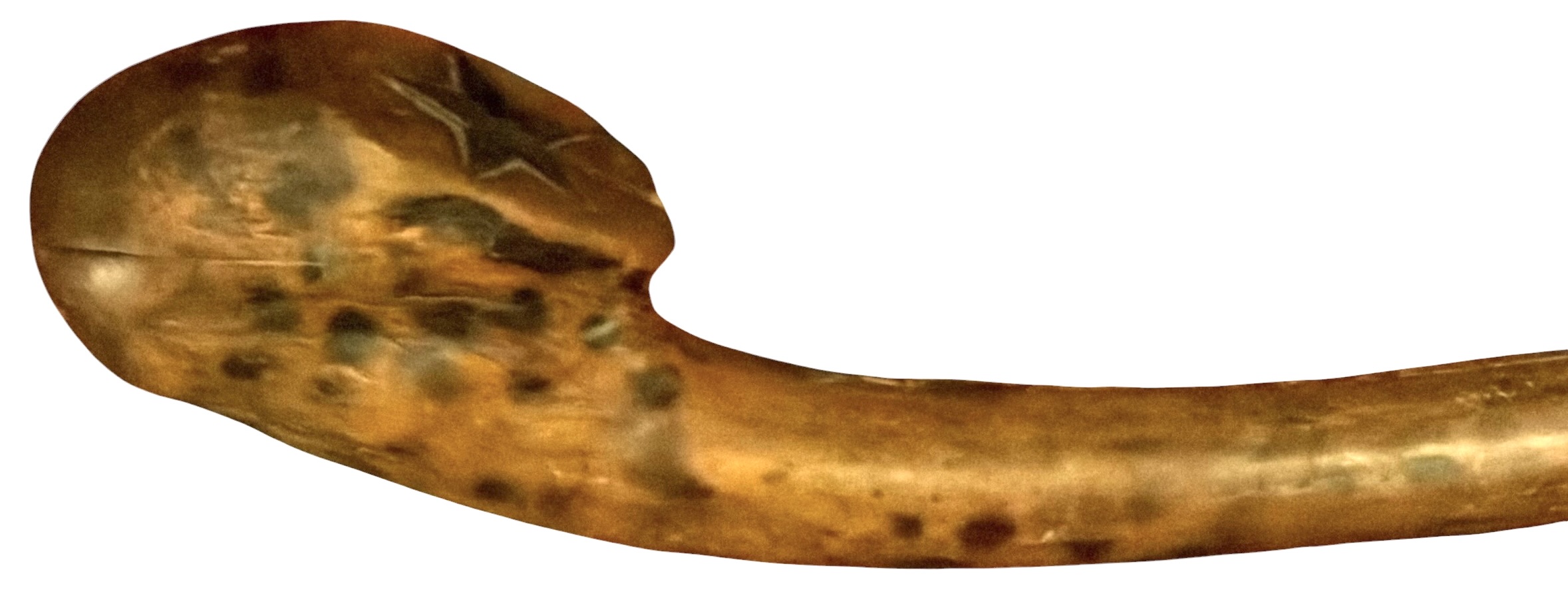
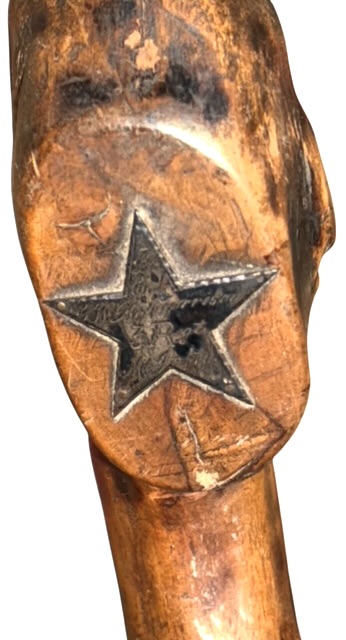
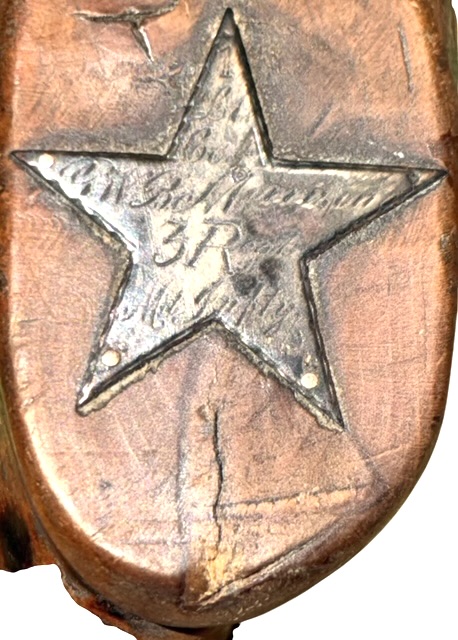
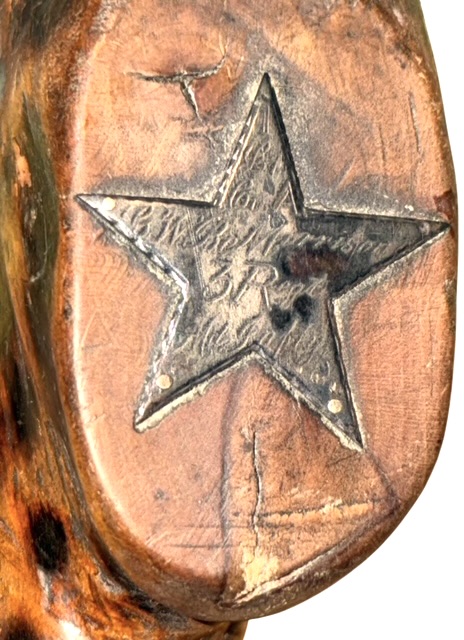

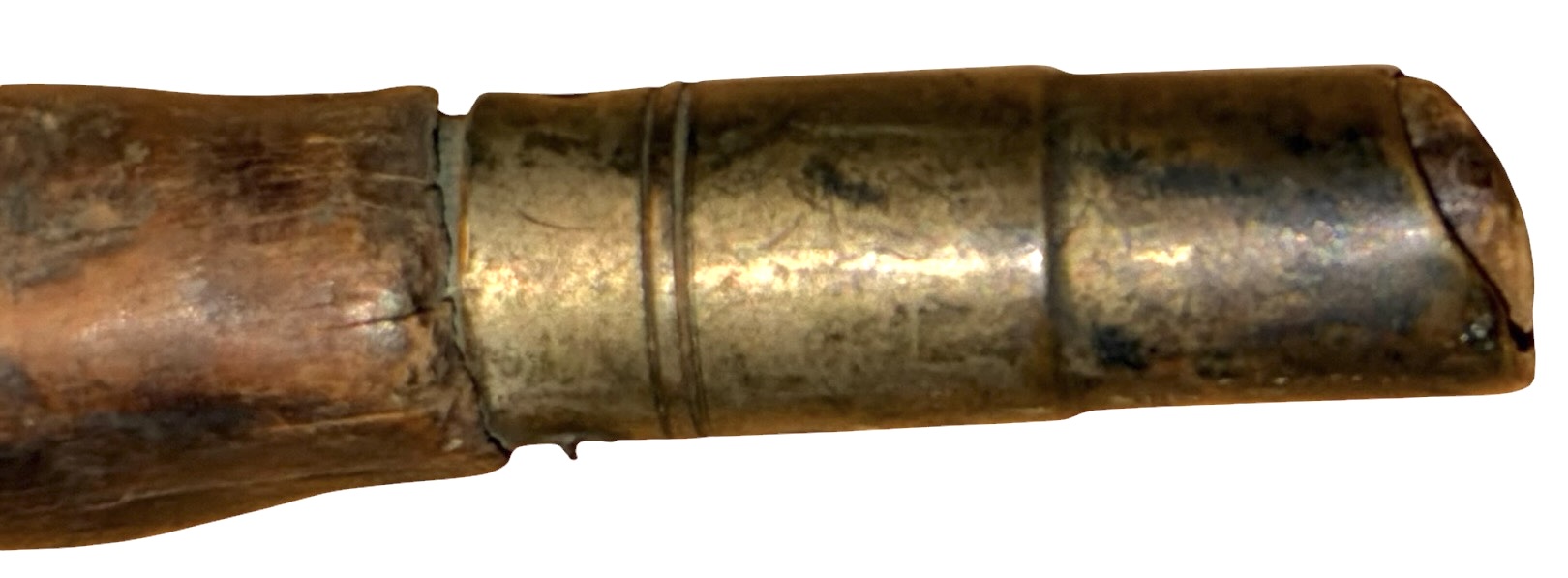
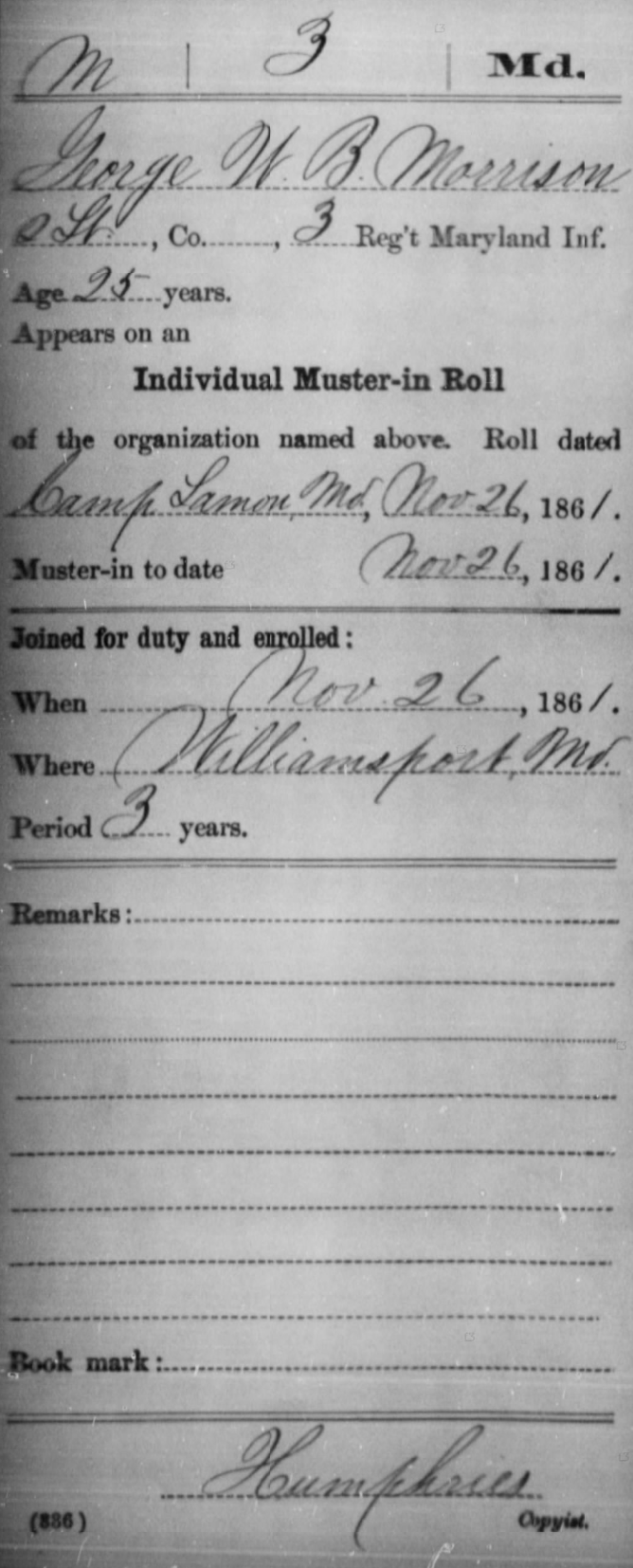
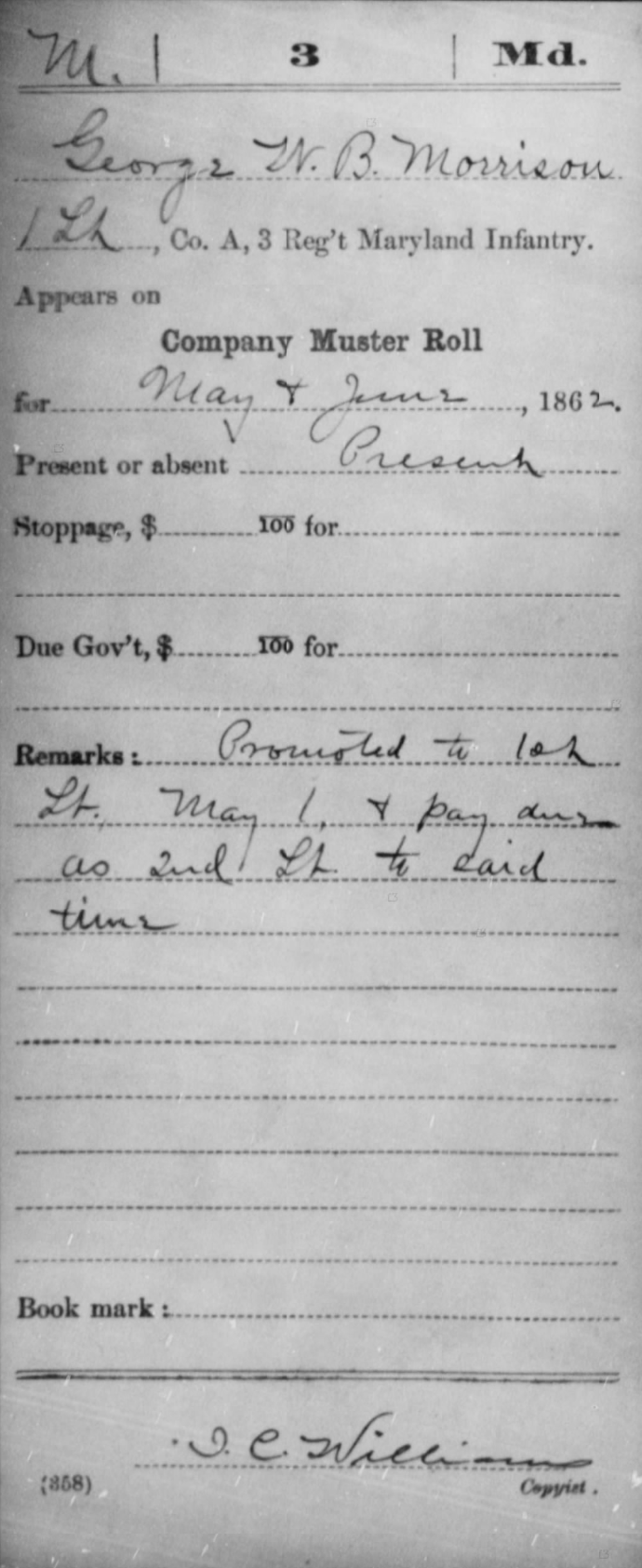
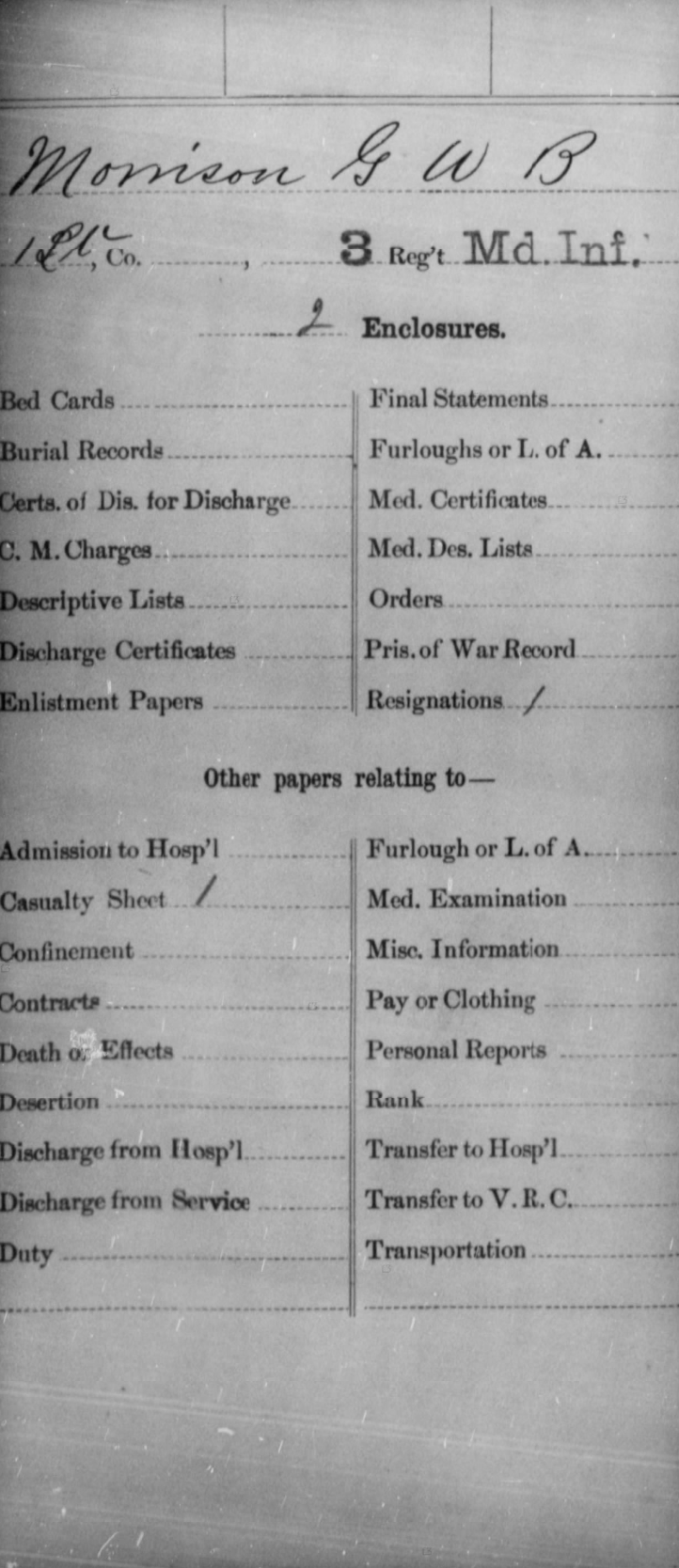


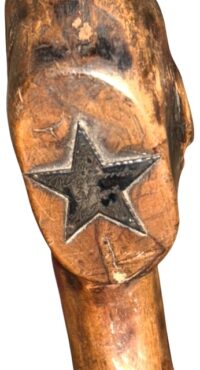
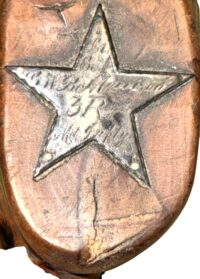
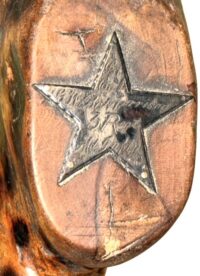

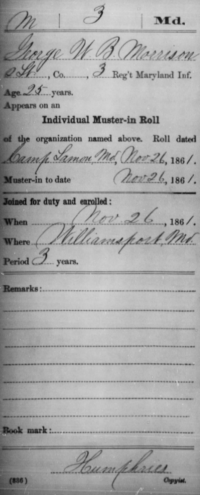
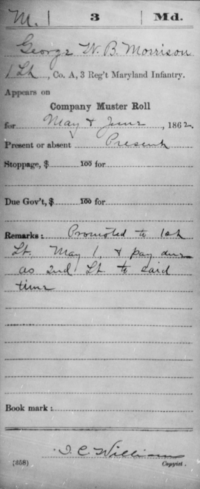
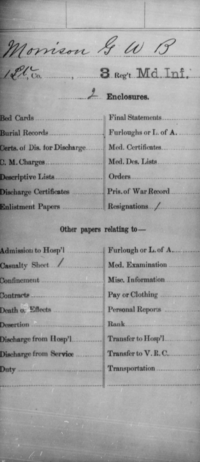
Id’d Civil War Reunion Cane – 1st Lieutenant George W.B. Morrison Co. A 3rd Maryland Infantry – Gettysburg Reunion July 1-3, 1888 – George W. B. Morrison of Williamsport, Maryland, at age 25, enlisted initially in the 1st Virginia Union Infantry in November, 1861; he transferred to Co. A 3rd Maryland Infantry, on February 16, 1862 and would serve until he was discharged in late October 1862. During his term of service, Morrison would participate in the Shenandoah Valley campaigns, the Battle of Cedar Mountain, movements along the Rappahannock River, 2nd Bull Run and Antietam. On Morrison’s last company pay voucher, recorded in late October, 1862, it lists him as a casualty – we presume he may have sustained a wound or injury at the Battle of Antietam, on September 17, 1862. This cane, constructed of what appears to be a knotty, maple branch, has a bulbous terminus at the end where the user would have handled the cane; the flattened surface of this bulb has a silver star, the corps badge for the Army of the Potomac’s XII Corps – the 3rd Maryland Infantry, just prior to the Battle of Antietam, was assigned to the 2nd Brigade, 2nd Division, XII Corps of the Army of the Potomac; jeweler engraved on the silver star is the following:
“1
Lt.
Co. A
G.W.B. Morrison
3 Regt.
Md Infty”
Additionally, just below the bulbous end of the cane, in large letters, is the following:
“??? MD REGT CULPS. HILL. 88.”
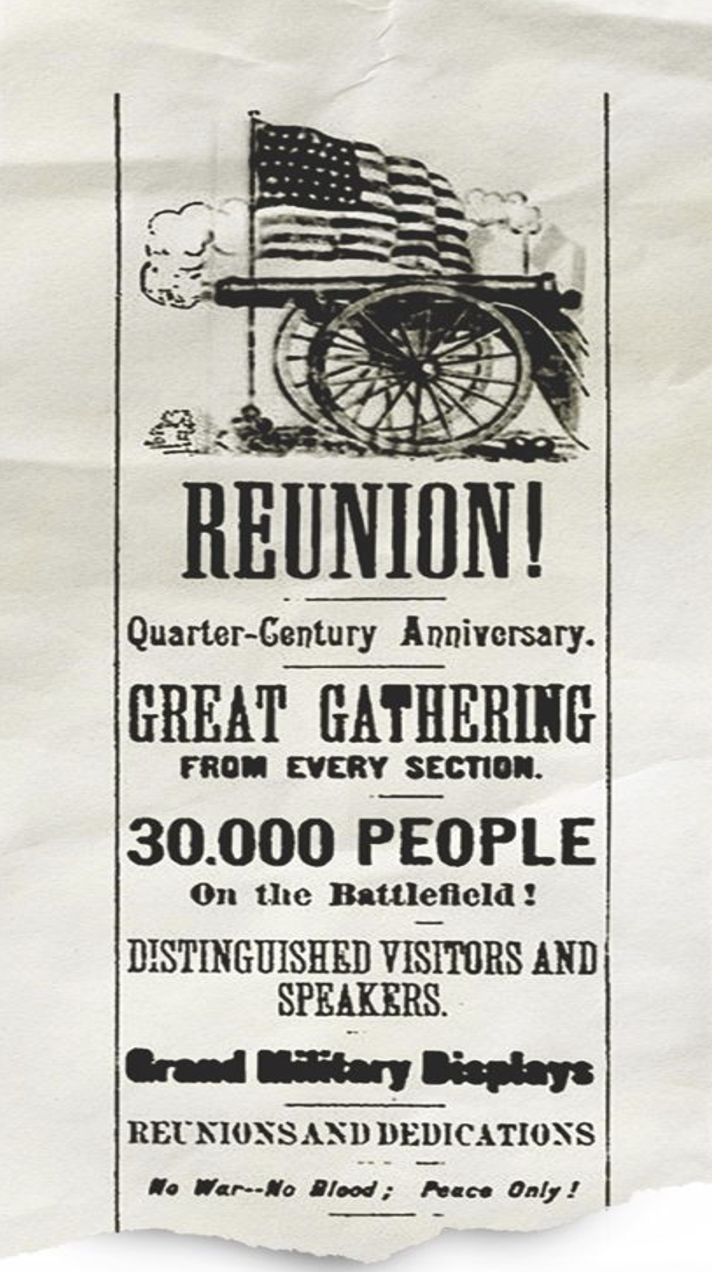
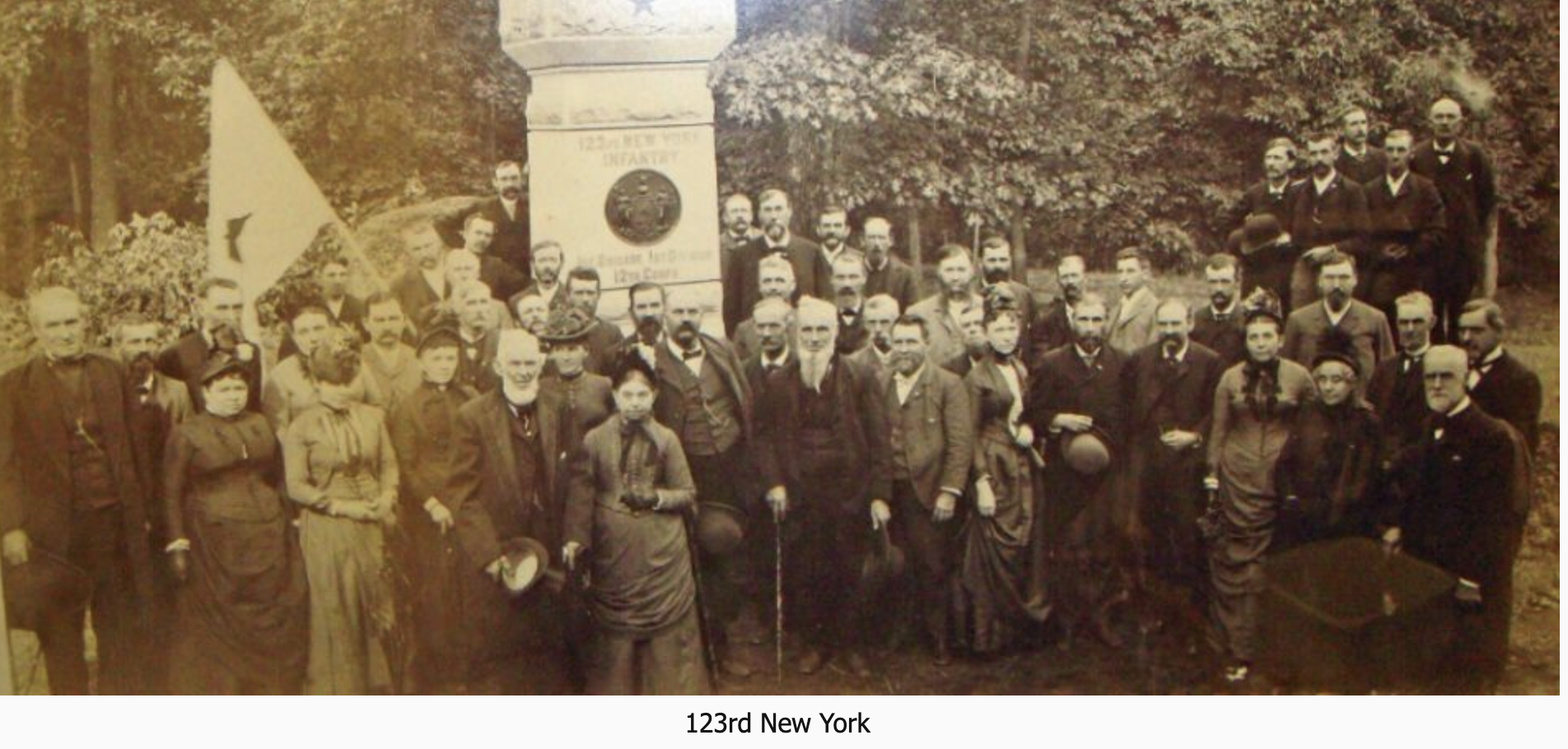
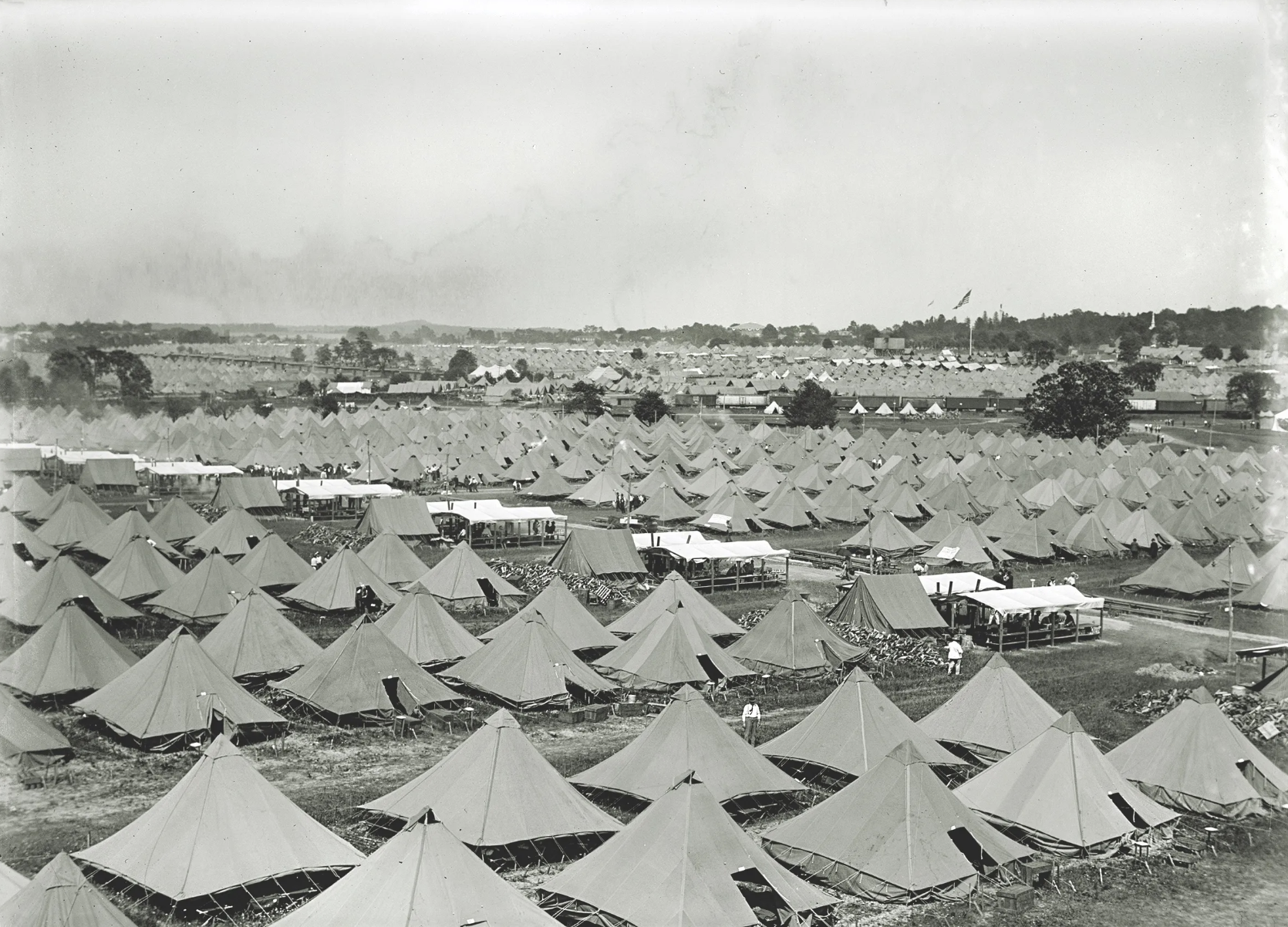
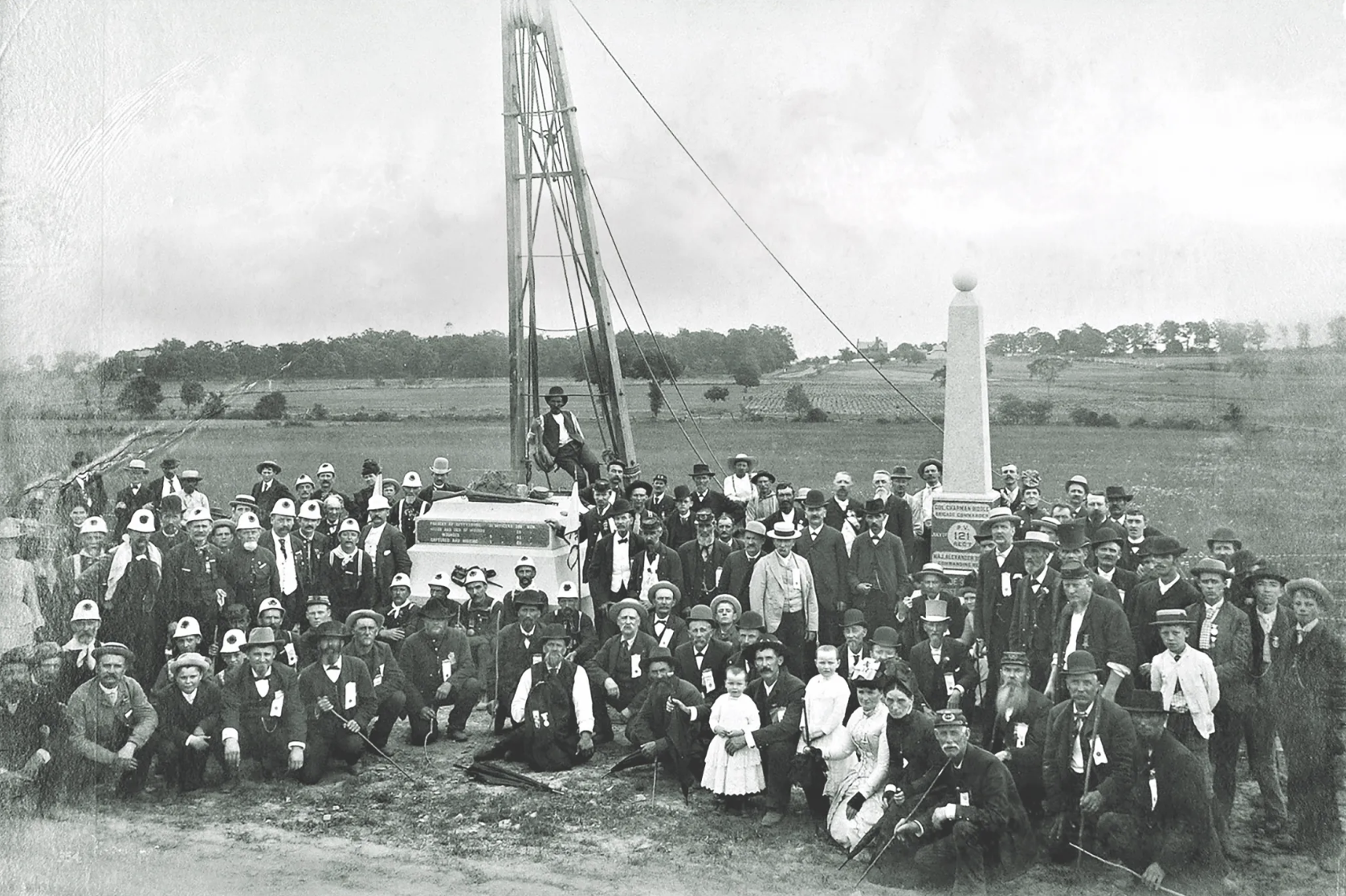
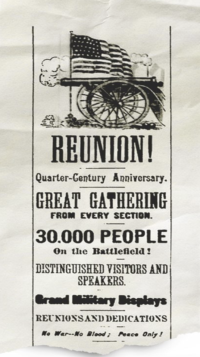
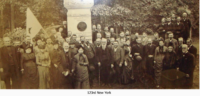
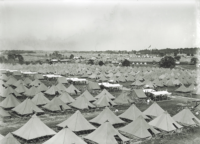
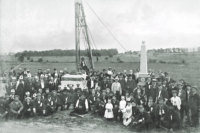
Apparently, Lt. Morrison participated in the well-attended reunion on the 25th anniversary of the Battle of Gettysburg that took place from July 1 to 3, 1888. This reunion would draw tens of thousands of Union veterans along with more than 300 Confederate veterans. Morrison seemingly obtained a souvenir of this reunion at the dedication of the monument to the 3rd Maryland Infantry Regiment on Culp’s Hill at Gettysburg.
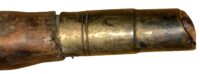
The cane remains in excellent condition; it has a brass tip which exhibits some distinct wear. The cane is approximately 35” in length.
Name
George W. B. Morrison
Rank
1st Lieut
Enlistment or Muster In Date
16 Feb 1862
Discharge or Muster Out Date
27 Oct 1862
1st Lieutenant George W. B.Morrison
Remarks
Entered the service as Second Lieutenant 1st Virginia Union Infantry, November 26, 1861; transferred to 3rd Maryland Infantry, February 16, 1862; First Lieutenant, May 1, 1862; discharged, October 27, 1862.
First Lieutenant George W. B. Morrison served in Company A of the 3rd Maryland Infantry (Union) during the American Civil War from February 16, 1862, until his discharge on October 27, 1862.
Military Service Record
- Initial Enlistment. Entered Union service as a Second Lieutenant in the 1st Virginia Union Infantry on November 26, 1861.
- Transfer to Maryland. Transferred to Company A of the 3rd Maryland Volunteer Infantry on February 16, 1862.
- Promotion. Promoted to First Lieutenant on May 1, 1862.
- Discharge. Discharged from service on October 27, 1862.
Regimental Context & Engagements (Feb–Oct 1862)
During Morrison’s tenure with Company A—a unit formed largely from Union men and refugees from Berkeley and Jefferson Counties, Virginia—the 3rd Maryland Infantry saw heavy action in the Eastern Theater:
- Shenandoah Valley Operations. Moved from Baltimore to Harpers Ferry in late May 1862, participating in the defense of Harpers Ferry (May 28–30) and subsequent valley operations.
- Battle of Cedar Mountain. Fought under General Nathaniel P. Banks on August 9, 1862.
- Northern Virginia Campaign. Engaged in movements along the Rappahannock River and held in reserve during the Second Battle of Bull Run (August 28–30, 1862).
- Battle of Antietam. Participated in the Maryland Campaign as part of the XII Corps, fighting at Antietam on September 17, 1862, where the regiment held high ground near the center of the Union line.
“W. B. Morrison” in the official rosters of the 3rd Maryland Volunteer Infantry; however, the record almost certainly refers to 1st Lieutenant George W. B. Morrison of Company A.
According to History and Roster of Maryland Volunteers, War of 1861–5, his service record is as follows:
- Initial Enlistment. He entered Union service on November 26, 1861, as a 2nd Lieutenant in the 1st Virginia Union Infantry.
- Transfer to the 3rd Maryland. On February 16, 1862, he was transferred into Company A of the 3rd Regiment Maryland Volunteer Infantry (one of four companies originally recruited in Williamsport, Maryland, and western Virginia that were consolidated into the regiment).
- Promotion. He was promoted to 1st Lieutenant on May 1, 1862.
- Campaigns. During his tenure with the 3rd Maryland Infantry, the regiment moved from garrison duty in Baltimore to the Shenandoah Valley in May 1862, participating in the Defense of Harpers Ferry, the Battle of Cedar Mountain (August 9, 1862), Pope’s Northern Virginia Campaign, and the Battle of Antietam (September 17, 1862).
- Discharge. He left the regiment shortly after the Maryland Campaign, being discharged/resigning on October 27, 1862.
George W B Morrison
Gender
Male
Unit
A 3 Md Infantry
Filing Date
25 Jun 1892
Filing Place
Maryland, USA
Relation to Head
Soldier
Spouse
Name – George W B Morrison
Age – 25
Enlistment Date – 26 Nov 1861
Enlistment Place – Williamsport, Maryland
Rank – 2nd Lieutenant
Military Unit – Third Infantry, Bar-Wi
Name – George W B Morrison
Gender – Male
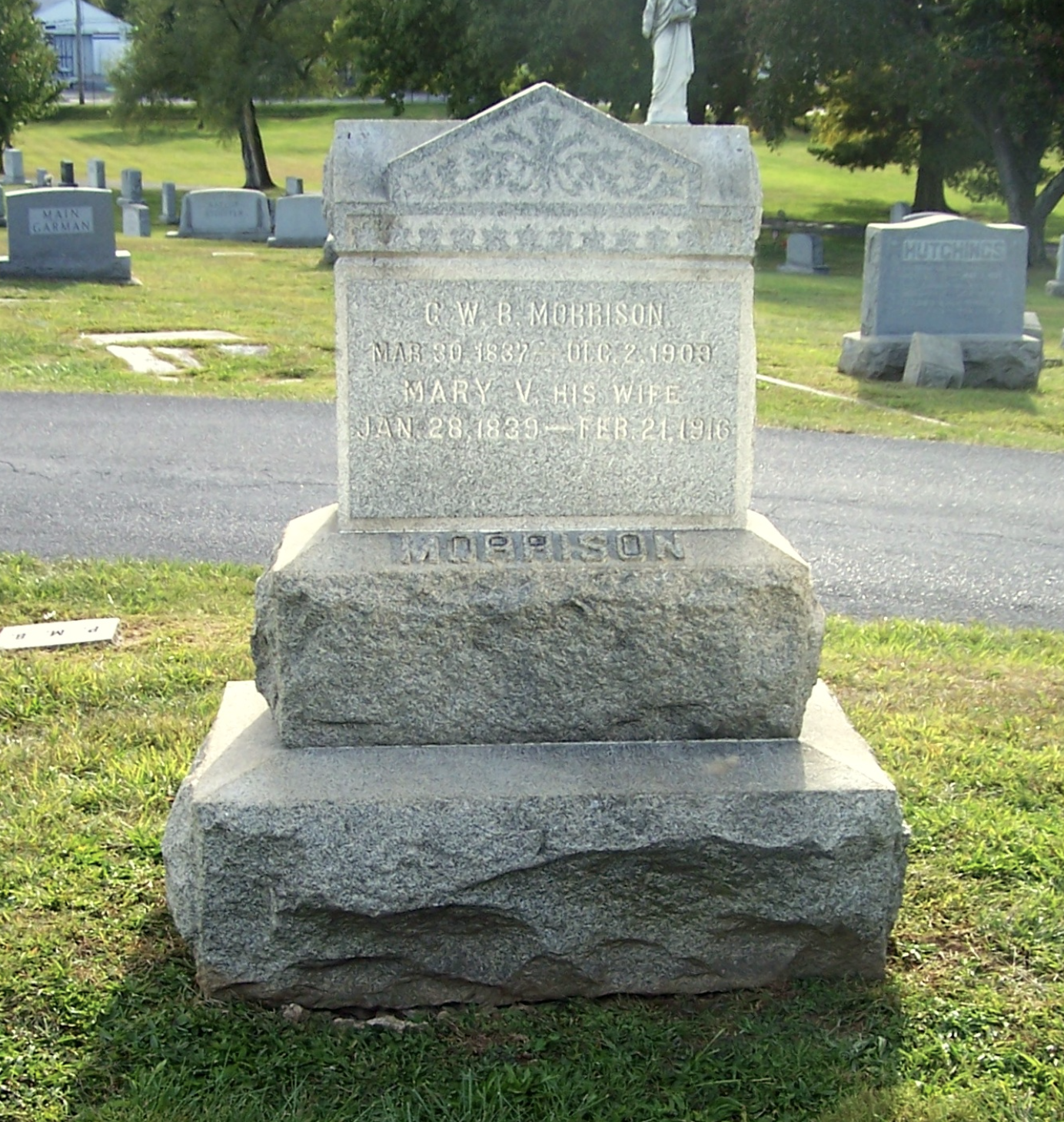
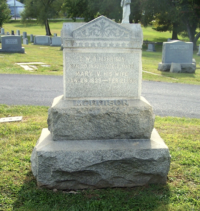
Birth Date – 30 Mar 1837
Death Date – 2 Dec 1909
Cemetery – Rose Hill Cemetery
Burial or Cremation Place – Hagerstown, Washington County, Maryland
Spouse – Mary Virginia Morrison
Children – Frances Violet MorrisonLily I MorrisonWilliam B MorrisonDaisy Byrne
3rd Maryland Infantry Regiment
The 3rd Regiment Maryland Volunteer Infantry was an infantry regiment that served in the Union Army during the American Civil War. It was noted for its holding the high ground at the center of the line at Antietam as part of Stainrook’s 2nd Brigade, Greene’s 2nd Division of Mansfield’s XII Corps.[1]
Service
The 3rd Maryland Infantry was organized at Baltimore and Williamsport, Maryland, beginning June 18, 1861 for a three year enlistment under the command of Colonel John C. McConnell.
The regiment was attached to Dix’s Division, Baltimore, Maryland, to May 1862. 1st Brigade, Sigel’s Division, Department of the Shenandoah, to June 1862. 2nd Brigade, 2nd Division, II Corps, Pope’s Army of Virginia, to August 1862. 1st Brigade, 2nd Division, II Corps, Army of Virginia, to September 1862. 2nd Brigade, 2nd Division, XII Corps, Army of the Potomac, to October 1862. 2nd Brigade, 1st Division, XII Corps, to May 1863. 1st Brigade, 1st Division, XII Corps, Army of the Potomac, to September 1863, and Army of the Cumberland to April 1864. (Non veterans assigned to 1st Brigade, 1st Division, XX Corps, Army of the Cumberland, April to October 1864.) 2nd Brigade, 1st Division, IX Corps, Army of the Potomac, April to June 1, 1864. 1st Brigade, 1st Division, IX Corps, to July 1864. 2nd Brigade, 1st Division, IX Corps, to September 1864. 3rd Brigade, 1st Division, IX Corps, Department of Washington, to July 1865.
The 3rd Maryland Infantry mustered out of the service on July 31, 1865.
Detailed service
Duty at Baltimore, Md., until May 24, 1862. Moved to Harpers Ferry, Va., May 24. Defense of Harpers Ferry May 28–30. Operations in the Shenandoah Valley until August. Battle of Cedar Mountain August 9. Pope’s Campaign in northern Virginia August 16-September 2. Fords of the Rappahannock August 21–23. Sulphur Springs August 24. Plains of Manassas August 28–29 (reserve). Second Battle of Bull Run August 30 (reserve). Maryland Campaign September 6–22. Battle of Antietam September 16–17. Duty at Bolivar Heights September 22 to December 10. Reconnaissance to Rippen, Va., November 9. Expedition to Winchester December 2–6. Moved to Fredericksburg December 10–14. At Stafford’s Court House December 14, 1862 to April 27, 1863. “Mud March” January 20–24, 1863. Chancellorsville Campaign April 27-May 6. Battle of Chancellorsville May 1–5. Gettysburg Campaign June 11-July 24. Battle of Gettysburg July 1–3. Pursuit of Lee July 5–24. At Raccoon Ford until September. Moved to Brandy Station, then to Bealeton and to Stevenson, Ala., September 24-October 4. Guard duty on the Nashville & Chattanooga Railroad until April, 1864. Veterans on furlough March and April. Old members participated in the Atlanta Campaign May 1 to September 8, 1864. Demonstration on Rocky Faced Ridge May 8–11. Battle of Resaca May 14–15. Near Cassville May 19. Advance on Dallas May 22–25. New Hope Church May 25. Battles about Dallas, New Hope Church, and Allatoona Hills May 26-June 5. Operations about Marietta and against Kennesaw Mountain June 10-July 2. Pine Mountain June 11–14. Lost Mountain June 15–17. Gilgal or Golgotha Church June 15. Muddy Creek June 17. Noyes Creek June 19. Kolb’s Farm June 22. Assault on Kennesaw June 27. Ruff’s Station, Smyrna Camp Ground, July 4. Chattahoochie River July 5–17. Peachtree Creek July 19–20. Siege of Atlanta July 22-August 25. Operations at Chattahoochie River Bridge August 26-September 2. Occupation of Atlanta September 2. Regiment joined IX Corps, Army of the Potomac, April 1864. Campaign from the Rapidan to the James May 3-June 15. Battle of the Wilderness May 5–7. Spotsylvania May 8–12. Nye River May 10. Spotsylvania Court House May 12–21. Assault on Salient May 12. Ox Ford May 21. North Anna River May 23–26. On line of the Pamunkey May 26–28. Totopotomoy May 28–31. Cold Harbor June 1–12. Bethesda Church June 1–3. Before Petersburg June 16–18. Siege of Petersburg June 16, 1864 to April 2, 1865. Mine Explosion, Petersburg, July 30, 1864. Weldon Railroad August 18–21. Poplar Grove Church September 29-October 2. Boydton Plank Road, Hatcher’s Run, October 27–28. Fort Steadman, Petersburg, March 25, 1865. Appomattox Campaign March 28-April 9. Assault on and fall of Petersburg April 2. Occupation of Petersburg April 3. March to Farmville April 3–9. Moved to Petersburg and City Point April 20–24, then to Alexandria April 26–28. Grand Review of the Armies May 23. Duty in the Department of Washington until July.
Commanders
- Colonel John C. McConnell – discharged February 18, 1862
- Colonel David P. DeWitt – discharged October 8, 1862
- Colonel Joseph M. Sudsburg – mustered out June 24, 1864 when the regiment was consolidated to become a battalion
- Lieutenant Colonel Gilbert P. Robinson – commanded at the Battle of Chancellorsville
- Captain John F. Burch – commanded at the Battle of Fort Stedman
Notable members
- Captain Joseph F. Carter, Company D – Medal of Honor recipient for action at the Battle of Fort Stedman
- Sergeant Benjamin F. McAlwee, Company D – Medal of Honor recipient for action at the Battle of the Crater
- Sergeant Major George H. Plowman – Medal of Honor recipient for action at the Second Battle of Petersburg
- Private George Schneider, Company A – Medal of Honor recipient for action at the Battle of the Crater
- 1st Sergeant Bernard A. Strausbaugh, Company A – Medal of Honor recipient for action at the Second Battle of Petersburg where he was mortally wounded
Casualties
The regiment lost a total of 225 men during service; 8 officers and 83 enlisted men killed or mortally wounded, and 4 officers and 130 enlisted men due to disease.
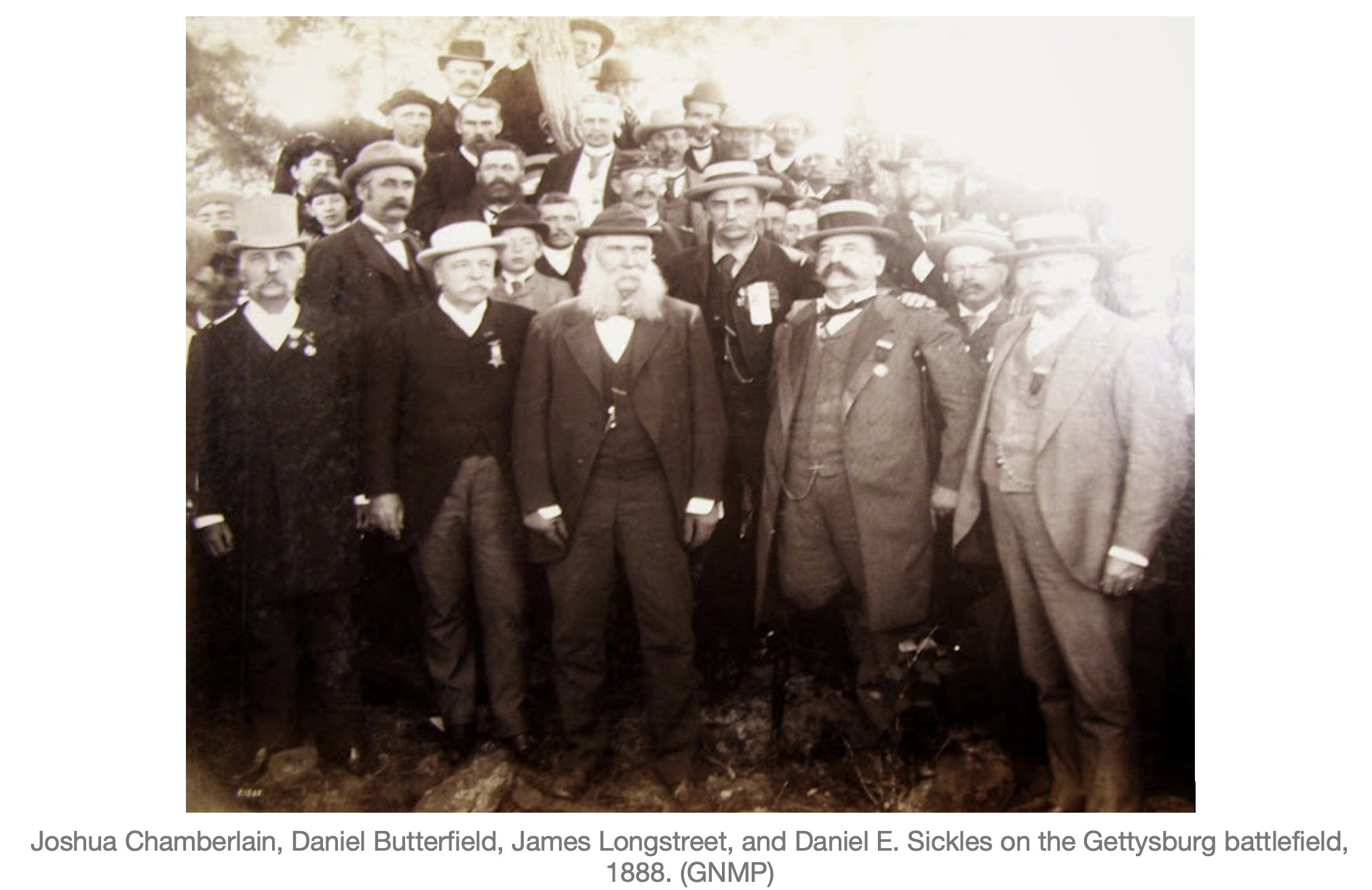
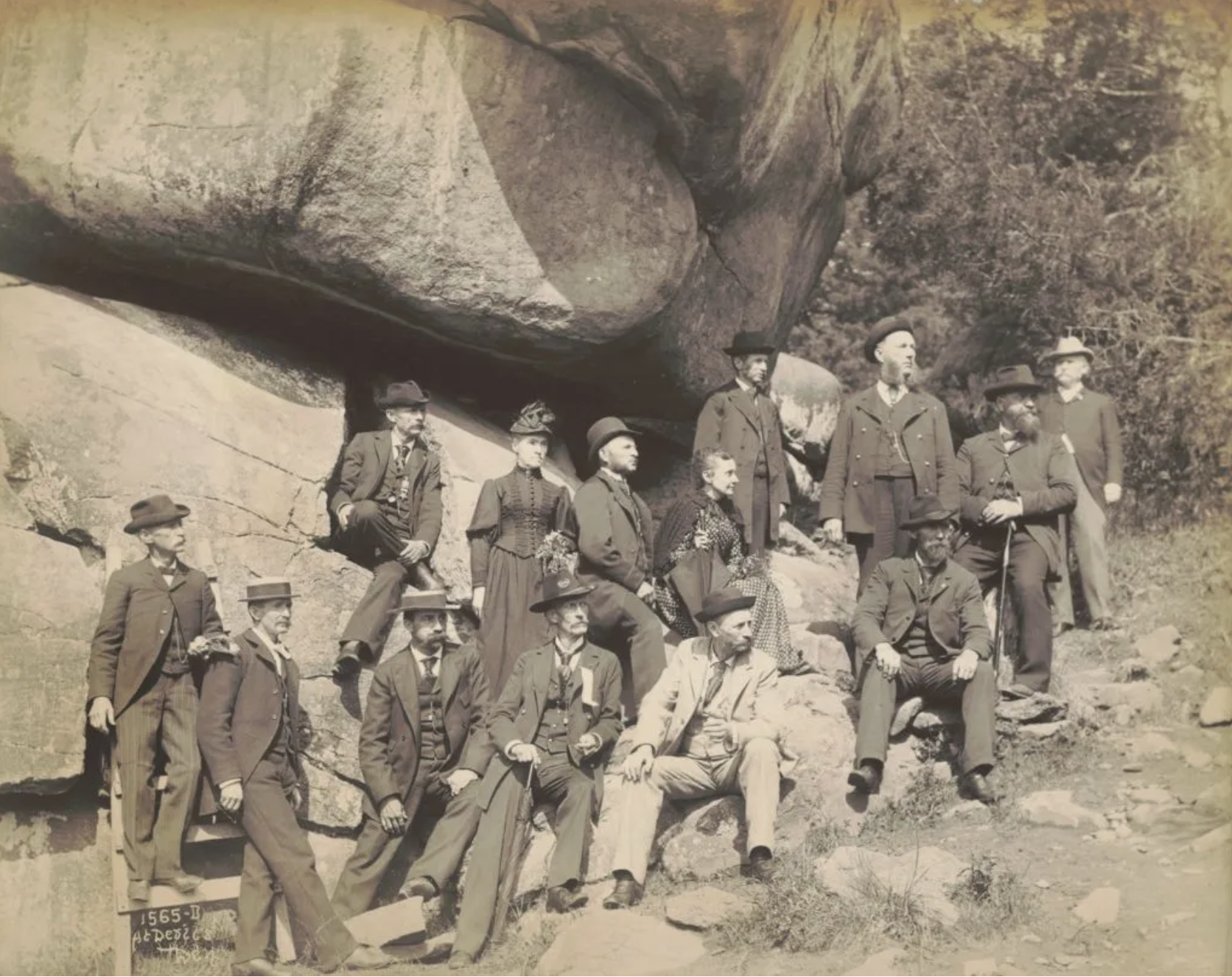
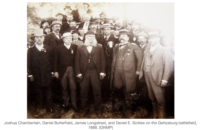
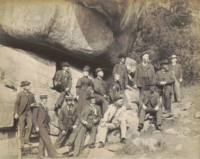
Joshua Chamberlain, Daniel Butterfield, James Longstreet, and Daniel E. Sickles on the Gettysburg battlefield, 1888. (GNMP)
Related Items
-
Superior Example of an Identified Confederate Beehive Style Slouch Hat – Capt. Willis C. Bright Co. E 8th Tennessee Infantry
$25,000Superior Example of an Identified Confederate Beehive Style Slouch Hat – Capt. Willis C. Bright Co. E 8th Tennessee InfantryJanuary 13, 2025 -
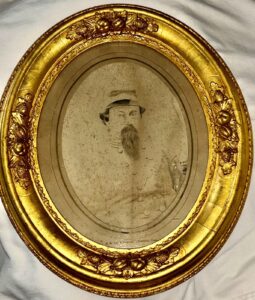
Large Format Salt Print of Captain Robin Jones 1st SC Cavalry KIA at Brandy Station
$3,000Large Format Salt Print of Captain Robin Jones 1st SC Cavalry KIA at Brandy StationMay 26, 2024 -

Early Civil War Commission of Lt. Charles P. Herring (Later a Brig. General) in the Gray Reserves of Philadelphia Signed by Pennsylvania Wartime Governor Andrew Curtin
$375Early Civil War Commission of Lt. Charles P. Herring (Later a Brig. General) in the Gray Reserves of Philadelphia Signed by Pennsylvania Wartime Governor Andrew CurtinDecember 18, 2022 -
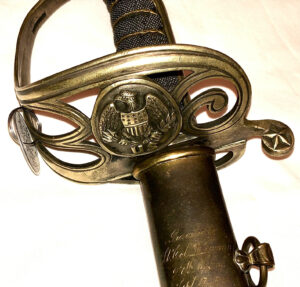
Model 1850 Non-regulation Field and Staff Officers Sword Presented to Lt. Col. Luke Lyman 27th Massachusetts Infantry in 1861
Model 1850 Non-regulation Field and Staff Officers Sword Presented to Lt. Col. Luke Lyman 27th Massachusetts Infantry in 1861March 7, 2023