
Id’d Civil War Pocket Bible (New Testament) With Poignant Inscription – Carried by Private William J. Wilcox Co. H 144th Ohio Volunteer InfantryJuly 4, 2026
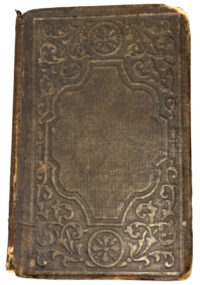
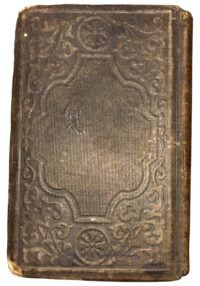
 Id’d Federal Issue...$4,500
Id’d Civil War Pocket Bible (New Testament) With Poignant Inscription – Carried by Private William J. Wilcox Co. H 144th Ohio Volunteer Infantry
SOLD
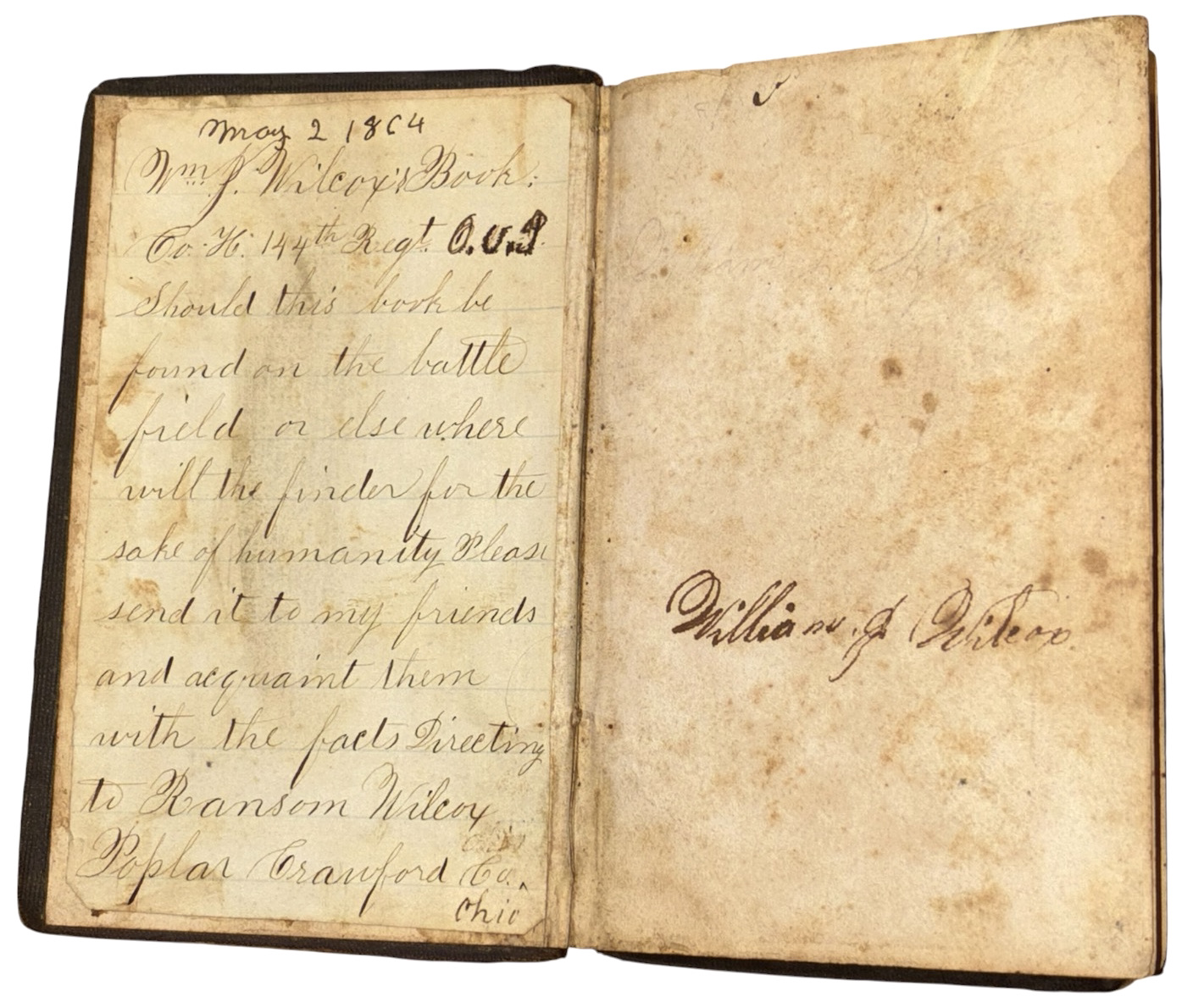
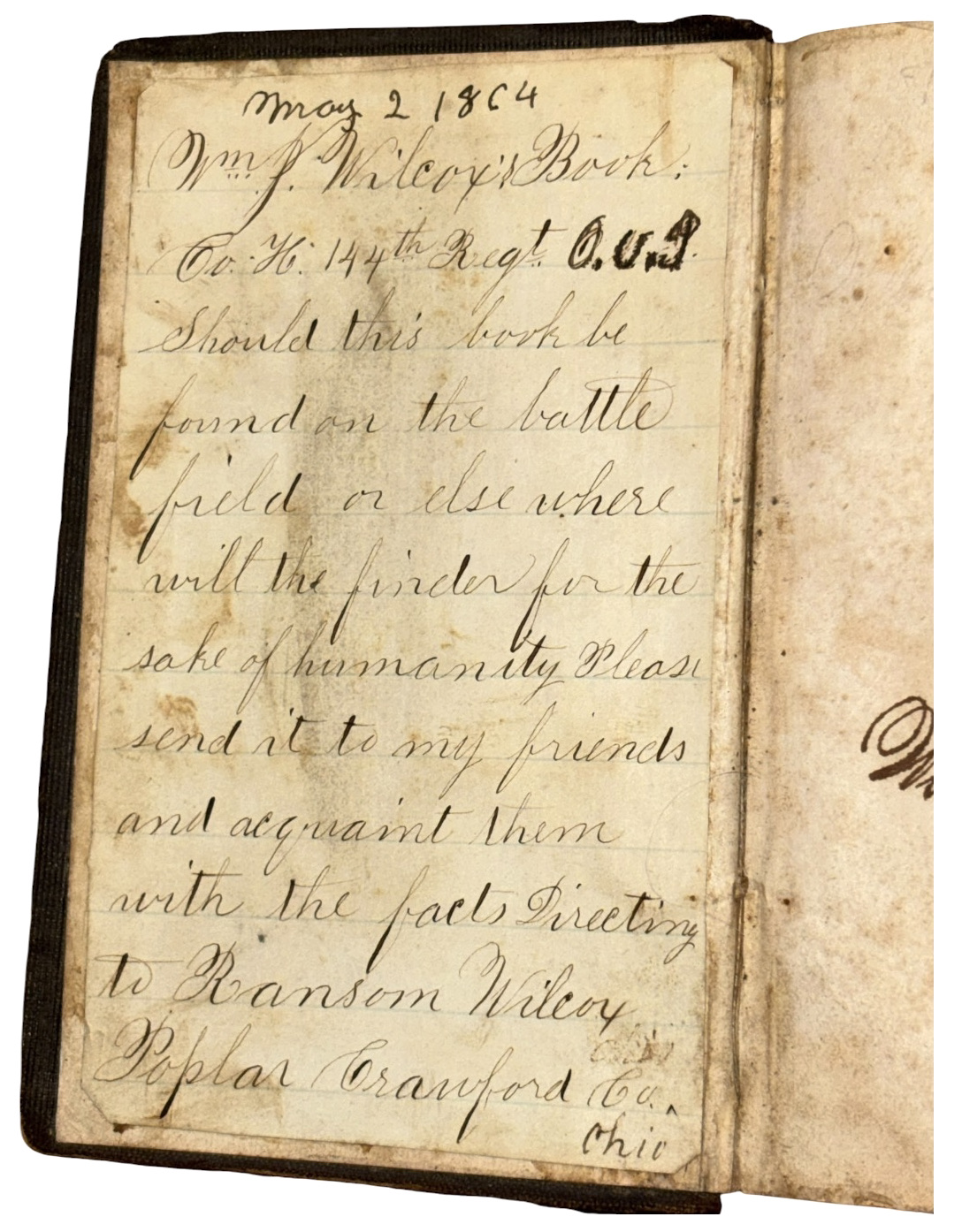
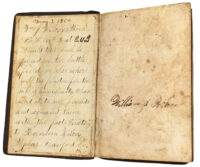
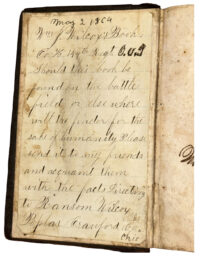
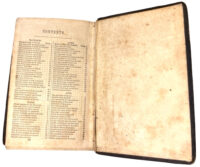
Id’d Civil War Pocket Bible (New Testament) With Poignant Inscription – Carried by Private William J. Wilcox Co. H 144th Ohio Volunteer Infantry – This Civil War soldier carried pocket Bible has the following name, date and regiment hand written on the paper lining the inside of the front board:
“May 2 1864
Wm J. Wilcox’s Book
Co. H 144th Regt. O.V.I.”
Just below the above enumerated inscription, is a poignant admonition to anyone who happens to find the Bible, left on the battlefield:
“Should this book be
found on the battle
field or elsewhere
will the finder for the
sake of humanity Please
send it to my friends
and acquaint them
with the facts directing
to Ransom Wilcox
Poplar Crawford Ohio”
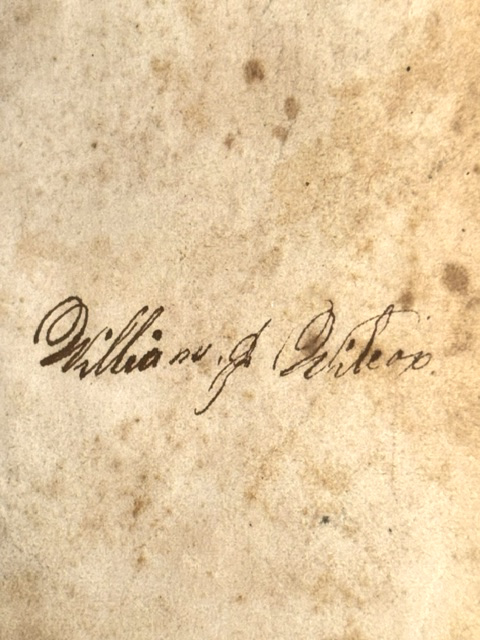
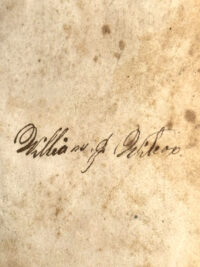
Hand written, on the opposite page to the above is:
“William J. Wilcox”
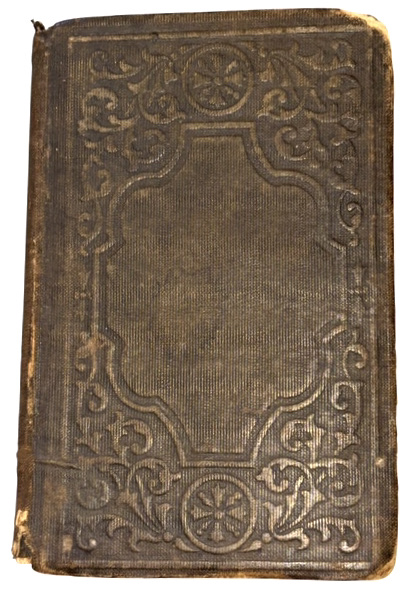
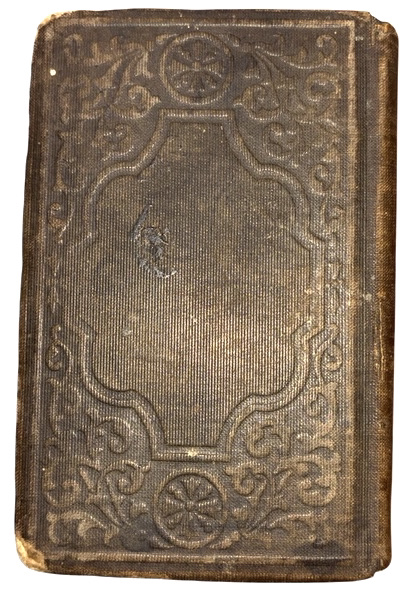
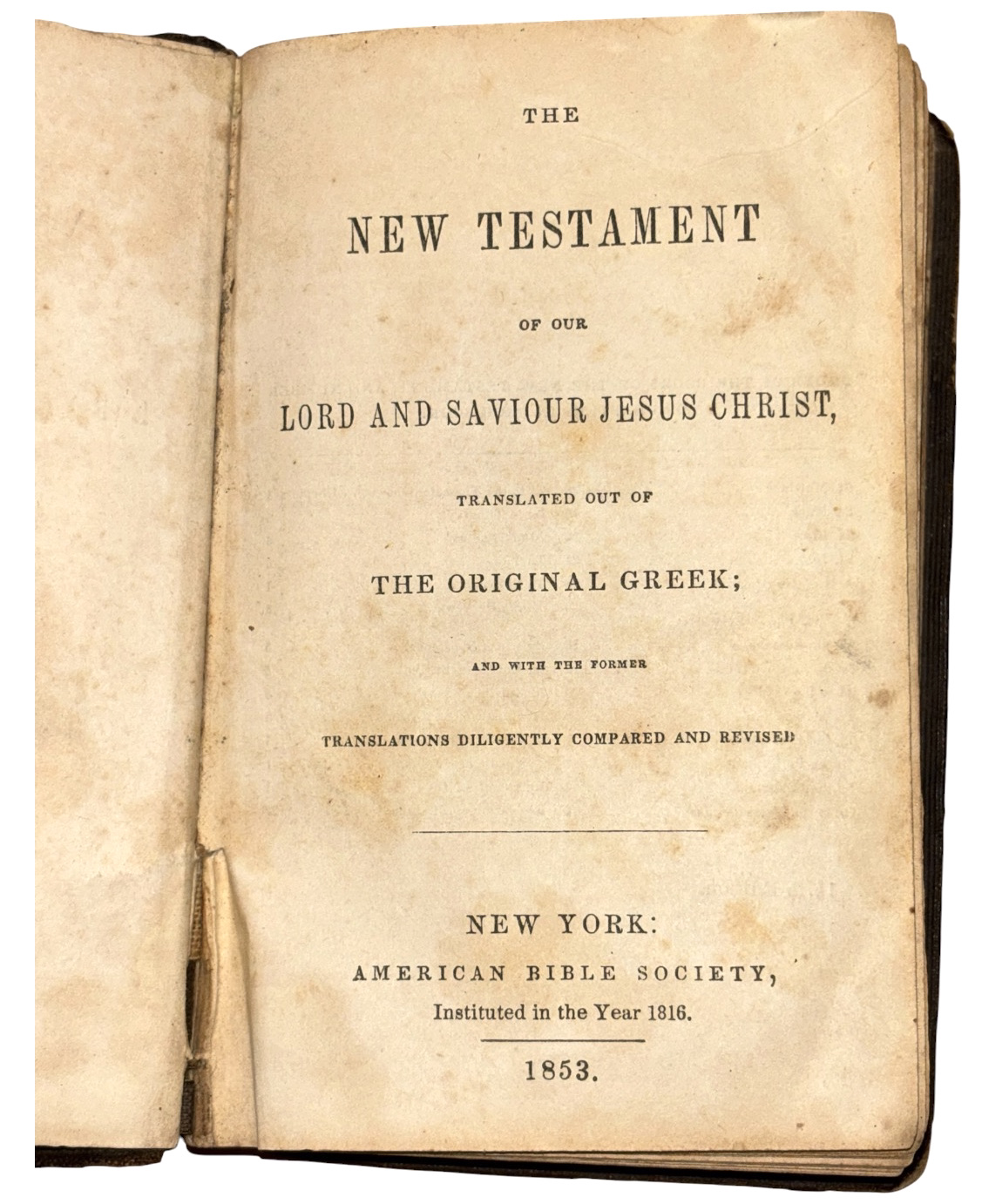
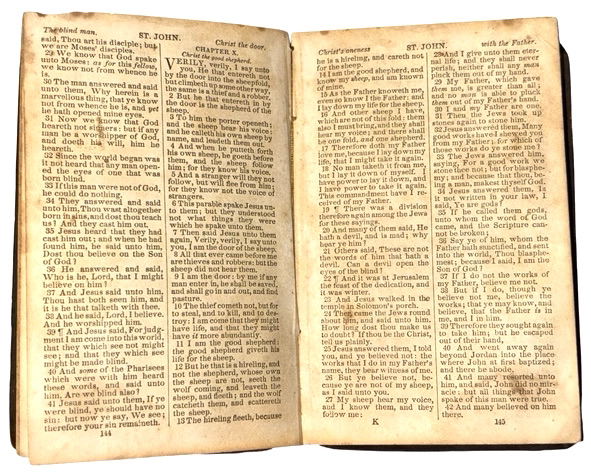
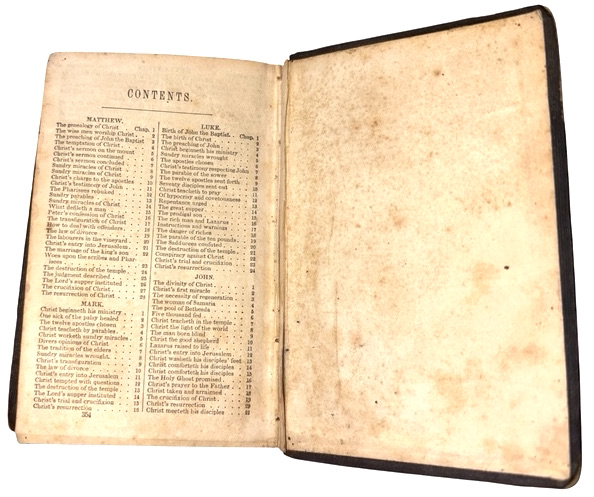
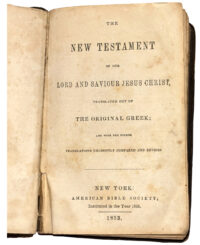
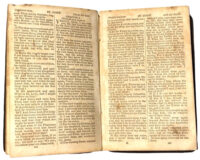
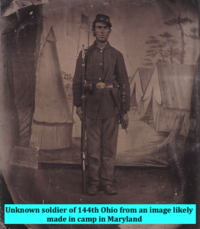
The Bible, published by the New York Bible Society in 1853, contains the New Testament; the Bible remains in overall very good condition, with both boards and all pages firmly attached. William Wilcox, at age 26, enlisted in May 1864 into Co. H of the 144th Ohio Infantry, a 100 days unit. The regiment would see some action at the Battle of Monocacy and suffer a significant attack by Col. J.S. Mosby’s rangers, at Berryville, prior to their mustering out in late August 1864. The potential recipient of the Bible, had William Wilcox fallen in battle, was Ransom Wilcox, William’s father, a leather tanner in Sycamore, Wyandot, Ohio.
William J. Wilcox
Residence was not listed; 26 years old.
Enlisted on 5/2/1864 as a Priv.
On 5/2/1864, he mustered into “H” Co. Ohio 144th Infantry.
He was Mustered Out on 8/31/1864 at Camp Chase, OH
| Name | William J Wilcox |
| Enlistment Age | 26 |
| Birth Date | abt 1838 |
| Enlistment Date | 2 May 1864 |
| Enlistment Rank | Private |
| Muster Date | 2 May 1864 |
| Muster Place | Ohio |
| Muster Company | H |
| Muster Regiment | 144th Infantry |
| Muster Regiment Type | Infantry |
| Muster Information | Enlisted |
| Muster Out Date | 31 Aug 1864 |
| Muster Out Place | Camp Chase, Ohio |
| Muster Out Information | Mustered Out |
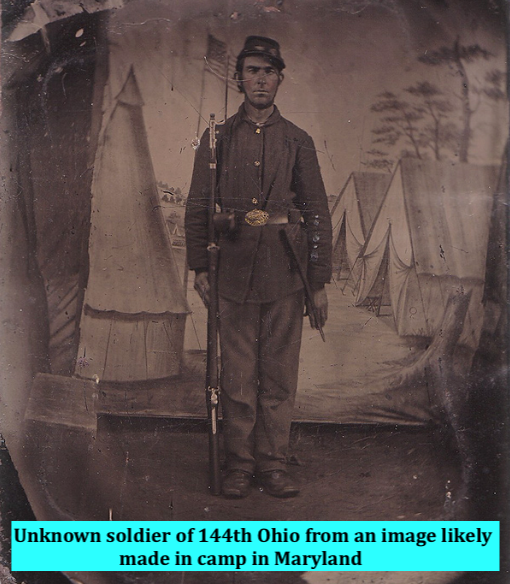
144th OH Infantry
Organized: Camp Chase, OH on 5/11/1864
Mustered out: 8/31/1864
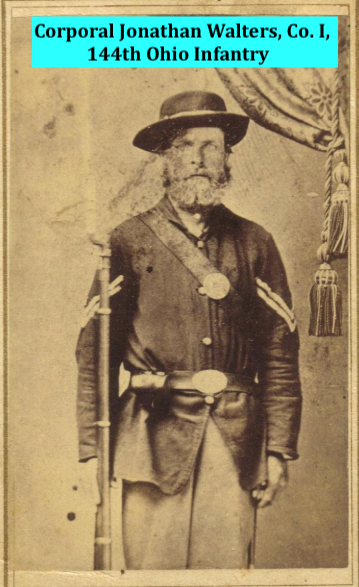
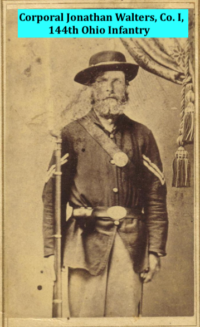
OHIO ONE HUNDRED and FORTY-FOURTH INFANTRY (One Hundred Days) One Hundred and Forty-fourth Infantry. – Col., Samuel H. Hunt; Lieut.-Col., Frederick R. Miller; Maj., Marquis D. L. Buell. This regiment was organized at Camp Chase, May 11, 1864, to serve for 100 days. It was composed of the 64th battalion, Ohio National Guard, from Wood County, and the 19th battalion from Wyandotte county. It was ordered to report without delay to Gen. Wallace at Baltimore. Upon its arrival in that city Cos. G and K were detached for duty in the forti- fications and the remainder of the regiment reported to Gen. Morris at Fort McHenry. From there Co. E was ordered to Wilmington, Del.; Co. B to Camp Parole, near Annapolis; and Co. I to Fort Dix, at the Relay House. On May 18 the regiment was relieved from duty at Fort McHenry and ordered to the Relay House. Cos. B, G and I were in the engagement at Monocacy Junction, losing in killed, wounded and prisoners about 50 men. On July 13 the regiment was ordered to Washington and from there moved toward Winchester. It halted at Snicker’s gap and was moved back toward Washington, but it was soon again faced toward the Shenandoah Valley, moving via Harper’s Ferry. On Aug. 13 a portion of the regiment, while guarding a train near Berryville, Va., was attacked by Mosby’s command with a pieces of artillery. The detachment lost 5 killed, 6 wounded and 60 captured. The regiment was mustered out Aug. 24 and 31, 1864, on expiration of term of service.
144th Regiment, Ohio Infantry (National Guard)
Overview:
Organized at Camp Chase, Ohio, and mustered in May 11, 1864. Left State for Baltimore, Md., May 11. Companies assigned to duty as follows: “G” and “K” in the Defenses of Baltimore; “B” at Camp Parole, Annapolis, Md.; “E” at Wilmington, Del.; “I” at Fort Dix, Relay House. Balance of Regiment at Fort McHenry. Attached to 1st Separate Brigade, 8th Army Corps, Middle Department. Regiment relieved from duty at Baltimore and moved to Relay House. Battle of Monocacy Junction, Md., July 9. Moved to Washington, D. C., July 13. Advance to Winchester and Snicker’s Gap July 14-20. Attached to Kenley’s Independent Brigade, 8th Army Corps. Operations in Shenandoah Valley July 20 to August 13. Repulse of attack by Moseby at Berryville August 13. Guard duty near Berryville till August 20. Ordered home and mustered out August 31, 1864.
Regiment lost during service 10 Enlisted men killed and mortally wounded and 53 Enlisted men by disease. Total 63.
144th Ohio Infantry Regiment
| 144th Ohio Infantry Regiment | |
| Active | May 11, 1864, to August 31, 1864 |
| Country | United States |
| Allegiance | Union |
| Branch | Union Army |
| Type | Infantry |
| Engagements | Battle of Monocacy (3 companies) |
| Ohio U.S. Volunteer Infantry Regiments 1861-1865 | ||||
|
The 144th Ohio Infantry Regiment,
Service
The 144th Ohio Infantry was organized at Camp Chase in Columbus, Ohio, and mustered in as an Ohio National Guard unit of 834 men for 100 days service on May 11, 1864, under the command of Colonel Samuel H. Hunt.
Companies were assigned to duty as follows: Companies G and K in the defenses of Baltimore; Company B at Camp Parole, Annapolis, Maryland; Company E at Wilmington, Delaware; Company I at Fort Dix, Relay House. The remainder of the regiment was stationed at Fort McHenry. The regiment was attached to 1st Separate Brigade, VIII Corps, Middle Department. The regiment was relieved from duty at Baltimore and moved to Relay House. Attached to Kenley’s Independent Brigade, VIII Corps.
The 144th Ohio Infantry mustered out of service at Camp Chase on August 31, 1864.
Detailed service
Left Ohio for Baltimore, Md., May 11. Battle of Monocacy Junction, Md., July 9. Moved to Washington, D.C., July 13. Advance to Winchester and Snicker’s Gap July 14–20. Operations in Shenandoah Valley July 20 to August 13. Repulse of attack by Mosby at Berryville August 13. Guard duty near Berryville until August 20.
Casualties
The regiment lost a total of 63 men during service; 10 enlisted men killed or mortally wounded, 53 enlisted men died of disease.
Commanders
- Colonel Samuel H. Hunt
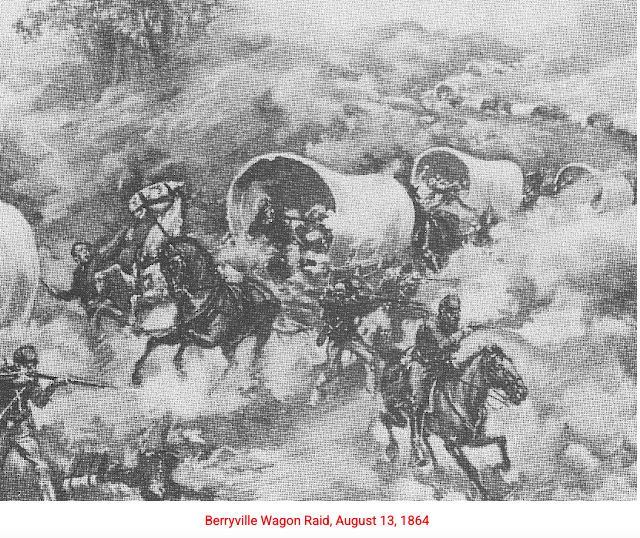
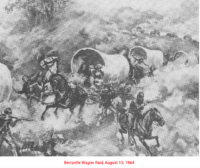
Lost from the O.R. Volume I: The Berryville Wagon Raid
The Official Records of the War of the Rebellion, the massive 128 volume postwar work issued by the War Department, serves as the cornerstone of our understanding of the military history of the Civil War. Within its thousands of pages reside after action reports, correspondence, court martial proceedings, charts, maps, a veritable mountain and gold mine of information that has delighted (and infuriated) historians since its publication in the 19th century. But even then, it was recognized that not every report made it into the O.R., some were, in a phrase, “lost to history.”
A superb attempt was made to address this deficiency during the 1980s and 1990s when Broadfoot Publishing printed 100 more volumes of material in the Supplement to the Official Records of the War of the Rebellion which is available here. Amazingly, even with 228 volumes of reports, once in a while something new is discovered that was missed. I’m proud to present one of those missing after action reports: that of Lieutenant Colonel Frederick R. Miller of the 144th Ohio Infantry regarding the Berryville Wagon Raid of 1864.
Colonel Miller resided in my hometown of Perrysburg, Ohio and was commissioned lieutenant colonel of the 144th Ohio upon its formation in May 1864. For the first two months of its service, the regiment was scattered in detachments all over Maryland and Delaware. Three companies of the regiment fought at the Battle of Monocacy (see post here) in a desperate attempt to stem Jubal Early’s invasion of Maryland. In the wake of Early’s offensive, 8 of the 10 companies of the regiment were reunited and followed Horatio G. Wright into Virginia and for the remainder of the regiment’s service, they served in the Shenandoah Valley.
In August 1864, General Phil Sheridan took command of this new army and moved up the Shenandoah Valley with his front line troops. The 144th Ohio drew the assignment of escorting a wagon train from Harper’s Ferry to Winchester. The regiment, about 300 strong, left Harper’s Ferry on August 12th and had stopped to rest at a small creek outside of Berryville, Virginia at dawn when Colonel John Singleton Mosby’s cavalry attacked the train.
Colonel Miller’s report was published in the September 2, 1864 issue of the Wyandot Pioneer.
Headquarters, 144th Regiment O.N.G
Bolivar Heights
Aug. 17th, 1864
W.M. Ambrose, Capt. & A.A.A. Gen.
Sir- I have the honor to submit the following report of the part taken by the 144th Regiment, O.N.G. in guarding the wagon train from Halltown to Winchester, and in the action with Mosby’s guerillas, near Berryville, Va., Saturday Aug. 13th, 1864.
Pursuant to instructions from Brigade Headquarters, the 144th O.N.G. was ordered to guard the rear of the train, with two companies in the extreme rear and counting from the rear to place one company between 20 wagons. Brigadier General John R. Kenly’s Brigade was to bring up the rear of the train. The wagons of several corps arriving indiscriminately, it was very difficult to ascertain what was the rear of the train, but when the brigade teams began to move, we fell in their rear. When we had marched but a very few miles, I met Colonel Allison Brown of the 149th O.N.G. who informed me that he had not got through distributing the companies yet, as per order, and that the Cavalry train had not passed. I informed General Kenly of this fact by Colonel Brown. I halted my command to await the cavalry train, which finally made its appearance, waiting for 120 to 140 wagons to pass, I was informed by the officer in charge that was the rear of the Cavalry train and accordingly fell in and ordered my Adjutant to distribute the companies among the wagons as per order, and I found them distributed exactly in the manner ordered, this brought it nearly dark before arriving at Charlestown.
It was extremely difficult to regulate the movement of the train, the rear being late in starting, hurried to catch up with the advance, consequently forcing my men to speed up in pace entirely, some riding along on horseback and on wagons.
Three miles north of Berryville, I was detained for some time by the breaking of a bridge. Moving on within a half mile of Berryville, I was surprised to see the train had been ordered parked by the Major, this I thought a very strange proceeding. In coming up to the place, he mentioned the dangerous position we were in, in case of attack. Soon, after meeting Captain Mann, with his assistance made every effort to move the train, in which we finally succeeded. Captain Mann rendered valuable service and did all in his power to move the train after finding it parked.
While the train was getting ready to be moved, the train of another Cavalry Brigade came up guarded by some cavalry and drove past without halting, thereby escaping the affray. This was the first information I had of another train being in our rear. At 4 o’clock a.m., the train was under way with the exception of from 30 to 40 wagons which were getting ready to move. I had distributed the companies of my command in the following order: Co. C, Lieutenant Samuel J. Lamb in the advance followed by Captain Asa Brayton Co. D, next was Captain Henry H. Ragon with Co. A, Lieutenant James S. Leith with Co. H, intending to bring up the rear with Companies B and K. I had sent Adjutant Jonathan Ayres in advance to see the proper distribution of companies among the wagons at this time and before the rear of the train got under way, a simultaneous attack was made upon the front, center, and rear part of this train (at and between Berryville and the extreme rear) by about 200 of Mosby’s cavalry with two light pieces of artillery. Meeting with Captain Mann at this time, I ordered to regulate and hurry on the wagons and carry the news to the front of the train as fast as possible. The companies did try successfully to check the attacking Rebels. The companies under Captains Ragon and Brayton forming lines with Cos. C and H. and with Adjutant Ayres finally drove the Rebels through and out of town.
The companies in the rear of my immediate command (drinking their coffee while waiting for the train to move) were cut off at once from the balance of the command, were overpowered and after making all resistance possible, were compelled to yield to superior numbers Many were made prisoners and others made their escape, some of whom joined other companies. The officers and men, considering their exhausted condition in which they were, did nobly, thereby saving much property, especial credit is due to Captain Ragon, of Co. A, and Captain Brayton of Co. D, together with the officers and men of Cos. C and H for coolness and bravery.
My command left Halltown with about 300 men but the severity of the march made many fall out during the night. I don’t think we had more than 280 men, all told, in the action. Our casualties are heavy considering the numbers engaged, 5 killed, 6 wounded, and 60 prisoners and missing. Captain Luther Black, Lieutenant Edwin R. Sage, and Lieutenant Samuel H. White are supposed to be taken prisoners. Several are coming in, however, and it is to be hoped the list of missing will be greatly diminished.
The disaster in my opinion is due to some extent on the tardiness of the train of the Cavalry Corps in moving from Bolivar, the detention at the breaking of the bridge three miles north of Berryville, and finally the parking of the train near Berryville. But for these causes the train could have been moved with more regularity and would have been miles beyond that place before daylight of the 13th. The scattering cavalry did not render the slightest assistance, if anything they added with the frightened teamsters and wagon masters, to the confusion and panic.
Very respectfully your obedient servant,
F.R. Miller
Lieut. Col. Commanding
William James Wilcox Veteran
Birth
19 Nov 1837
Ohio, USA
Death
3 Aug 1915 (aged 77)
Perkins Township, Erie County, Ohio, USA
Burial
Sycamore, Wyandot County, Ohio,
Related Items
-
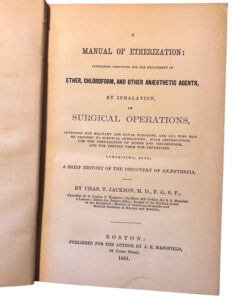
Rare 1st Edition Civil War Medical Book Entitled: A Manual of Etherization : Containing Directions for the Employment of Ether, Chloroform, and Other Anæsthetic Agents, by Inhalation, in Surgical Operations; with Instructions for the Preparation of Ether and Chloroform, and for Testing Them for Impurities. Comprising, also, a Brief History of the Discovery of Anæsthesia – By Charles T. Jackson
$850Rare 1st Edition Civil War Medical Book Entitled: A Manual of Etherization : Containing Directions for the Employment of Ether, Chloroform, and Other Anæsthetic Agents, by Inhalation, in Surgical Operations; with Instructions for the Preparation of Ether and Chloroform, and for Testing Them for Impurities. Comprising, also, a Brief History of the Discovery of Anæsthesia – By Charles T. JacksonJanuary 24, 2026 -
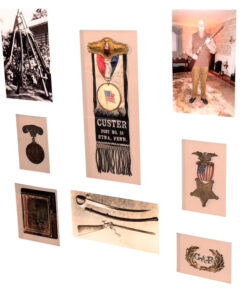
Id’d Grouping Civil War Soldier – Sergeant William Wyble Co. F 5th West Virginia Cavalry
$850Id’d Grouping Civil War Soldier – Sergeant William Wyble Co. F 5th West Virginia CavalryJanuary 18, 2026 -
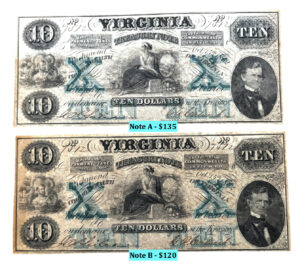
Original 1862 $10 Virginia Treasury Notes
Original 1862 $10 Virginia Treasury NotesSeptember 11, 2025 -
The American Military Saddle by Stephen Dorsey and Kenneth L. McPheeters
$350The American Military Saddle by Stephen Dorsey and Kenneth L. McPheetersJune 8, 2020