
Id’d Personal Prewar Notebook of Sergeant James A. Parker 5th and 13th Va. Cavalry Killed in Action at Upperville, Virginia in June 1863August 11, 2026
Id’d Personal Prewar Notebook of Sergeant James A. Parker 5th and 13th Va. Cavalry Killed in Action at Upperville, Virginia in June 1863
$450
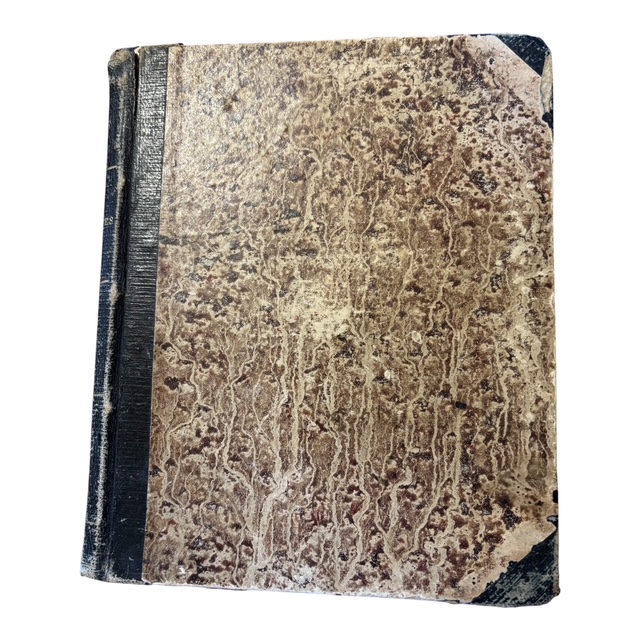
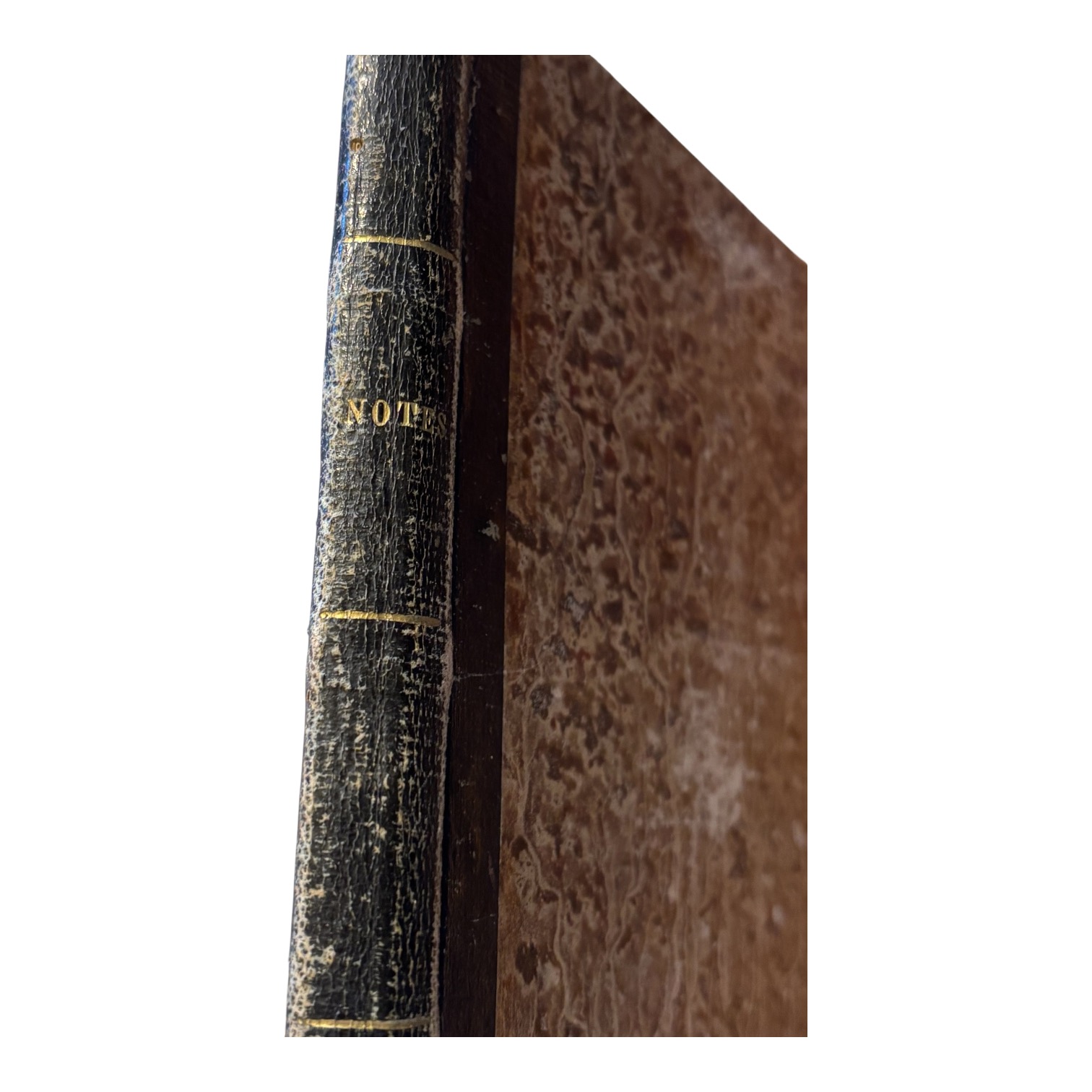
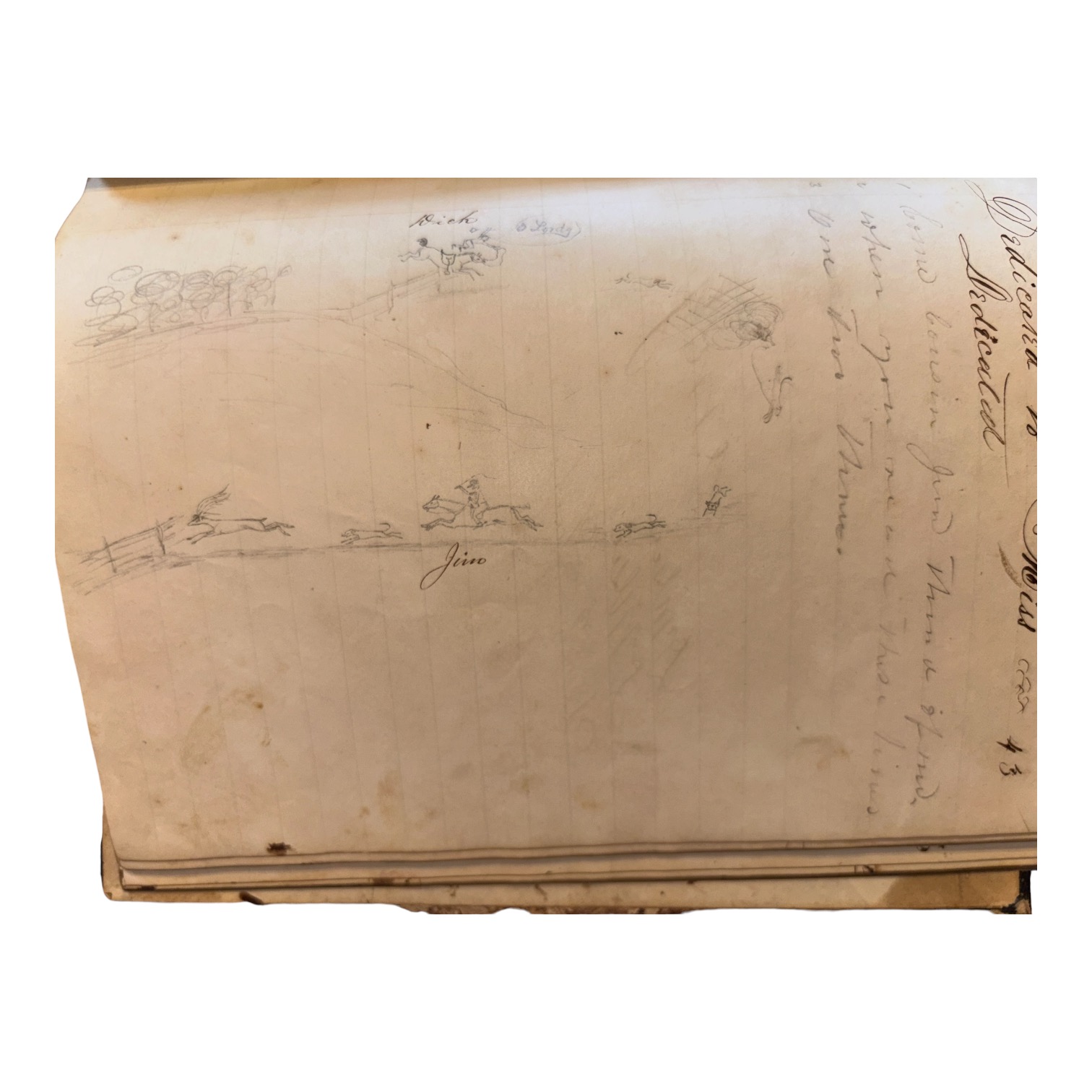
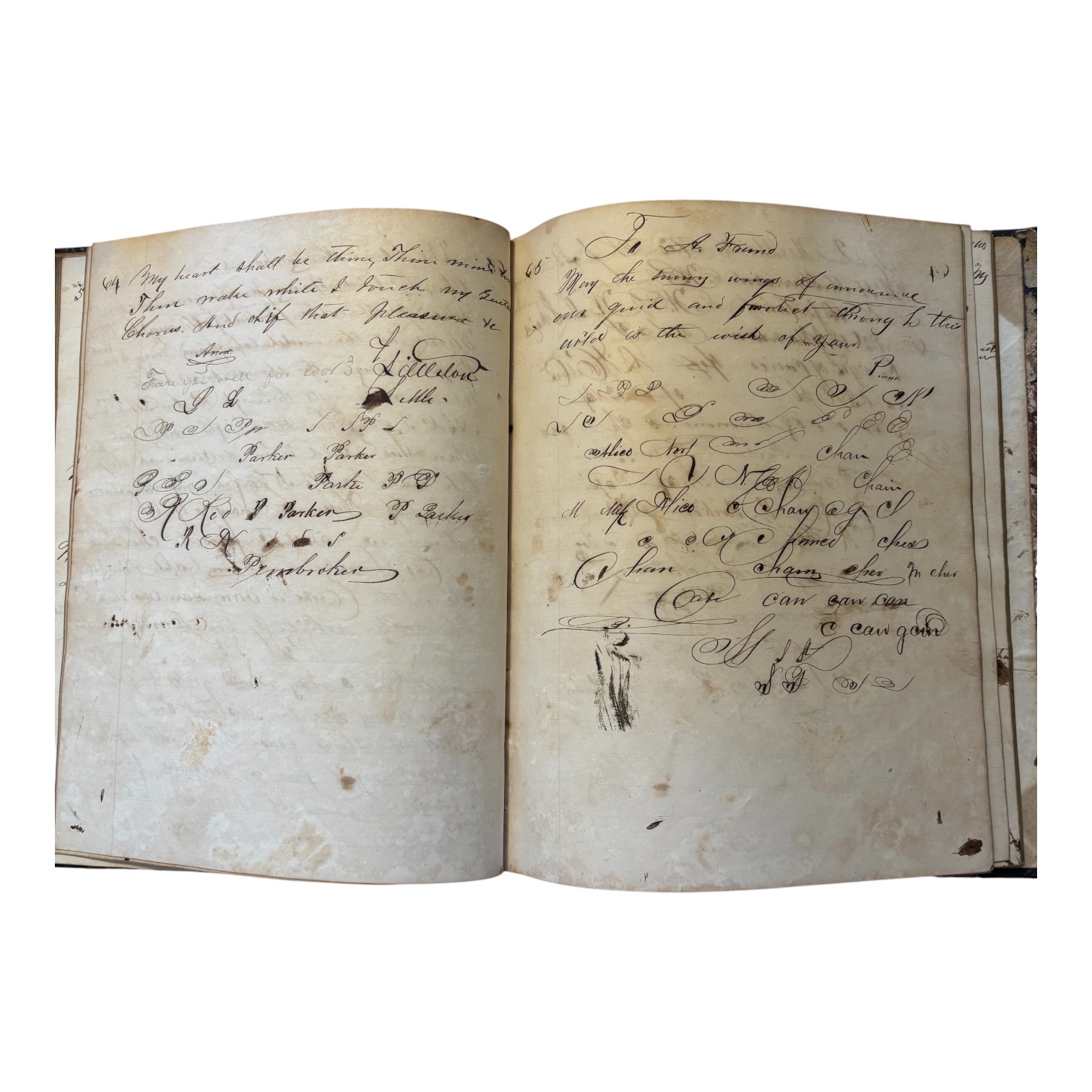
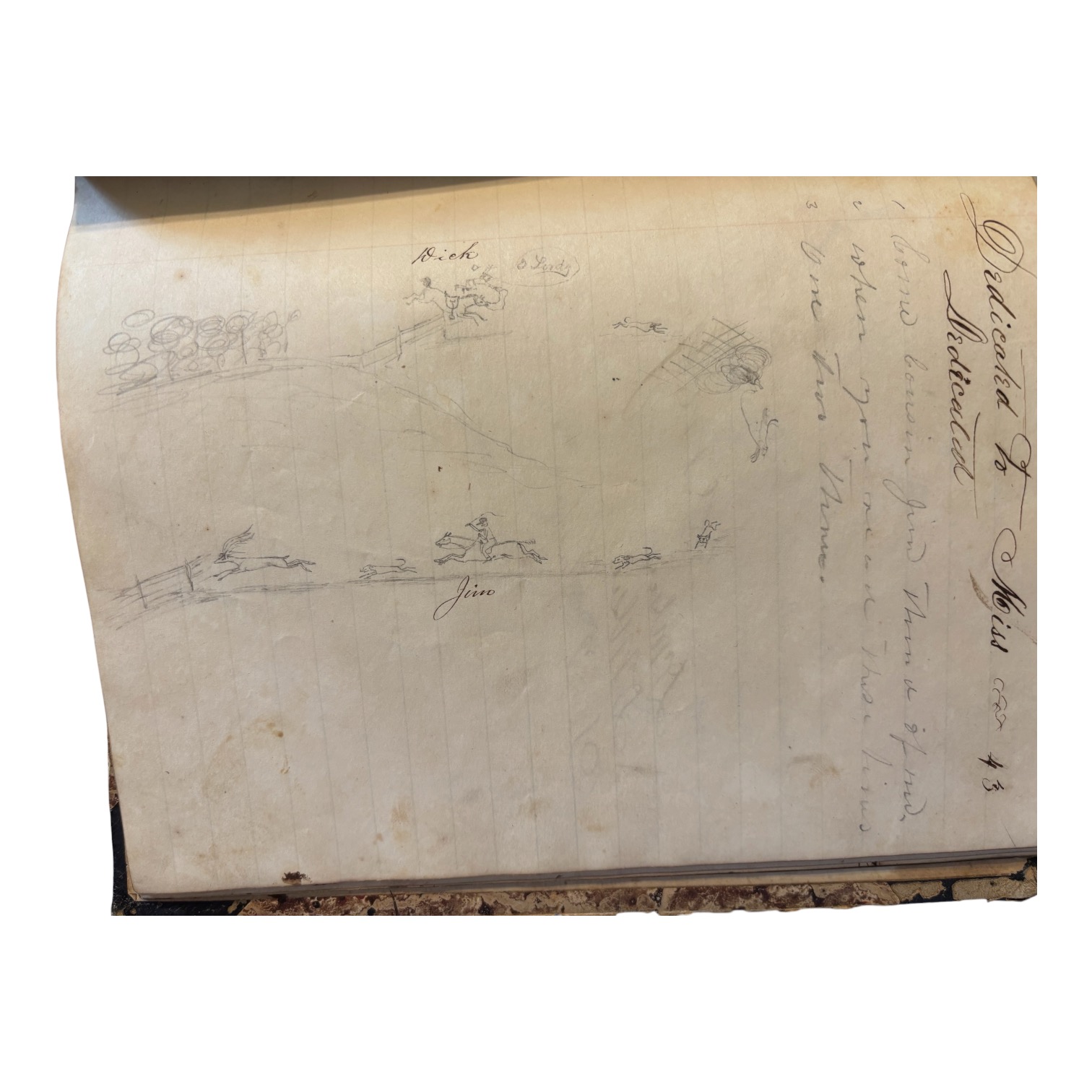
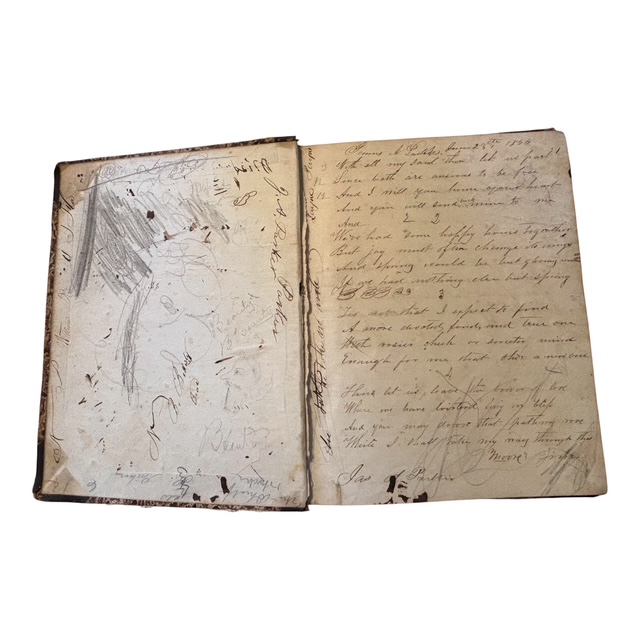
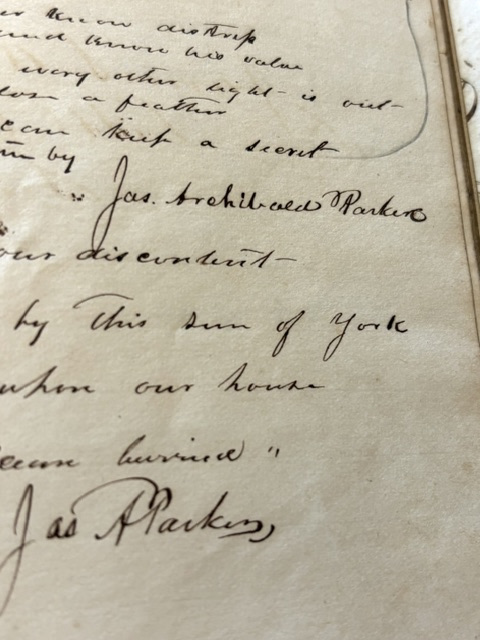
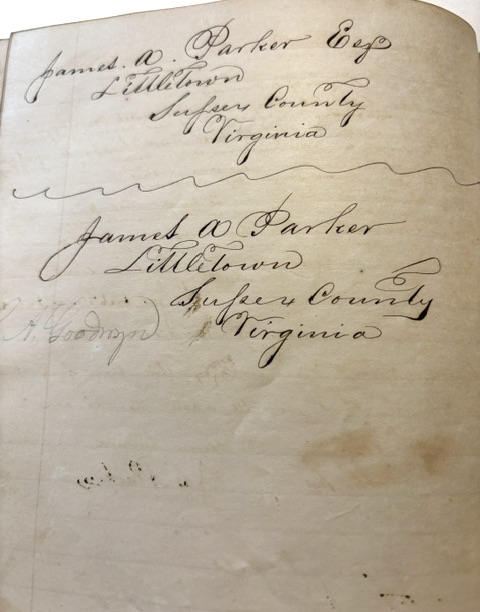
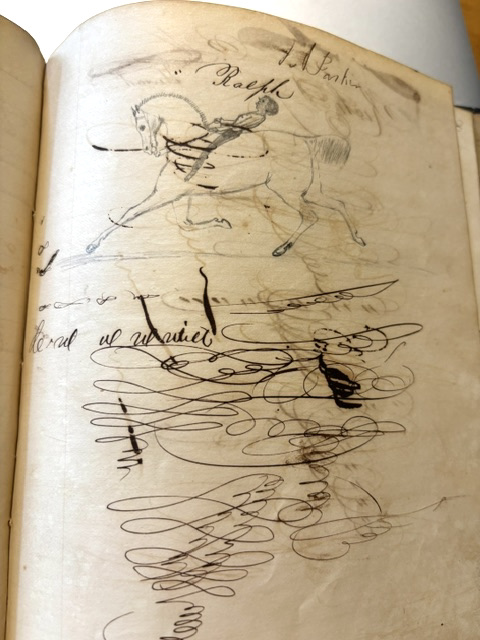
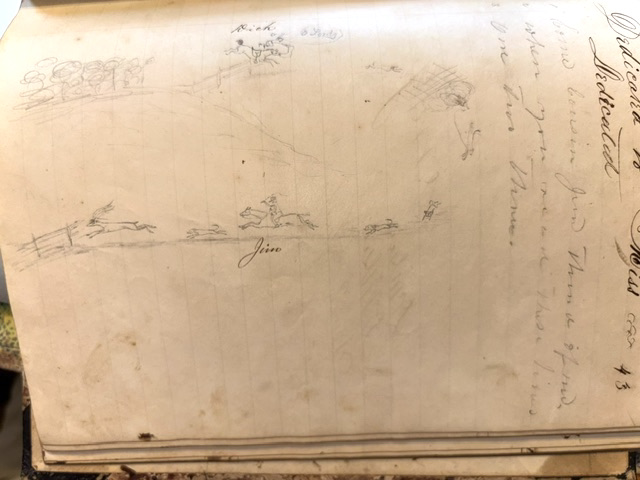
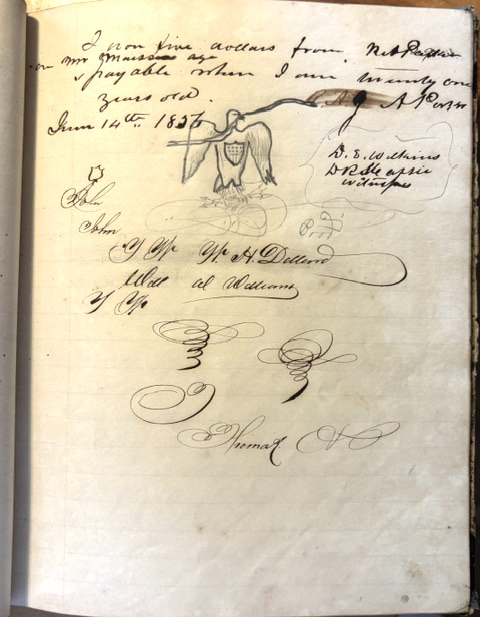
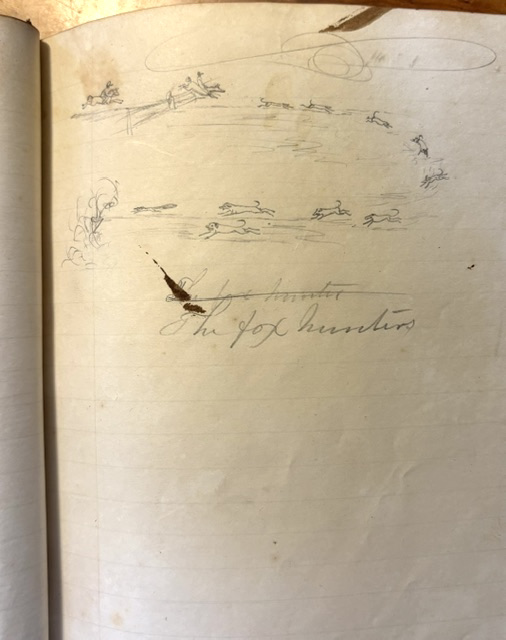
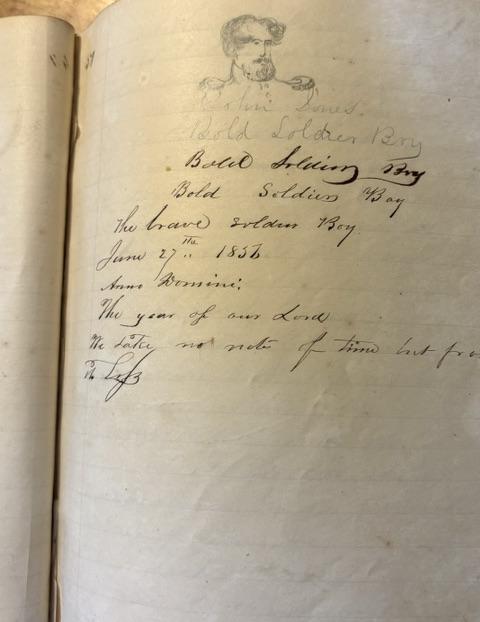
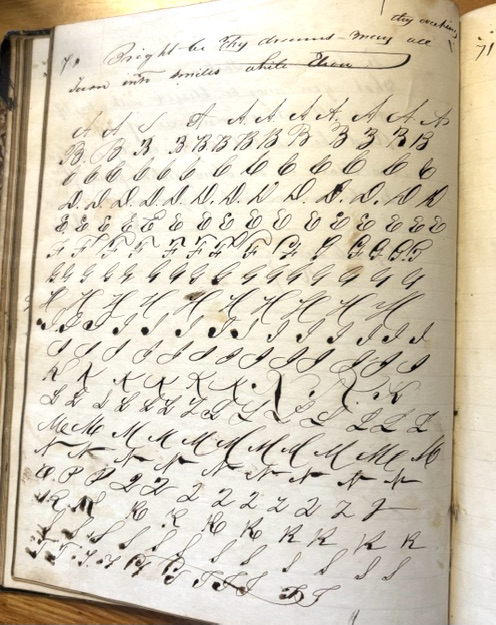
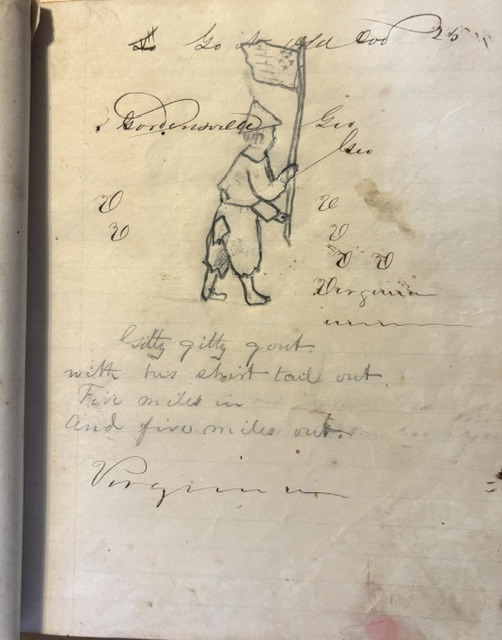
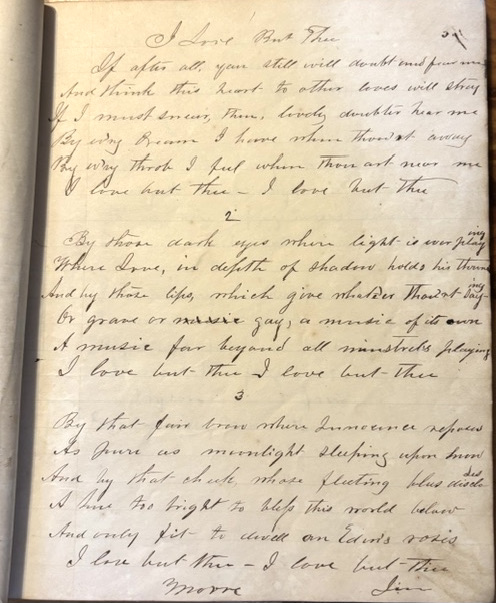
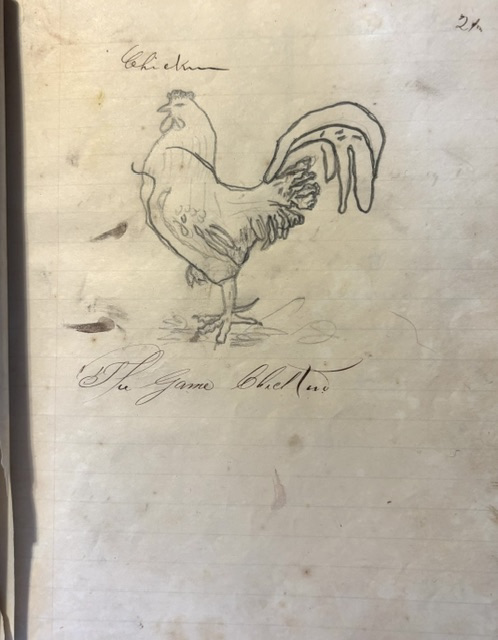
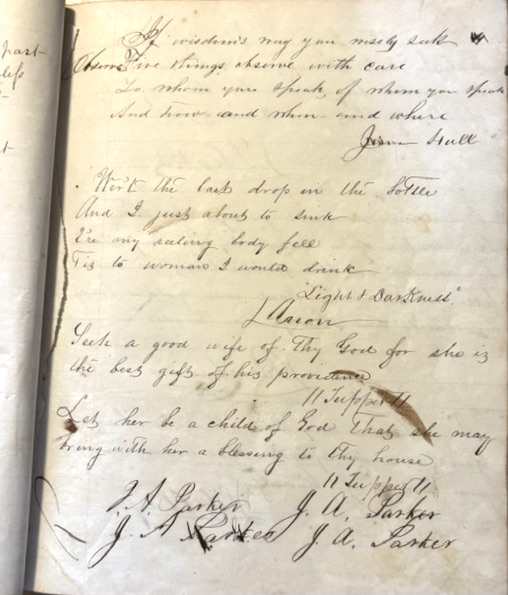
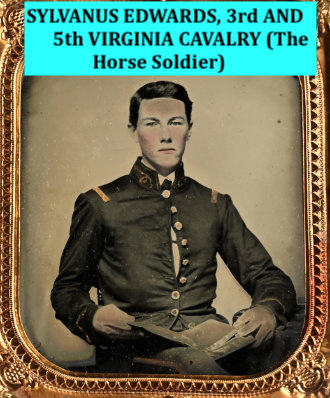
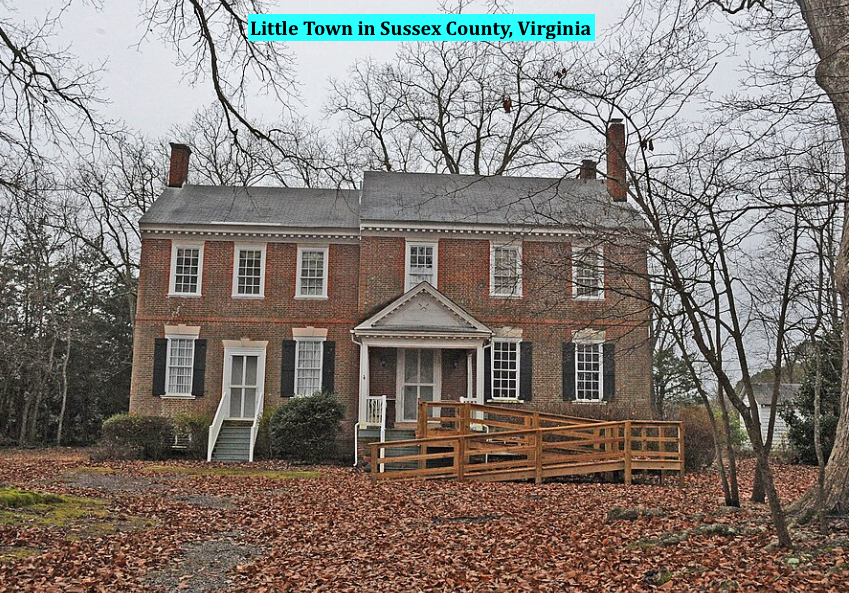
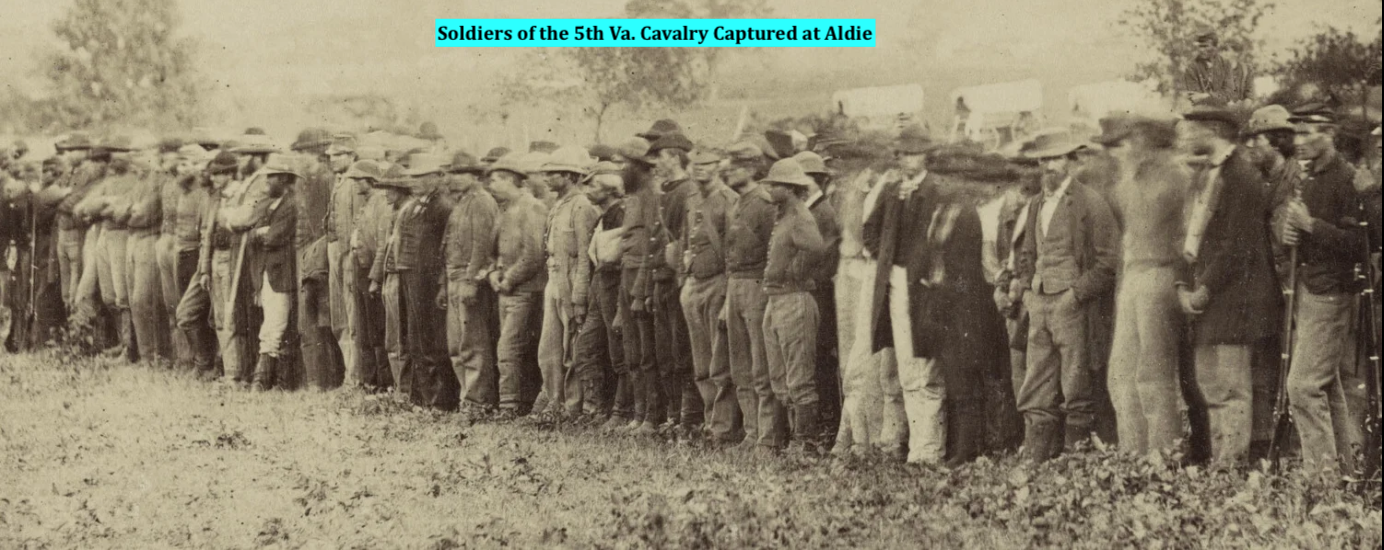
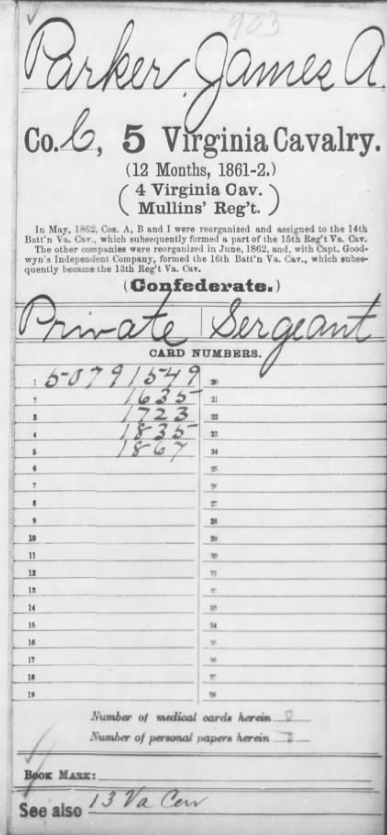
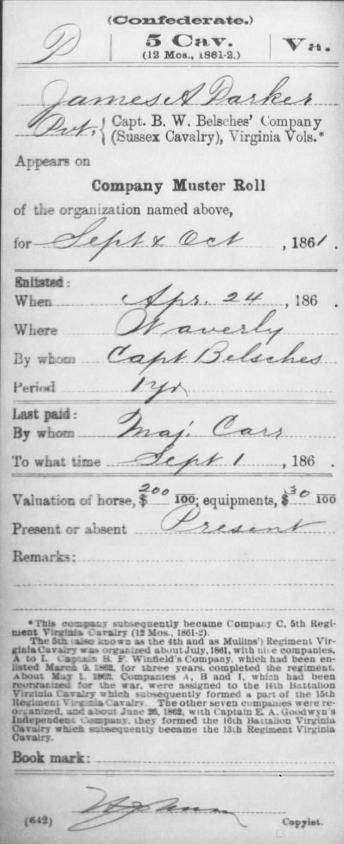
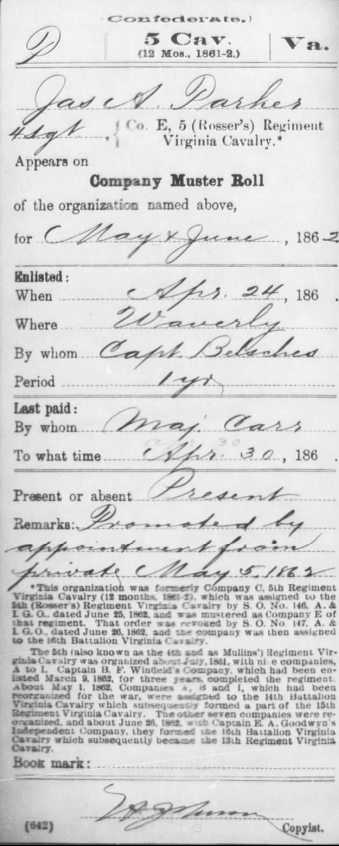
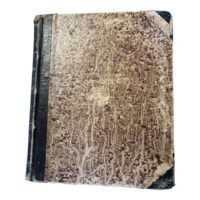
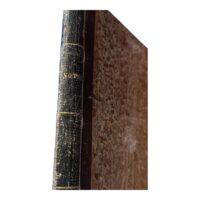
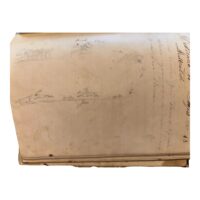
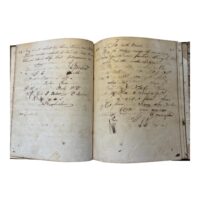
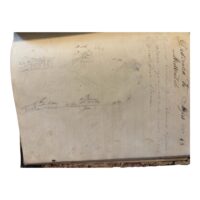
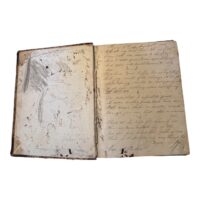
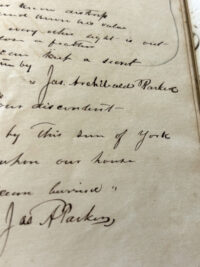
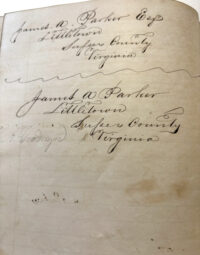
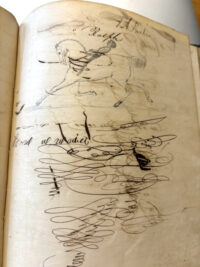
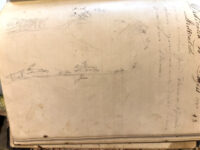
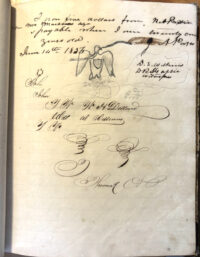
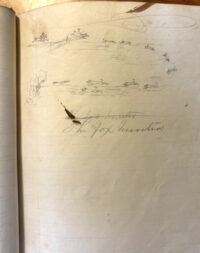
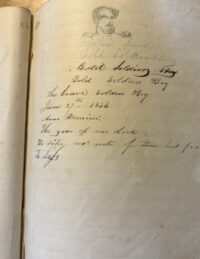
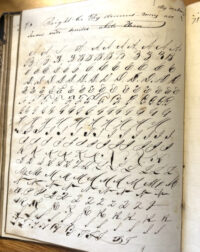
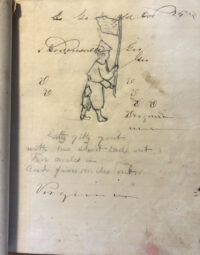
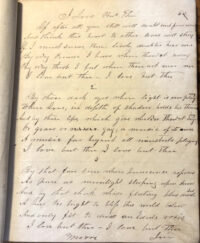
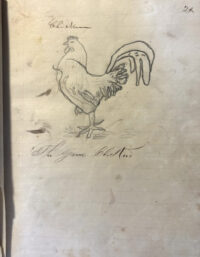
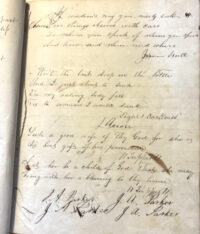
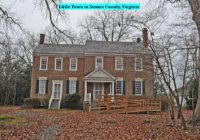
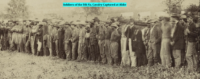
Id’d Personal Prewar Notebook of Sergeant James A. Parker 5th and 13th Va. Cavalry Killed in Action at Upperville, Virginia in June 1863 – This small notebook contains many bits of poetry and verse either composed by James A. Parker or copied by him – many are excerpts written by renown authors and poets; additionally, Parker executed some interesting sketches on several pages. All contents of the book appear to date to 1856; Parker lists his being in the area of Little Town an early 19th century brick home in Sussex County, Virginia. In April 1861, shortly after Virginia seceded, Parker enlisted at nearby Waverly, Virginia, into Co. C 5th Virginia Cavalry, at the rank of Private. Sometime later in his service, Parker would transfer into Co. H 13th Virginia Cavalry, at the rank of 4th Sergeant; he would participate with that regiment in several engagements and was killed in action on June 17, 1863 at Upperville, Virginia. Reading the various entries and drawings completed by Parker, one is struck by his innocence and resultant poignancy at a time prior to the war; his life would take a disastrous turn in just a few years after he wrote in this notebook. The book has marbled covers with a leather spine which is embossed in gold letters with the word “NOTES”; the book and pages, most of which are hand-numbered, remain in overall good condition, with some minor scuffing to the spine and a section missing at the top of the spine. There appear to have been some additional pages at one time, but Parker seemingly tore some out to give to people, as some of the poetry and verses are dedicated to individuals; regardless, the vast majority of the pages remain in the book and are almost all filled, including some pages where Parker appears to have been practicing his penmanship.
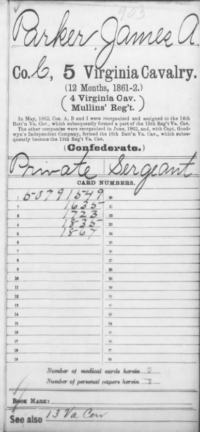
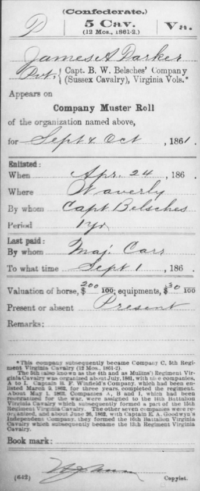
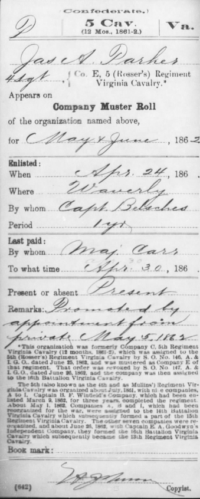
James A. Parker
Residence was not listed.
Enlisted on 4/24/1861 at Waverly, VA as a Priv.
On 4/24/1861, he mustered into “C” Co. Virginia 5th Cavalry.
He transferred out (date not stated)
He was listed as:
On rolls 2/28/1862 (place not stated) (Present)
Detached service 3/15/1862 (place not stated) (Estimated day)
Returned 5/1/1862 (place not stated) (Estimated day)
On rolls 6/30/1862 (place not stated) (Present)
Promotions:
4th Sergt 5/5/1862
He also transferred into “H” Co. Virginia 13th Cavalry.
He was Killed on 6/17/1863 at Upperville, VA
5th Virginia Consolidated Cavalry Regiment
Active June 1862 – April 1865
Disbanded April 1865
Country Confederacy
Engagements:
First Battle of Manassas
Peninsula Campaign
Seven Days’ Battles
Second Battle of Bull Run
Battle of Antietam
Battle of Fredericksburg
Battle of Chancellorsville
Battle of Brandy Station
Battle of Gettysburg
Bristoe Campaign
Overland Campaign
Siege of Petersburg
Valley Campaigns of 1864
Battle of Five Forks
Appomattox Campaign
Commanders
Notable
commanders Colonel Thomas L. Rosser
The 5th Virginia Cavalry Regiment was a cavalry regiment raised in Virginia for service in the Confederate States Army during the American Civil War. It fought mostly with the Army of Northern Virginia.
The Virginia 5th Cavalry was organized in June, 1862, using six companies of scouts under Lieutenant Colonel H. Clay Pate known as the 2nd Battalion Virginia Cavalry as its nucleus. These men who had been serving since May and the additional four companies added in June were from Petersburg and Fairfax, Gloucester (Co. F, the Mathews Light Dragoons), King and Queen, Mathews, Randolph, and James City counties.
It was assigned to W.H.F. Lee’s, F. Lee’s, Lomax’s, and Payne’s Brigade, Army of Northern Virginia. The unit participated in the Seven Days’ Battles, the Second Bull Run and Maryland campaigns, and the conflicts at Fredericksburg, Brandy Station, Upperville, Gettysburg, Bristoe, and Mine Run. Later it was involved at The Wilderness and Cold Harbor, and in Early’s Shenandoah Valley operations.
On November 8, 1864, it was consolidated with the 15th Virginia Cavalry and redesignated the 5th Consolidated Regiment Virginia Cavalry. This command took part in the defense of Petersburg and saw action around Appomattox.
Only 150 men were engaged at Gettysburg and 2 surrendered at Appomattox as most cut through the Federal lines and disbanded. The field officers were Colonels Reuben B. Boston, H. Clay Pate, and Thomas L. Rosser; Lieutenant Colonel James H. Allen; and Majors Beverly B. Douglas, John Eells, Cyrus Harding, Jr., and John W. Puller.
5th Regiment, Virginia Cavalry
5th Cavalry Regiment was organized in June, 1862, using the 2nd Battalion Virginia Cavalry as its nucleus. The men were from Petersburg and Fairfax, Gloucester, King and Queen, Mathews, Randolph, and James City counties. It was assigned to W.H.F. Lee’s, F. Lee’s, Lomax’s, and Payne’s Brigade, Army of Northern Virginia. The unit participated in the Seven Days’ Battles, the Second Manassas and Maryland campaigns, and the conflicts at Fredericksburg, Brandy Station, Upperville, Gettysburg, Bristoe, and Mine Run. Later it was involved at The Wilderness and Cold Harbor, and in Early’s Shenandoah Valley operations. On November 8, 1864, it was consolidated with the 15th Virginia Cavalry Regiment and redesignated the 5th Regiment Virginia Cavalry Consolidated. This command took part in the defense of Petersburg and saw action around Appomattox. Only 150 men were engaged at Gettysburg and 2 surrendered at Appomattox as most cut through the Federal lines and disbanded. The field officers were Colonels Reuben B. Boston, H. Clay Pate, and Thomas L. Rosser; Lieutenant Colonel James H. Allen; and Majors Beverly B. Douglas, John Eells, Cyrus Harding, Jr., and John W. Puller.
Predecessor unit:
2nd Cavalry Battalion was formed in May, 1862, with six companies and appears to have been a command of scouts. A month later four companies were added and the unit became the 5th Regiment Virginia Cavalry. Lieutenant Colonel H. Clay Pate was in command.
13th Virginia Cavalry Regiment
Active July 1862 – April 9, 1865
Engagements:
Battle of Fredericksburg
Battle of Brandy Station
Battle of Gettysburg
Bristoe Campaign
Mine Run Campaign
Overland Campaign
Siege of Petersburg
Appomattox Campaign
Notable commanders: John R. Chambliss Jr., Jefferson C. Phillips
The 13th Virginia Cavalry Regiment was a Confederate cavalry unit organized in July 1862 in Virginia. It was formed from the existing 16th Virginia Cavalry Battalion and comprised companies raised primarily in Petersburg and the counties of Southampton, Sussex, Prince George, Surry, and Nansemond. The regiment served in the Army of Northern Virginia, initially under Maj. Gen. W.H.F. Lee and later under Brig. Gen. John R. Chambliss Jr.. It saw action in numerous engagements including Fredericksburg, Brandy Station, Gettysburg, and the Overland and Petersburg campaigns. The regiment mustered 298 men at Gettysburg and surrendered with just 88 at Appomattox.
Organization
The 13th Virginia Cavalry originally consisted of ten companies (A through K), each drawn from specific counties:
Company A – “Southampton Cavalry” (Southampton County)
Company B – “Petersburg Light Dragoons” (Petersburg)
Company C – “Randolph’s Dragoons” (Nansemond County)
Other companies were drawn from Sussex, Prince George, and Surry counties.
In December 1863, Col. John R. Chambliss Jr. was promoted to brigadier general and succeeded by Lt. Col. Jefferson C. Phillips as regimental commander. The unit remained part of Chambliss’s, then Beale’s Brigade in W.H.F. Lee’s Division until war’s end.
Service history
1862–1863
At the Battle of Fredericksburg (December 1862), the regiment screened Confederate flanks and patrolled river crossings. In spring 1863, it participated in cavalry clashes along the Rappahannock, including actions at Beverly Ford during the Stoneman Raid.
During the Gettysburg campaign, the regiment was engaged at Brandy Station, Aldie, and Middleburg. At Gettysburg, the 13th fought dismounted on East Cavalry Field on July 3, 1863, and supported Confederate cavalry charges. Some troopers skirmished around the Rummel Farm. Chambliss’s Brigade, including the 13th Virginia, reported 8 killed, 41 wounded, and 25 missing during this engagement.
Lt. Col. Phillips was wounded during the retreat, and Major Benjamin F. Winfield temporarily assumed command.
1864–1865
In the Overland Campaign, the 13th Virginia fought in the Battle of the Wilderness, Spotsylvania Court House, North Anna, and Cold Harbor. It screened infantry movements and engaged in frequent skirmishes.
It participated in the Siege of Petersburg from June 1864 until April 1865, including fighting at Jones’s Farm and Vaughan Road. During the Appomattox Campaign, it was engaged in rear guard actions and surrendered at Appomattox Court House on April 9, 1865, with 10 officers and 78 enlisted men remaining.
Casualties and strength
13th Virginia Cavalry strength and losses
Date Officers Present Enlisted Men Total
July 1863 (Gettysburg) — 298 298
April 9, 1865 (Surrender at Appomattox) 10 78 88
Chambliss’s Brigade suffered 8 killed, 41 wounded, and 25 missing at Gettysburg.
Commanders
Col. John R. Chambliss Jr. – Original commander, promoted to brigadier general in 1863. Killed at Deep Bottom in August 1864.. Jefferson C. Phillips – Succeeded Chambliss, led the regiment through Appomattox.
Lt. Col. Alexander H. Savage
Lt. Col. Thomas H. Upshaw
Maj. Benjamin W. Belsches
Maj. Joseph E. Gillette
Maj. Benjamin F. Winfield – Took command during Gettysburg retreat.
Legacy
A monument to Chambliss’s Brigade stands on East Cavalry Field at Gettysburg. It includes the 13th Virginia Cavalry and commemorates their charge on July 3, 1863. Veterans of the regiment participated in postwar Confederate reunions in Virginia, and unit histories such as Daniel T. Balfour’s Thirteenth Virginia Cavalry (1986) help preserve the regiment’s memory
13th Regiment, Virginia Cavalry
Overview:
13th Cavalry Regiment was formed in July, 1862, using the 16th Battalion Virginia Cavalry as its nucleus. The men were from Petersburg and the counties of Southampton, Sussex, Prince George, Surry, and Nansemond. It was assigned to W.H.F. Lee’s, Chambliss’, and Beale’ Brigade in the Army of Northern Virginia. The unit was active in the conflicts at Fredericksburg, Brandy Station, Upperville, Hanover, Gettysburg, Bristoe, Kelly’s Ford, and Mine Run. Later it participated in The Wilderness Campaign, the defense of Petersburg and Richmond, and the Appomattox operations. This regiment had 298 men in action in Gettysburg and surrendered on April 9, 1865, with 10 officers and 78 men. The field officers were Colonels John R. Chambliss, Jr. and Jefferson C. Phillips; Lieutenant Colonels Alexander Savage and Thomas H. Upshaw; and Majors Benjamin W. Belsches, Joseph E. Gillette, and Benjamin F. Winfield.
Related Items
-
Horse Equipment of the Civil War Era by Howard Crouch
$75Horse Equipment of the Civil War Era by Howard CrouchJune 8, 2020 -
Large Format Salt Print of Captain Robin Jones 1st SC Cavalry KIA at Brandy Station
$3,000Large Format Salt Print of Captain Robin Jones 1st SC Cavalry KIA at Brandy StationMay 26, 2024 -
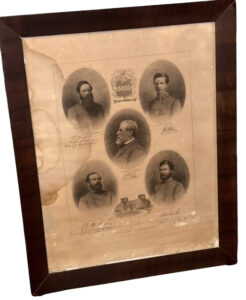
Rare C. 1898 Lithograph of Virginia’s Lee Family Participants in the Confederate Army in its Original Frame Behind Original Glass
$350Rare C. 1898 Lithograph of Virginia’s Lee Family Participants in the Confederate Army in its Original Frame Behind Original GlassMarch 6, 2026 -
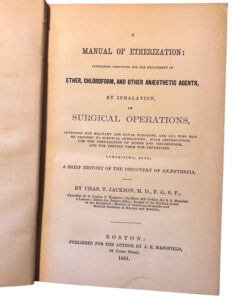
Rare 1st Edition Civil War Medical Book Entitled: A Manual of Etherization : Containing Directions for the Employment of Ether, Chloroform, and Other Anæsthetic Agents, by Inhalation, in Surgical Operations; with Instructions for the Preparation of Ether and Chloroform, and for Testing Them for Impurities. Comprising, also, a Brief History of the Discovery of Anæsthesia – By Charles T. Jackson
$850Rare 1st Edition Civil War Medical Book Entitled: A Manual of Etherization : Containing Directions for the Employment of Ether, Chloroform, and Other Anæsthetic Agents, by Inhalation, in Surgical Operations; with Instructions for the Preparation of Ether and Chloroform, and for Testing Them for Impurities. Comprising, also, a Brief History of the Discovery of Anæsthesia – By Charles T. JacksonJanuary 24, 2026