Model 1840 Palmetto Armory Heavy Cavalry SaberDecember 3, 2025


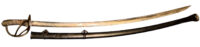


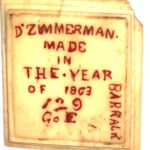
Model 1840 Palmetto Armory Heavy Cavalry Saber
SOLD
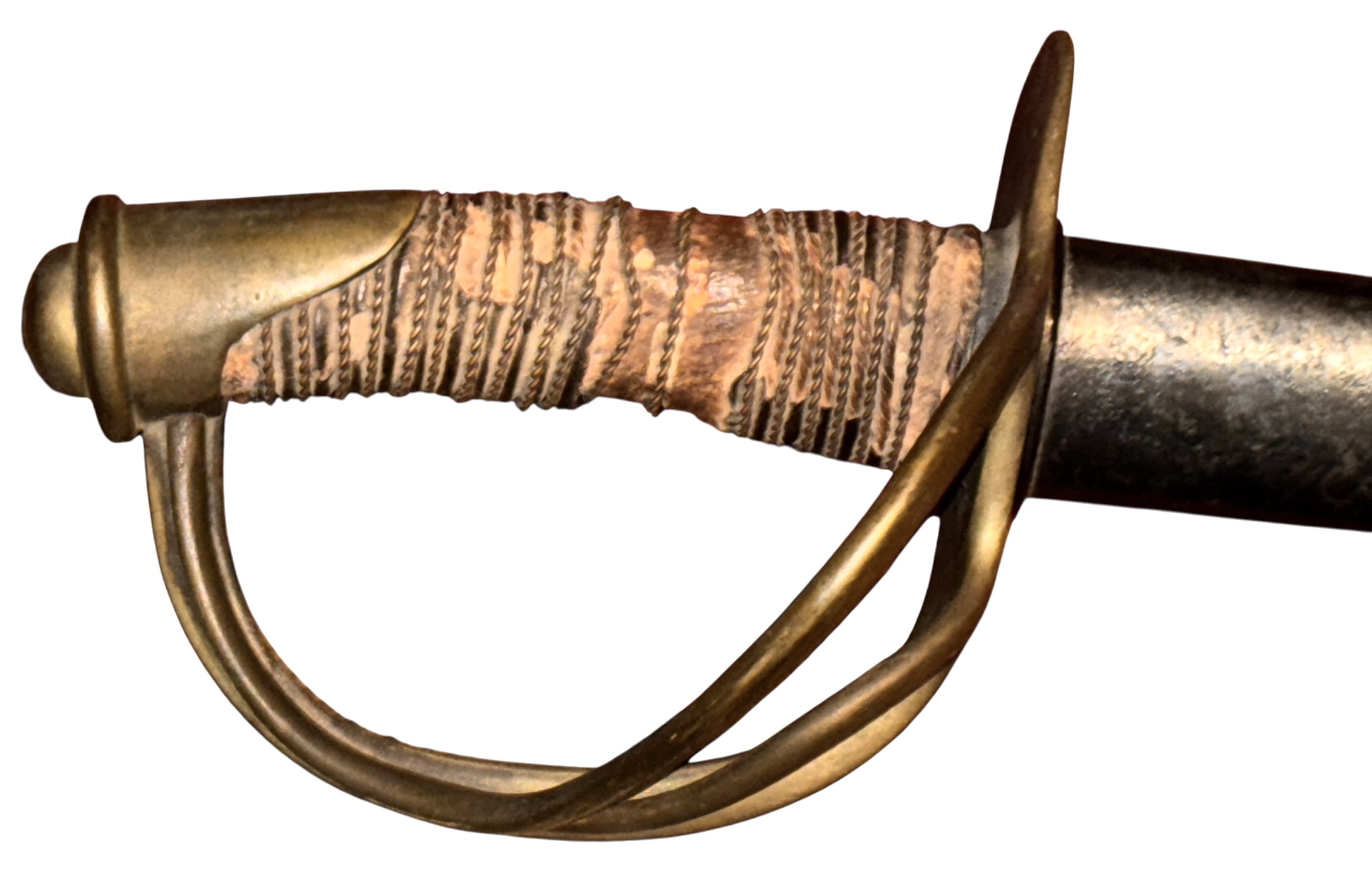
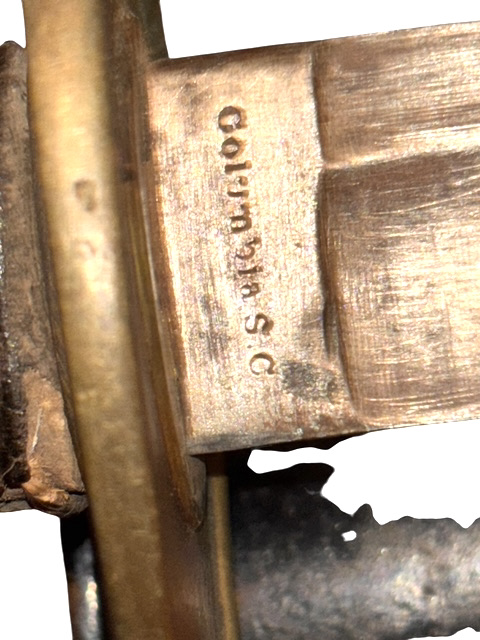
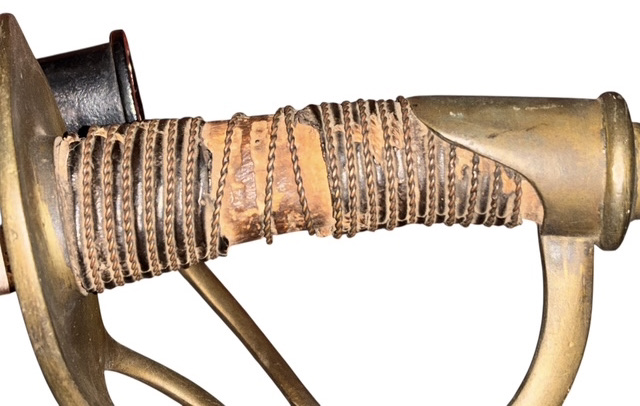
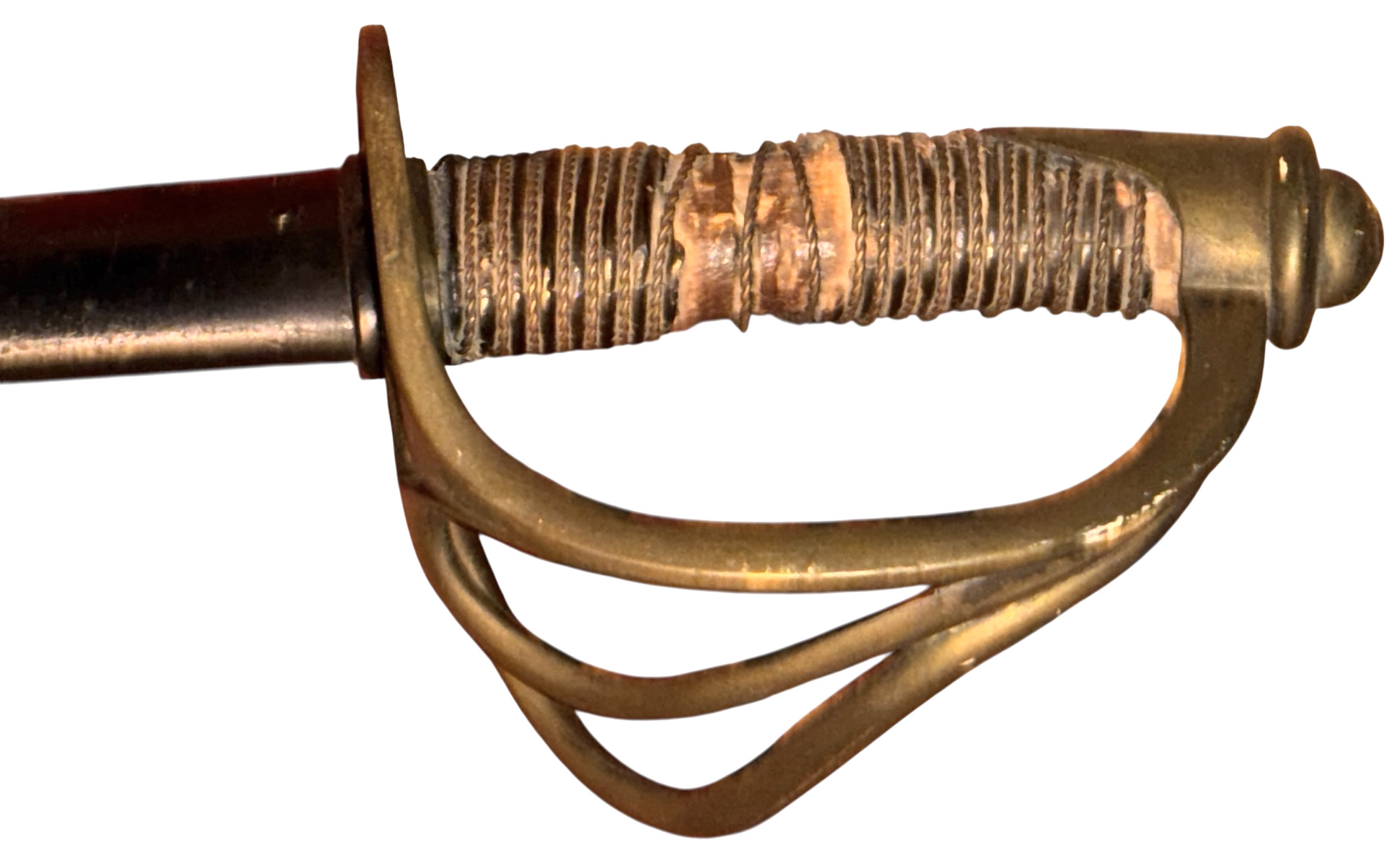
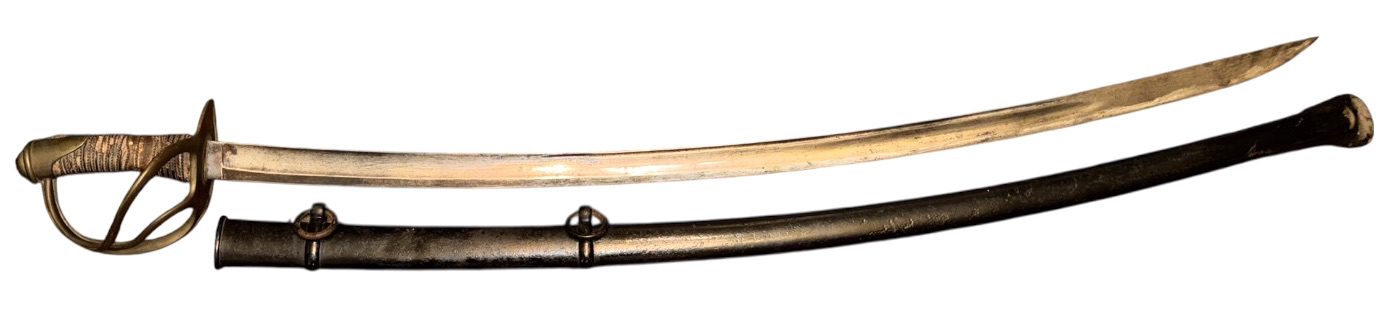
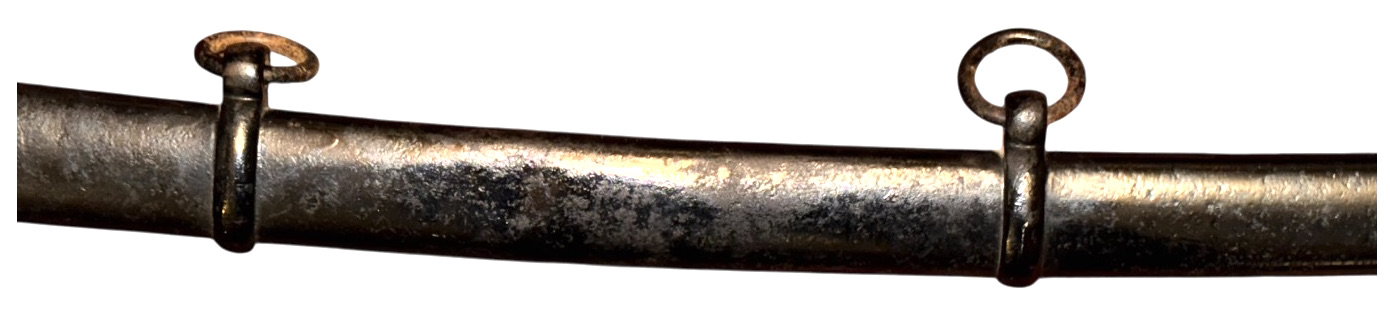
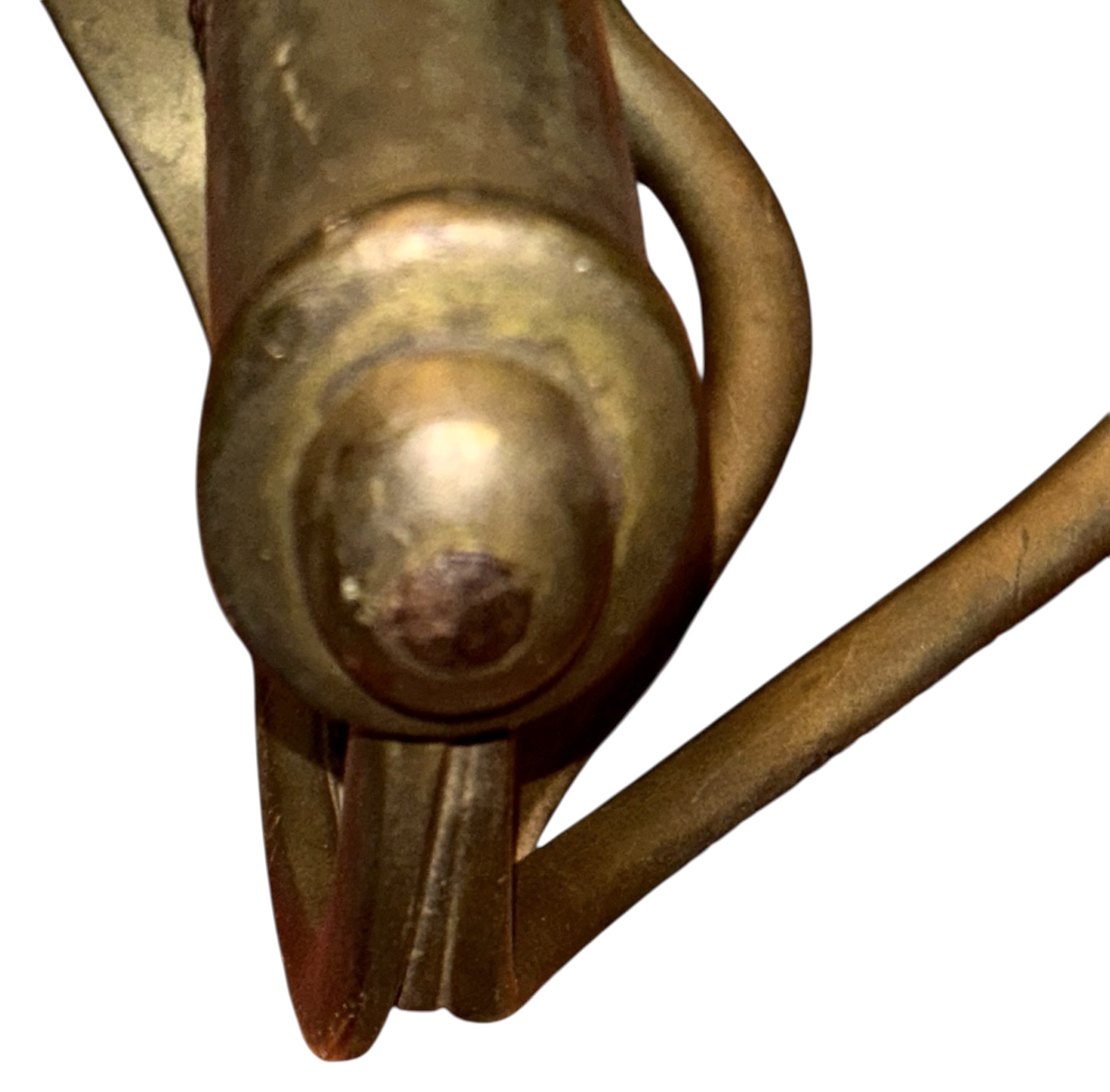
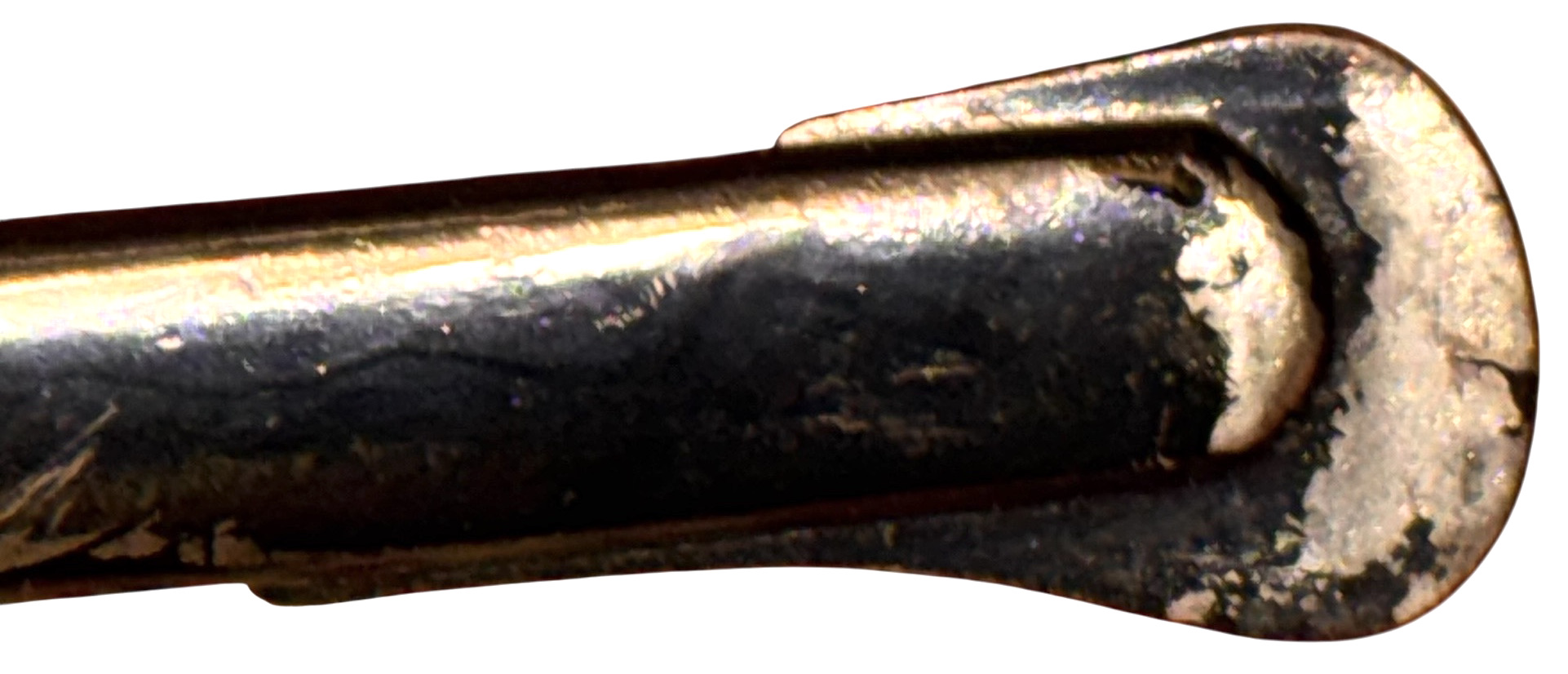
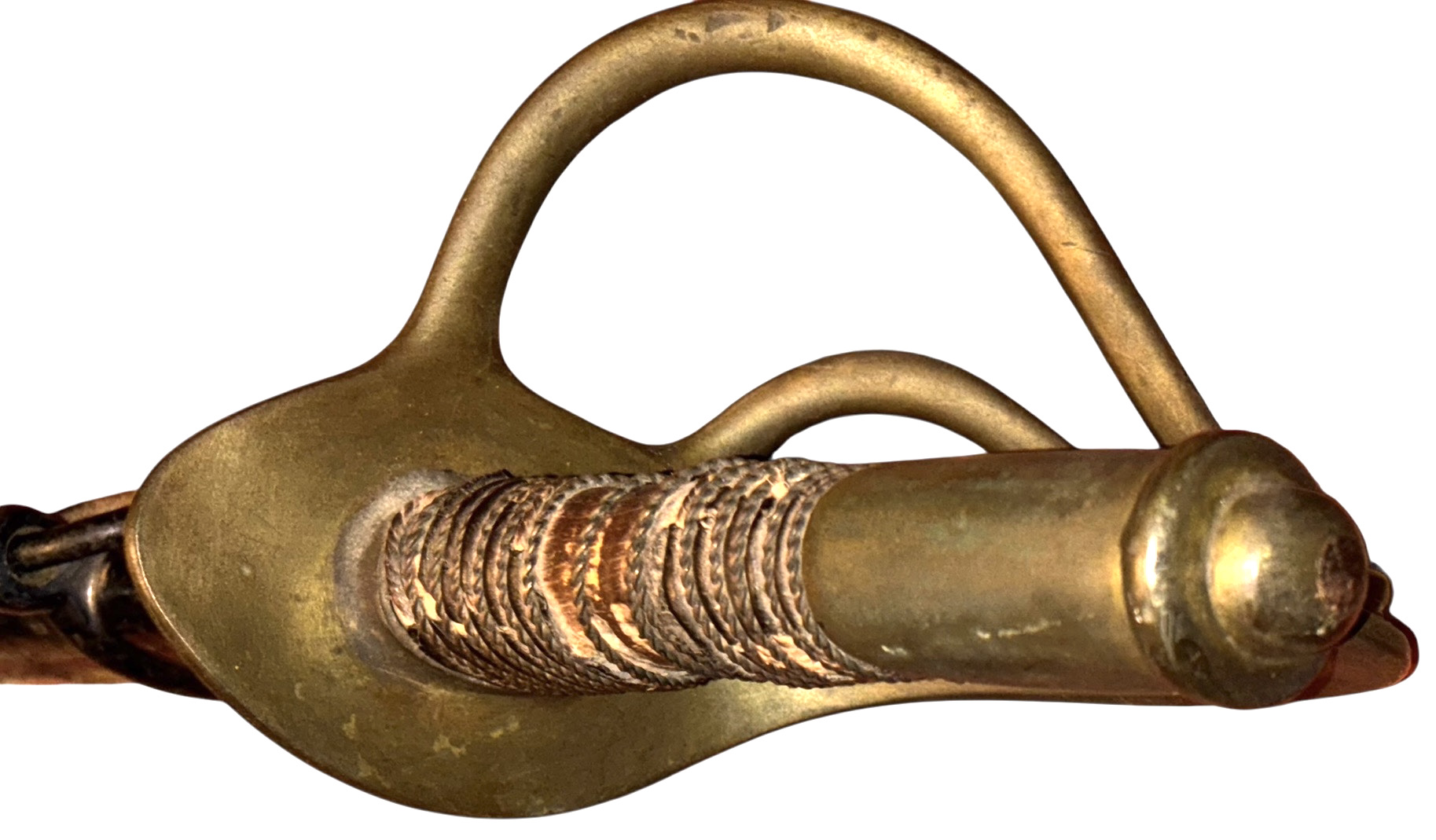
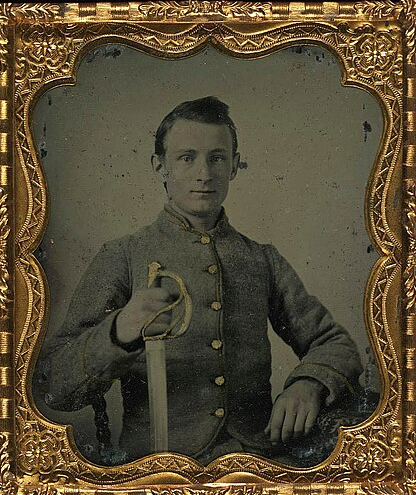
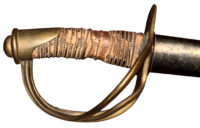
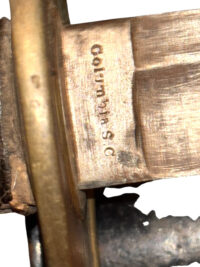
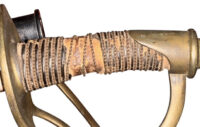
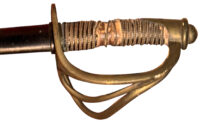
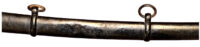
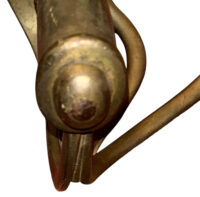
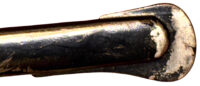
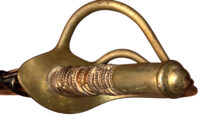
Model 1840 Palmetto Armory Heavy Cavalry Saber – Under the direction of William Glaze, these Palmetto Armory Sabers were produced in Columbia, South Carolina in the 1850s. This example retains its original scabbard, exhibiting a considerable amount of black paint, typical of wartime Confederate use. The sword and scabbard remain in overall good condition; the knucklebow exhibits a faint set of period inscribed initials. The grip is missing the original leather wrap, although some of the original, twisted, brass wire remains. On the sword’s ricasso is stamped “Columbia, S.C.”, with the opposite side blank; few extant examples from this pre-war era were actually stamped “Wm. Glaze” or “Palmetto”. These sabers were manufactured to meet the US regulation pattern; the blades were ordered from Germany and assembled in Columbia, SC and initially produced for the South Carolina State Militia. When the state of South Carolina seceded from the Union in 1861, these swords were distributed into various Confederate units for use in the ensuing Civil War.
Summary of significant descriptive details of the Palmetto Armory sword
- Manufacturer: William Glaze’s Palmetto Armory in Columbia, South Carolina.
- Model: M1840 Heavy Cavalry Saber, manufactured under contract for the state militia.
- Production: Glaze imported the blades from manufacturers like Schnitzler & Kirschbaum in Germany and assembled them in Columbia.
- Markings: The ricasso is typically marked with “Columbia S.C.” and occasionally “Wm. Glaze & Co.”.
- Confederate use: These swords were issued to South Carolina militia and later became a primary cavalry saber for the Confederacy.
- Quality: The swords were of good quality, on par with other US-made weapons of the era.
- Collector interest: They are considered scarce and valuable secondary Confederate cavalry sabers due to their origin and use.
Related Items
-
Confederate Artillery Short Sword
$1,850Confederate Artillery Short SwordMay 23, 2021 -
Dug Confederate Kenansville Cavalry Saber and Scabbard
Dug Confederate Kenansville Cavalry Saber and ScabbardJanuary 17, 2026 -

Civil War Period US Model 1850 Non-Regulation Field and Staff Officer’s Sword Retailed by Schuyler, Hartley & Graham
Civil War Period US Model 1850 Non-Regulation Field and Staff Officer’s Sword Retailed by Schuyler, Hartley & GrahamOctober 5, 2025 -

Confederate Side Knife
$650Confederate Side KnifeFebruary 1, 2026