Id’d Sharps M1859 New Model Carbine – 1st Sergeant John R. Morris Co. E 10th Kentucky CavalrySeptember 2, 2026


Id’d Sharps M1859 New Model Carbine – 1st Sergeant John R. Morris Co. E 10th Kentucky Cavalry
$4,250
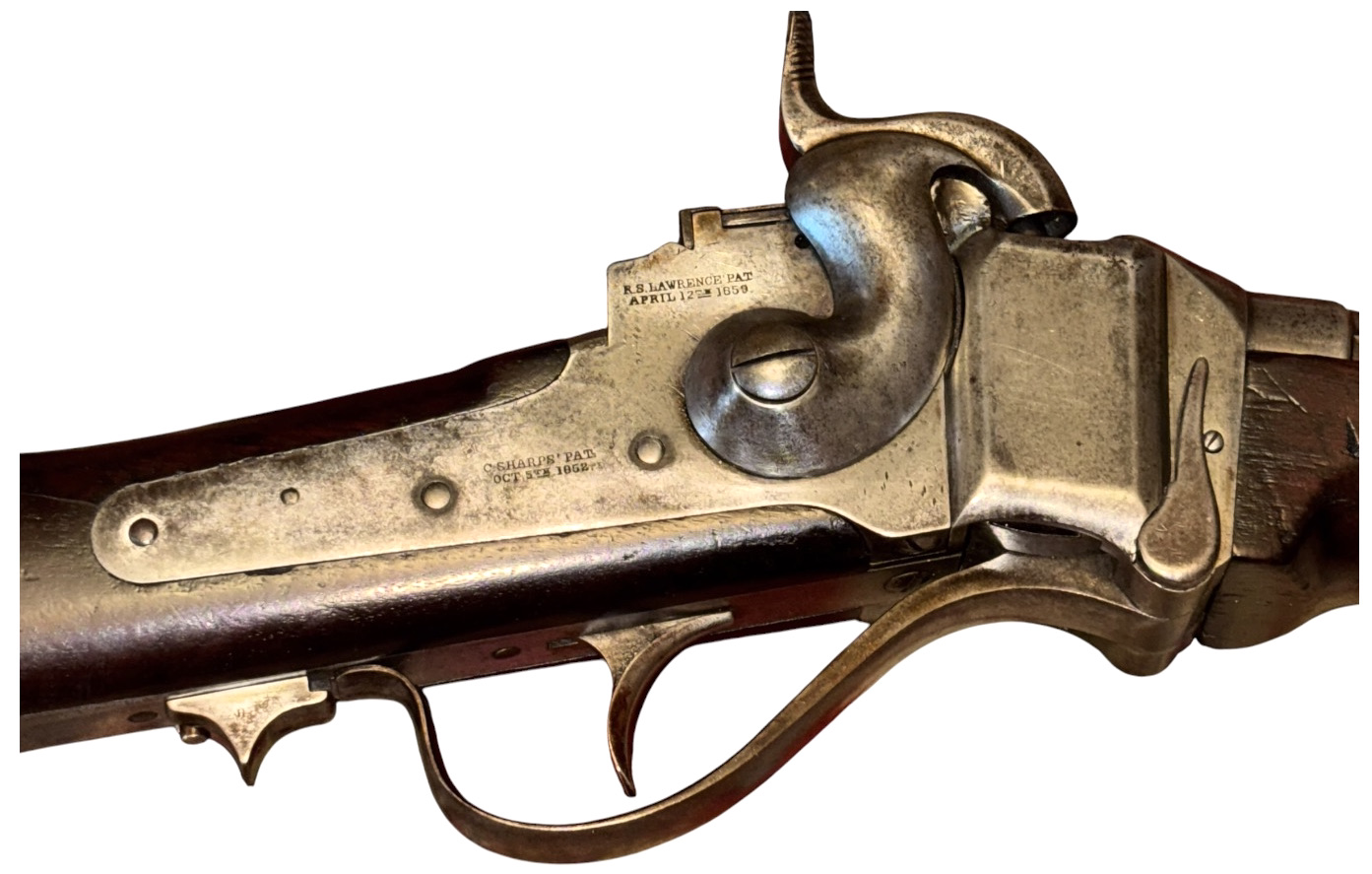
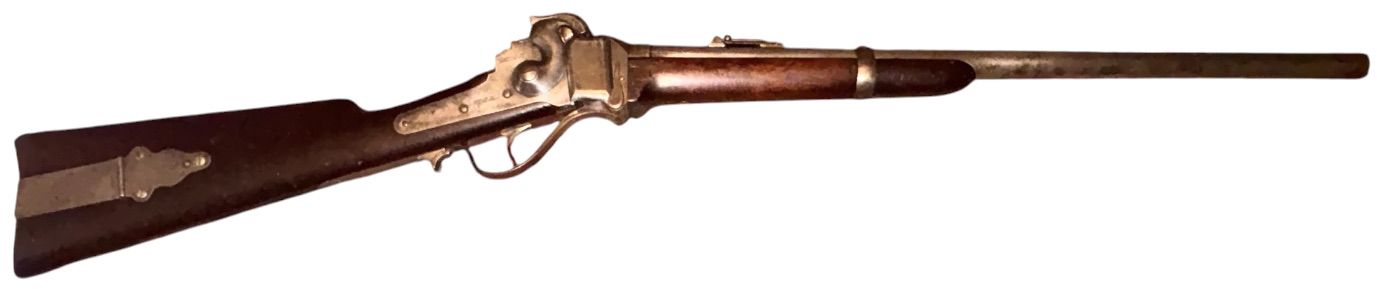
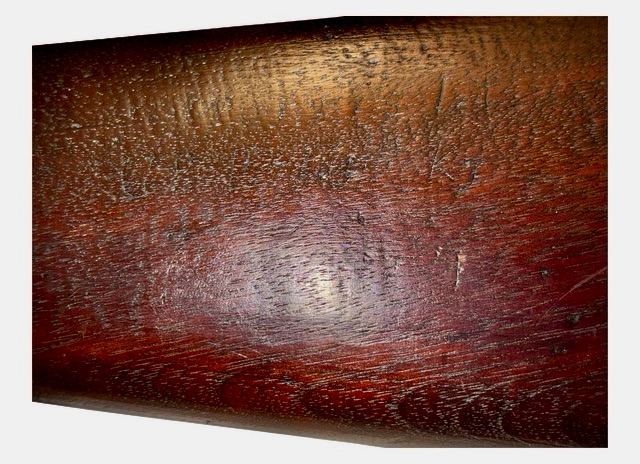
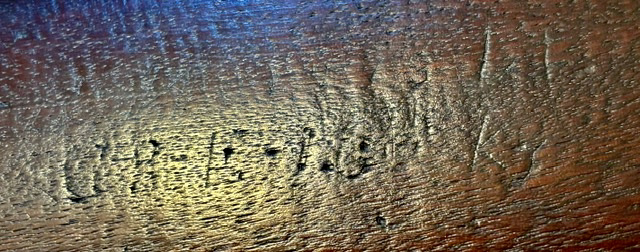
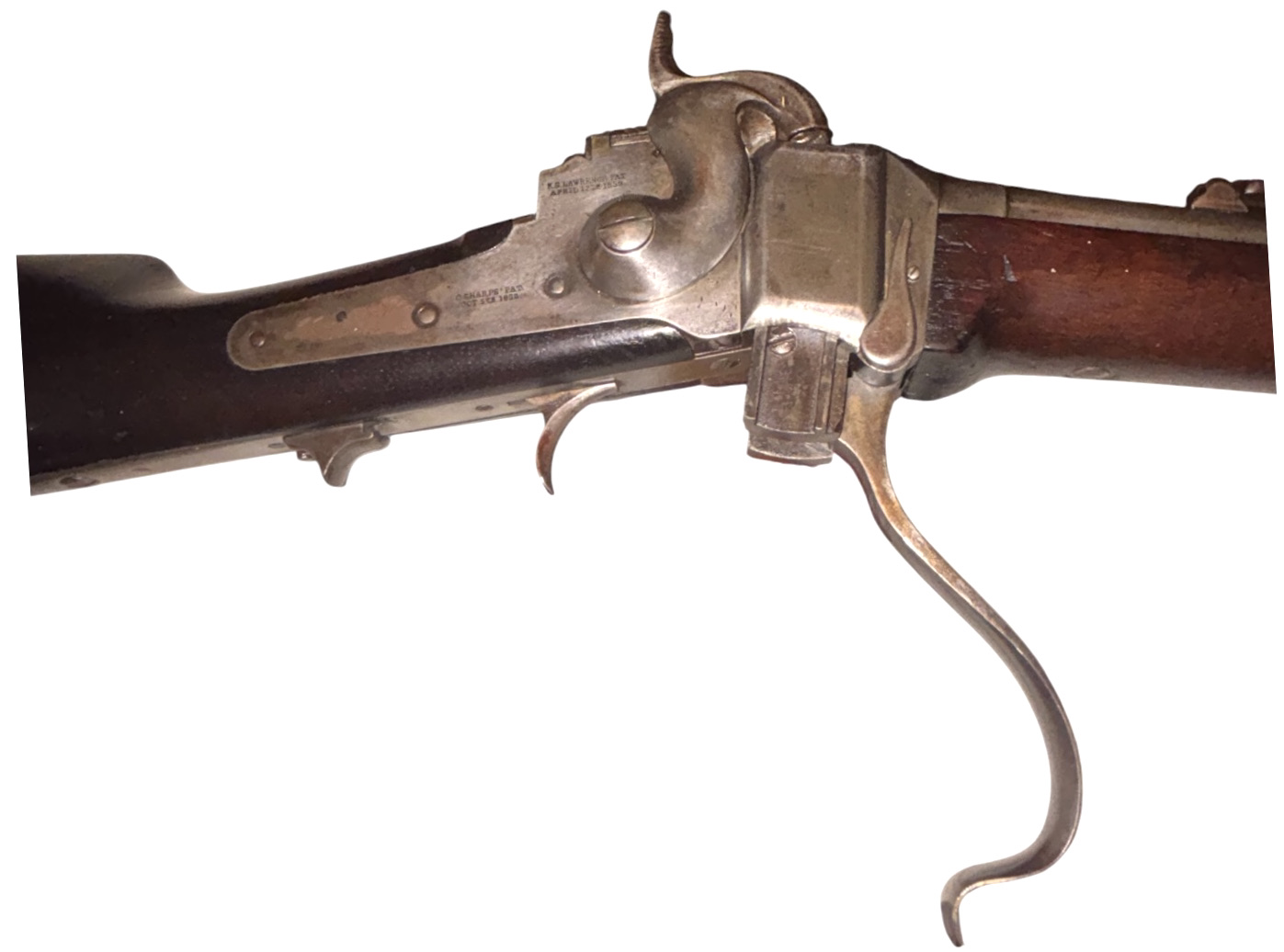
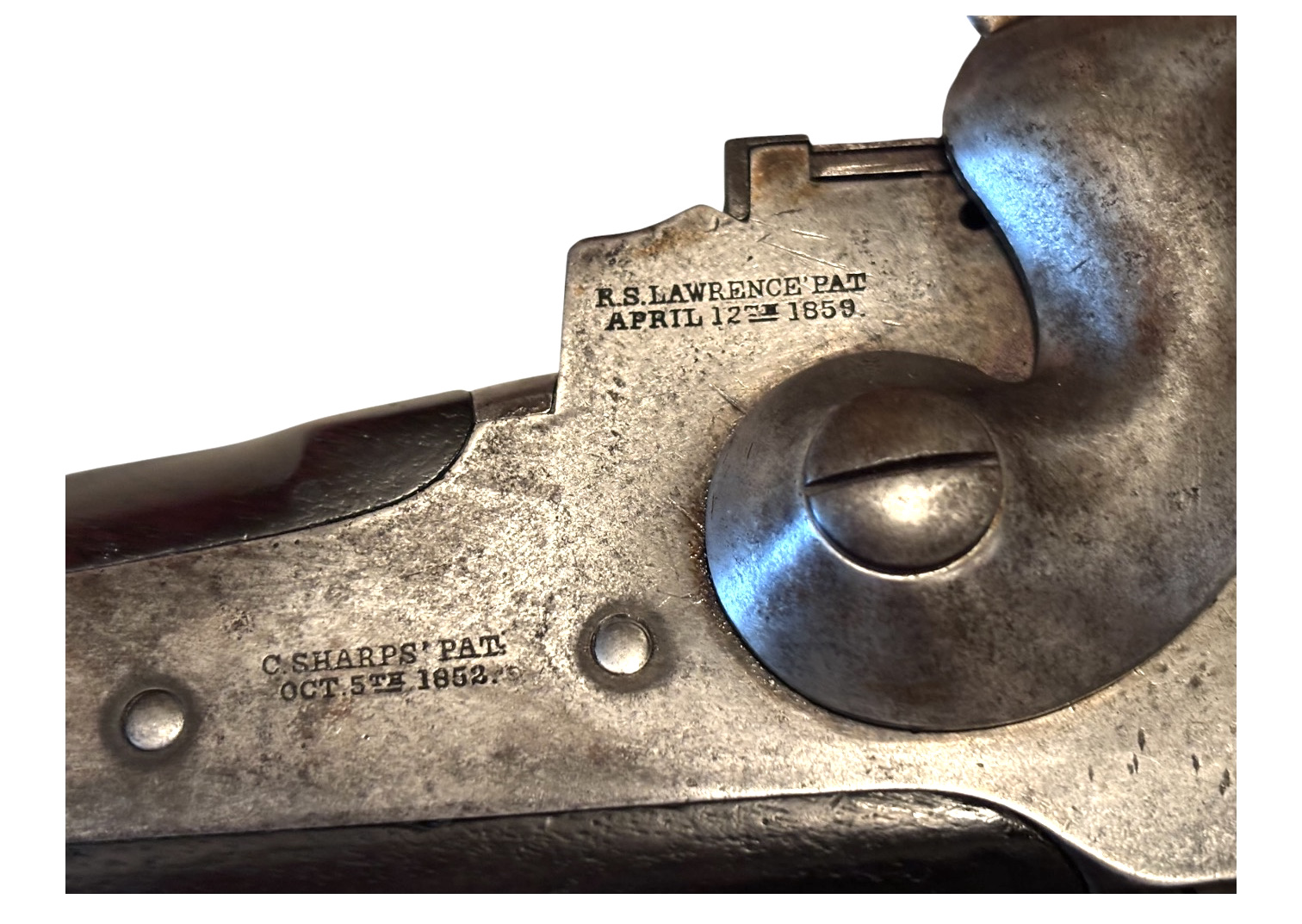
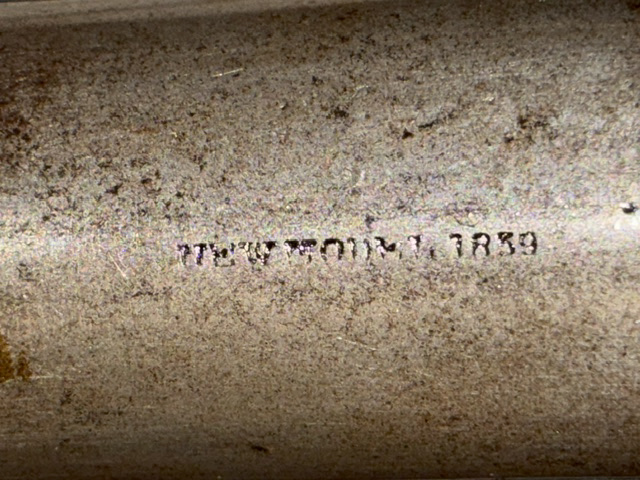
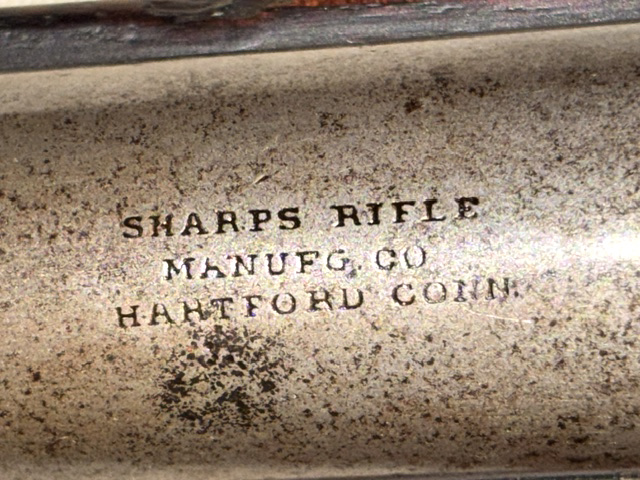
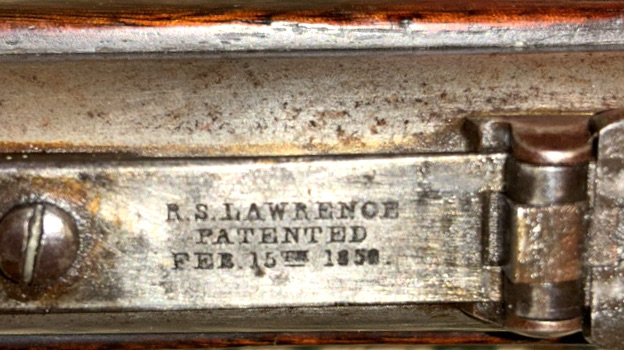
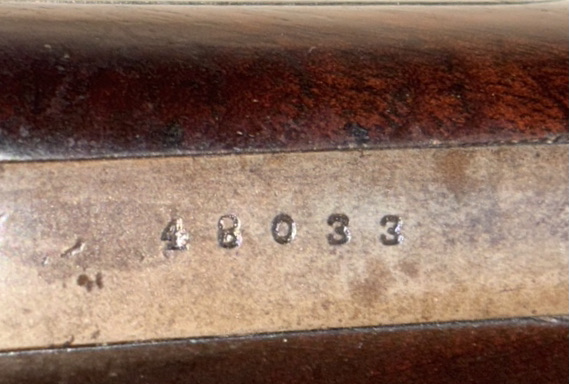
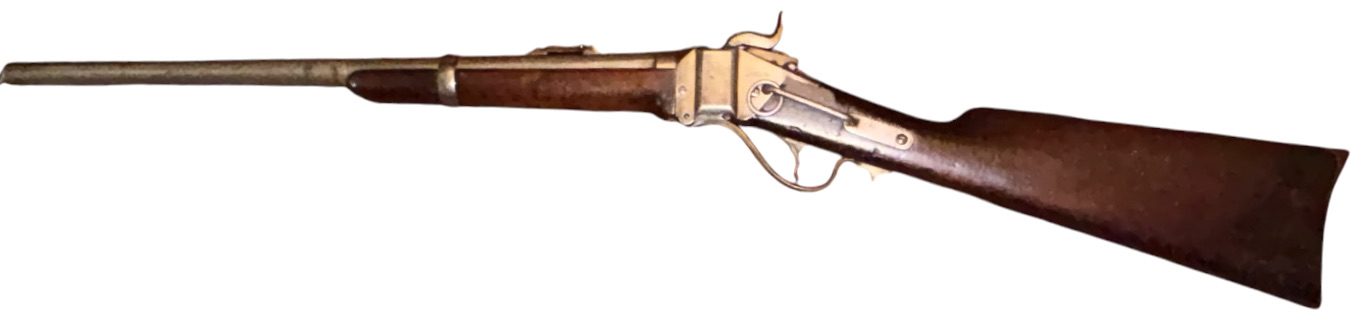
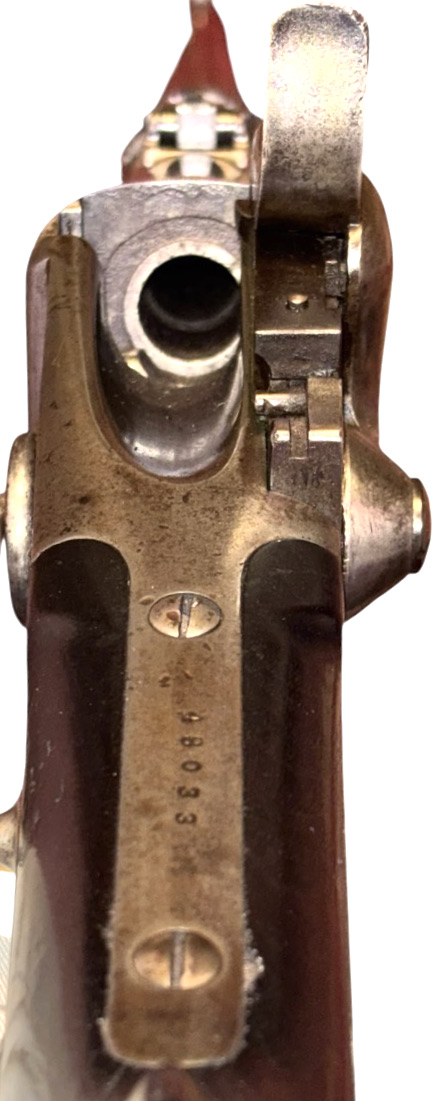
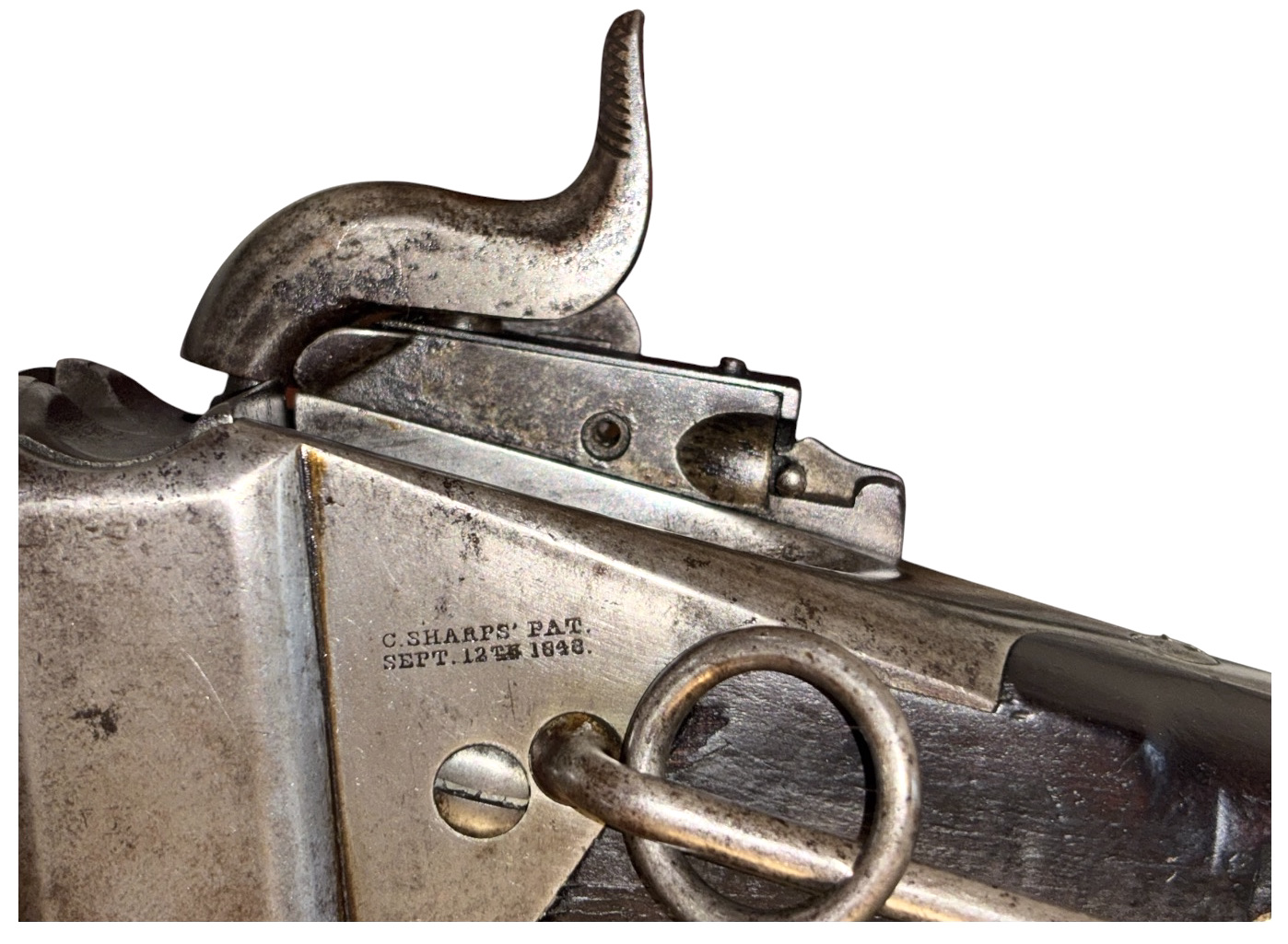
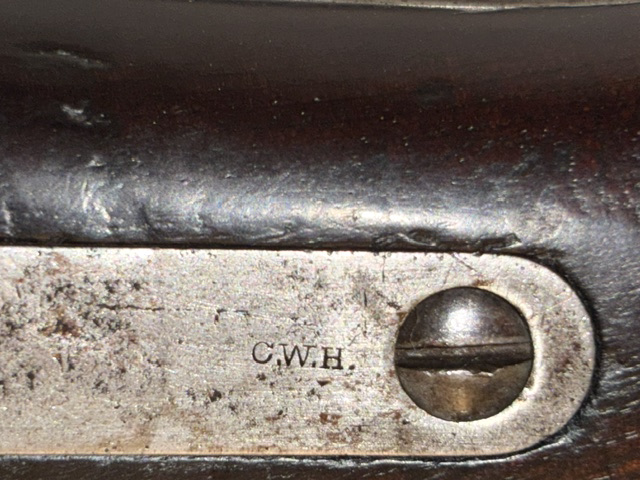
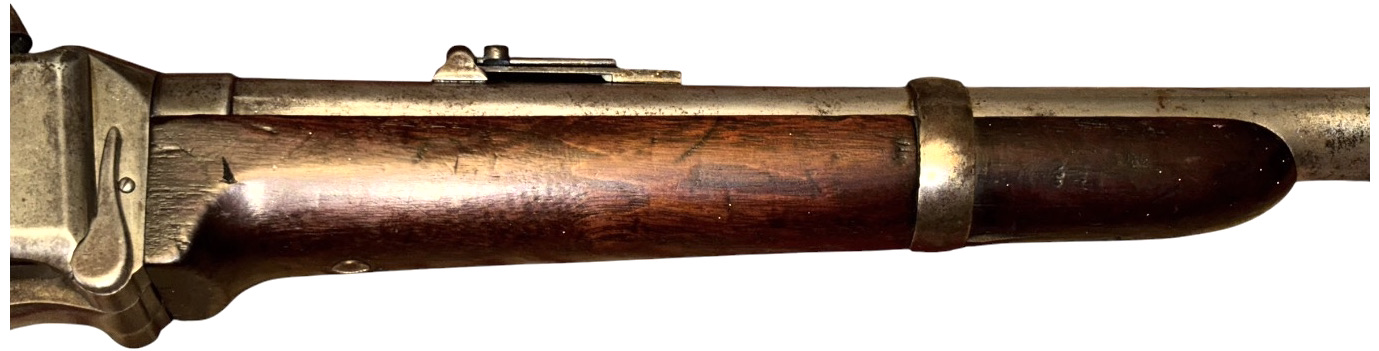
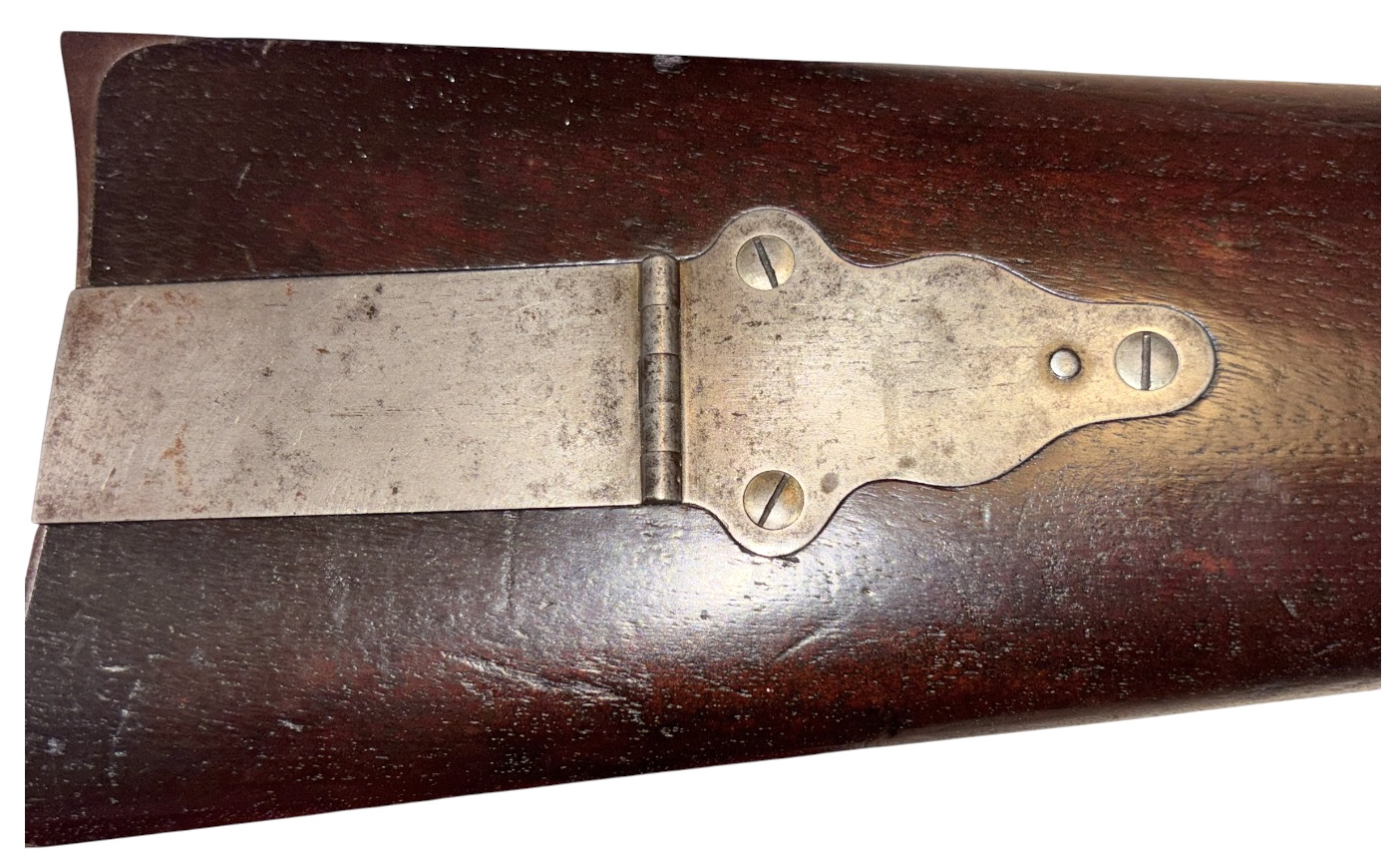
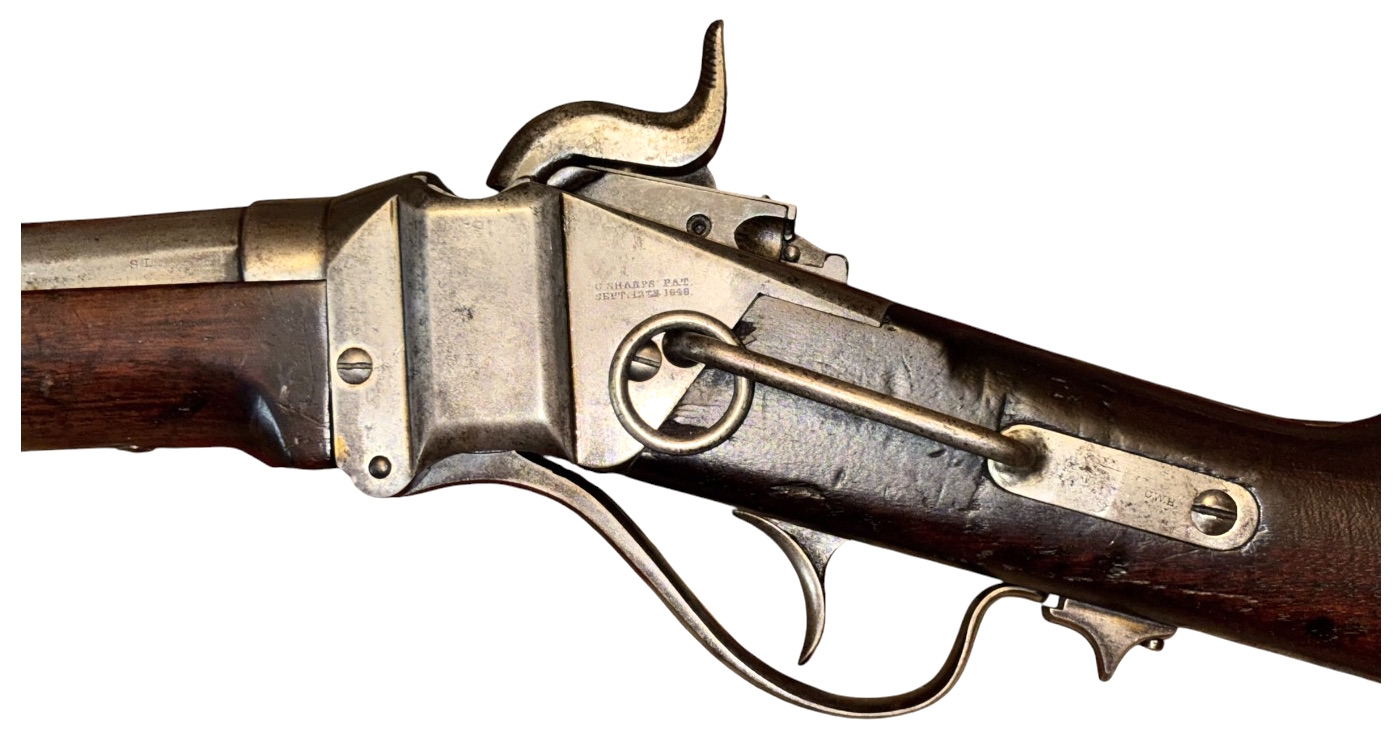
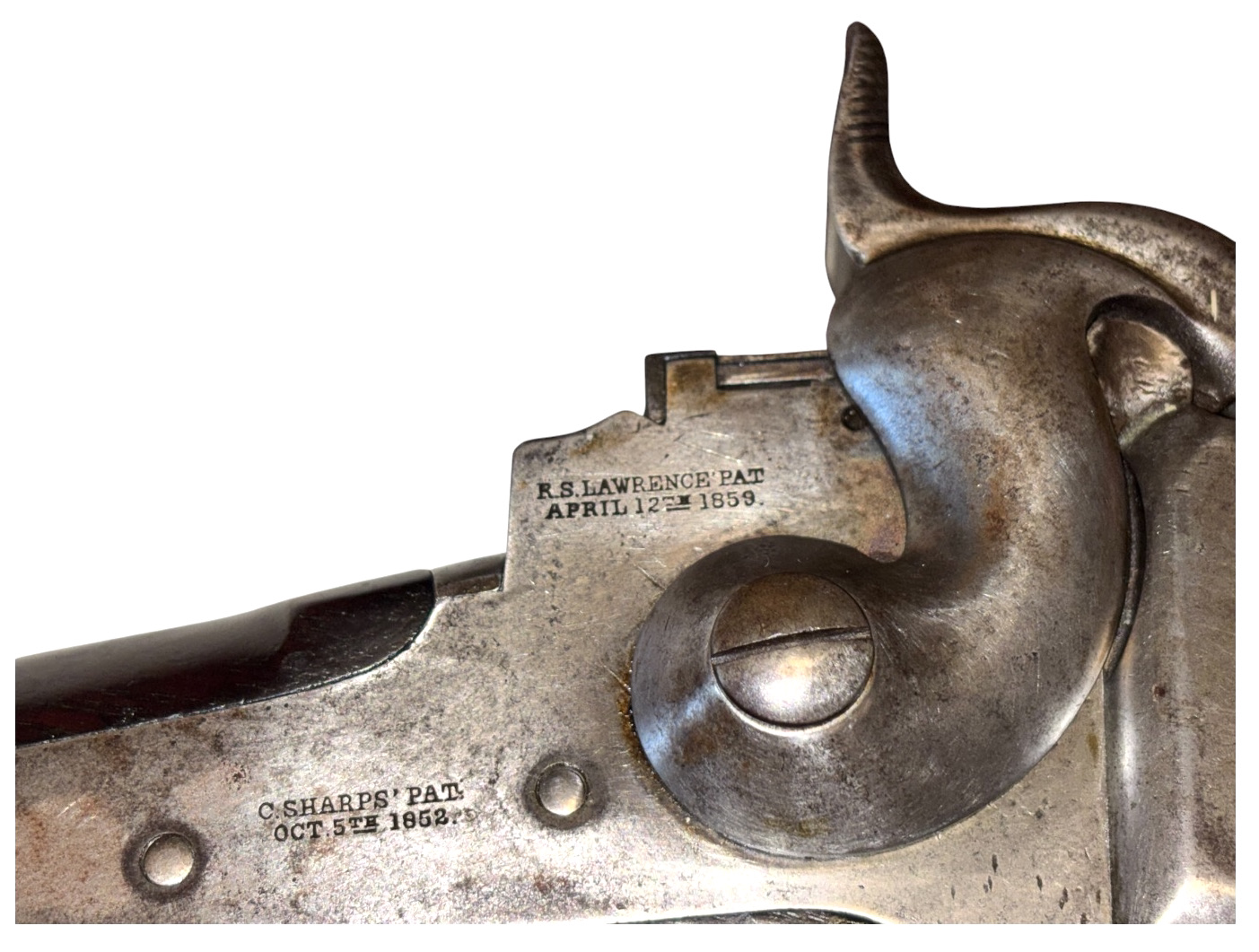
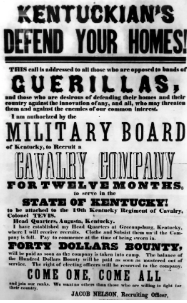
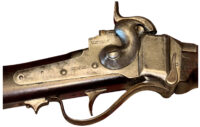
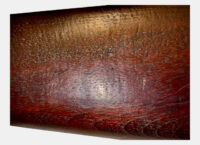
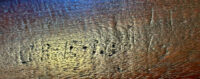
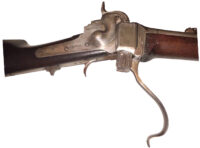
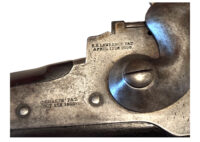
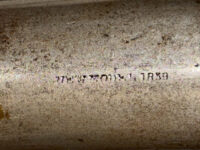
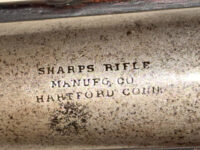
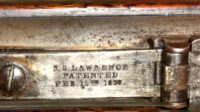
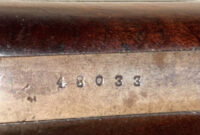
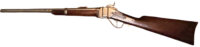
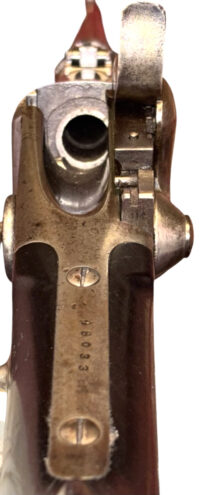
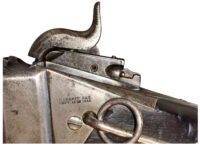
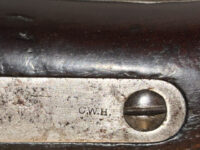
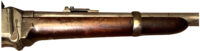
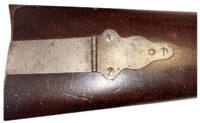
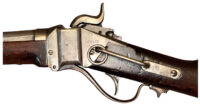
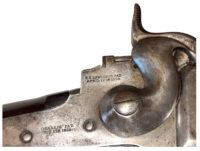
Id’d Sharps M1859 New Model Carbine – 1st Sergeant John R. Morris Co. E 10th Kentucky Cavalry – This Sharps, saddle ring carbine remains in excellent condition. The Sharps Rifle Manufacturing Co. of Hartford produced approximately 115,000 firearms between 1859 and 1866. All models produced were .52 caliber, straight breech, percussion breechloaders with a lock plate integral pellet priming system. The markings on this carbine include the model type – “NEW MODEL 1859” on the top of the barrel near the breech; also stamped on the barrel is – “SHARPS RIFLE / MANUFG. CO. / HARTFORD, CONN.”; on the left side of the receiver is stamped – “C. SHARPS PAT. SEPT. 12th 1848”; on the lock (near the center) “C. SHARPS PAT/ OCT. 5th 1852”; on the upper front section “R.S. LAWRENCE PAT. / APRIL 12th 1859”. On the rear sight appears “R.S. LAWRENCE / PATENTED / FEB. 15th 1859”. The serial number of this carbine appears on the back strap of the receiver – “48033”. The stock is oiled walnut and remains in overall excellent condition; a Federal inspector stamp appears on the right “foot” of the carbine sling bar – “C.W.H.” (During the American Civil War era, the inspection initials C.W.H. stood for Charles W. Hartwell, a civilian arsenal sub-inspector who evaluated military longarms and contract weapons for the U.S. Ordnance Department.) The carbine sling bar and ring remain in place; all furniture is iron which retains a pleasing plum gray patina, with no significant pitting or surface rust. The patch box is in excellent condition, with traces of casehardening remaining on the interior. The firing action is in excellent condition, and the bore is clean and retains a considerable amount of rifling. The name and regiment are very lightly scratched on the left or cheek side of the butt stock – this can be discerned, but is very difficult to photograph – it reads: “ J.R. MORRIS / CO E 10 KY”. Morris’s record is enumerated below.
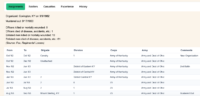
John R. Morris
Residence was not listed.
Enlisted on 8/11/1862 at Covington, KY as a 1st Sergt.
On 9/9/1862, he mustered into “E” Co. Kentucky 10th Cavalry.
He was Mustered Out on 9/17/1863 at Maysville, KY
John R. Morris
Enlistment Date
11 Aug 1862
Enlistment Place
Covington, Kentucky
Enlistment Rank
1st Sergt
Muster Date
9 Sep 1862
Muster Place
Kentucky
Muster Company
E
Muster Regiment
10th Cavalry
Muster Regiment Type
Cavalry
Muster Information
Enlisted
Muster Out Date
17 Sep 1863
Muster Out Place
Maysville, Kentucky
Muster Out Information
Mustered Out
Side of War
Union
Survived War?
Yes
10TH KENTUCKY CAVALRY
(3-YEARS)
Tenth Cavalry. — Cols., Joshua Tevis, Charles J. Walker;
Lieut.Col. Ralph R. Maltby; Majs., James L. Foley, William A.
Doniphan, John Mason Brown, James M. Taylor.
This regiment was raised by Col. Tevis and organized at
Maysville during the summer of 1862. In July, August and
September it was at Covington, and did not encounter the enemy
until the battle of Perryville.
It remained in Kentucky during the principal part of its
service, though in the work of driving the enemy from the
state it once entered Tennessee and was once in Virginia. On
Dec. 25, 1862, one battalion under Maj. Brown went on an
expedition through London and Barboursville to Big Creek gap,
and engaged numerous skirmishes. Another battalion proceeded
on to Perkins’ Mill, Tenn., where it encountered the enemy and
had a sharp fight with complete success, capturing 51
prisoners, 80 horses and 200 muskets.
In March, 1863, Col. Cluke’s command crossed Cumberland River
at Stigall’s ferry below Somerset and made its way to
Richmond, Winchester, Mt. Sterling and other points. The 10th
cavalry engaged in opposing Cluke, advanced from Crab Orchard
and skirmished at Lancaster. Then, pursuing on, it
encountered Cluke’s men at a great many points, among them a
fight about half way from Winchester to Mt. Sterling, where
Maj. Brown checked a fierce attack, and the 44th Ohio coming
up the enemy fled.
Cluke was charged and driven out of Winchester, then by
feigning to go to Paris he directed the Federal forces in that
direction, and returned to Mt. Sterling where he fell upon a
portion of the 10th under Capt. Ratcliffe, who defended
himself from houses. Cluke resorted to the torch and after
burning the place captured Ratcliffe and paroled him and his
men. Finally the regiment cooperating with a force under Col.
Sanders, of the 5th KY cavalry succeeded in driving Cluke to
Virginia.
It was a portion of the 10th Kentucky Cavalry under Maj. Brown, which captured
Gen. Humphrey Marshall’s “artillery”. The regiment was
mustered out Sept. 17 1863, at Maysville Ky.
10th Kentucky Cavalry Regiment (Union)Service Type: Union Army Organization: Organized at Covington, Lexington, and Crab Orchard, Kentucky, between September 8 and November 11, 1862, under the command of Colonel Joshua Tevis. Key Actions: Scouted and guarded central and eastern Kentucky, pursued Confederate General Humphrey Marshall’s forces, and ran an expedition into southwest Virginia.
10th Kentucky Cavalry Regiment
Active September 8, 1862 – September 17, 1863
Allegiance Union
Branch Cavalry
Engagements Defense of Cincinnati
The 10th Kentucky Cavalry Regiment was a cavalry regiment that served in the Union Army during the Civil War.
Service
The 10th Kentucky Cavalry Regiment was organized at Covington, Lexington, and Crab Orchard, Kentucky, from September 8 through November 11, 1862. It mustered in for one year under the command of Colonel Joshua Tevis.
Attached to Dates
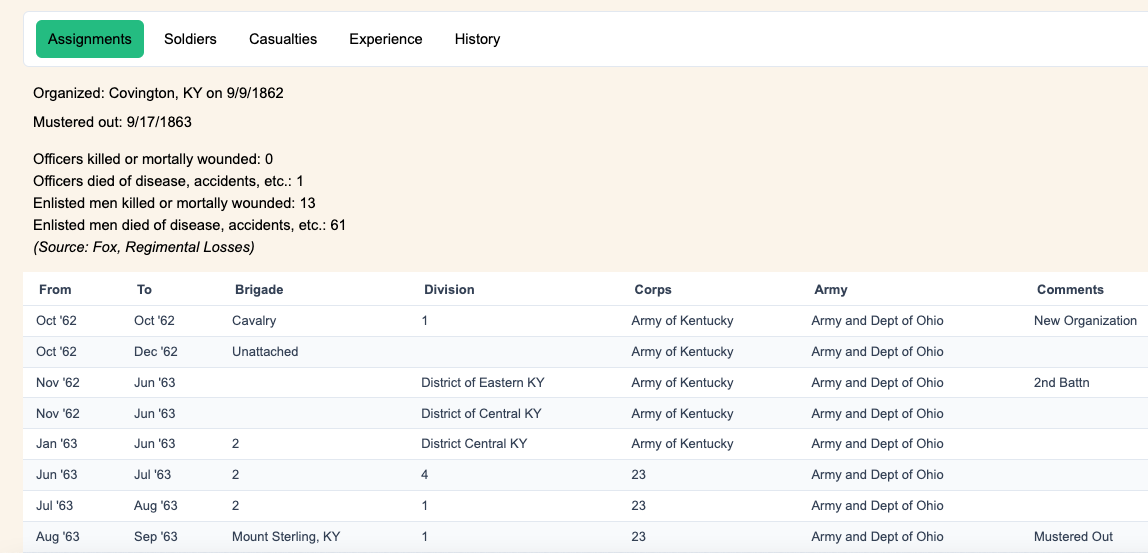
Cavalry, 1st Division, Army of Kentucky, Department of the Ohio to November 1862
Unattached, Army of Kentucky November 1862
District of Central Kentucky, Department of the Ohio to April 1863
2nd Brigade, District Central Kentucky, Department of the Ohio to June 1863
2nd Brigade, 4th Division, XXIII Corps, Department of the Ohio to July 1863
2nd Brigade, 1st Division, XXIII Corps to August 1863
Mt. Sterling, Kentucky, 1st Division, XXIII Corps to September 1863
2nd Battalion Only
District of Eastern Kentucky to June 1863
1st Brigade, 4th Division, XXIII Corps to August 1863
The 10th Kentucky Cavalry mustered out of service on September 17, 1863.
Detailed service
Dates Actions or events
1862
until September Duty about Mt. Sterling, Kentucky, and in the District of Central Kentucky, scouting and operating against guerrillas and protecting that part of the state
September 8 Skirmish near Florence, Kentucky
December 24 to January 1, 1863 Expedition to eastern Tennessee
December 28 Parker’s Mills, on Elk Fork
1863
February 18-March 5 Operations against Cluke’s forces
February 22 Coomb’s Ferry
February 24 Slate Creek, near Mt. Sterling, and Stoner’s Bridge
March 2 Slate Creek, near Mt. Sterling
March 22-April 1 Operations against Pegram
March 22 Mt. Sterling
June 13–23 Operations against Everett’s Raid in eastern Kentucky
June 16 Triplett’s Bridge, Flemming County
July 25-August 6 Operations against Scott’s forces
July 28 Richmond
July 31-August 1 Lancaster and Paint Creek Bridge
August 1 Smith’s Shoals, Cumberland River
until September Duty at Mt. Sterling (2nd Battalion served detached in District of Eastern Kentucky)
July 3–11 Expedition from Beaver Creek into Southwest Virginia
July 7 Gladesville, Virginia
Casualties
The regiment lost a total of 75 men during service; 13 enlisted men killed or mortally wounded, 1 officer and 61 enlisted men died of disease.
Commanders
Colonel Joshua Tevis
Colonel Charles J. Walker
Notable members
Private William Louis Marshall, Company A – brigadier general & Chief of Engineers (1908–1910)
10th Regiment, Kentucky Cavalry
Overview:
Organized at Covington, Lexington and Crab Orchard, Ky., for one year’s service, September 8 to November 11, 1862. Attached to Cavalry, 1st Division, Army of Kentucky, Dept. of the Ohio, to November, 1862. Unattached, Army of Kentucky, November, 1862. District of Central Kentucky, Dept. Ohio, to April, 1863. 2nd Brigade, District Central Kentucky, Dept. Ohio, to June, 1863. 2nd Brigade, 4th Division, 23rd Army Corps, Dept. of Ohio, to July, 1863. 2nd Brigade, 1st Division, 23rd Army Corps, to August, 1863. Mt. Sterling, Ky., 1st Division, 23rd Army Corps, to September, 1863. (2nd Battalion attached to District of Eastern Kentucky to June, 1863. 1st Brigade, 4th Division, 23rd Army Corps, to August, 1863.)
SERVICE-Duty about Mt. Sterling, Ky., and in the District of Central Kentucky, scouting and operating against guerrillas and protecting that part of the State, till September, 1863. Skirmish near Florence, Ky., September 8, 1862. Expedition to East Tennessee December 24, 1862, to January 1, 1863. Parker’s Mills, on Elk Fork, December 28, 1862. Operations against Cluke’s forces February 18-March 5, 1863. Coomb’s Ferry February 22. Slate Creek, near Mt. Sterling, and Stoner’s Bridge, February 24. Slate Creek, near Mt. Sterling, March 2. Operations against Pegram March 22-April 1. Mt. Sterling March 22. Operations against Everett’s Raid in Eastern Kentucky June 13-23. Triplett’s Bridge, Flemming County, June 16. Operations against Scott’s forces July 25-August 6. Richmond July 28. Lancaster and Paint Creek Bridge July 31-August 1. Smith’s Shoals, Cumberland River, August 1. Duty at Mt. Sterling till September. (2nd Battalion served detached in District Eastern Kentucky. Expedition from Beaver Creek into Southwest Virginia July 3-11, 1863. Gladesville, Va., July 7.) Regiment mustered out September 17, 1863.
Regiment lost during service 13 Enlisted men killed and mortally wounded and 1 Officer and 61 Enlisted men by disease. Total 75.
Related Items
-
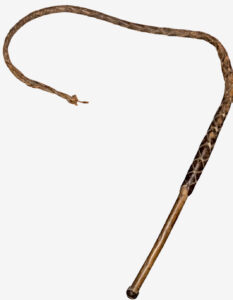
Civil War Artillery Driver’s Whip
$350Civil War Artillery Driver’s WhipDecember 27, 2024 -
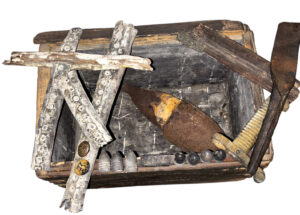
Civil War Washington Naval Laboratory Box for .69 Cal. Cartridges Accompanied by Navy Cutlass Scabbard Sections, Seven .69 Cal. Rifle Bullets, Two USN Coat Buttons, a USN Boarding Pike Leather Cover, Brass Saber Bayonet Hilt and 12 lb. Schenkl Shell – All Discovered in the Potomac River in the 1960s
$1,100Civil War Washington Naval Laboratory Box for .69 Cal. Cartridges Accompanied by Navy Cutlass Scabbard Sections, Seven .69 Cal. Rifle Bullets, Two USN Coat Buttons, a USN Boarding Pike Leather Cover, Brass Saber Bayonet Hilt and 12 lb. Schenkl Shell – All Discovered in the Potomac River in the 1960sOctober 28, 2025 -
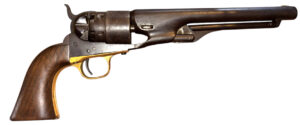
M1860 Colt Army Revolver Found When Renovating the Room in the Antebellum House Called West View / Old Denton in Fauquier Co. Va. Where Mosby Stayed When He Escaped out a Window to Sit on a Tree Branch When Union Cavalry Came to the House
M1860 Colt Army Revolver Found When Renovating the Room in the Antebellum House Called West View / Old Denton in Fauquier Co. Va. Where Mosby Stayed When He Escaped out a Window to Sit on a Tree Branch When Union Cavalry Came to the HouseOctober 2, 2025 -
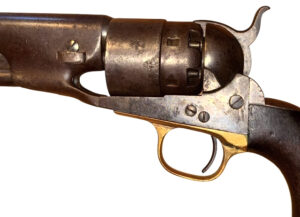
Civil War Period Colt Model 1860 Army Revolver
$2,650Civil War Period Colt Model 1860 Army RevolverFebruary 19, 2026