
Hardee Pattern Battle Flag of the 9th Kentucky (formerly 5th KY) Volunteer Infantry and Martially Marked M1851 Colt Navy Revolver – Col. John W. CaldwellNovember 17, 2026
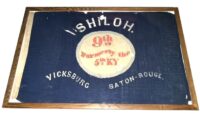
PLEASE CONTACT US FOR PRICIING
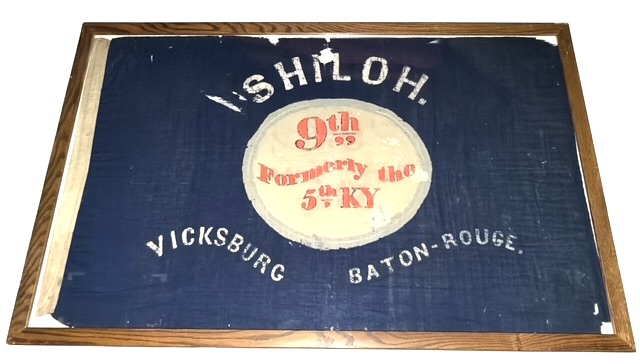
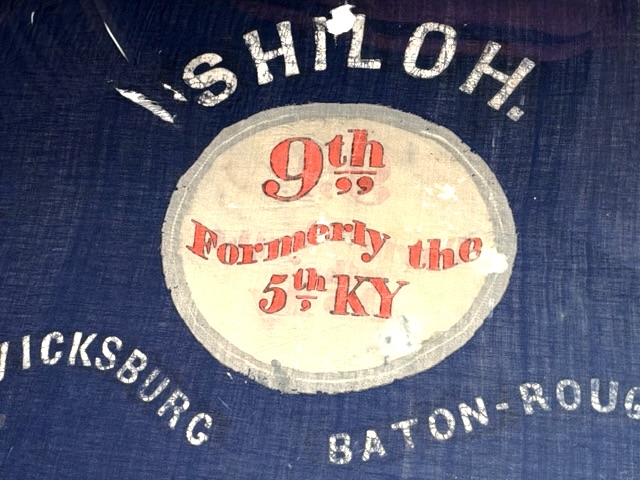
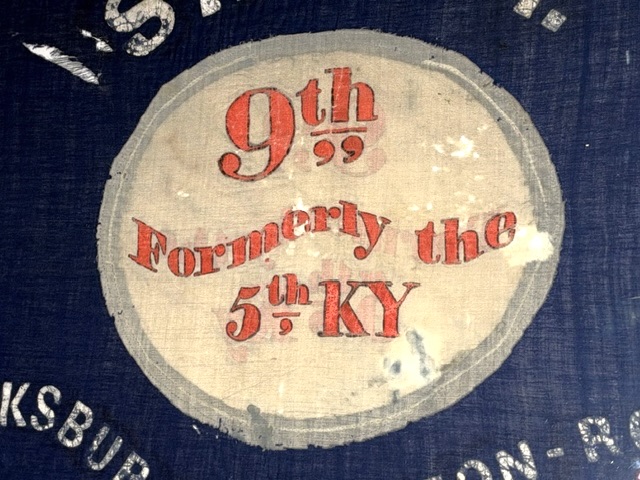
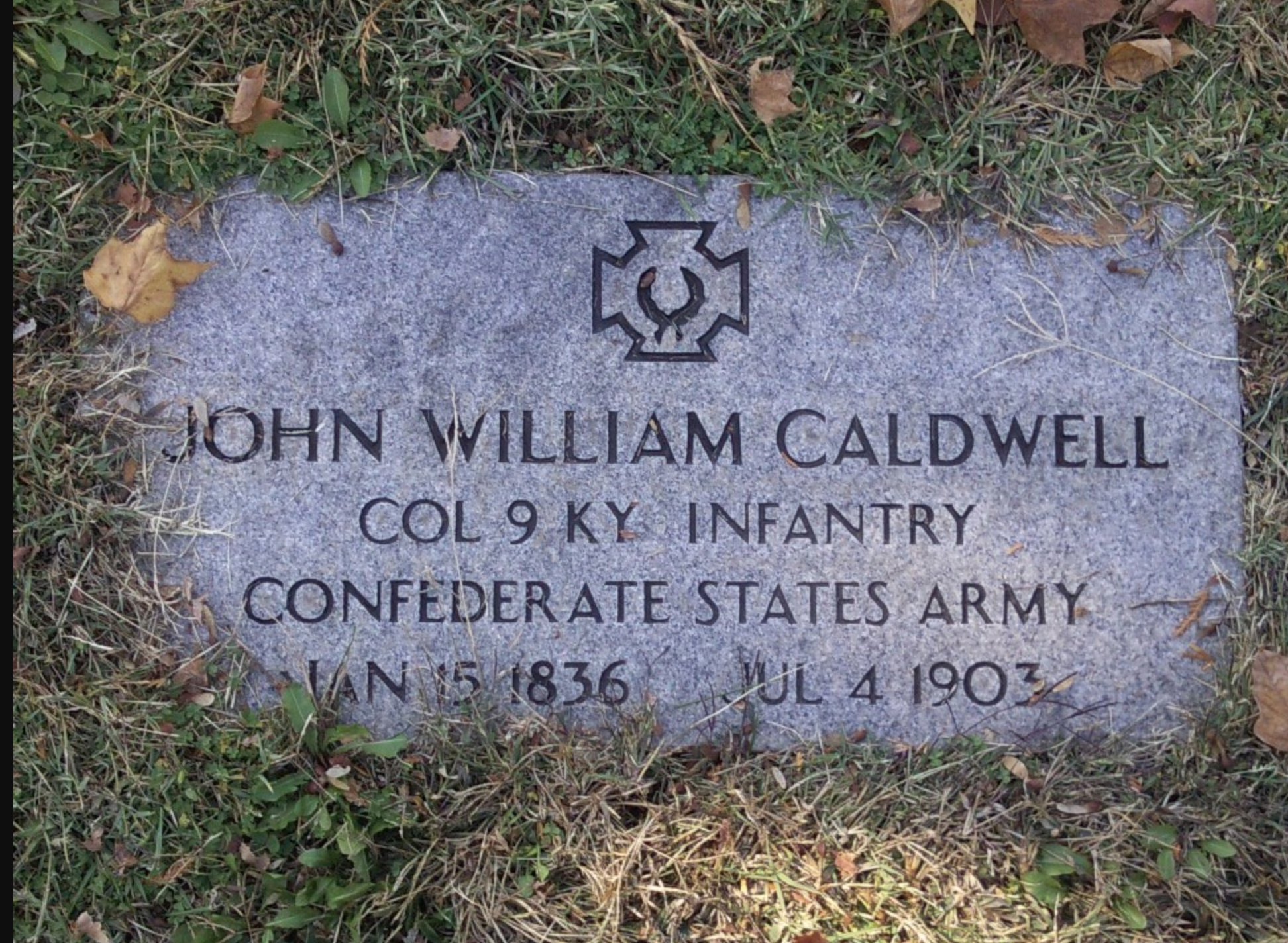
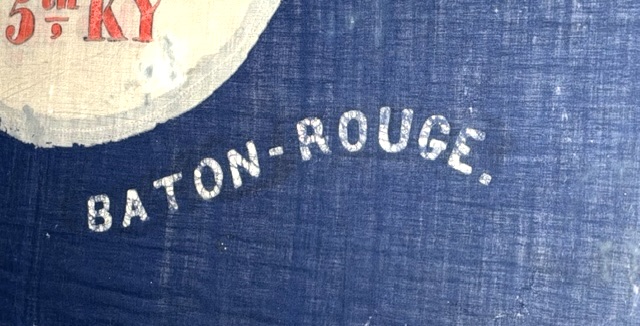
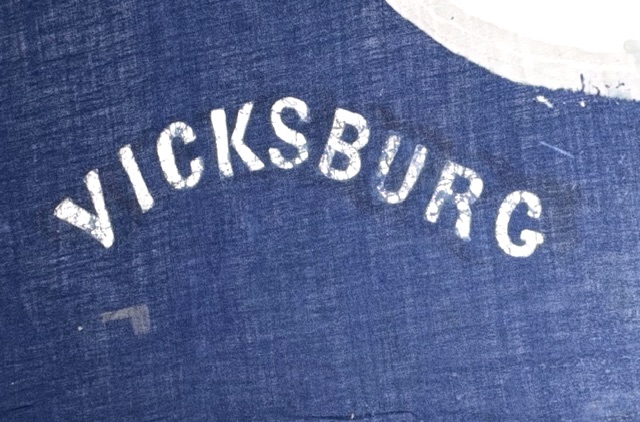
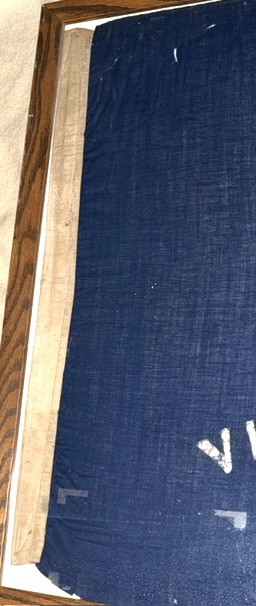
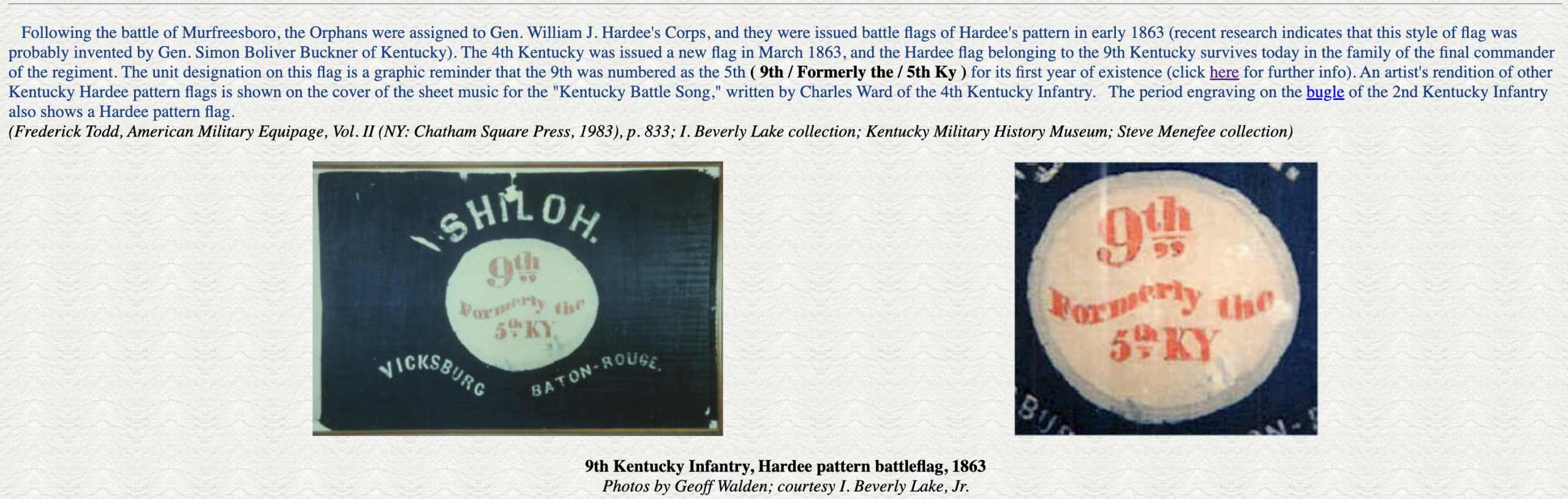
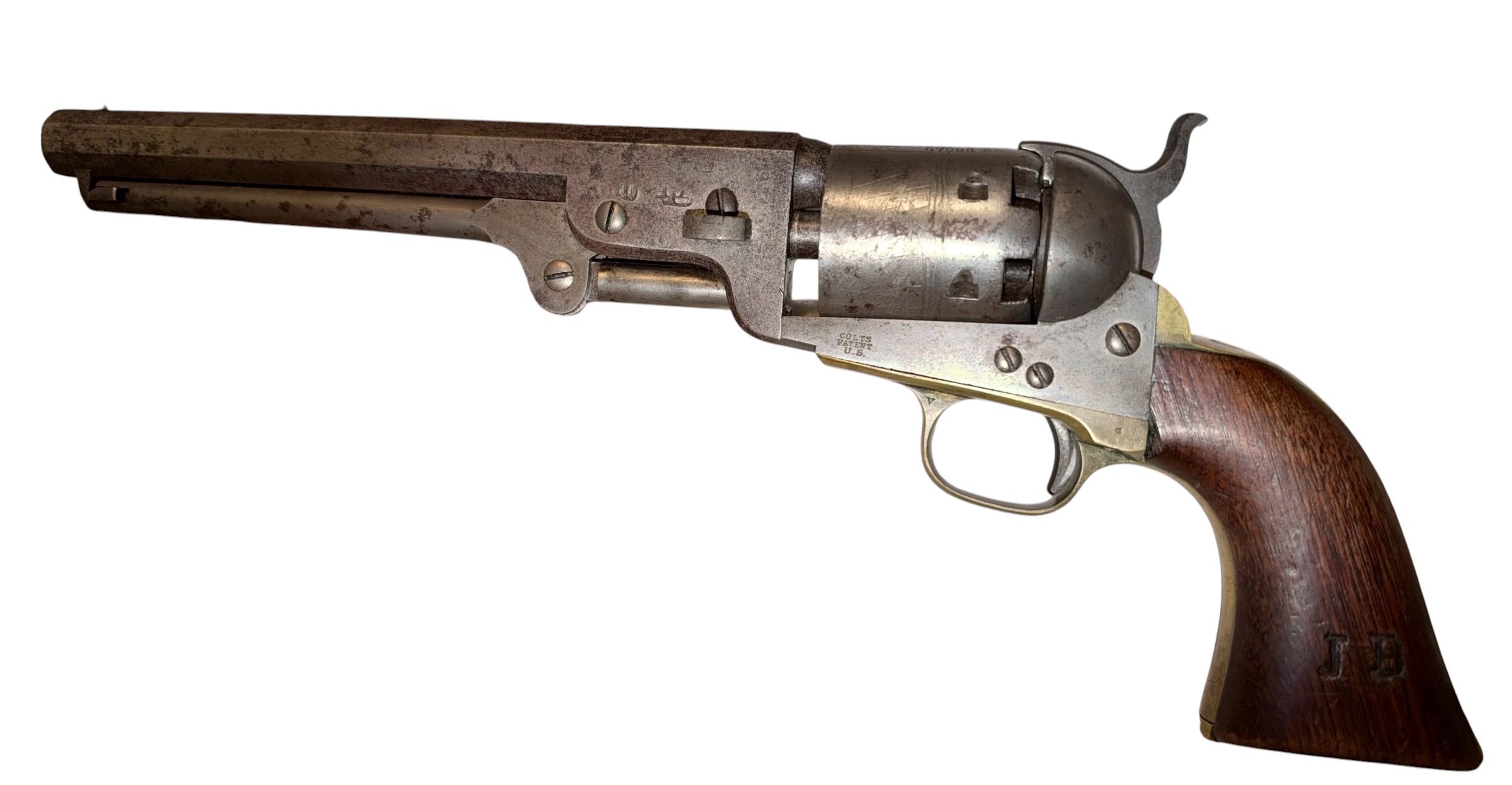
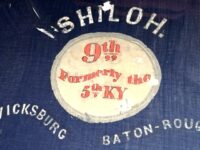
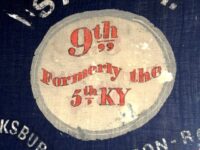
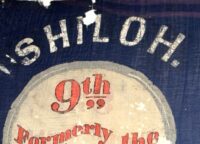
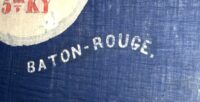
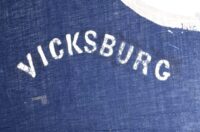
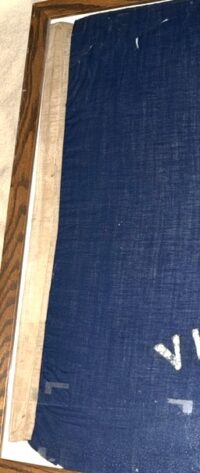
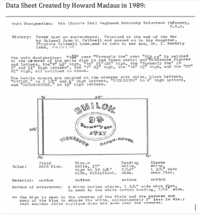
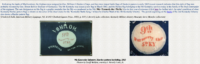
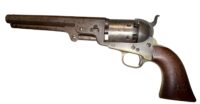
Hardee Pattern Battle Flag of the 9th Kentucky (formerly 5th KY) Volunteer Infantry and Martially Marked M1851 Colt Navy Revolver – Col. John W. Caldwell – The flag and revolver, both of which we obtained directly from a descendant of Col Caldwell, have resided in the family since the death of Col. Caldwell in 1903. The flag, an extremely rare Hardee pattern Confederate flag, is constructed of hand sewn cotton, with a blue field and white circular disc in the center; there is a heavy, folded cotton canvas hoist. On the blue field is this painted regimental designation:
“9th
Formerly the
5th KY”
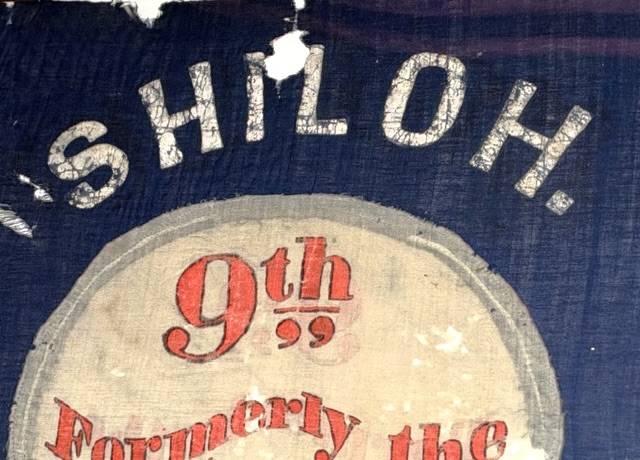
Also painted on the blue field are battle honors; above the center disc is:
“SHILOH”
Below the disc is painted:
“VICKSBURG BATON-ROUGE”
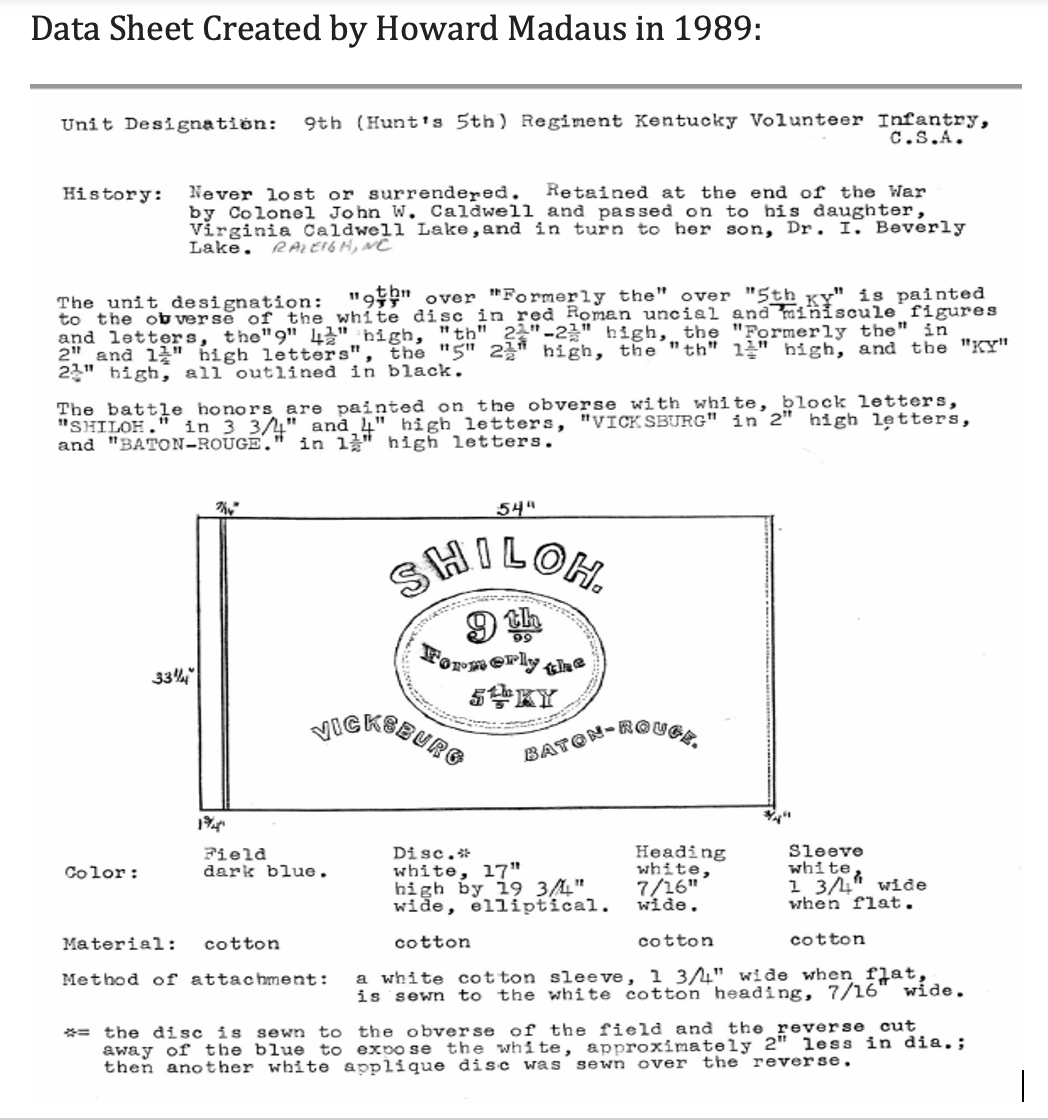
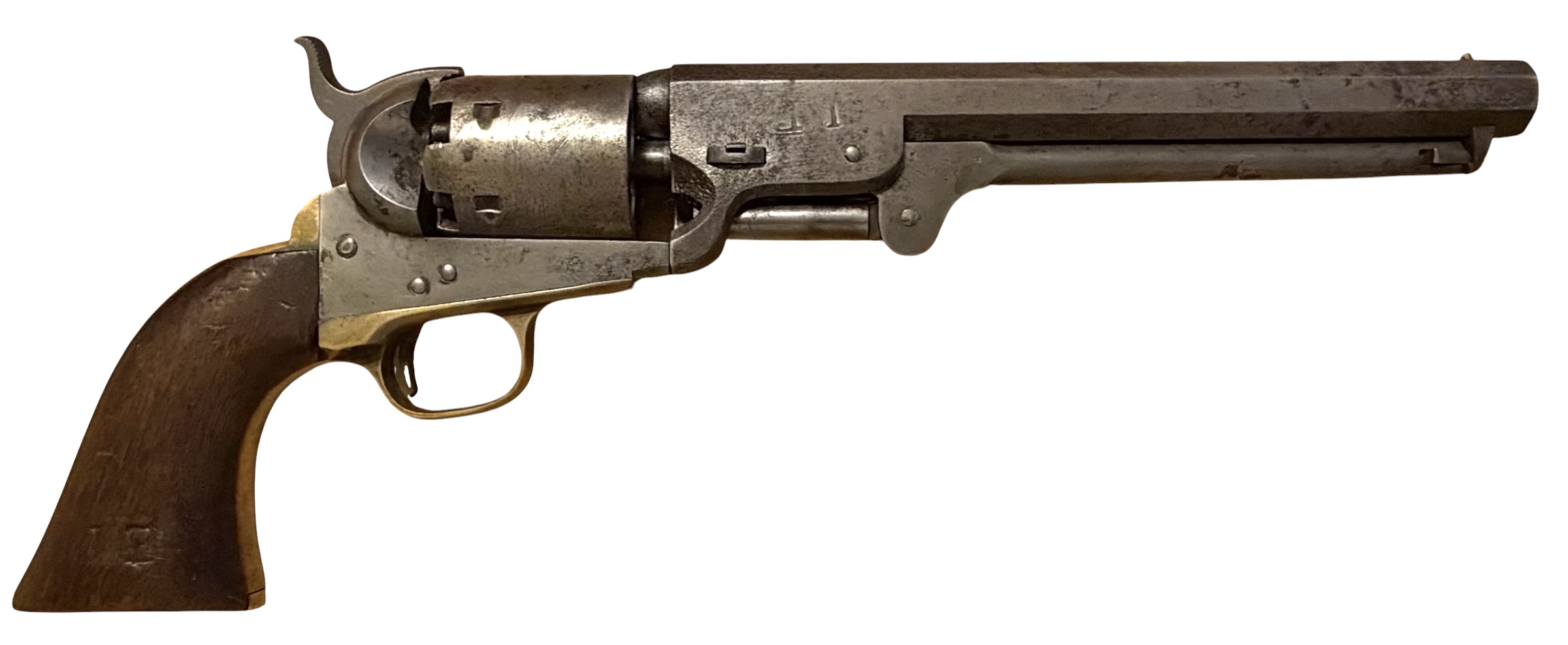
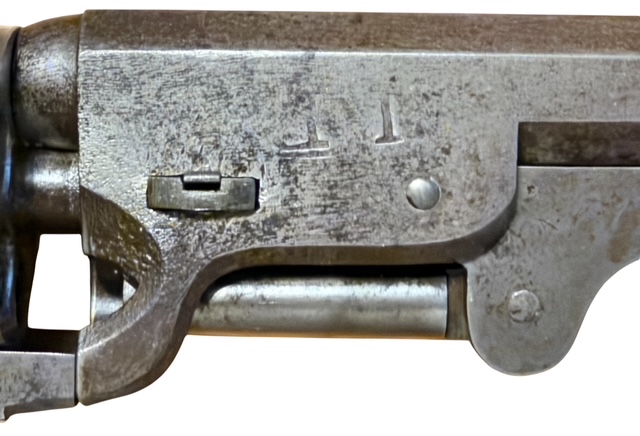
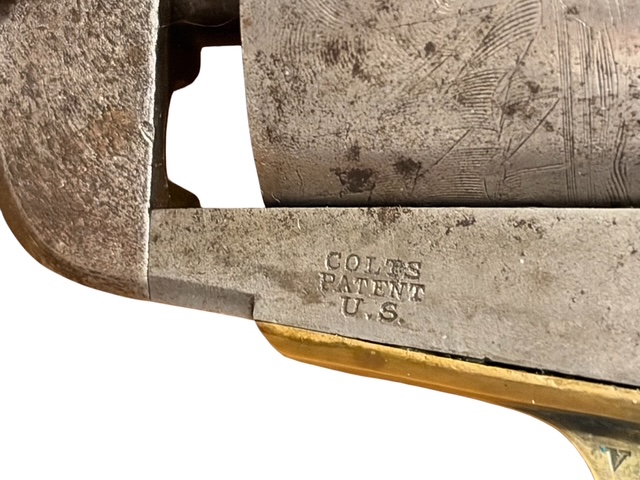
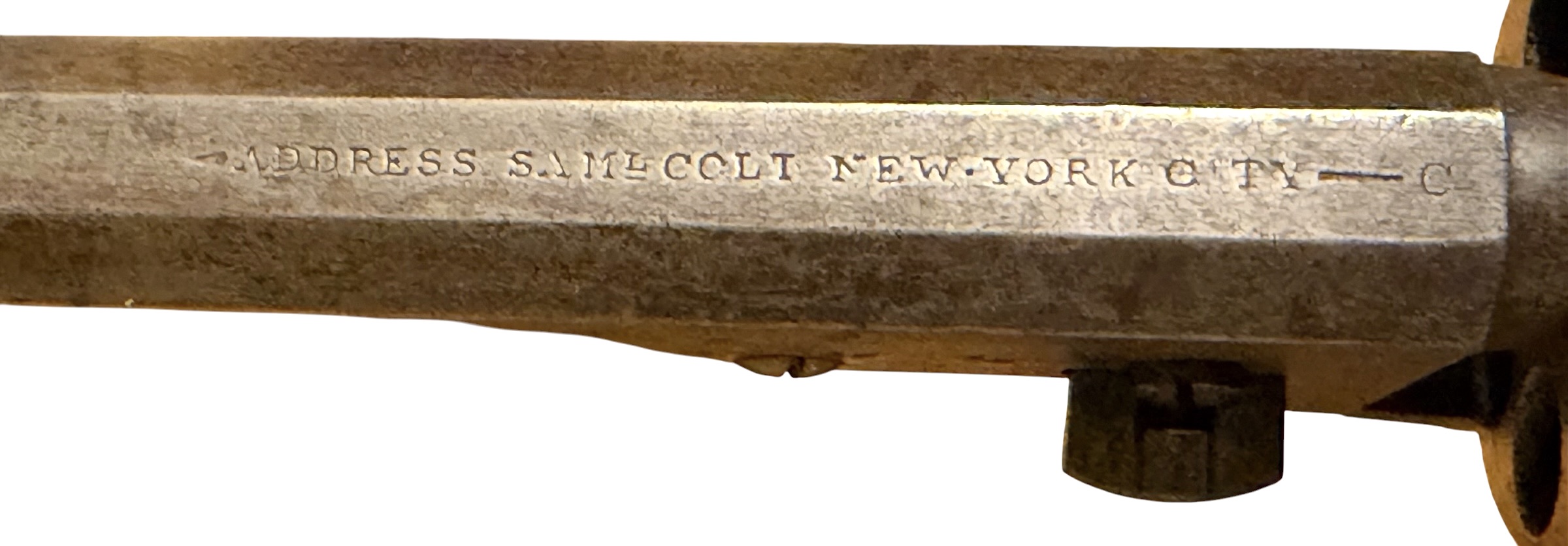
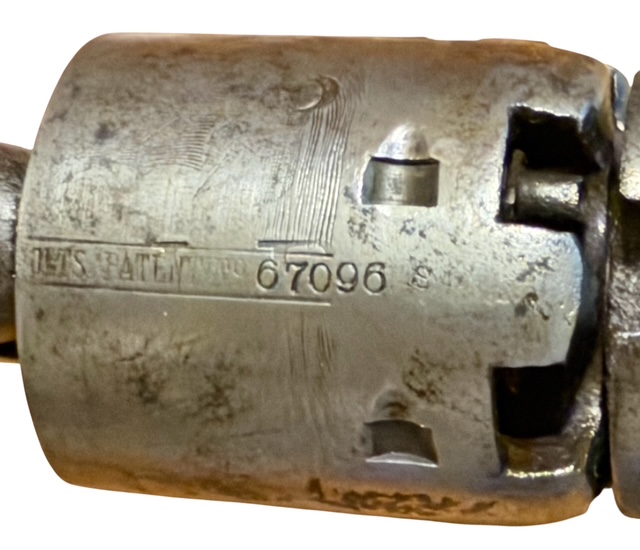
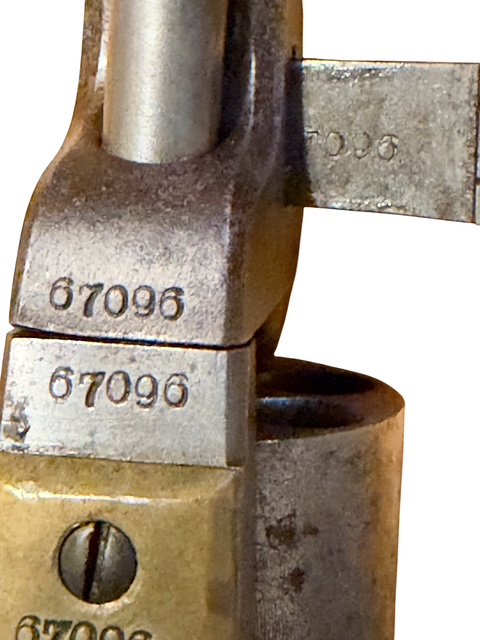
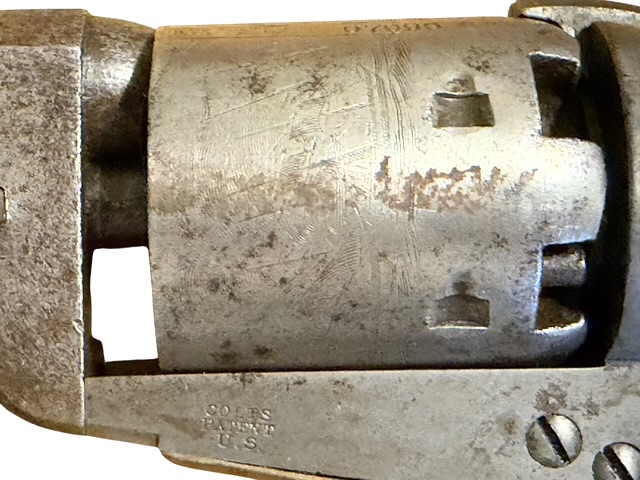
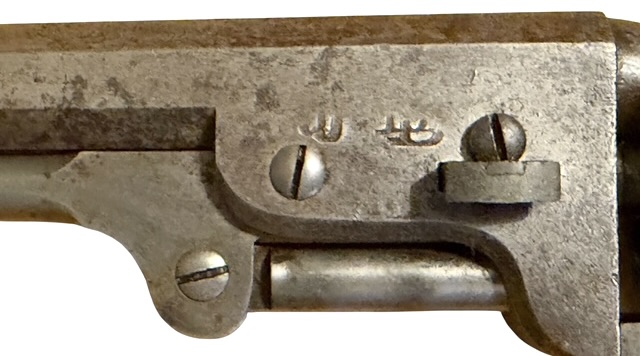
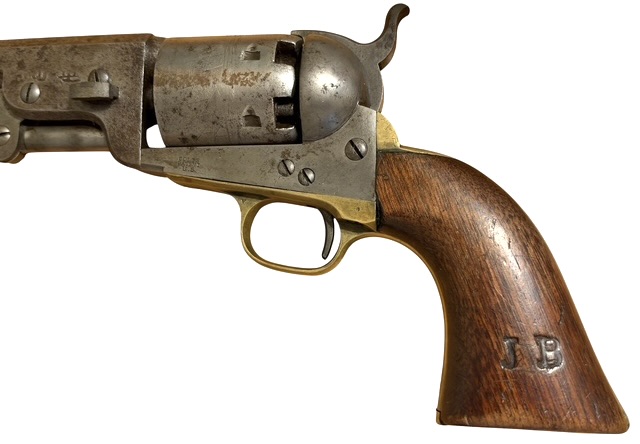
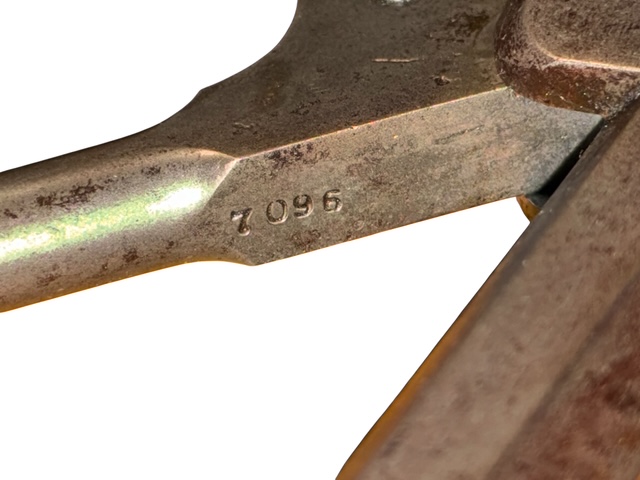
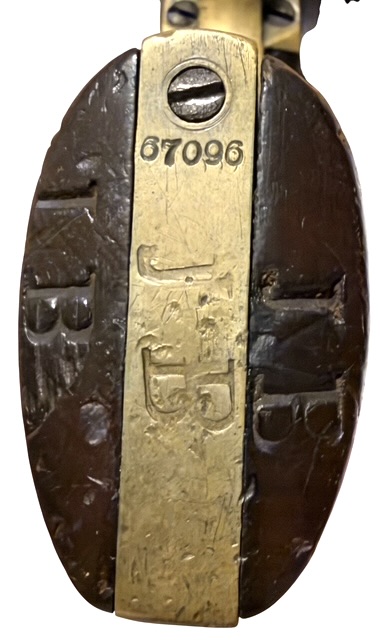
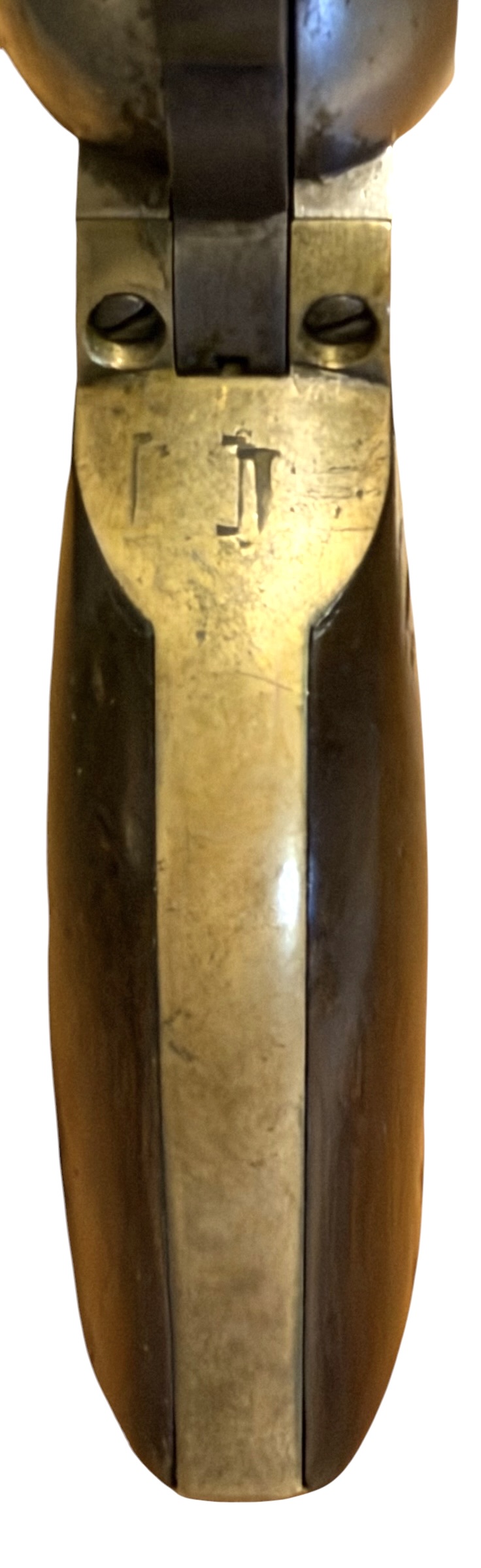
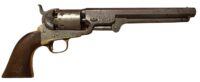
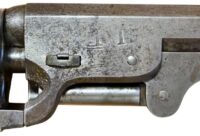
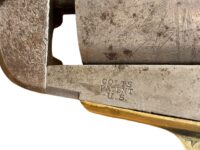
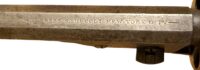
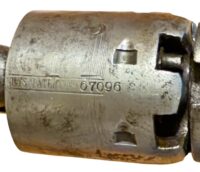
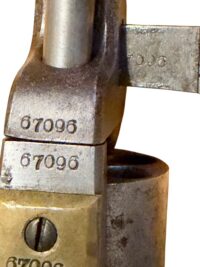
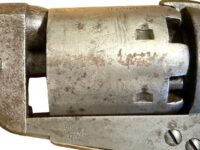
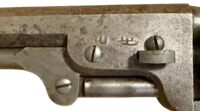
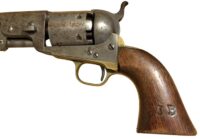
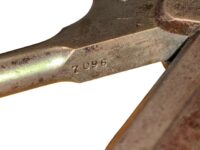
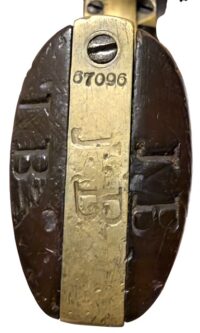
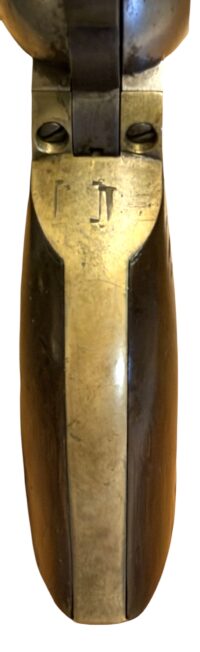
Renown flag expert, the late Howard Madaus, had examined the flag in 1989 and compiled an analytical sheet that is included in this posting. According to family lore, the flag was never surrendered; at the end of the war, it was taken home by Col. Caldwell, the 9th Kentucky’s last commander. Caldwell also took his New York address, M1851 Colt Navy home, as well; the revolver has all matching numbers, including the wedge – (67096 – manufactured in 1857 under U.S. Army contract); it is martially marked with the “US” above the Colt designation on the frame, as well as evidencing a US Government cartouche on the grip and inspector’s letters on some of the metallic elements; the pistol remains in overall good condition with some traces of case hardening and an overall “plum gray” finish; the cylinder indexes, and there remains some substantial cylinder scene. Carved in the grip and stamped in some of the metallic elements of the revolver are the initials “JB” – we believe that these are the initials of Col. Caldwell’s brother-in-law, Joseph Barclay. Barclay, at the onset of the war was in Chicago, performing with Col. Elmer Ellsworth’s drill team; Barclay immediately returned to his home in Russellville, Kentucky and became a Confederate Major. This rare flag has retained strong condition, exhibiting some relatively minor stress pulls and resultant holes; it has been archivally framed. The flag is the only known surviving Hardee pattern battle flag of any of the “Orphan Brigade” regiments. The flag has been discussed in Geoff Walden’s “Battle Flags of the Orphan Brigade” published in 1990.
***We will provide to the buyer of the flag grouping, a notarized letter of provenance from the direct descendant of Col. Caldwell confirming the authenticity, origin and chain of possession.
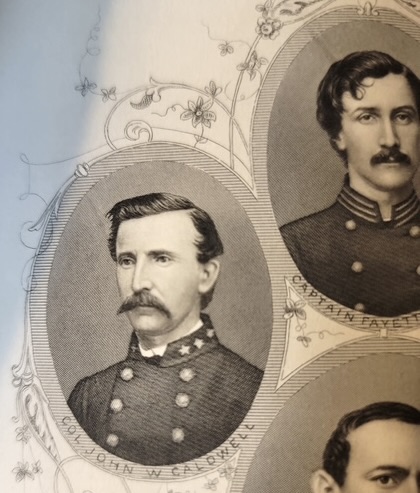
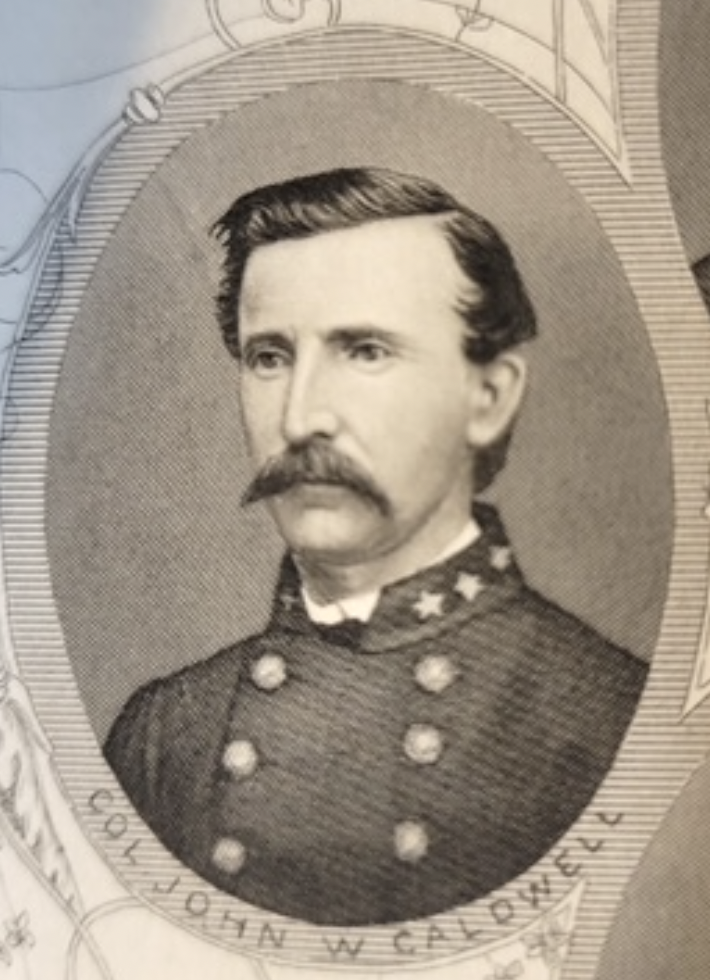
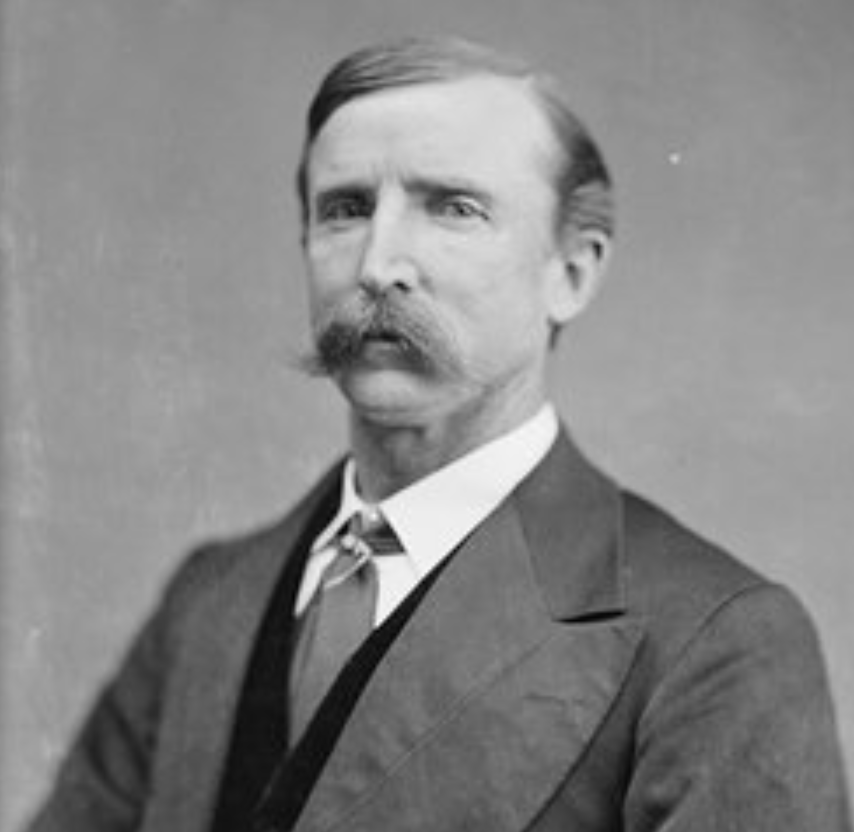
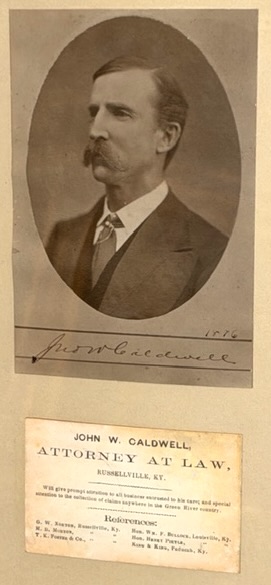
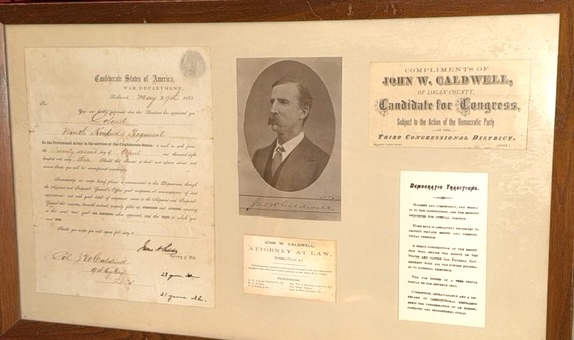
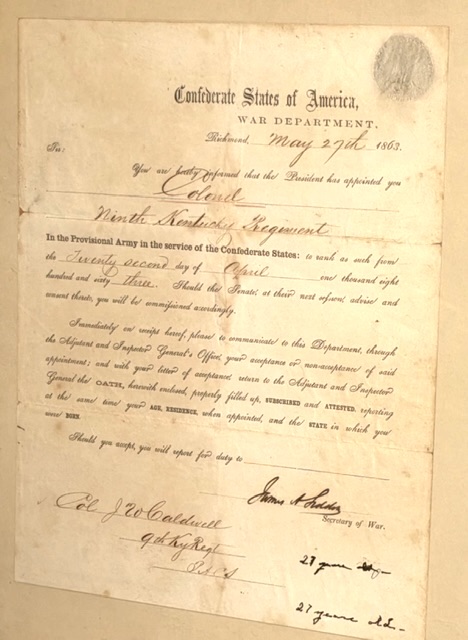
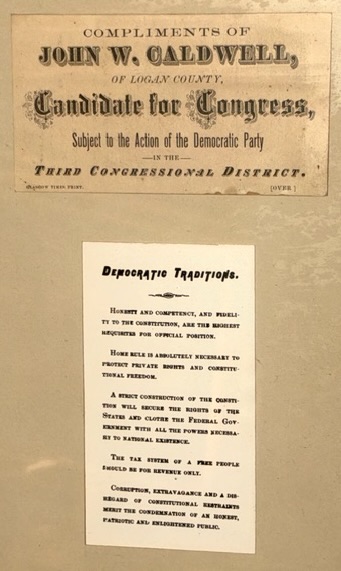
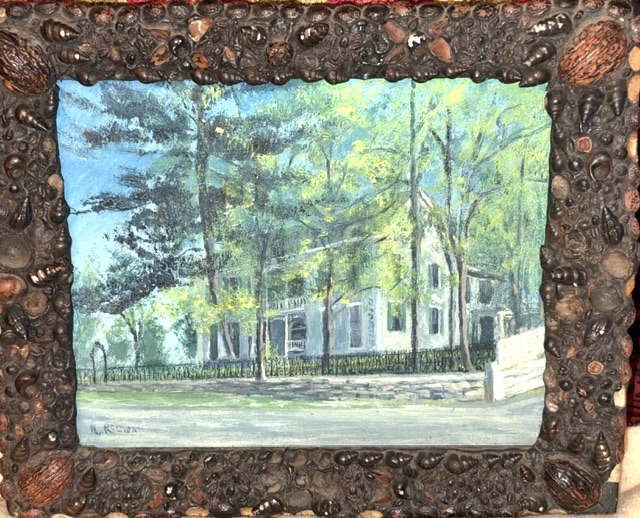
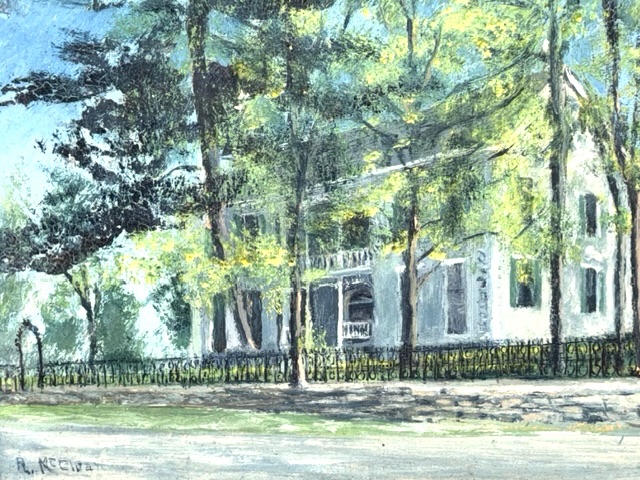
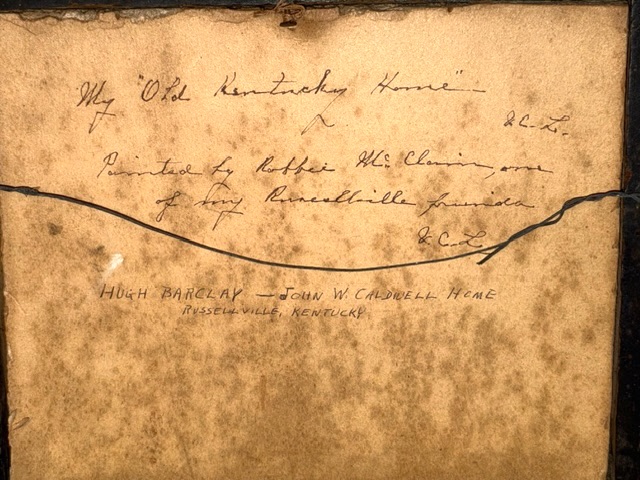
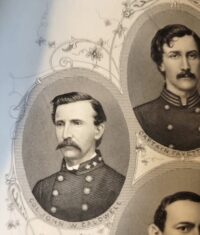
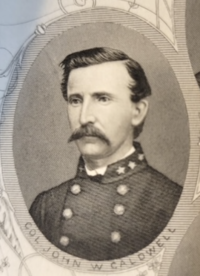
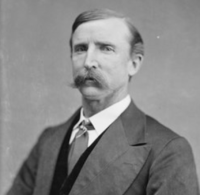
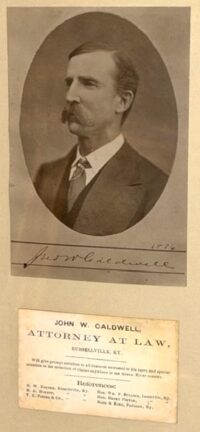
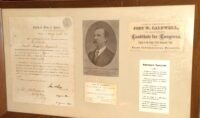
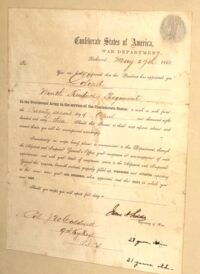
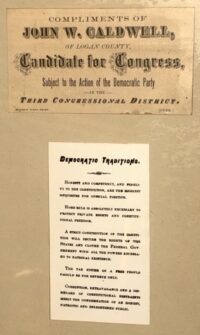
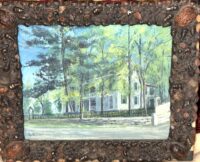
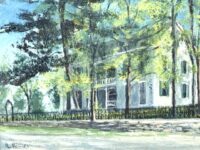
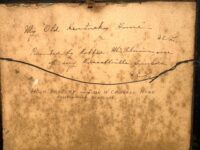
Accompanying the flag and pistol is a framed group of Caldwell related ephemera including his Confederate commission to his colonelcy, a postwar image, his postwar attorney business card and a card advocating his election to Congress; there is also a small oil painting of Caldwell’s Russellville, Kentucky home, housed in an interesting folk art frame.
Measurements: Flag – 33.25” (Hoist); 54” (Fly); 1.75” (Canvas hoist)
The Hardee Corps Flag (often called the Hardee pattern or “Silver Moon” flag) is a distinct American Civil War battle flag used by units in the First Corps, Army of Tennessee, which was commanded by Lieutenant General William J. Hardee.
Design and Appearance
- Field: A solid dark-blue background.
- Emblem: A central white disc, ellipse, or rounded rectangular shape (frequently referred to as the “full moon” or “silver moon”). Early 1862 variants often featured an elliptical or new-moon shape, while later 1863 models tended toward a rounder white disc.
- Border:
Many variations featured a thick white outer border, though configurations varied depending on the regiment and tailor.
Markings: Regiments frequently painted or embroidered their unit designations on the white disc and battle honors along the blue field or border.
History & Significance
- Origin: Adopted around 1861–1862 to help distinguish Western Theater Confederate regiments and reduce confusion on the battlefield compared to the common “Stars and Bars” flags.
- The 9th KY Inf. with most of the Army of Tennessee later transitioned to the standard Southern Cross battle flag,
The Confederate 5th Kentucky Infantry (commanded by Colonel Thomas H. Hunt) was redesignated as the 9th Kentucky Infantry in October 1862.
The change was made by the Confederate War Department because another regiment in Eastern Kentucky had also formed and claimed the designation of the 5th Kentucky Infantry and had completed its organization first. Despite the official redesignation to the 9th Kentucky, the unit continued to be widely referred to as the 5th Kentucky Infantry or 5th (Hunt’s) Kentucky Infantry throughout the war and afterward.
- Please explain why there were different units called the 5th Kentucky Infantry, and how the 9th Kentucky Infantry fits into this.
- There were really two “5th Kentucky Infantry” regiments in Confederate service … both ended up serving in the Orphan Brigade … and this led to quite a bit of confusion, then and now (actually, there were four 5th Kentucky Infantry regiments, but three of them were more-or-less the same unit). When the Brigade was organized in late 1861, it contained a regiment under the command of Col. Thomas Hunt, numbered the 5th. However, unknown to the Orphans, another regiment in Eastern Kentucky had also formed as the 5th Kentucky, and since this regiment had perfected its organization first, the Confederate War Department redesignated Hunt’s regiment as the 9th Kentucky in October 1862. To confuse the issue even further, the Eastern Kentucky 5th Kentucky Infantry (reorganized from the original unit) joined the Orphans in November 1863, and served with them through the remainder of the war.
Most postwar writings show Hunt’s regiment as the 9th Kentucky, to minimize confusion (Thompson’s Brigade histories are written this way, and the reports that appeared in the Official Records were also changed to reflect Hunt’s regiment as the 9th, even during the period when they were called the 5th). However, it is still possible today to find period manuscript sources that refer to Hunt’s regiment as the 5th Kentucky (some of these sources also refer to Col. John W. Caldwell, who succeeded Col. Hunt in April 1863, and who had often acted in command of the regiment previously).
Throughout this page, we will use the designation “9th Kentucky Infantry” for Col. Thomas Hunt’s regiment, and “5th Kentucky Infantry” refers to Col. Hiram Hawkins’ regiment, which joined the Orphan Brigade in November 1863.
(See: “Report of the Adjutant General of the State of Kentucky; Confederate Kentucky Volunteers” (hereafter cited as AGR), Vol. I, Frankfort, 1915, pp. 280-283, 410-411, 458-459.)
In 1865, the remnants of the Kentucky Orphan Brigade (1st Kentucky Brigade) carried a rectangular, Joe Johnston-style naval-jack-pattern Confederate battle flag (a St. Andrew’s cross of blue bars with white fimbriations and white stars on a red field) after being converted to mounted infantry following the 1864 Atlanta Campaign and Jonesboro.
thank you very much for this much Information about!
I want to let made a 4th Ky Infantry Hardee Flag for Reenactment Flag Guy as authentic as possible to the original. Therefore few Question about the Hardee Flag of 9th/5th Ky. Inf. which is in a private Collection.
1. What do you think about the Size of the Flag may be you know the correct dimensions?
2. The Battle Honours of the Flag shows “SHILOH.” “VICKSBURG” and “BATON ROUGE” because the 5th KY Inf. (after the 9th) wasn´t in Murfreesboro. So it is possible and only logical that on the Hardee Pattern from the 4th KY Inf. stand´s “SHILOH.” and “MURFREESBORO” only? You see the difference by the Battle Honours between the 5th and 6th KY Inf. in the AoT Flag Style from 1864.
The AOT Flag from 1864 of the 5th KY Inf. have “The Horse Soldier Antique Shop”in Gettysburg, Garry Adelman from American Civil War Trust show this Flag in a Video on YouTube 6month ago.
5th Kentucky Flag
Flag Style and Evolution of the Orphan Brigade
- January 1864 Issue: When General Joseph E. Johnston took command of the Army of Tennessee in late 1863, he tried to standardize the army’s banners. In January 1864, the Orphan Brigade regiments were issued rectangular (roughly 3×5 ft) battle flags featuring the blue St. Andrew’s cross (Southern Cross) with white fimbriation and stars on a red field—patterned after the Virginia/ANV style, except that they were made rectangular rather than square.
- Artistic Decoration: These 1864 rectangular flags were hand-painted by an artist in the army depots (likely Augusta, Georgia), featuring unit designations and battle honors.
- Transition to Mounted Infantry (Late 1864–1865): After the Atlanta campaign and the Battle of Jonesboro (September 1864), the depleted brigade was converted into mounted infantry. They continued to carry or use modified/naval-jack style Confederate flags into the final months of the war in the Carolinas until their surrender in May 1865.
From Geoff Walden’s Flags of the Orphan Brigade – note the flag I currently have is pictured and described in his book; also, the flag is shown here “courtesy of Beverly Lake, Jr. (father of my client) My client’s grandmother was the daughter of Col.
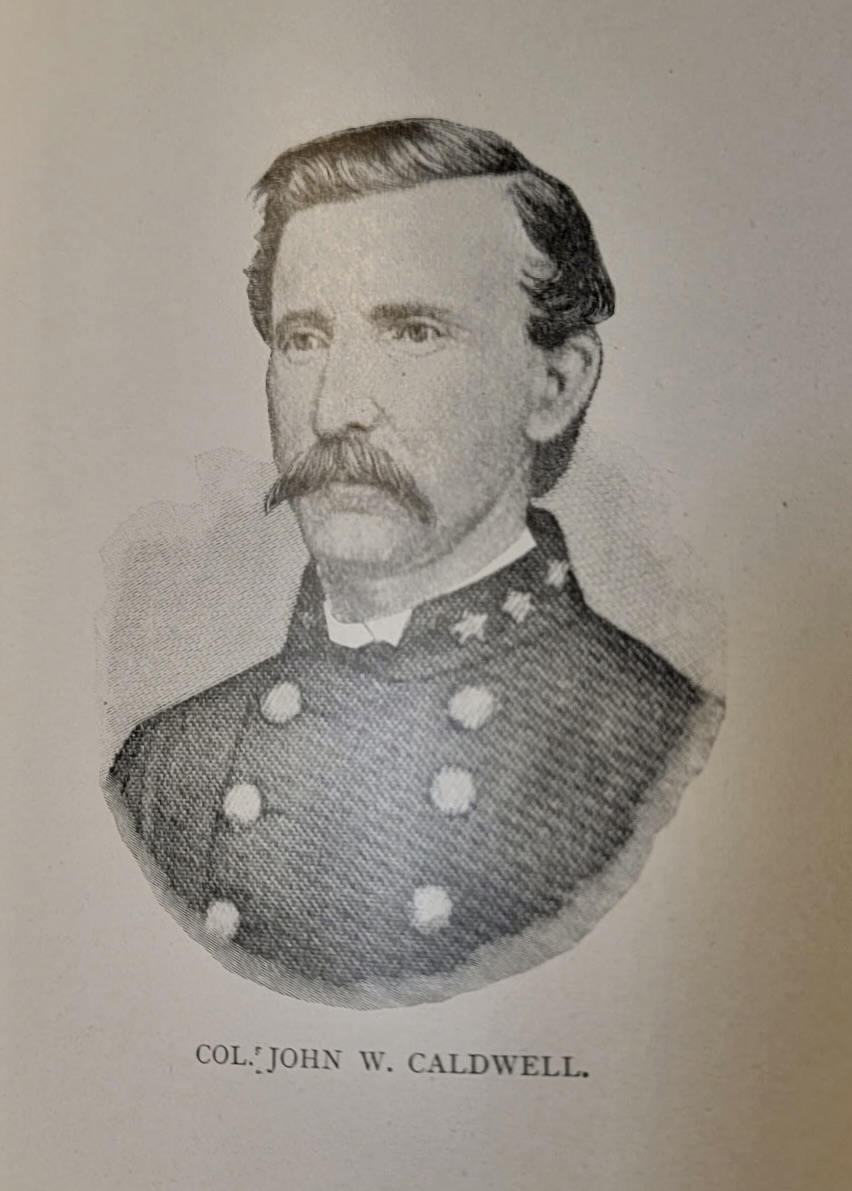
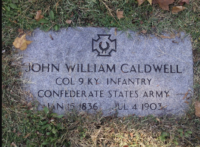
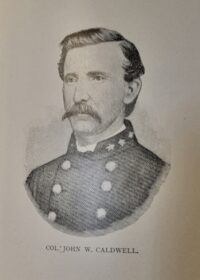
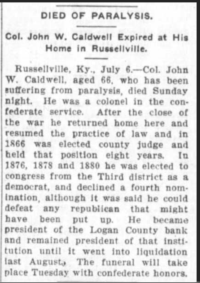
CALDWELL, John William, a Representative from Kentucky; born in Russellville, Logan County, Ky., January 15, 1837; attended the common schools and Bethel College; moved with his uncle to Texas in 1850, where he worked on a farm; engaged as a clerk and as a surveyor; returned to Kentucky and studied law in the Louisville University; was admitted to the bar in 1858 and commenced practice in Russellville, Ky.; volunteered as a private in the Confederate Army in 1861 and was immediately elected captain of the “Logan Grays”; promoted to major, lieutenant colonel, and colonel of the Ninth Regiment, Kentucky Infantry; resumed the practice of law in Russellville in 1865; elected judge of the Logan County Court in 1866 and reelected in 1870; elected as a Democrat to the Forty-fifth, Forty-sixth, and Forty-seventh Congresses (March 4, 1877-March 3, 1883); declined to be a candidate for reelection; president of the Logan County Bank; died in Russellville, Ky., July 4, 1903; interment in Maple Grove Cemetery.
| John W. Caldwell | |
| Member of the U.S. House of Representatives from Kentucky‘s 3rd district |
|
| In office March 4, 1877 – March 3, 1883 |
|
| Preceded by | Charles W. Milliken |
| Succeeded by | John Edward Halsell |
| Personal details | |
| Born | January 15, 1837 |
| Died | July 4, 1903 (aged 66)
Russellville, Kentucky |
| Resting place | Maple Grove Cemetery, Russellville, Kentucky |
| Party | Democratic |
| Spouse | Sallie J. Barclay |
| Education | Bethel College University of Louisville |
| Profession | Lawyer |
| Military service | |
| Allegiance | Confederate States of America |
| Branch/service | Confederate States Army |
| Rank | Colonel |
| Unit | 9th Kentucky Infantry Regiment |
| Battles/wars | American Civil War |
John William Caldwell (January 15, 1837 – July 4, 1903) was a U.S. representative from Kentucky.
Early life and family
John W. Caldwell was born in Russellville, Kentucky, on January 15, 1837. He was the son of Austin and Louisa (Harrison) Caldwell. Austin Caldwell died in 1843, leaving John Caldwell as his only living child. With the duties of caring for his father’s estate, Caldwell was only able to attend the common schools of Logan and Christian Counties until age fourteen. In 1850, he moved with his uncle, Dr. Robert Peyton Harrison, to Texas, where he worked on a farm, as a clerk, and as a surveyor.
At age nineteen, Caldwell returned to Kentucky. He studied law with William Morton, a well-known lawyer in his family. In 1856, he matriculated to the University of Louisville School of Law, completing a junior year course of study with honors. He graduated from the university in 1857, was admitted to the bar in 1858, and commenced practice in Russellville, Kentucky.
Caldwell married Sallie J. Barclay, and the couple had one son and two daughters.
Civil War service
Although he opposed secession, Caldwell volunteered as a private in the Confederate States Army in 1861. He was immediately elected captain of the “Logan Grays”, a Confederate company being recruited in Logan County. When Confederate forces under Simon Bolivar Buckner entered Kentucky, Caldwell led the Grays to Bowling Green, where they became Company A of the 9th Kentucky Infantry under John C. Breckinridge. After Albert Sidney Johnson‘s retreat from Bowling Green, Caldwell commanded the 9th Kentucky until relieved by Colonel Thomas H. Hunt on his return from New Orleans, Louisiana.
At the Battle of Shiloh, Caldwell received several wounds, including a badly broken left arm.[3] Sixty-five percent of his company was killed or wounded in the battle. Following the battle, he was promoted to major, and when the 9th Kentucky was reorganized six weeks later, he was elected its lieutenant colonel. Thomas H. Hunt resigned his commission in 1863, and Caldwell was promoted to colonel and given command. He sometimes also commanded the Orphan Brigade.
Caldwell again broke his left arm at the Battle of Chickamauga.[3] Because of this, the Board of Army Surgeons offered him a medical retirement, but he declined, rejoining his regiment in Dalton, Georgia, two weeks later. At the end of the war, he surrendered his forces at Washington, Georgia, and was paroled as a prisoner of war on May 6, 1865.
Political career
Caldwell resumed the practice of law in Russellville. He was elected judge of the Logan County Court in August 1866 and reelected in 1870, serving eight years. Two years after his retirement from the bench, he was elected as a Democrat to represent the Third District in the U.S. House of Representatives. He served in the Forty-fifth, Forty-sixth, and Forty-seventh Congresses (March 4, 1877 – March 3, 1883). He was known as an advocate of home rule, tariff reform, hard money, and conservatism in public expenditures. Due to ill health, he declined to be a candidate for reelection although he faced no Republican opposition for the seat.
Later life and death
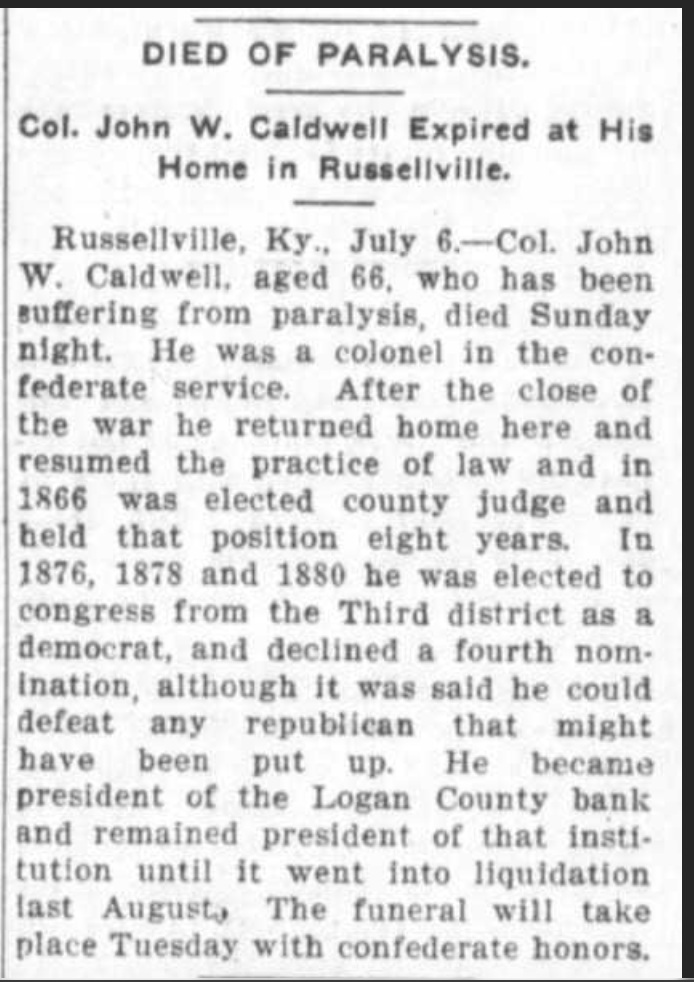
After his time in Congress, Caldwell did not return to his legal practice, but became president of the Logan County Bank. He died in Russellville on July 4, 1903, and was interred in Maple Grove Cemetery.
John W. Caldwell – U.S. Congressman. Educated at Bethel College, he moved to Texas in 1850, worked on a farm, and also engaged as a clerk and as a land surveyor. Returning to Kentucky in 1856, he studied law at Louisville University, was admitted to the bar in 1858 and commenced the practice of law in Russellville, Kentucky. Although opposing Kentucky’s seccession at the advent of the Civil War, he rose to Colonel in command of the 9th Kentucky Infantry, Confederate Army. After the war, he resumed the practice of law and was elected judge of the Logan County Court, serving (1866-85). In 1877, he was elected as a Democrat to the Forty-fifth, Forty-sixth, and Forty-seventh Congresses, serving until 1883. Declining to be a candidate for reelection due to illness, he served as president of the Logan County Bank until his death.
| Spouse | Sarah J. “Sallie” Barclay |
| Father | Austin Caldwell |
| Mother | Louisa Ann “Louisa” Harrison |
| Children | Hugh Barclay |
| Birth | 15 Jan 1837 Russellville, Logan, Kentucky, USA |
| Death | 4 Jul 1903 Russellville, Logan, Kentucky, USA |
John William Caldwell Veteran Famous memorial
Birth
15 Jan 1837
Russellville, Logan County, Kentucky, USA
Death
4 Jul 1903 (aged 66)
Russellville, Logan County, Kentucky, USA
Burial
Russellville, Logan County, Kentucky
Joseph Crews Barclay
Birth
16 Jul 1838
Russellville, Logan County, Kentucky, USA
Death
19 May 1924 (aged 85)
Carlinville, Macoupin County, Illinois, USA
Burial
Russellville, Logan County, Kentucky
Joseph was the son of Hugh Barclay and his wife Ann Lavina Hall, who lived near Russellville, Kentucky on their large farm. Joseph went to Chicago when a young man where he joined Ellsworth’s Zouaves, but at the outbreak of the Civil War he returned to Kentucky and served as a drill master with the rank of Major. He married twice, first to Annie Dulaney, July 8, 1862, on her father’s farm, Cloud Spring near Bowling Green. Annie died at the age of 22 on June 10, 1865. Joseph married Mary Ronald on October 5, 1871, in Louisville, Kentucky.
Related Items
-
High Quality Civil War Id’d Officer’s Traveling Mess Utensils in Original Case
$1,150High Quality Civil War Id’d Officer’s Traveling Mess Utensils in Original CaseSeptember 25, 2022 -
Id’d Civil War Camp Mirror – Lt. and Quartermaster John S. Ives 25th Connecticut Infantry
$750Id’d Civil War Camp Mirror – Lt. and Quartermaster John S. Ives 25th Connecticut InfantryDecember 24, 2021 -
M1858 Smoothside Canteen and Cartridge Box Tin Picked up at the Bloody Angle after the Battle of Spotsylvania and Given to Col. Clark S. Edwards 5th Maine Infantry
M1858 Smoothside Canteen and Cartridge Box Tin Picked up at the Bloody Angle after the Battle of Spotsylvania and Given to Col. Clark S. Edwards 5th Maine InfantryJanuary 14, 2024 -
Id’d Carved Bone 24th Corps Badge – Private James E. Lewis Co. B 206th Pa. Infantry
$650Id’d Carved Bone 24th Corps Badge – Private James E. Lewis Co. B 206th Pa. InfantryAugust 14, 2023