Civil War Id’d Canteen with Inked Poignant Poem – Private Benjamin Franklin Goodwin Co. I 6th Maine InfantryDecember 1, 2025
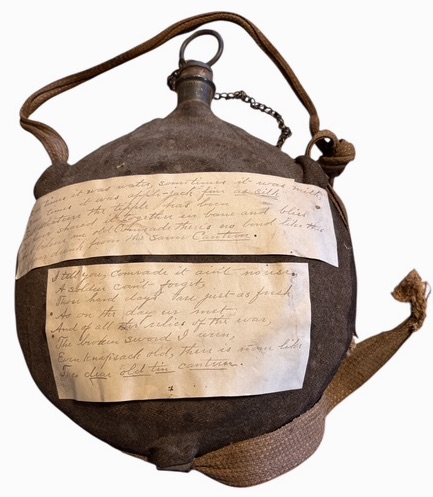
Civil War Id’d Canteen with Inked Poignant Poem – Private Benjamin Franklin Goodwin Co. I 6th Maine Infantry
SOLD
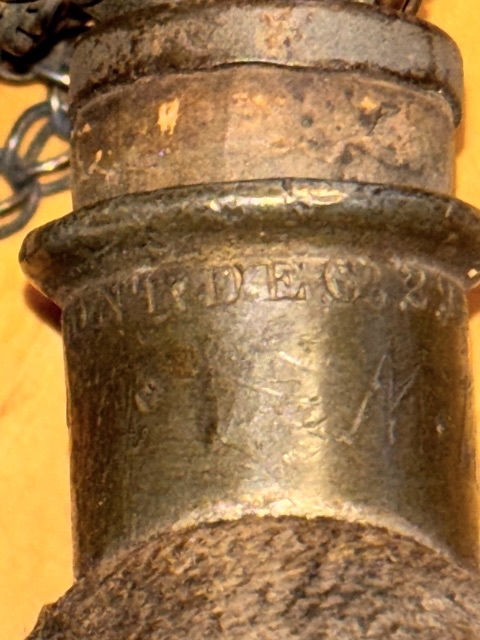
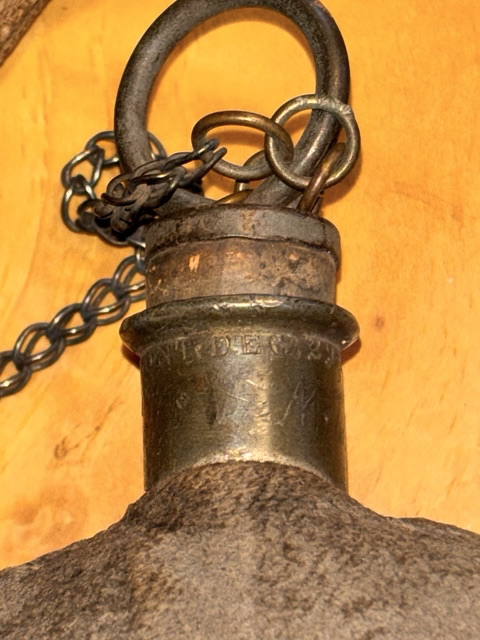
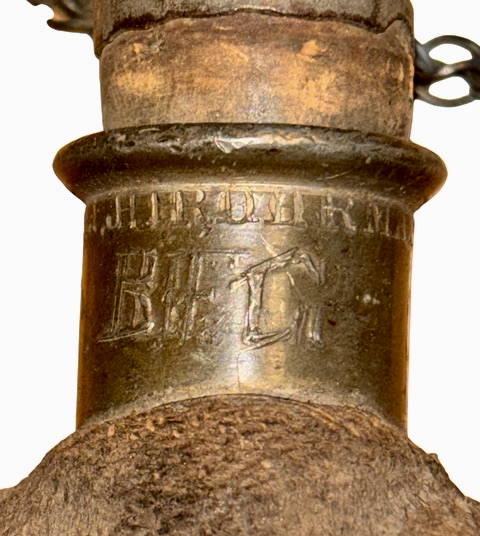
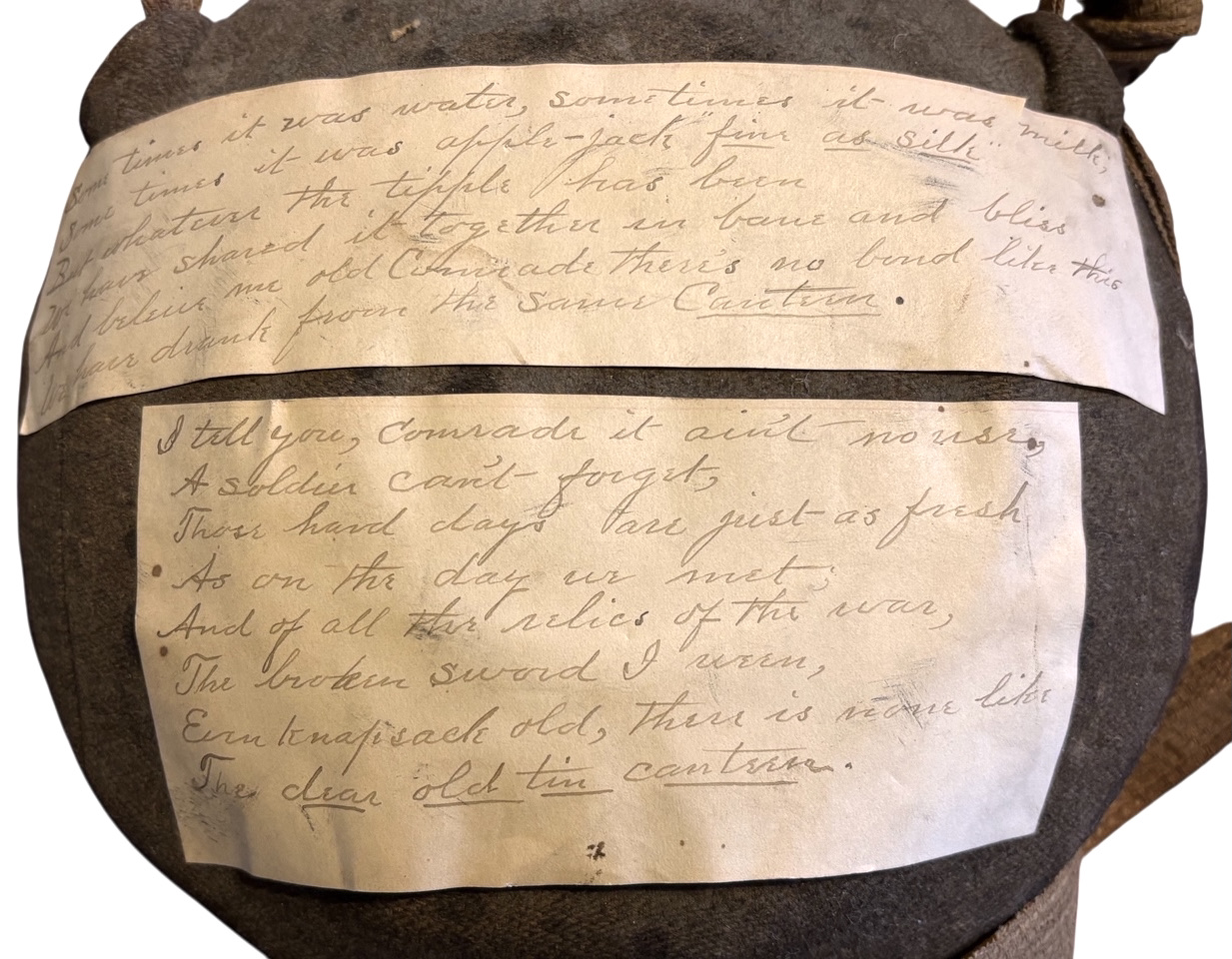
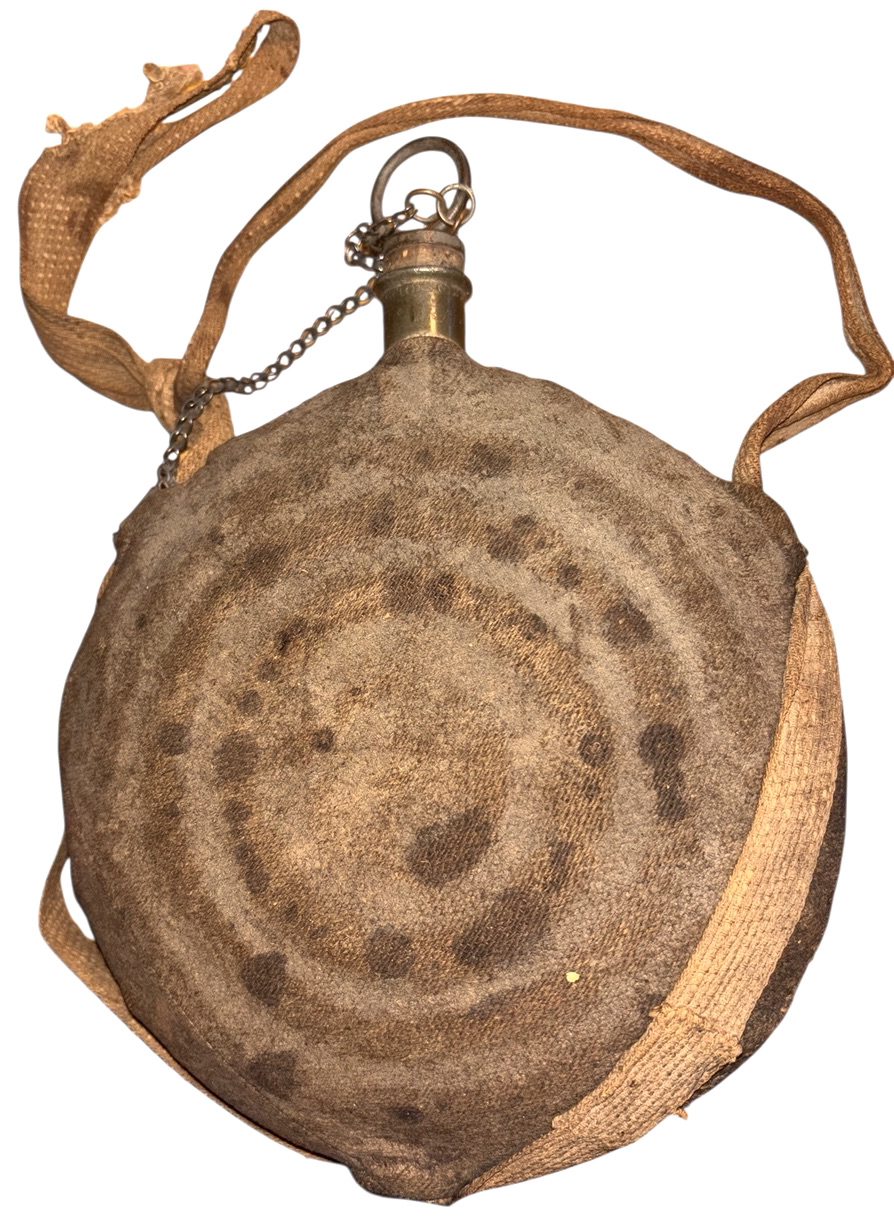
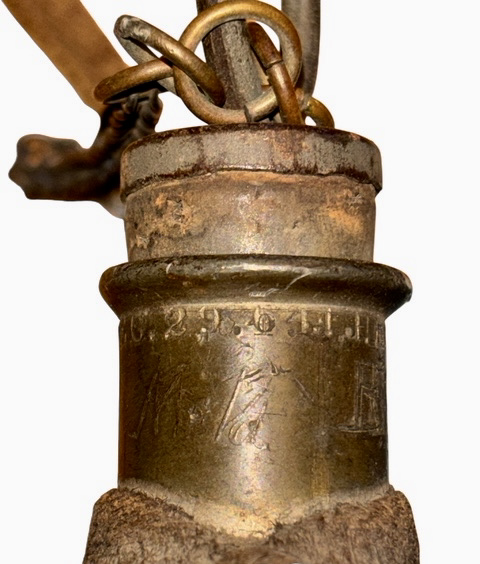
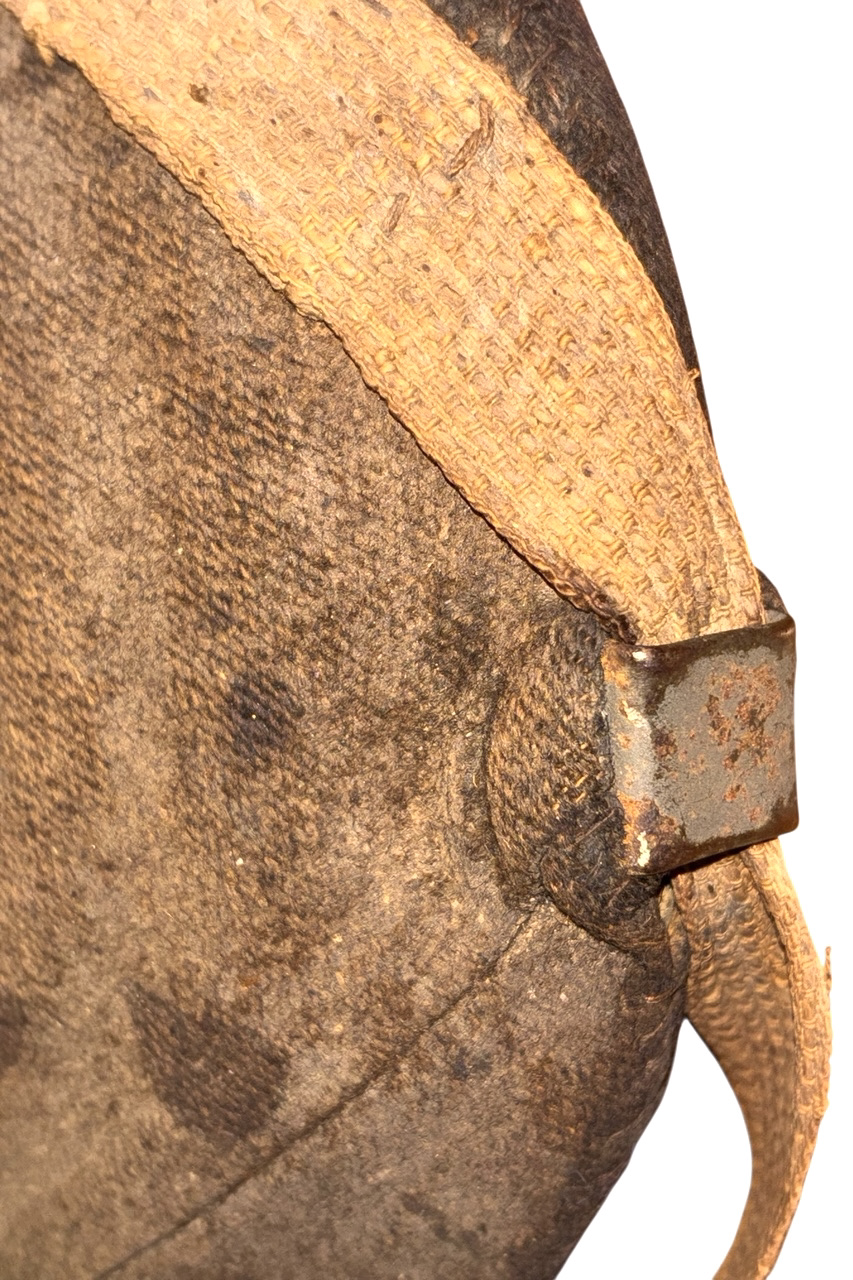
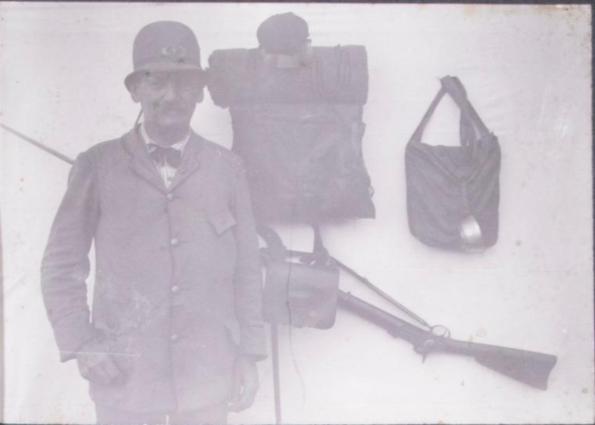
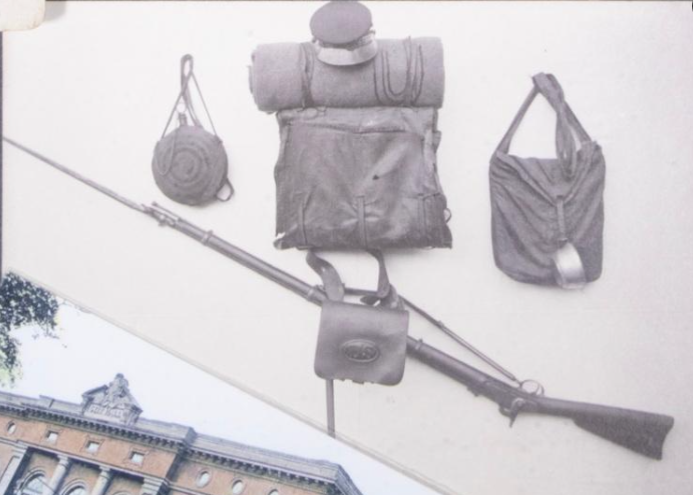
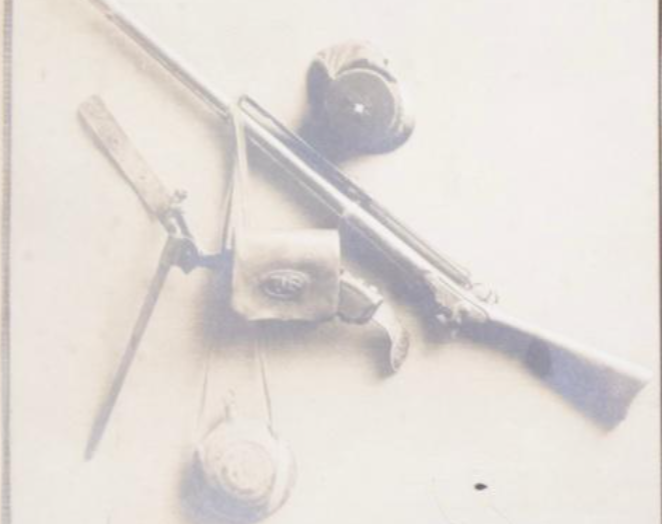
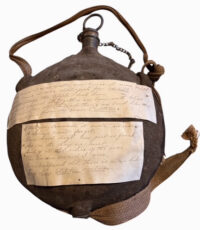
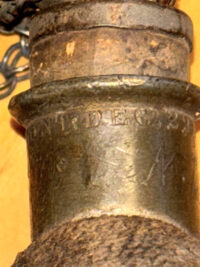
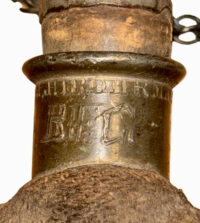
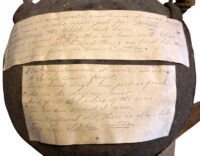
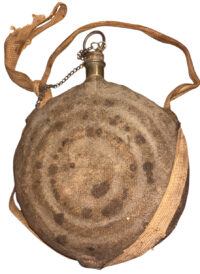
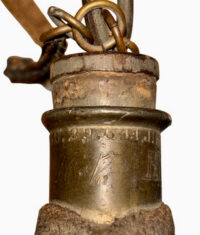
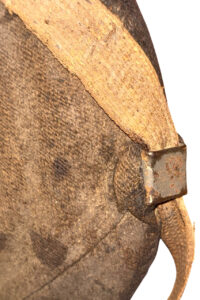
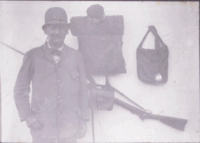
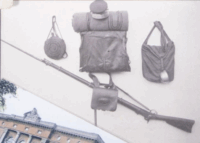
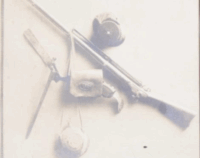
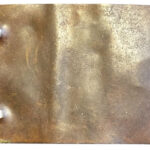
Civil War Id’d Canteen with Inked Poignant Poem – Private Benjamin Franklin Goodwin Co. I 6th Maine Infantry – This Model 1858 bullseye style canteen was carried by Private Benjamin Franklin Goodwin of Co. I 6th Maine Infantry. Goodwin scratched his initials “GFB” in the pewter spout of the canteen; Goodwin is pictured, with his various accoutrements and long arm, in postwar cabinet card images depicted here (we do not have the original image). Affixed to one side of the canteen’s wool cover are two pieces of period paper with the following poem, presumably composed by Private Goodwin:
“Sometimes it was water, sometimes it was milk; sometimes it was apple-jack “fair as silk,” but whatever the tipple has been we have shared it together in bane and bliss and believe me old comrade there’s no bond like this we have drank from this same canteen”.
“I tell you, comrade it ain’t no use, a soldier can’t forget, those hard days are just as fresh as on the day we met; and of all the relics of the war, the broken sword I ween, even knapsack old, there is none like the dear old tin canteen”.
Private Goodwin enlisted, at the age of 18, into Co. I of the 6th Maine Infantry in September 1862; he would remain only briefly with this regiment immediately transferring into Co. C of the 7th Maine Infantry where he would remain until August 1864, then transferring into Co. C of the 1st Maine Veteran Infantry. During his service, Goodwin would be promoted to the rank of Corporal, in 1863 and see considerable action at numerous engagements, until he mustered out in June 1865.
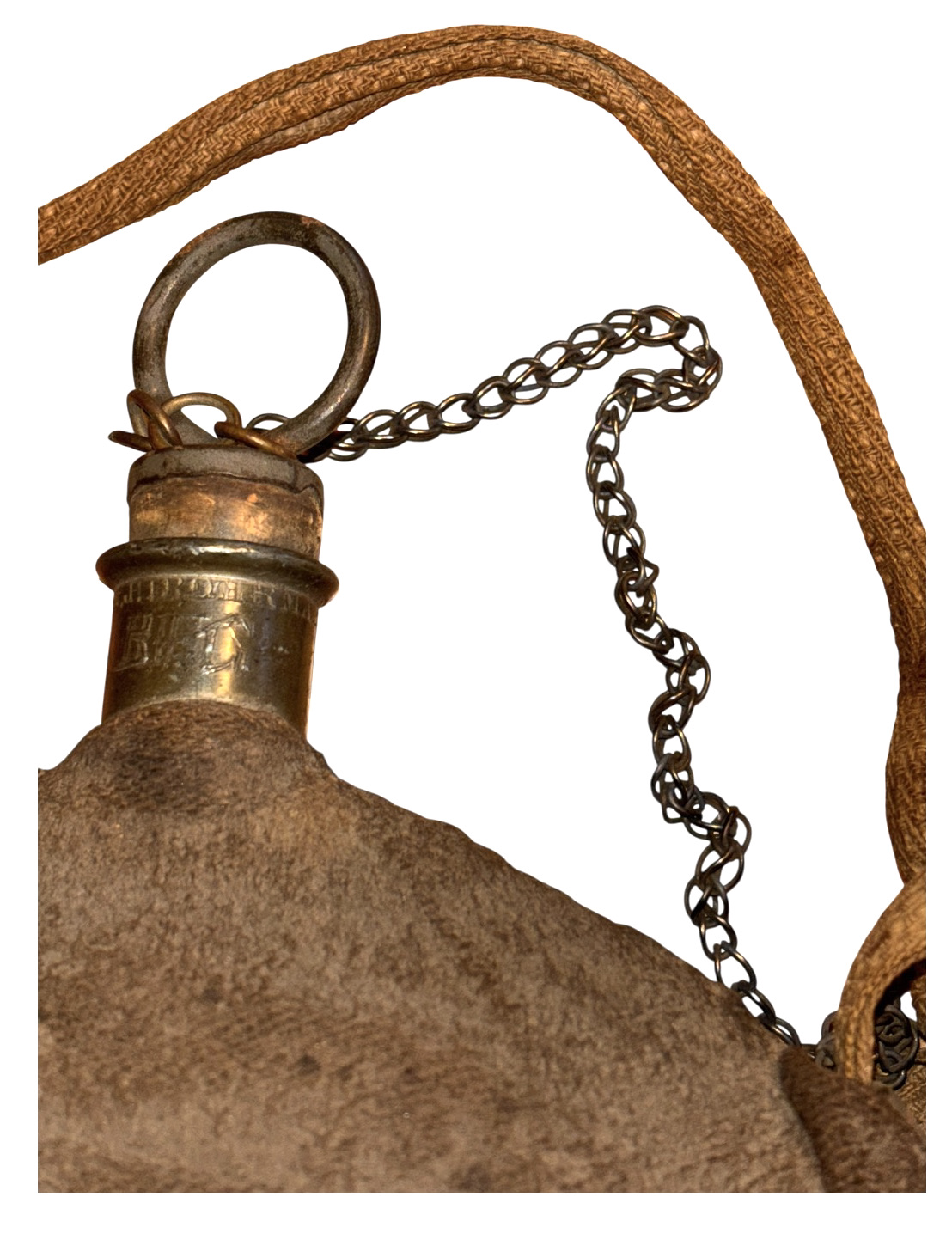
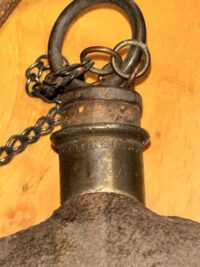
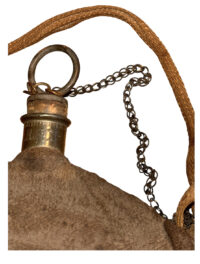
The canteen remains in overall very good condition; the wool cover is in good condition, with no holes or weak areas; the woven cotton shoulder strap is not complete and is broken in two areas; the original ringed cork stopper is present, with a postwar chain affixing it to one of the sling guides. Clearly and artfully scratched into the pewter spout are Goodwin’s three initials, as well as another less discernible set of two initials and the contractor’s stamped name – “J. Rohrman” (J. Rohrman – Joseph Hall Rohrman was a Philadelphia-based tinsmith and manufacturer who became well-known for producing Model 1858 “bullseye” canteens for the Union Army during the Civil War.
Benjamin F. Goodwin
Residence Stetson, ME; 18 years old.
Enlisted as a Priv(date unknown).
He also mustered into “I” Co. Maine 6th Infantry.
He transferred out on 9/16/1862
On 9/16/1862, he transferred into “C” Co. Maine 7th Infantry.
He transferred out on 8/21/1864
On 8/21/1864, he transferred into “C” Co. Maine 1st Vet Infantry.
He was disch on 6/16/1865
Promotions:
- Corpl (1864)
Organized: Portland, ME on 7/15/1861
Mustered out: 8/15/1864
MAINE SIXTH INFANTRY (Three Years) Sixth Infantry.–Cols., Abner Knowles, Hiram Burnham, Benjamin F. Harris; Lieut.-Cols., Hiram Burnham, Charles H. Chandler, Benjamin F. Harris; Majs., George Fuller (commissioned, but never mustered in), Frank Pierce, Benjamin F. Harris, Joel A. Hancock, George Fuller, Theo. Lincoln, Jr. (commissioned, but never mustered in), Frank Pierce, Benjamin F. Harris, Joel A. Hancock, George Fuller, Theo. Lincoln, Jr. This regiment was composed principally of the hardy lumbermen of the Penobscot valley and the eastern portion of the state, who were quick to respond to the first call to arms. Before its organization it was made up of two battalions of five companies each, rendezvousing respectively at the state arsenal, Bangor, and Fort Sullivan, Eastport. Under a general order from Adjt.-Gen. Hodsdon, June 28, 1861, both battalions were removed to Portland and organized into a regiment for active service. On July 12-15, 1861, it was mustered into the service of the United States and on the 17th left for Washington. En route through New York city, the regiment was presented with a handsome standard by the sons of Maine in that city. It arrived in Washington on the 19th and was stationed at Chain Bridge on the Potomac, where it remained until Sept. 3. Through the fall and winter of 1861-62 it occupied Fort Griffin, and in March, 1862, was put into Hancock’s brigade, Smith’s division, and joined in the advance on Manassas. A little later it was attached to the 4th corps under Gen. E. D. Keyes, and advanced with the rest of the army on Yorktown on April 4, 1862. For the remainder of its three years the regiment saw the most arduous and active service. It participated in ten general engagements and in a great many skirmishes. On April 5-7, 1862, it was engaged in skirmishing and reconnaissance at the siege of Yorktown, and subsequently took part in the engagements at Lee’s mills, Williamsburg, Garnett’s farm, White Oak bridge, Antietam and Fredericksburg. From Feb. 2 to May 11, 1863, it was with the “Light Division”, and during this period took an honorable part in the battle of Chancellorsville, where it lost 128 officers and men killed and wounded. Other important battles in which the 6th was engaged were Rappahannock Station, where it lost 16 officers and 123 men; Wilderness, Spottsylvania Court House, where it lost a few men, and two days later in an attack on the enemy’s works on the right, it lost 125 in killed, wounded and missing. On June 12, 1864, the regiment only numbered 70 men, and was under fire for eight hours, supporting Gen. Hancock’s corps, losing 16 officers and men. The original members of the regiment were mustered out on Aug. 15, 1864, and the veterans and recruits to the number of 238 men, were transferred to the 7th Me. afterwards organized as the 1st regiment veteran volunteers.
Related Items
-
Original Civil War Period Boots
$450Original Civil War Period BootsAugust 27, 2025 -
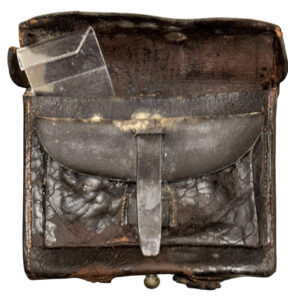
Civil War Federal Cartridge Box Excavated From the Banks of the Rappahannock River in Fredericksburg
$475Civil War Federal Cartridge Box Excavated From the Banks of the Rappahannock River in FredericksburgJanuary 10, 2025 -
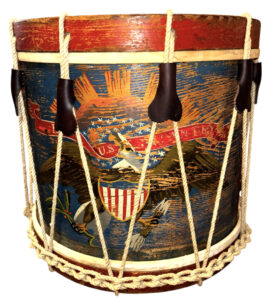
Original Civil War Regulation Eagle Drum
Original Civil War Regulation Eagle DrumSeptember 27, 2025 -
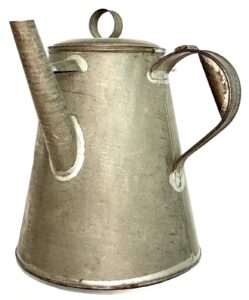
Civil War Period Tinned Side Spout Coffee Pot
Civil War Period Tinned Side Spout Coffee PotSeptember 17, 2024