
Id’d USCT 1st Edition of Rare Civil War Cavalry Horse Training Manual “Nolan’s System for Training Cavalry Horses” – Pvt. George Grundy Co. D 2nd United States Colored CavalryJuly 3, 2026
Id’d USCT 1st Edition of Rare Civil War Cavalry Horse Training Manual “Nolan’s System for Training Cavalry Horses” – Pvt. George Grundy Co. D 2nd United States Colored Cavalry
$575
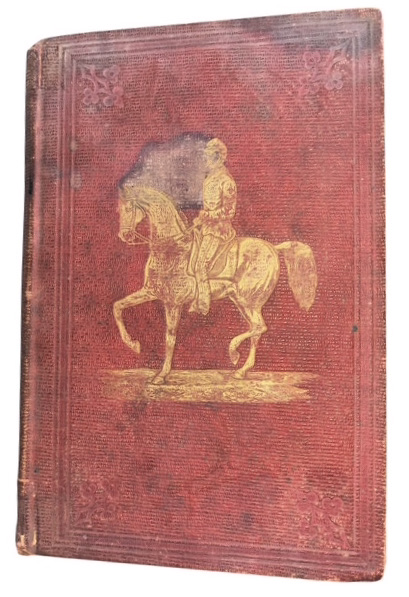
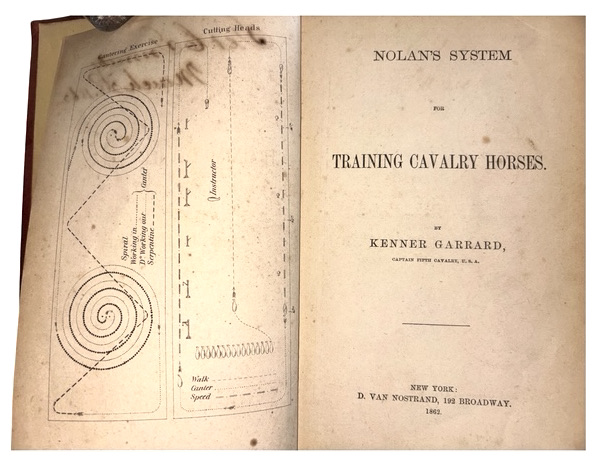
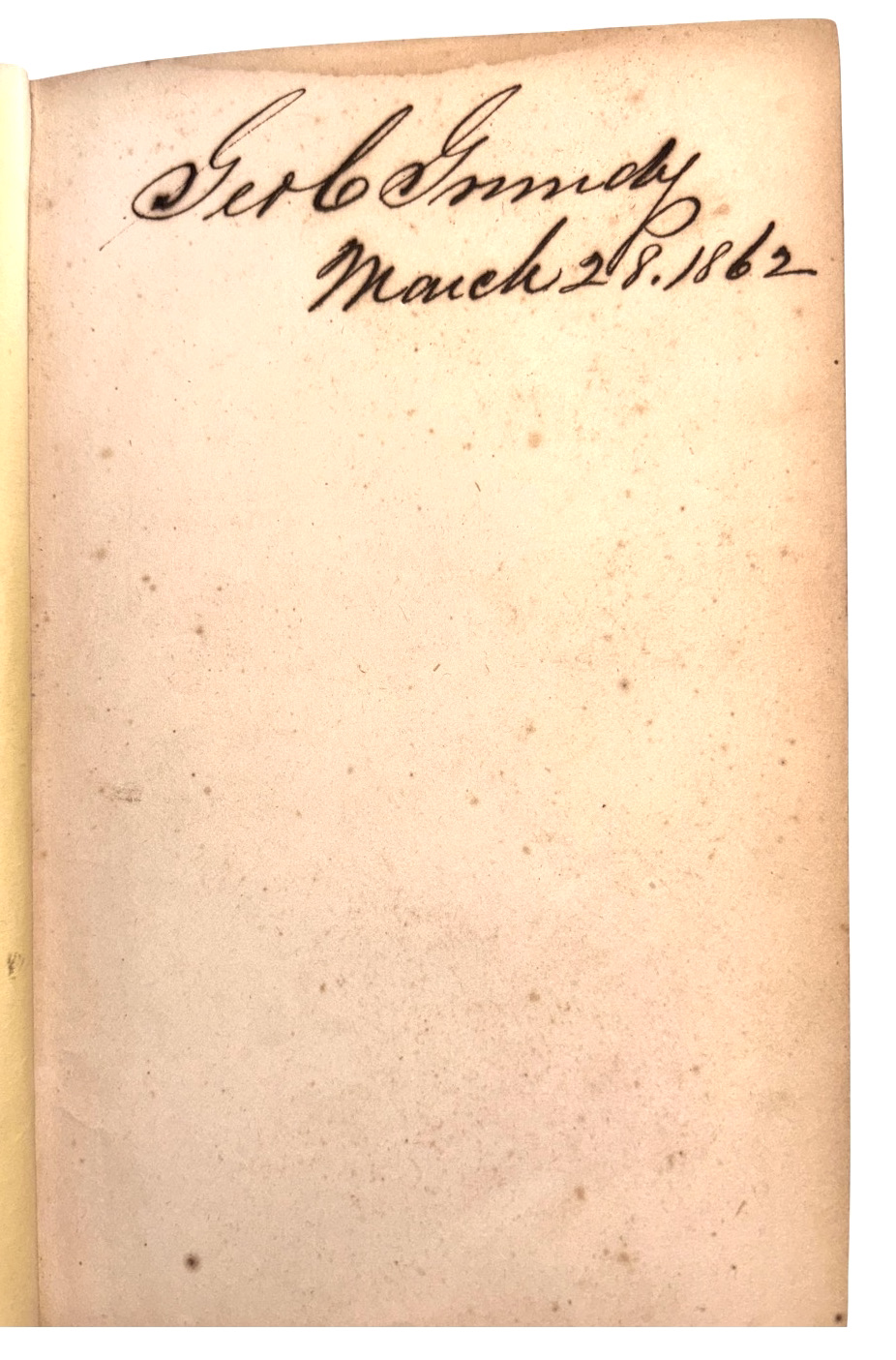
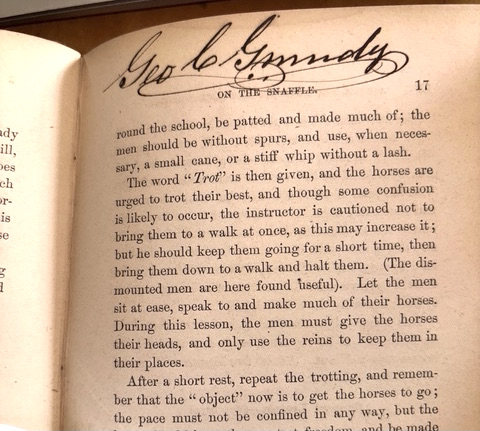
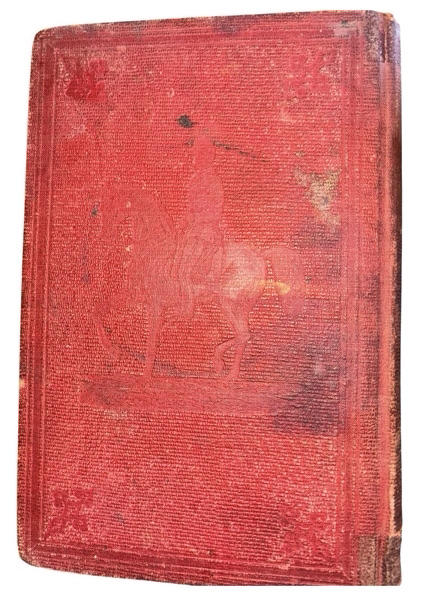
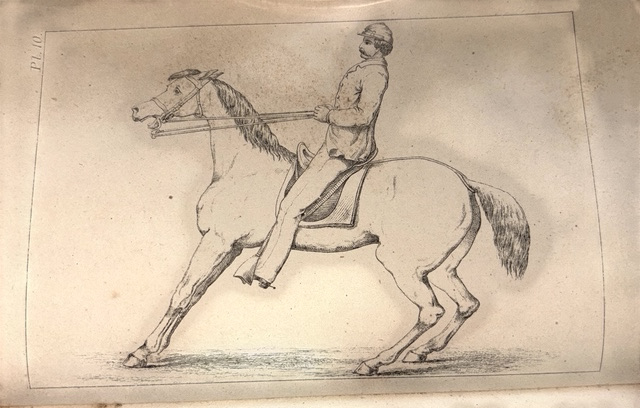
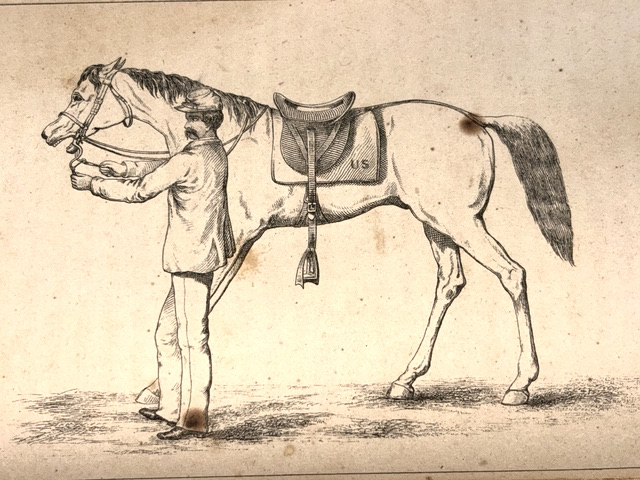
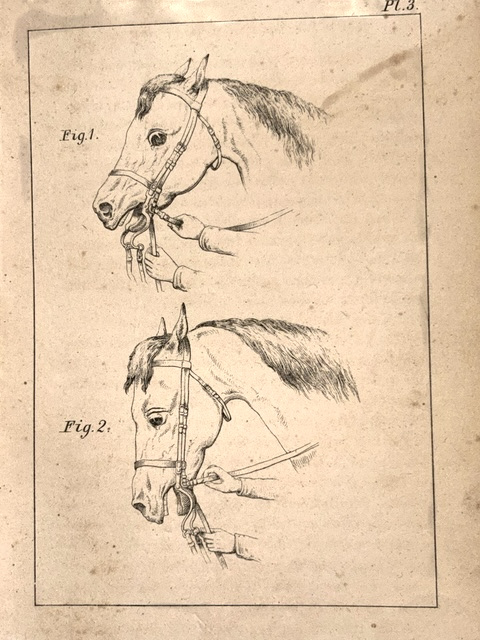
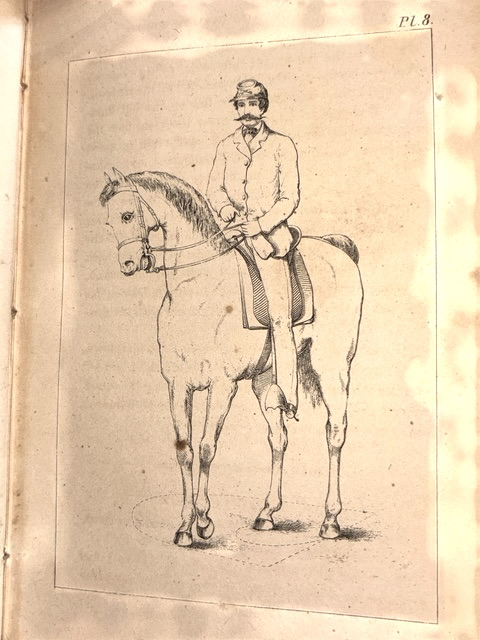
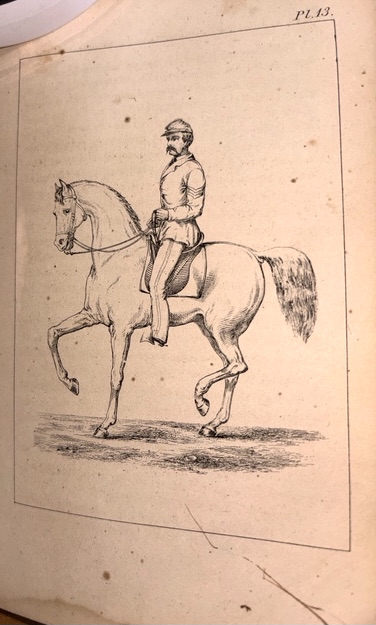
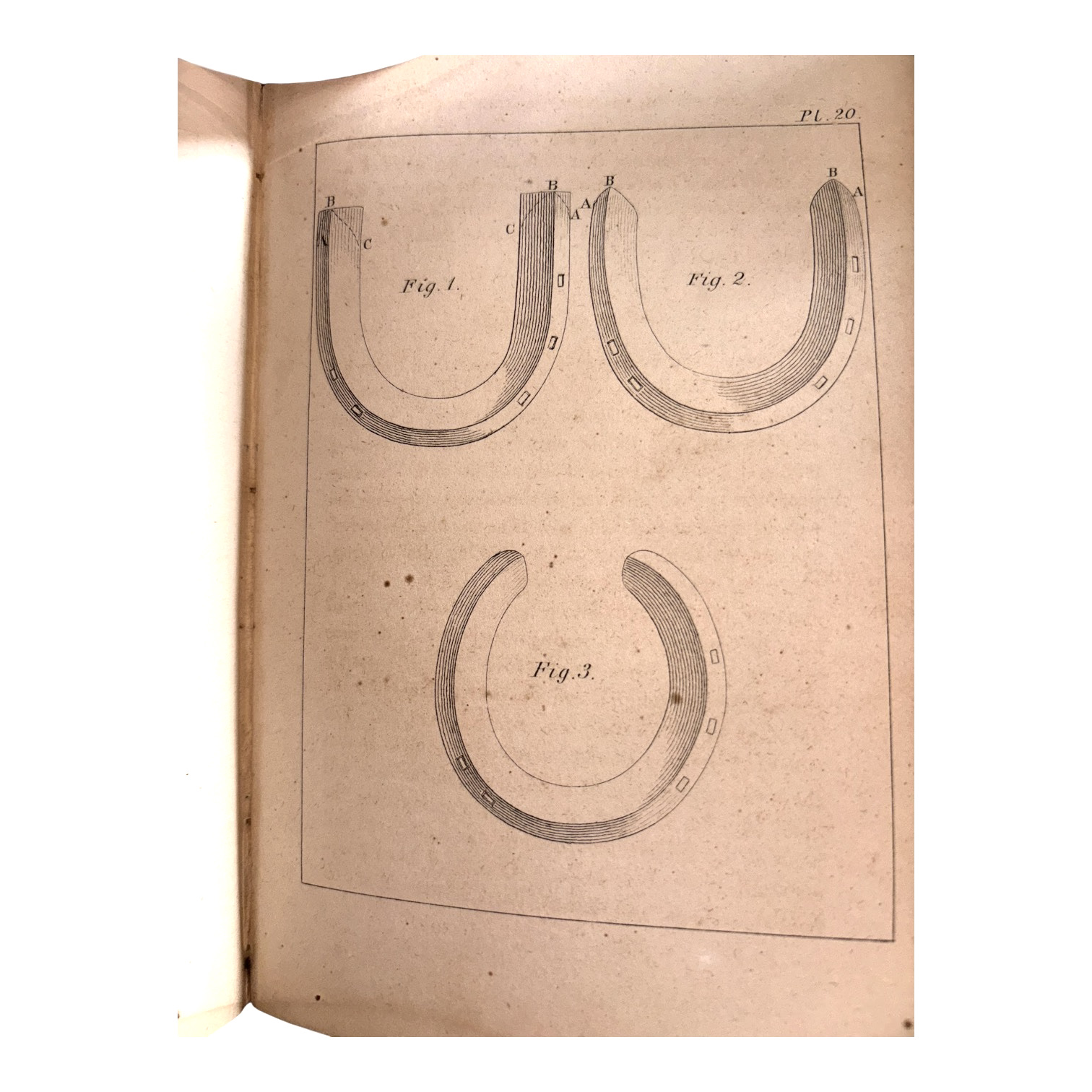
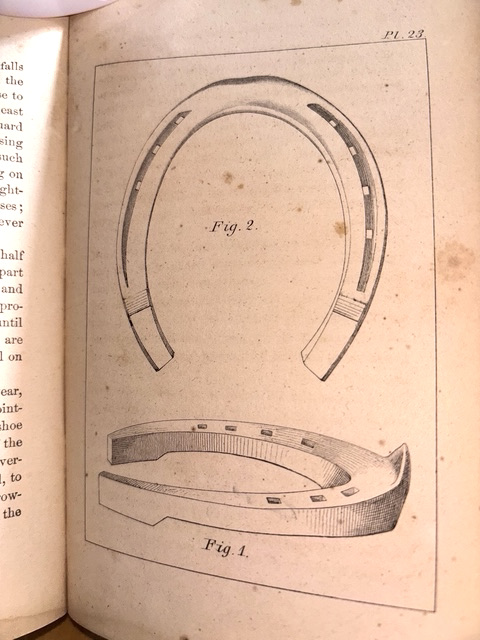
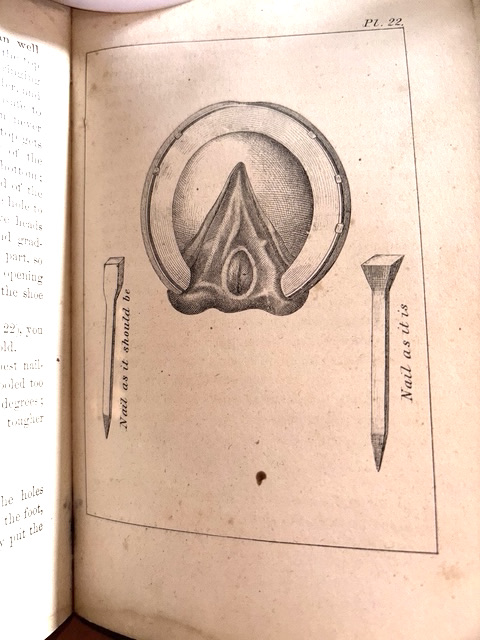
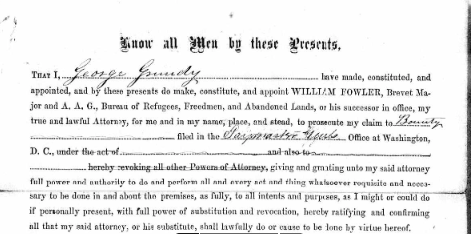
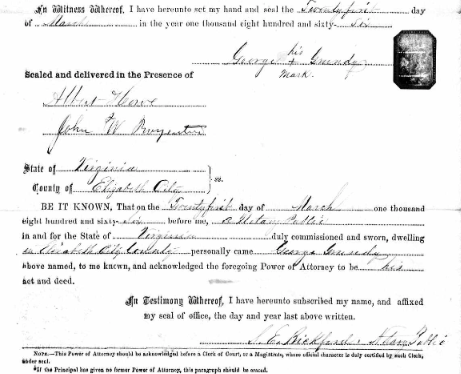
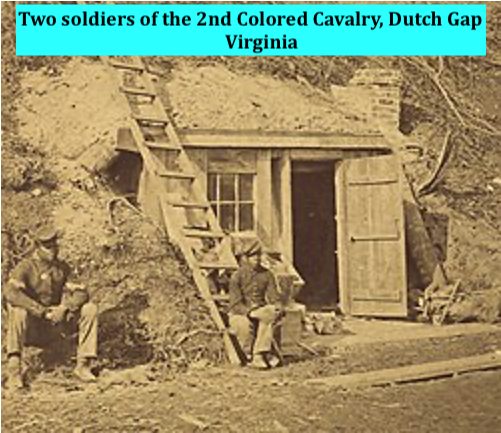
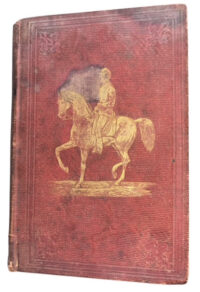
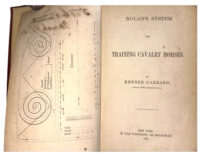
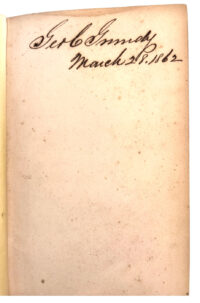
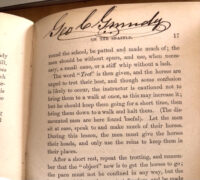
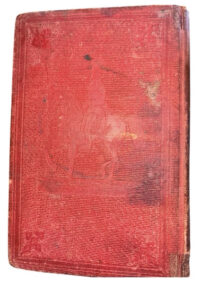
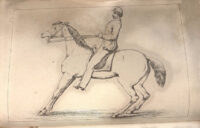
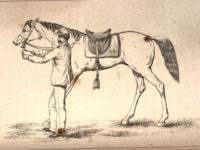
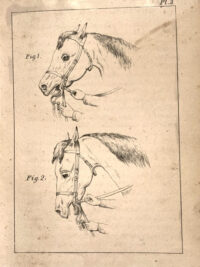
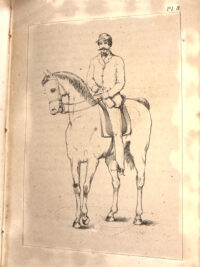
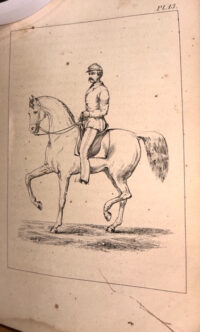
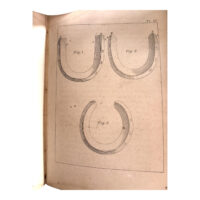
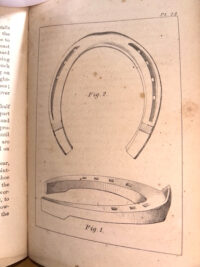
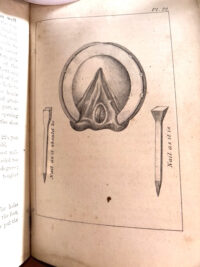
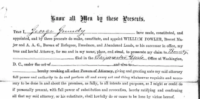
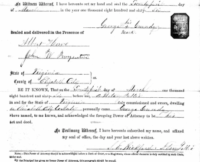
Id’d USCT 1st Edition of Rare Civil War Cavalry Horse Training Manual “Nolan’s System for Training Cavalry Horses” – Pvt. George Grundy Co. D 2nd United States Colored Cavalry – This rare manual, published by D. Van Norstrand in New York in 1862, is by itself a rare manual, containing multiple plates with accompanying explication for cavalrymen. Inked on the second, frontispiece page is the name “George C. Grundy”; inked on page 17 of the manual is Private Grundy’s name again. George Grundy enlisted in December 1863 at Ft. Monroe in Virginia into Co. D 2nd U.S. Colored Cavalry; he would remain with this regiment until it disbanded in 1866. This book remains in overall, very good condition, with some scuffing on the top of the spine and some minor loss on the bottom of the spine and some period use discoloration on both boards; all of the original plates and pages are present and tightly bound to the spine; the boards are covered with a dark red cloth, with a gold embossed, mounted cavalry trooper on the front and a similar, although not colored, embossing on the back board; both boards are tightly bound to the spine. The 2nd United States Colored Cavalry (USCC) was an African-American Union Army regiment during the Civil War. Organized at Fort Monroe, Virginia, between December 1863 and January 1864, the unit fought in key Virginia campaigns, including the Siege of Petersburg, before performing postwar duty in Texas, and mustering out in February 1866. During their course of service, the regiment would participate in several engagements in Virginia, to include operations against Ft. Darling, early assaults on Petersburg, action at Deep Bottom, Chaffin’s Farm, Fair Oaks and Darbytown Road; the regiment was ordered to City Point in June 1865 and sailed to Texas for duty on the Rio Grande until mustering out in February 1866. After the war, George Grundy would apply, through the Freedman’s Bureau, for ownership of land. This is a rare first edition of a significant cavalry manual, with an equally rare ID to a USCT cavalryman.
George Grundy
Residence was not listed.
Enlisted on 12/22/1863 at Fort Monroe, VA as a Priv.
On 12/22/1863, he mustered into “D” Co. US Colored Troops 2nd Cavalry.
(Date and method of discharge not given.)
(Estimated date of enlistment)
| Name | George Grundy |
| Enlistment Age | 21[21] |
| Military Age | 21 |
| Birth Date | abt 1842[abt 1842] |
| Birth Place | Elizabeth City, North Carolina |
| Role | Soldier |
| Enlistment Date | 24 Dec 1863 |
| Military Date | 24 Dec 1863 |
| Unit | 2nd U.S. Colored Cavalry |
| Service Branch | Cavalry |
2nd UC Cavalry
Organized: Fort Monroe, VA on 12/22/1863
Mustered out: 2/12/1866
Second U. S. Colored Cavalry Organized at Fort Monroe, Va., December 22, 1863. Attached to Fort Monroe, Va., Dept. of Virginia and North Carolina, to April, 1864. Unattached Williamsburg, Va., Dept. of Virginia and North Carolina, to June, 1864. 2nd Brigade, 3rd Division, 18th Corps, Army of the James, to August, 1864. Unattached 3rd Division, 18th Corps, to December, 1864. Unattached 25th Corps, Dept. of Virginia, to May, 1865. Cavalry Brigade, 25th Corps, Dept. of Virginia and Dept. of Texas, to February, 1866. SERVICE.-Duty at Fort Monroe, Portsmouth and Williamsburg, Va., till May, 1864. Demonstration on Portsmouth March 4-5. Action near Suffolk March 10. Reconnoissance from Portsmouth to the Blackwater April 13-15. Butler’s operations on the south side of James River and against Petersburg and Richmond May 4-28. Capture of Bermuda Hundred and City Point May 5. Swift Creek May 8-10. Operations against Fort Darling May 10-16. Actions at Drury’s Bluff May 10-13- 14-15 and 16. Near Drury’s Bluff May 20. Duty in trenches at Bermuda Hundred till June 13. Point of Rocks June 10. Richmond Campaign June 13-July 31. Baylor’s Farm June 15. Assaults an Petersburg June 16-19. Siege of Petersburg and Richmond June 16, 1864, to February 18, 1865. Duty before Petersburg till July, 1864. Moved to Deep Bottom July 25. Action at Deep Bottom July 27-28. Strawberry Plains, Deep Bottom, August 14-18. Actions at Deep Bottom September 2 and 6. Chaffin’s Farm September 29-30. Darbytown Road October 7. Battle of Fair Oaks, Darbytown Road October 27-28. Near Richmond October 28-29. Duty in trenches north of James River till February, 1865. Ordered to Norfolk February 18. Duty in District of Eastern Virginia at Norfolk, Suffolk, etc., till May. Ordered to City Point, Va.; thence sailed for Texas June 10. Duty on the Rio Grande and at various points in Texas till February, 1866. Mustered out February 12, 1866.
| 2nd United States Colored Cavalry Regiment | |
| Active | 1863–1866 |
| Country | United States |
| Allegiance | United States Union |
| Branch | Cavalry United States Colored Troops |
| Size | Regiment |
| Engagements | American Civil War |
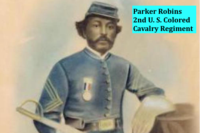
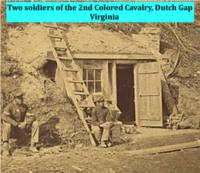
The 2nd United States Colored Cavalry Regiment was an African-American military unit that served in the Union Army during the American Civil War. The 2nd Colored Cavalry fought in Virginia before being mustered out of service in 1866.
History
The 2nd Colored Cavalry Regiment was organized at Fort Monroe, Virginia on December 22, 1863.[1] Fort Monroe was an important Union stronghold on the Virginia coast that became a place of refuge for escaped slaves once the war began. The US Bureau of Colored Troops was formed in May, 1863 and began enlisting Black men into military units. Initially the Colored Troops were assigned to manual labor and support duties, but later they took part in combat actions. All of the officers of the US Colored Troops were white, Black soldiers would not be commissioned as officers until after the Civil War. The commanding officer of the 2nd Colored Cavalry was Colonel George W. Cole, a veteran officer from New York state.[2]
The 2nd Cavalry was assigned to garrison and guard duties at Fort Monroe until the spring of 1864.[1] The first battle of the Regiment took place on March 9, 1864, near Suffolk, Virginia. A Union patrol from the 2nd Cavalry encountered several regiments of Confederates from North Carolina, and a battle began. Several soldiers of the 2nd Colored Cavalry took cover in a house that the Confederates set on fire, burning the men to death.[3] Although they were greatly outnumbered, the Union troops were able to fight off the Confederates, suffering 8 killed in the battle.[2] A Union officer reporting on the actions of the 2nd Colored Cavalry at Suffolk wrote that “Never did soldiers display more bravery”.[4]
In May 1864, the 2nd Cavalry took part in General Benjamin Butler‘s Bermuda Hundred campaign on the south bank of the James River. Union forces fought the Confederates at Drewry’s Bluff and Fort Darling as they tried to capture strategic points between Richmond and Petersburg. Butler’s attempt to capture Drewry’s Bluff was unsuccessful, the 2nd Cavalry lost 3 men in battles there.[2]
The 2nd Cavalry, as dismounted infantry, took part in the Siege of Petersburg that began in the summer of 1864, fighting in various actions along the defensive lines. 2 men were killed in a skirmish at Point of Rocks on May 23.[2][5] The regiment fought battles at Deep Bottom in July,[1] New Market Heights in September,[6] and Fair Oaks & Darbytown Road in October.[1] The regiment lost 5 killed and 6 missing in these battles.[2]
The 2nd Cavalry remained in Northern Virginia along the Petersburg-Richmond line until the Confederate capital was captured in the spring of 1865. In June, the regiment was sent by boat to Brownsville, Texas to guard the US-Mexican border.[1] South of the border, Mexican Republican forces had been fighting against the French-backed Mexican Empire since 1861. As the American Civil War ended, the US was able to focus more attention on supporting Mexican President Benito Juárez‘s republican forces. Troops from the 2nd Cavalry briefly occupied the Mexican town of Bagdad on the south bank of the Rio Grande in January 1866 to support Mexican troops there.[7] The regiment was then mustered out of service on February 12, 1866
2nd Regiment, United States Colored Cavalry
Overview:
Organized at Fort Monroe, Va., December 22, 1863. Attached to Fort Monroe, Va., Dept. of Virginia and North Carolina, to April, 1864. Unattached Williamsburg, Va, Dept. of Virginia and North Carolina, to June, 1864. 2nd Brigade, 3rd Division, 18th Corps, Army of the James, to August, 1864. Unattached 3rd Division, 18th Corps, to December, 1864. Unattached 25th Corps, Dept. of Virginia, to May, 1865. Cavalry Brigade, 25th Corps, Dept. of Virginia and Dept. of Texas, to February, 1866.
Service:
Duty at Fort Monroe, Portsmouth and Williamsburg, Va., till May, 1864. Demonstration on Portsmouth March 4-5. Action near Suffolk March 10. Reconnoissance from Portsmouth to the Blackwater April 13-15. Butler’s operations on the south side of James River and against Petersburg and Richmond May 4-28. Capture of Bermuda Hundred and City Point May 5. Swift Creek May 8-10. Operations against Fort Darling May 10-16. Actions at Drury’s Bluff May 10-13-14-15 and 16. Near Drury’s Bluff May 20. Duty in trenches at Bermuda Hundred till June 13. Point of Rocks June 10. Richmond Campaign June 13-July 31. Baylor’s Farm June 15. Assaults on Petersburg June 16-19. Siege of Petersburg and Richmond June 16, 1864, to February 18, 1865. Duty before Petersburg till July, 1864. Moved to Deep Bottom July 25. Action at Deep Bottom July 27-28. Strawberry Plains, Deep Bottom, August 14-18. Actions at Deep Bottom September 2 and 6. Chaffin’s Farm September 29-30. Darbytown Road October 7. Battle of Fair Oaks, Darbytown Road October 27-28. Near Richmond October 28-29. Duty in trenches north of James River till February, 1865. Ordered to Norfolk February 18. Duty in District of Eastern Virginia at Norfolk, Suffolk, etc., till May. Ordered to City Point, Va.; thence sailed for Texas June 10. Duty on the Rio Grande and at various points in Texas till February, 1866. Mustered out February 12, 1866.
Related Items
-
Id’d Civil War Period Pocket Bible – Lewis S. Tuttle Co. F 32nd Maine Infantry – POW and Died at Andersonville
Id’d Civil War Period Pocket Bible – Lewis S. Tuttle Co. F 32nd Maine Infantry – POW and Died at AndersonvilleJanuary 22, 2026 -
Original 1862 $10 Virginia Treasury Notes
Original 1862 $10 Virginia Treasury NotesSeptember 11, 2025 -
Archive of 55 Letters with Covers Written by Private William J. Dinsmore Co. H 1st Massachusetts Infantry – Accompanied by Images of Dinsmore and His Wife; Dinsmore Was Mortally WIA at Second Bull Run
Archive of 55 Letters with Covers Written by Private William J. Dinsmore Co. H 1st Massachusetts Infantry – Accompanied by Images of Dinsmore and His Wife; Dinsmore Was Mortally WIA at Second Bull RunAugust 23, 2025 -

Hard to Find Premier Reference Book – “Collecting the Confederacy” by Shannon Pritchard
$450Hard to Find Premier Reference Book – “Collecting the Confederacy” by Shannon PritchardJune 10, 2020